



With an onslaught of Chinese automakers entering the Philippines, it’s easy for others to fall into the shadows, especially with one very dominant brand in BYD.
It’s hard to forget the case of Geely, a brand that has made the Filipino public accept and love Chinese brands. It suffered an equally large fall a few years back, prompting a radical change. Fast forward today, Geely Auto itself is managing the brand with a direct subsidiary in Geely Motor Philippines (GMP).
Over nine days, Geely Motor Philippines brought us to Auto China 2026, its home base of Hangzhou, and its various factories and facilities to further understand what sets Geely apart from other Chinese brands.
For those unaware, Geely is one of the biggest privately-owned automakers in China. Meaning, they have the freedom to do things a little differently.
It owns brands like Volvo, Lotus, and Polestar, and has stakes or joint ventures in Proton, Smart, Aston Martin, to name a few. As a result, the expertise it acquired from these brands shows up in its products, which have come a long way from the very first cars that were put out in 1997.
The future was shown off at Auto China
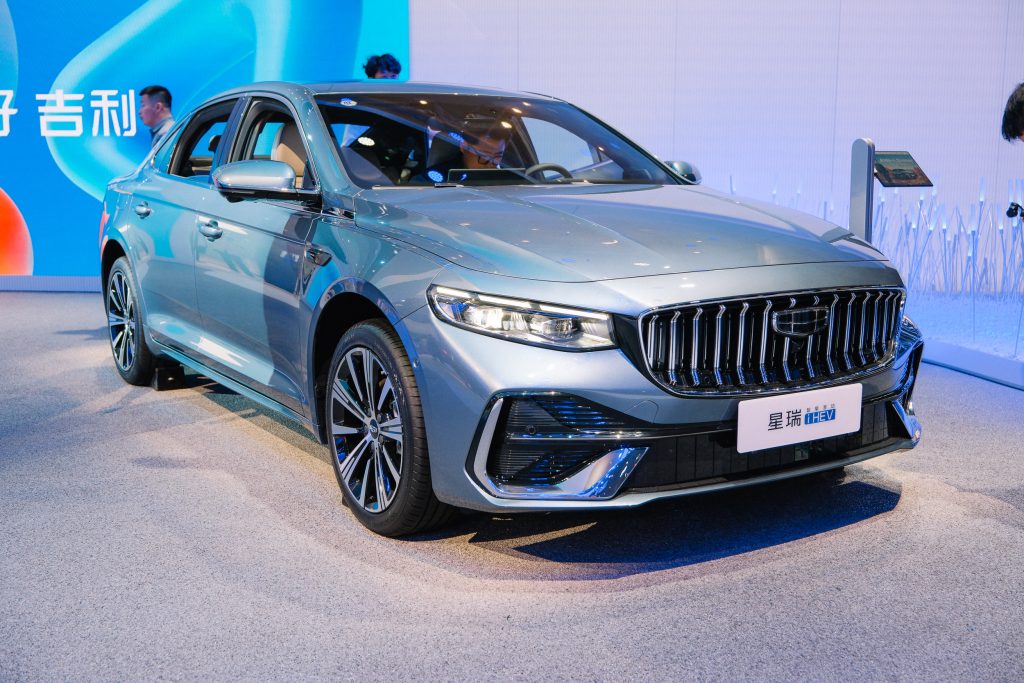
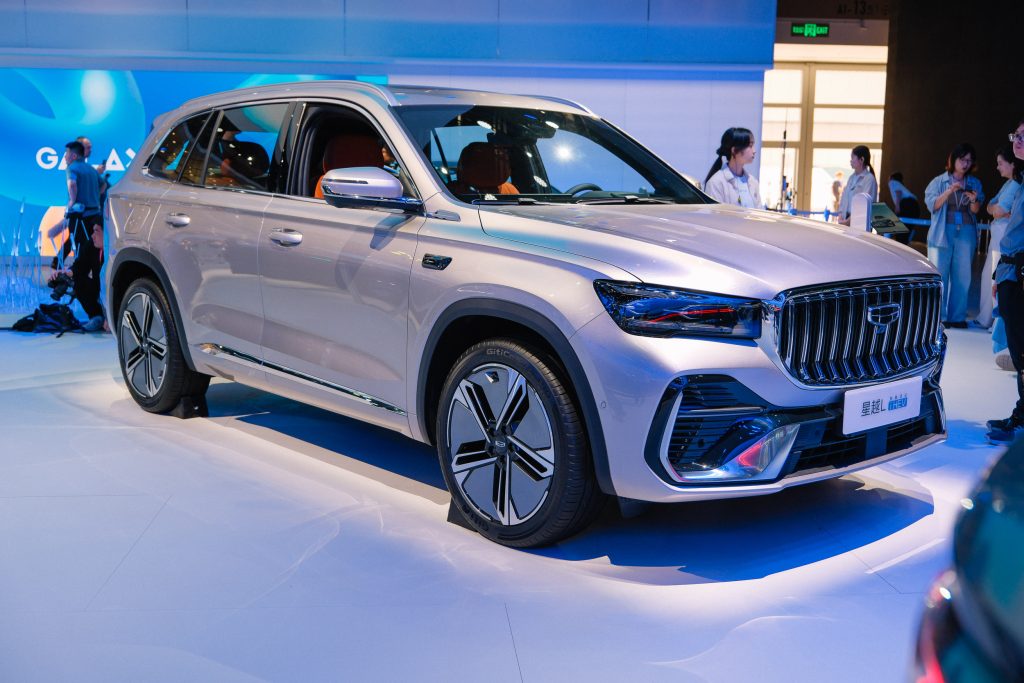
Geely’s booth at Auto China was a mix of the present and the future. On display were its battery electric vehicles, plug-in hybrids, and a few with the new i-HEV hybrid system.
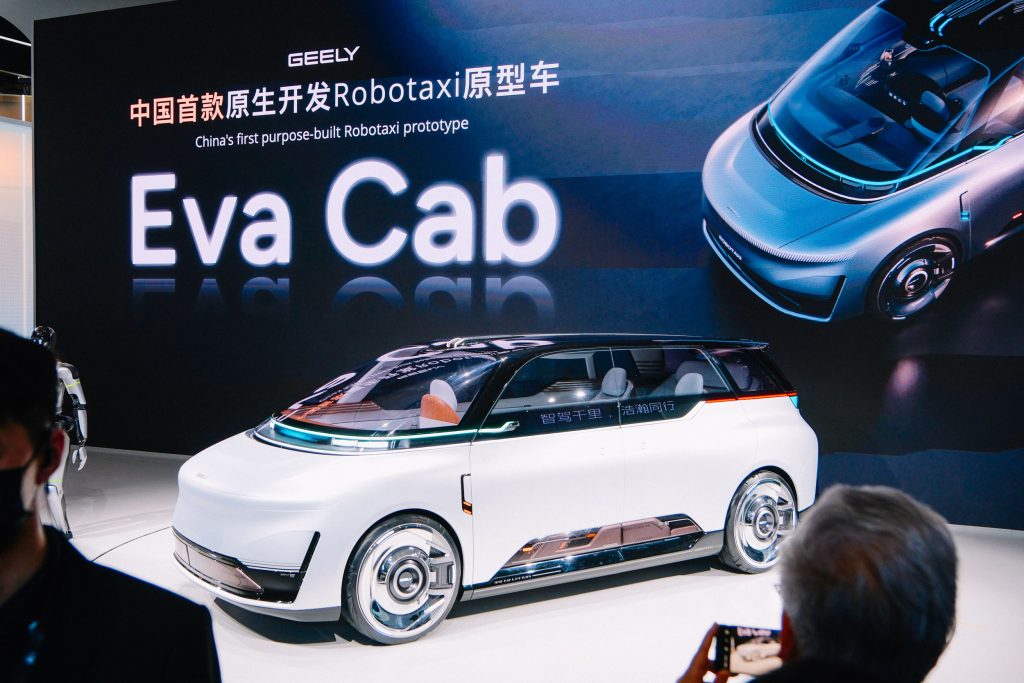
Its self-driving robotaxi called the Eva Cab can be considered a preview of its future self-driving system. It integrates with GeeSpace satellites, other connected car services, and a lot of sensors. This advanced self-driving tech will eventually trickle down to higher-end Geely products before going mass market.
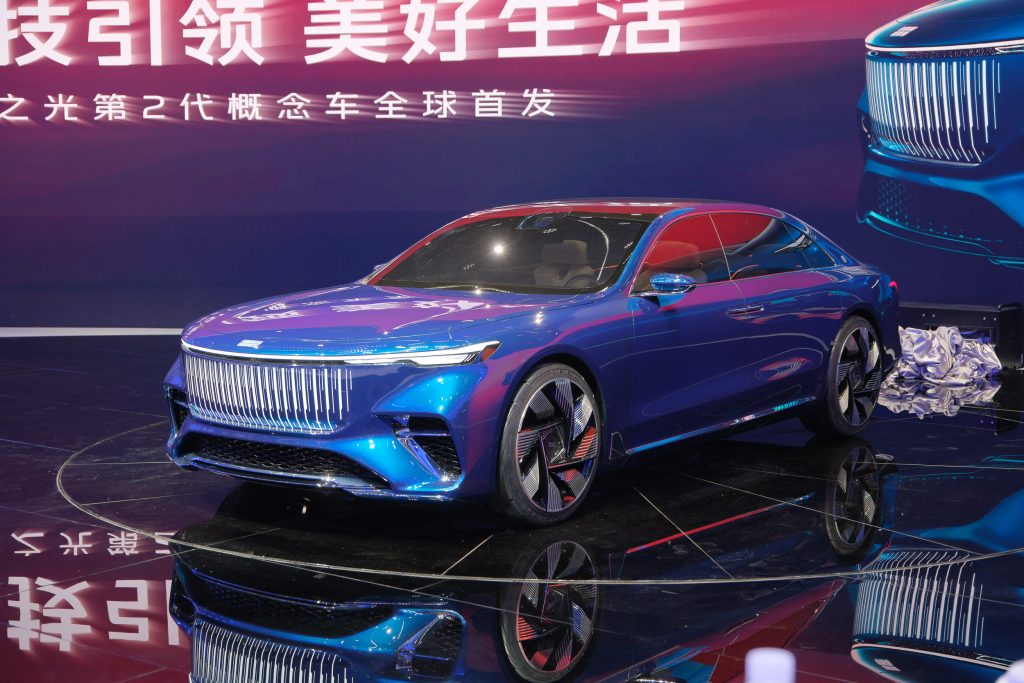
The gorgeous Galaxy Light II showcased its latest design language following the philosophy of Ripple Aesthetics.
One interesting bit about its new design language that we’ll eventually see is that it will adopt a powertrain-agnostic approach for both ICE and EV, rather than differentiating an automaker’s lineup visually.
Trying out the present
You can say that “all Chinese cars look and feel the same”, but there was something that I noticed from the Geely cars that we experienced from Day 1.
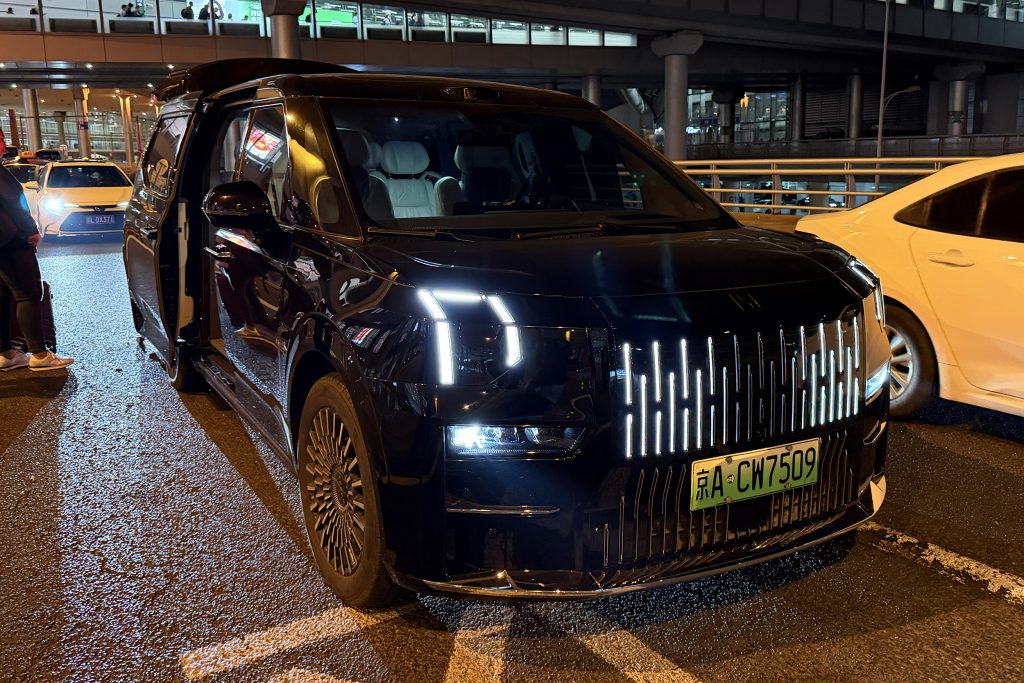
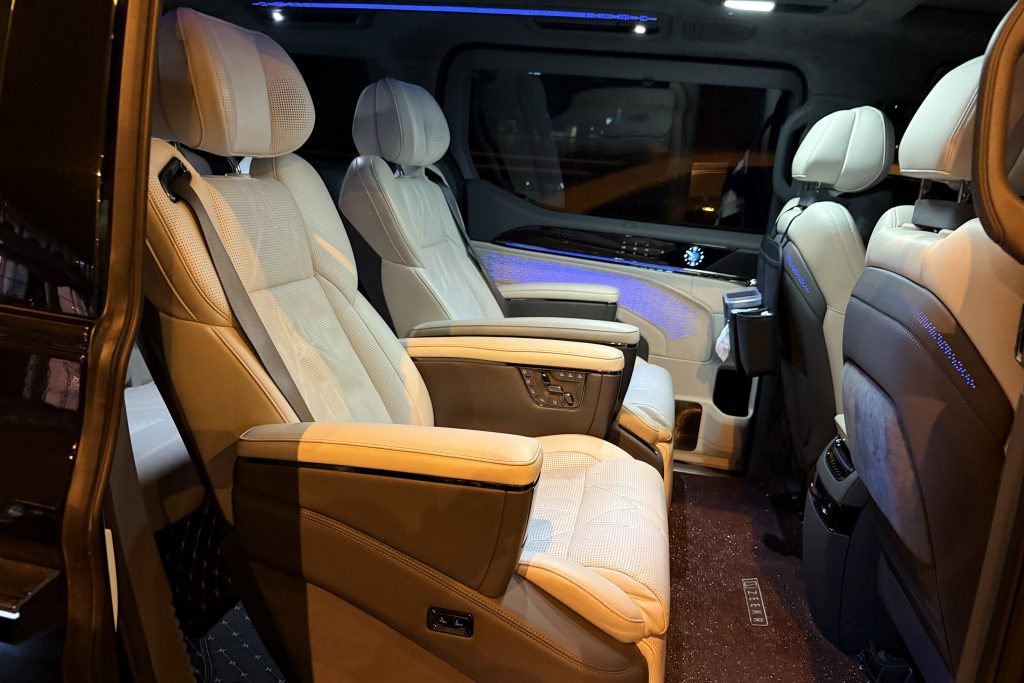
Our airport shuttle was a Zeekr 009, and the rear-seat experience was something to marvel at. From the VIP seat with its various massage modes, to ultra-sharp and inky blacks of the OLED screens (most cars still use LCDs), and how it glided on the expressways, smoothing the driver’s inputs and giving off a vibe I’ve felt only in high-end European brands.


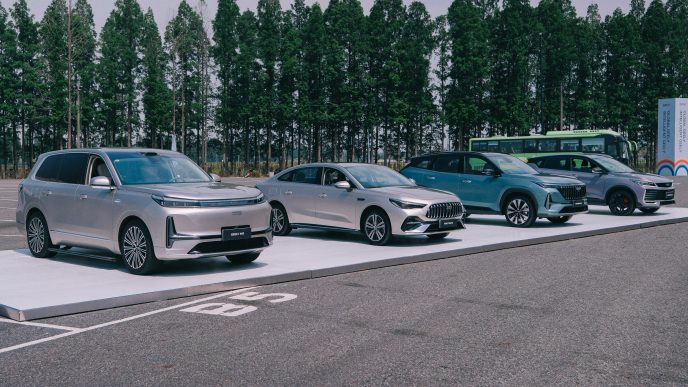
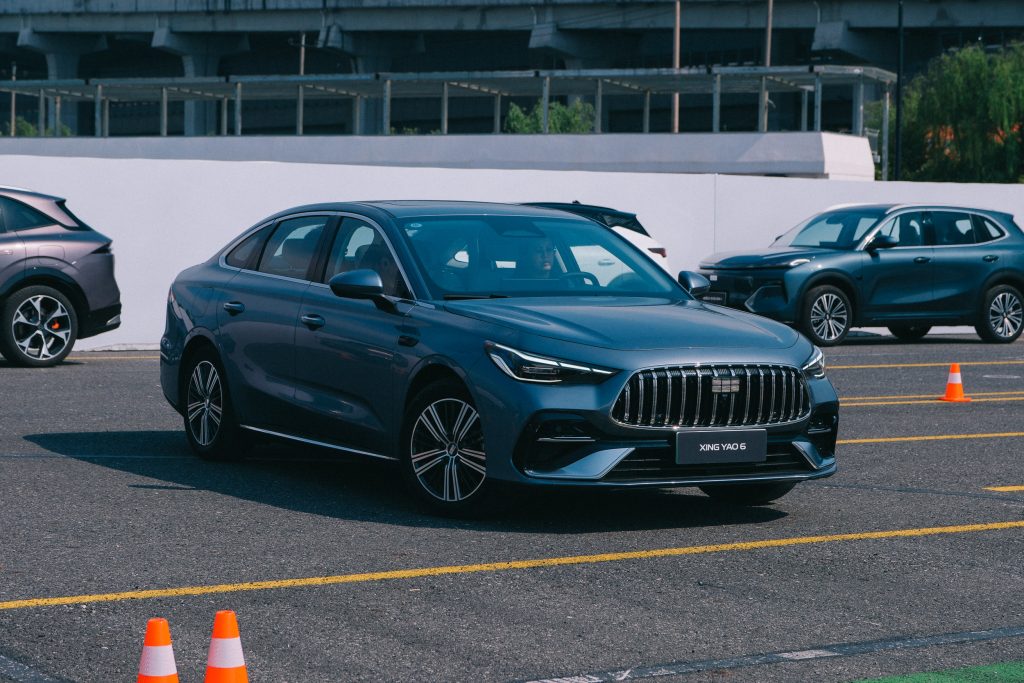
The build quality and material choices extend to the main Geely brand. From the Galaxy M9 SUV’s luscious interior materials and tech, to the Starshine 6 (Xingyao 6) sedan’s solid, premium-feeling cabin for its price tag, you can see how Geely learned from its acquisitions.

The entry-level EX2, a rear-wheel drive hatchback, proved that one of its cheapest city cars can be fun to drive.
Going around the gymkhana course put a smile on everyone’s face as the little hatchback turned in, drifted, and flew around the course with confidence and the fun that sports cars could only offer, all while being practical and affordable. This explains why it was China’s bestselling car of 2025.
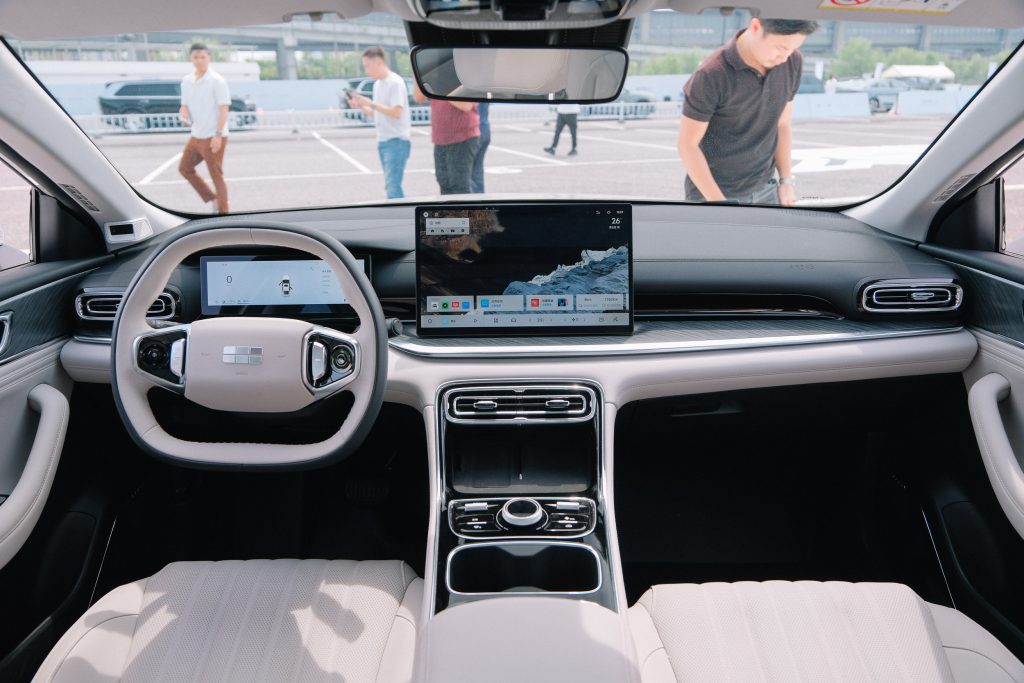
The Flyme Auto systems in Geely cars are well-designed and intuitive to use, a big step ahead of the interfaces on other Chinese vehicles. Even its Flyme Audio system, found on the majority of its mainstream cars, matches high-end brands like Bose and Harman/Kardon with its clarity, depth, and bass.
How it’s made
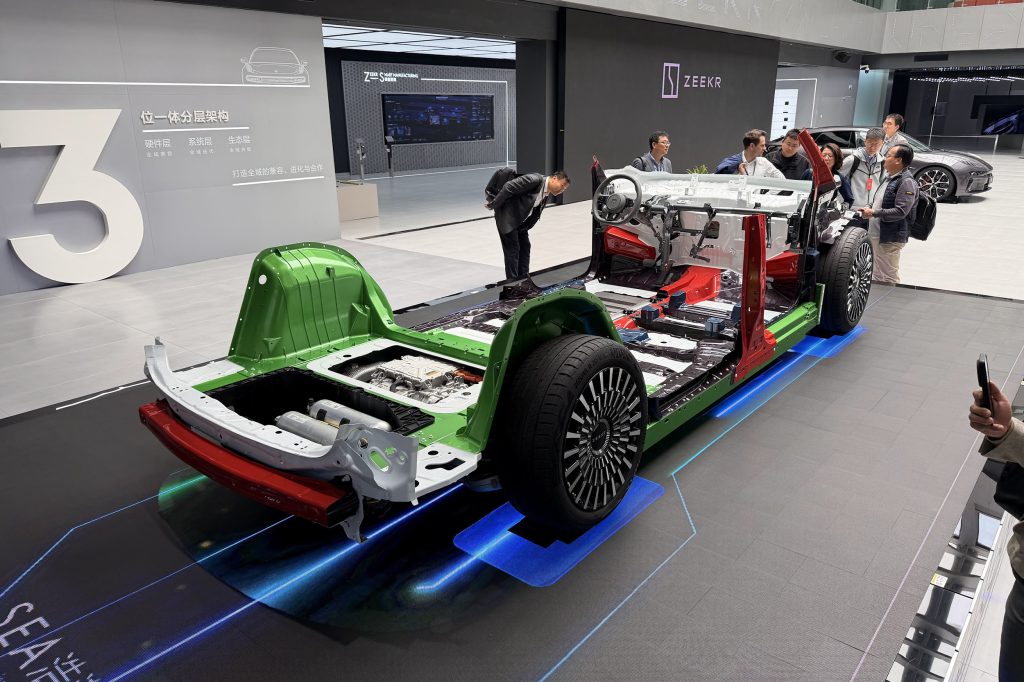
We visited the Zeekr Intelligent Factory in Hangzhou Bay. The 7,875,182 sqm facility has more than 7,900 robots, using 5G connectivity to communicate with each other. The factory has a maximum output of up to 360,000 vehicles, with around 120,000 vehicles processed per day.
There were flexible, fully automated assembly lines that could swap between different models on the fly, even taking individual customizations into account. Of course, there are humans present for quality control, doing small tasks robots can’t do (yet) and final inspection, of course.
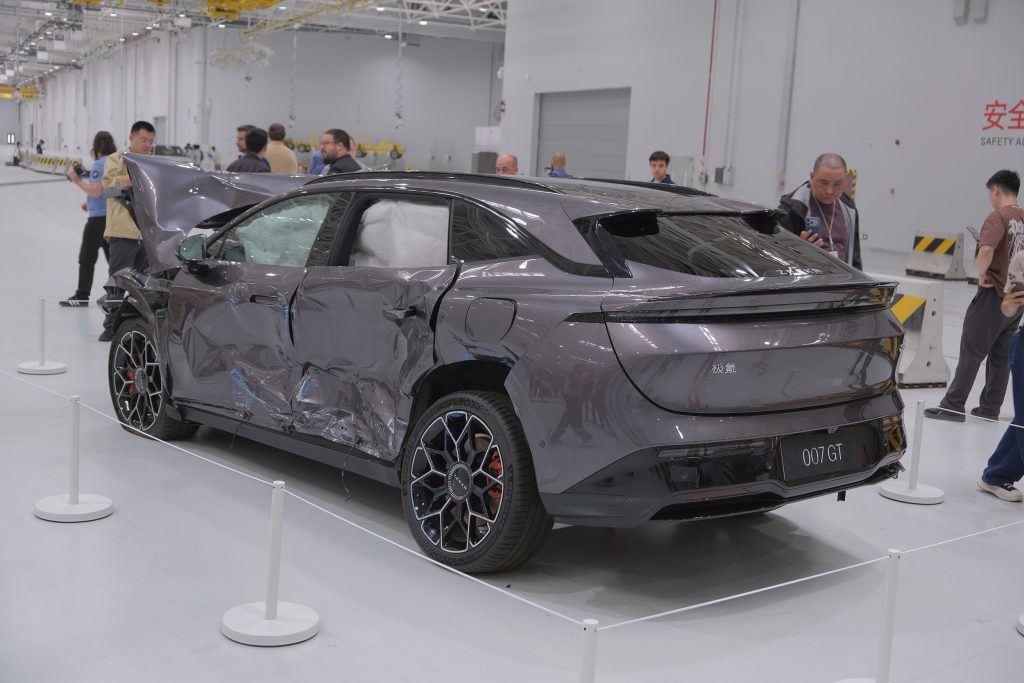
A bus ride away was its world-class crash test and safety facility, large enough at 45,000sqm to simulate high-speed impacts from any angle, alongside heavy fog, snow, and torrential rain.
There are multiple labs dedicated to analyzing post-crash damage, run simulations for its self-driving systems, and developing multi-million dollar crash test dummies of different shapes and sizes.
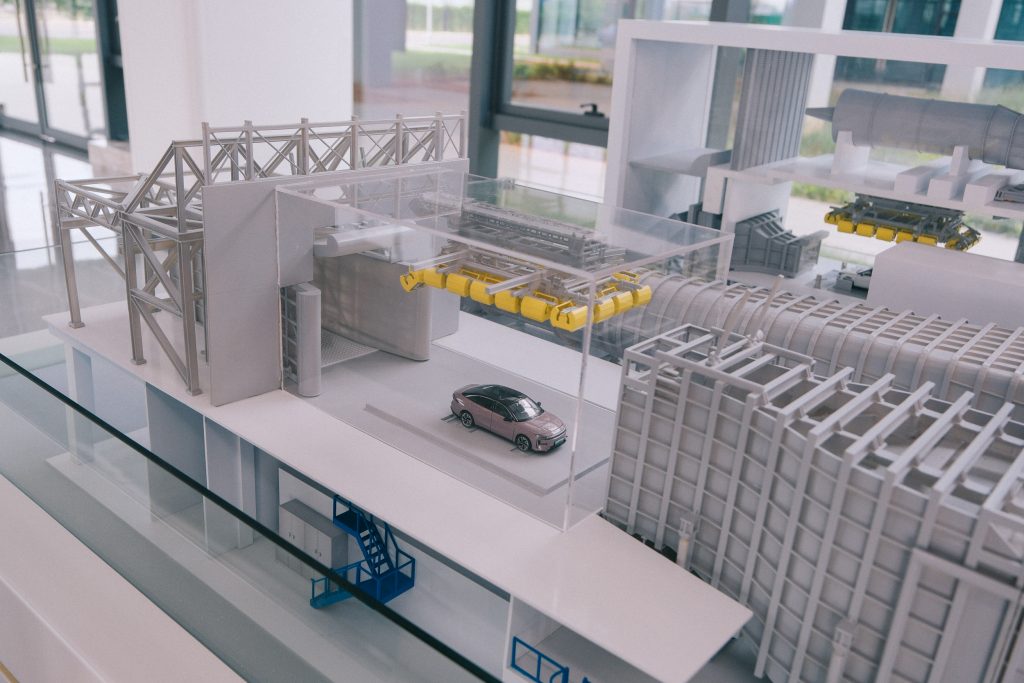
There’s even the Climactic Wind Tunnel, allowing simulated winds of up to 250km/h, temperature, humidity, sunlight, rainfall, and snow. A second wind tunnel also simulates altitudes of up to 5,200m to test out the durability and performance of functionality like engine, cooling, weather sealing, and more.
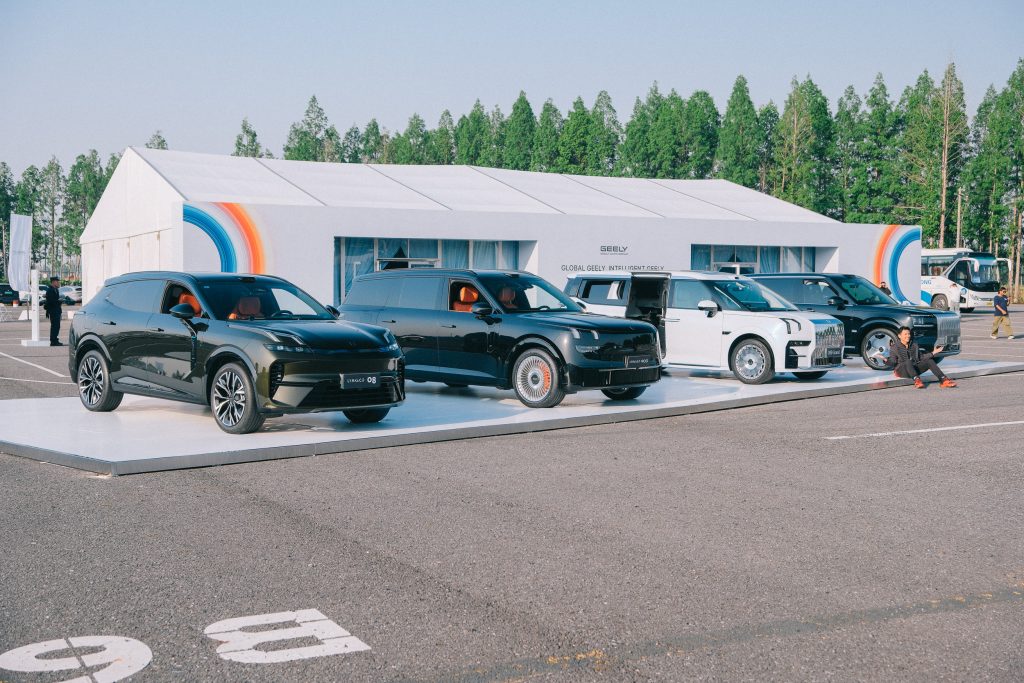
To say that this is all impressive is an understatement, and the amount of resources that Geely Auto has poured in to make its products competitive in the global market is paying off.
However, there’s no getting around the uphill battle that Geely Motor Philippines has to contend with. What was once a beloved brand is now approached with caution due to the previous mismanagement in aftersales, no matter how enticing the product is. This extends to the consumers, to see if they’re willing to give the brand another chance under a new distributor.
However, there’s one other thing we can all learn from this: the Chinese automakers are out for blood, and everyone else was caught with their pants down. This should be an interesting decade for the automotive industry to see how the others react.