



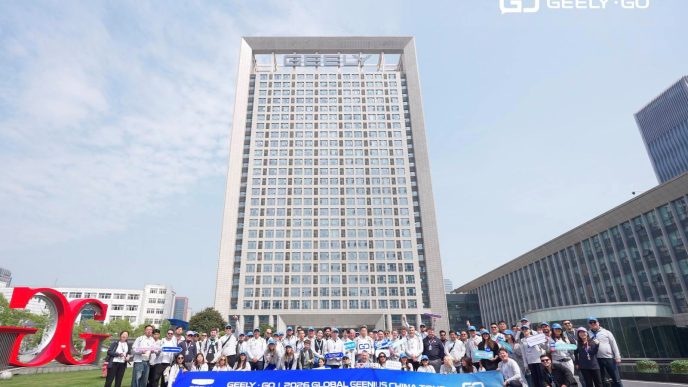
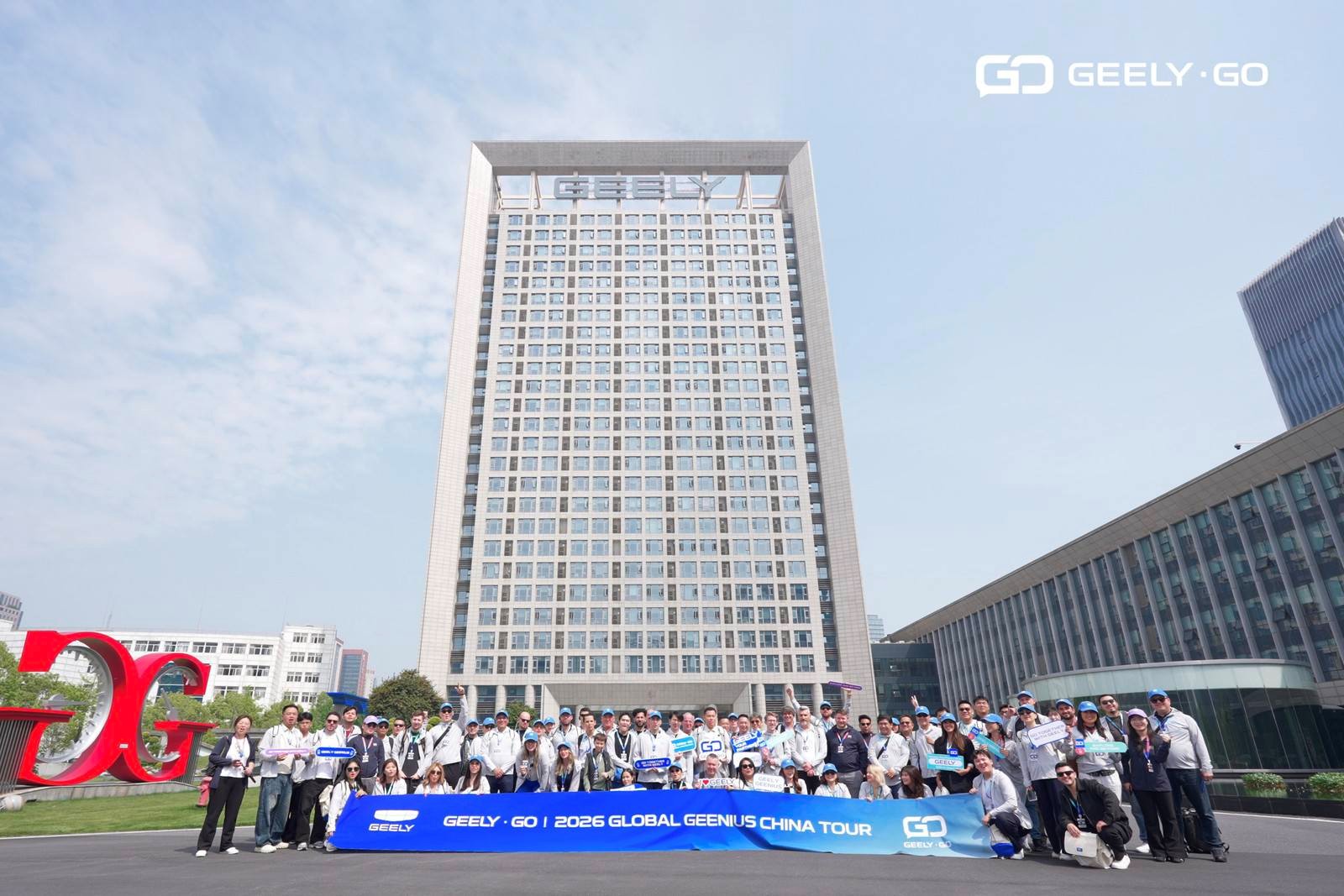
Philippine dealer principals and banking executives from Geely Motor Philippines were given a firsthand look at the automotive group’s safety testing and intelligent manufacturing facilities in China, as part of a wider visit that also covered Geely’s 2030 strategy and future product direction at Auto China 2026 in Beijing.
The Philippine delegation traveled to Ningbo in Zhejiang province, where they toured the Geely Auto Safety Centre — a 45,000-square-meter facility built with an investment of over RMB 2 billion. The centre holds five Guinness World Records, including the world’s longest indoor crash test track at 293.39 meters and the largest altitude-climate adjustable wind tunnel for vehicle testing, capable of simulating wind speeds up to 250 kilometers per hour.
The visits formed part of a wider delegation anchored in Geely’s “One Geely” strategy — the group’s framework for aligning its brands, technologies, operations, and global partners under a single direction. Andy An, CEO of Geely Holding Group, framed what that means in practice. “Anchored in the ‘One Geely’ strategy, we drive global growth through tech innovation, coordinated execution, and strong talent,” he said. For Philippine partners, that coordinated execution was on display across both facilities — in safety systems already validating vehicles for global markets, and in manufacturing lines already producing them at scale.
The Safety Centre’s testing scope covers crash testing, pedestrian protection, active safety simulations, battery and powertrain safety, cybersecurity testing for connected vehicles, and health-related safety evaluations — the full range of what modern vehicle safety now requires.
The delegation also toured the Zeekr Intelligent Factory in Hangzhou Bay, Ningbo — a 1,946-acre complex belonging to Zeekr, Geely’s intelligent electric vehicle brand. Integrating 5G connectivity, artificial intelligence, and a central “Digital Brain” that coordinates production data in real time, the facility operates 7,200-ton die-casting machines and 703 flexible welding robots at 100% automation. Together with the Safety Centre, it gave Philippine partners a direct look at the manufacturing systems behind Geely’s global vehicle development — infrastructure that is not in planning but already running.
The facility visits were part of a wider delegation that began at the 2026 Geely Auto International Business Partner Conference in Hangzhou, where more than 1,000 dealer representatives from over 100 countries and regions gathered under the One Geely framework. Senior leadership outlined the group’s 2030 targets, including global sales exceeding 6.5 million units and overseas sales representing more than one-third of total volume.
The trip concluded at Auto China 2026 in Beijing, where Geely’s global partners saw the product direction the group’s manufacturing and R&D investment is working toward. Showcases included the purpose-built Robotaxi prototype, the Galaxy Concept, and i-HEV hybrid technology, alongside other developments in electrification, AI-assisted driving, and intelligent mobility.
Jerry Gan, CEO of Geely Auto Group, described the broader system the visit represented. “Geely continuously strengthens its foundation and refines its core competencies. By integrating the best of the global automotive industry with our own strengths, we are building a world-class automotive ecosystem,” he said.
For Philippine dealer principals and banking executives, the visit delivered direct exposure to the infrastructure behind the brand’s global commitments. Vehicle ownership is a trust decision — involving dealer reliability, after-sales support, and long-term brand stability. Seeing the safety systems, manufacturing capability, and product pipeline firsthand gives Philippine partners a stronger basis for the confidence they extend to local customers.
For Geely Motor Philippines and its partners, the visit was a grounded look at the systems already in place behind the brand — safety validation, manufacturing capability, and a product pipeline that gives Geely’s 2030 targets operational credibility.