





VinFast recently announced a restructuring plan aimed at enhancing operational efficiency and strengthening its long-term growth strategy. The announcement has attracted significant public attention, particularly regarding the future structure of VinFast’s manufacturing operations in Vietnam.
Vietnamese business newspaper CafeF spoke with Ms. Thai Thi Thanh Hai, Deputy CEO of VinFast, to better understand the nature of the transaction and the company’s strategic direction going forward.
What is VinFast’s response to speculation that this restructuring is effectively an exit from automobile manufacturing?
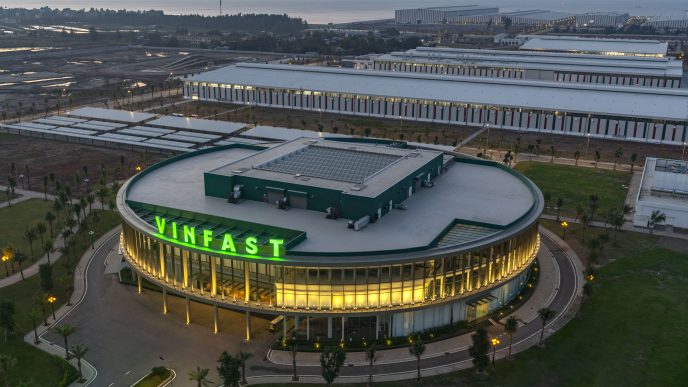
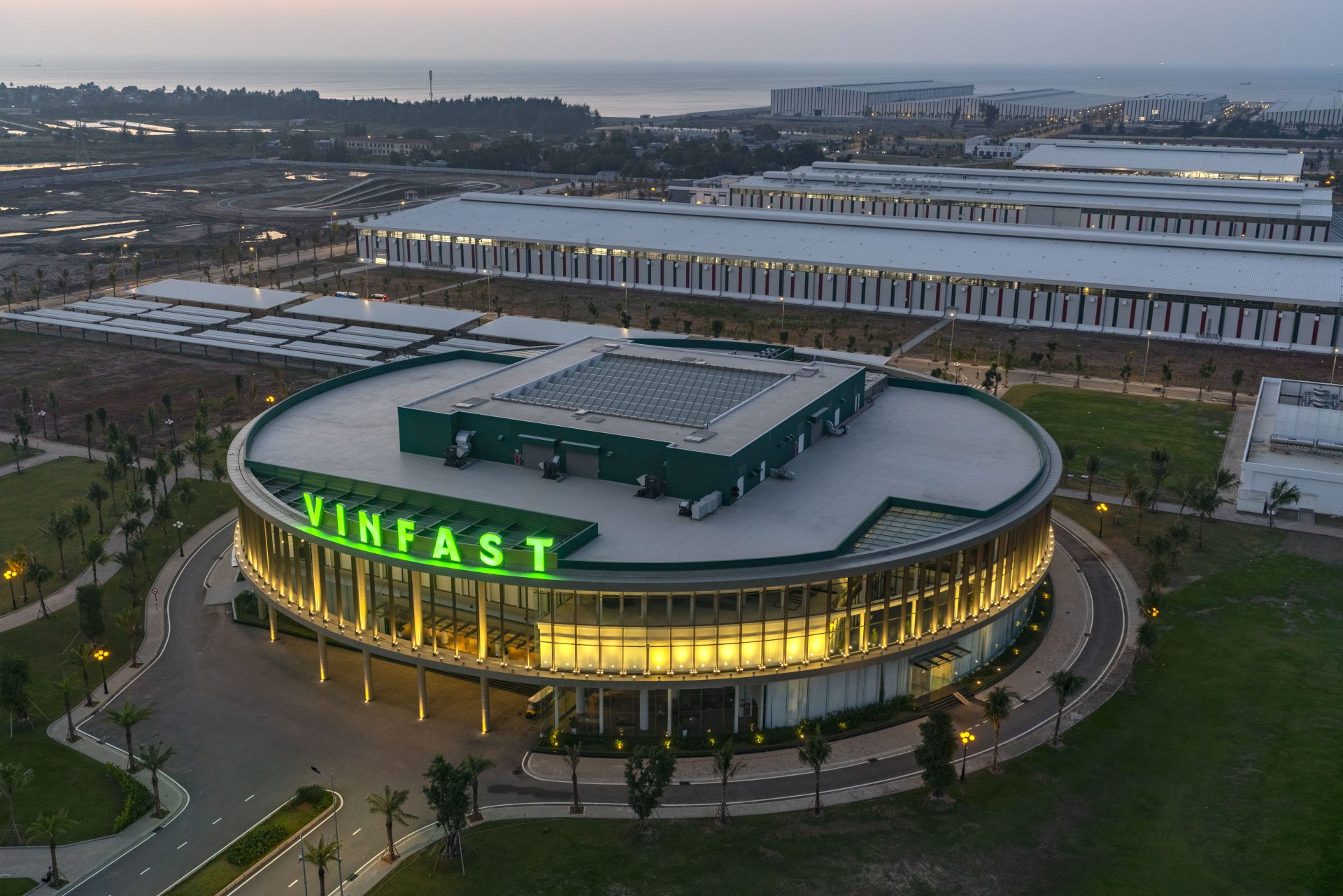
At its core, the transaction involves Future Investment Research and Development JSC, together with Mr. Pham Nhat Vuong, acquiring a portion of the assets of the current VinFast Vietnam entity, including VinFast’s two manufacturing plants in Hai Phong and Ha Tinh, for a transfer value of VND13.3096 trillion.
Along with the factories, the buyers will also assume the vast majority of VinFast’s existing liabilities and financial obligations, totaling approximately VND182 trillion as of March 31, 2026. Following the transaction, the manufacturing entity will continue producing vehicles under orders from VinFast.
So after the restructuring, VinFast itself will no longer directly own manufacturing operations in Vietnam. What happens to the rest of the business, such as R&D, vehicle design, sales and after-sales services?
VinFast will continue to maintain manufacturing operations globally. In Vietnam specifically, vehicle production will be outsourced to Future. All other operations – including product R&D, vehicle design, business operations and after-sales services – are outside the scope of this transaction and will remain fully owned and operated by VinFast as usual.
Does that mean VinFast will effectively no longer carry debt after the restructuring?
That is correct. Following the restructuring, VinFast Vietnam will be largely debt-free, with only a relatively small residual balance remaining.
Is the restructuring primarily aimed at accelerating VinFast’s path to profitability?
The restructuring is expected not only to help VinFast achieve profitability earlier than previously projected, but also to create a more stable and sustainable long-term foundation for the business. VinFast Vietnam is expected to become profitable from 2027.
Customers are likely most concerned about whether the restructuring will affect product quality, warranty coverage, and after-sales commitments in the future. What is VinFast’s response?
There will be no impact at all. The factories will continue manufacturing vehicles for VinFast under the company’s existing standards, and VinFast will continue to maintain strict quality control over all products before they reach consumers.
VinFast’s entire sales, warranty, after-sales service, technical standards and customer care systems will continue operating as normal – and will continue to improve over time, as customers have already seen.
Have you received feedback from Vingroup and VinFast shareholders? What would you say to reassure investors?
Shareholders have no reason to worry, in fact, many are very pleased. The restructuring plan provides a much clearer picture of VinFast’s long-term growth prospects. For Vingroup shareholders, there is also greater reassurance because Vingroup will no longer have to bear 50% of VinFast’s total debt, based on its ownership stake, as it did previously. At the same time, VinFast will be able to optimize financing costs and depreciation expenses. As Chairman Pham Nhat Vuong previously said at a shareholders’ meeting: “In the future, VinFast will no longer be a place where Vingroup spends money, but instead an asset that delivers tremendous value to Vingroup.”