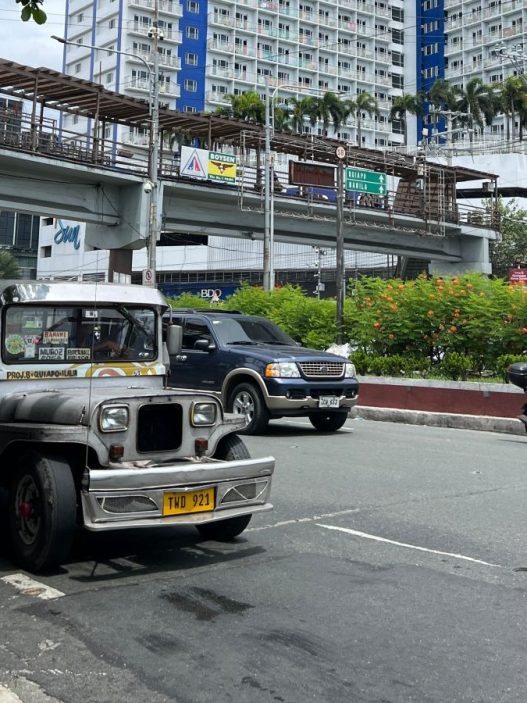



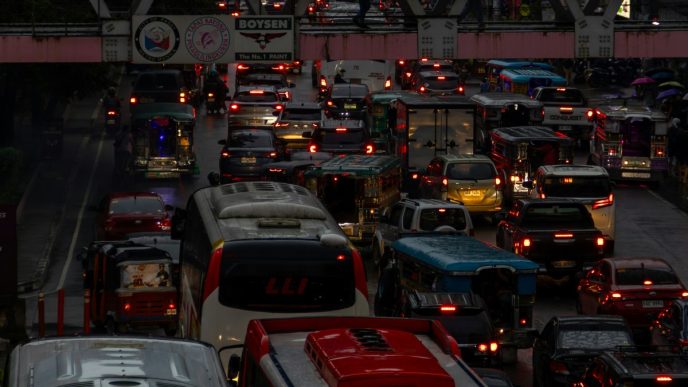
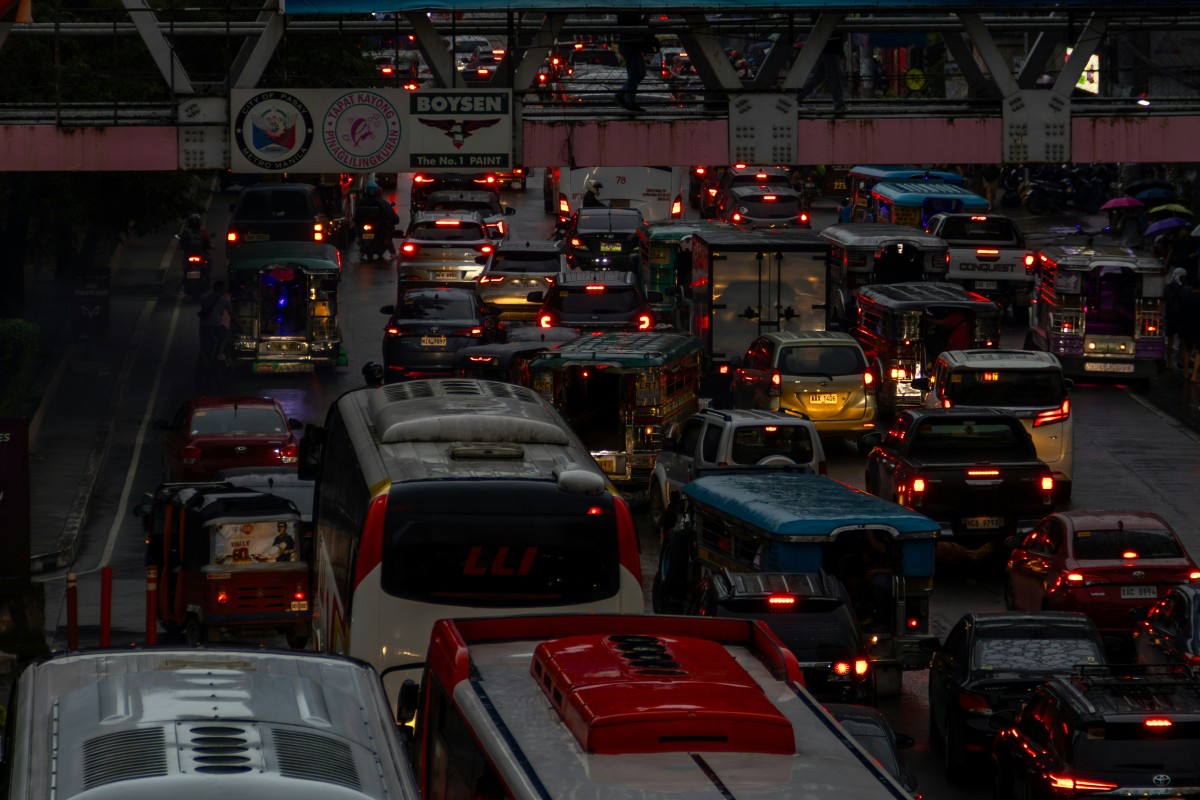
Just a few days ago, the city of Manila made headlines again after several decades-old trees along Quirino Avenue were cut to make way for another Skyway connection. This isn’t the first time that this happened, and certainly won’t be the last. Times like this make me miss Gina Lopez’s time in DENR even more. My question now is, when will the government learn that this isn’t true progress?
I haven’t been in many places during my formative years but I’ve seen Quezon City’s roads grow. The most visible example would be Commonwealth Avenue that spans as wide as 9 lanes each way around the LITEX area, before it narrows down to its old 4 lane width around the Fairview-Regalado area. It’s true that traffic lightened up once the road widening was finished, but it soon became a point of carmageddon every rush hour. Imagine that – an 18-lane highway still struggled to fit all the cars in the city.
Widening roads to add more lanes won’t solve the problem of traffic. It’s merely a band-aid solution that will get worse once people catch up to it. They’ll think “oh the traffic in the area is better now” and so they’ll buy a car, adding to the hundred thousand or so already on the road, and soon that additional lane is another clogged artery in the city. This is the same for elevated expressways that also have expensive toll fees.
Peter Bucsky and Mattias Juhasz recently published a study in 2022 called Long-term evidence on induced traffic: A case study on the relationship between road traffic and capacity of Budapest bridges. This is a 55-year study on Budapest’s traffic conditions, especially with their situation similar to ours. Most of their residents relied on public transportation before the 90s, and later on had enough purchasing power to buy private vehicles.
The summary is as the title says. Road developments result in an induced demand for private cars. The more roads you build, the more that people move away from public transportation and into private ones, resulting in more traffic. We have seen this in Commonwealth Avenue, especially since that road branches out into many gated subdivisions. The residents had access to tricycles that got them to the road where they could hail a jeep, bus, or FX. Yet they opted to have a private car because the road is wider now, there’s less traffic, only to be in hours-long traffic just a few years later.
We keep citing the study of Japan International Cooperation Agency (JICA) where they say PHP 3.5B is lost to traffic EVERY SINGLE DAY. And yet the government keeps approving projects that will only cause more traffic in the long run.
You’ll probably ask me – so how do we solve the traffic in the city? Simple. Have better public transportation. We are lucky that our public transportation system goes directly to our homes. This is in contrast to other countries where they have to walk a kilometer or more to get to the nearest bus stop. Here, we have tricycles and e-bikes for the local road network.
The problem starts once we are in the mass transport system. The buses that have longer routes are relatively few, always over-crowded, and are badly maintained. The train system suffers from the same thing but has more pitfalls like the elevators and escalators not working. In both scenarios, passengers either have to wait on the road itself or queue in a long line just to make it.
Imagine if instead of a road, that Skyway Stage 3 was a train system from A.Bonifacio to Magallanes in Makati. What if there’s a railway from the east to the saturated business districts so that one road from Ortigas to Rizal gets decongested?
The Metro Manila Subway Project is promising, but that is one project alone compared to numerous money spent on these roads, bridges, and expressways. I also have doubts about its efficiency given the numerous electrical issues in our train system, and the flood in several areas in Metro Manila.