





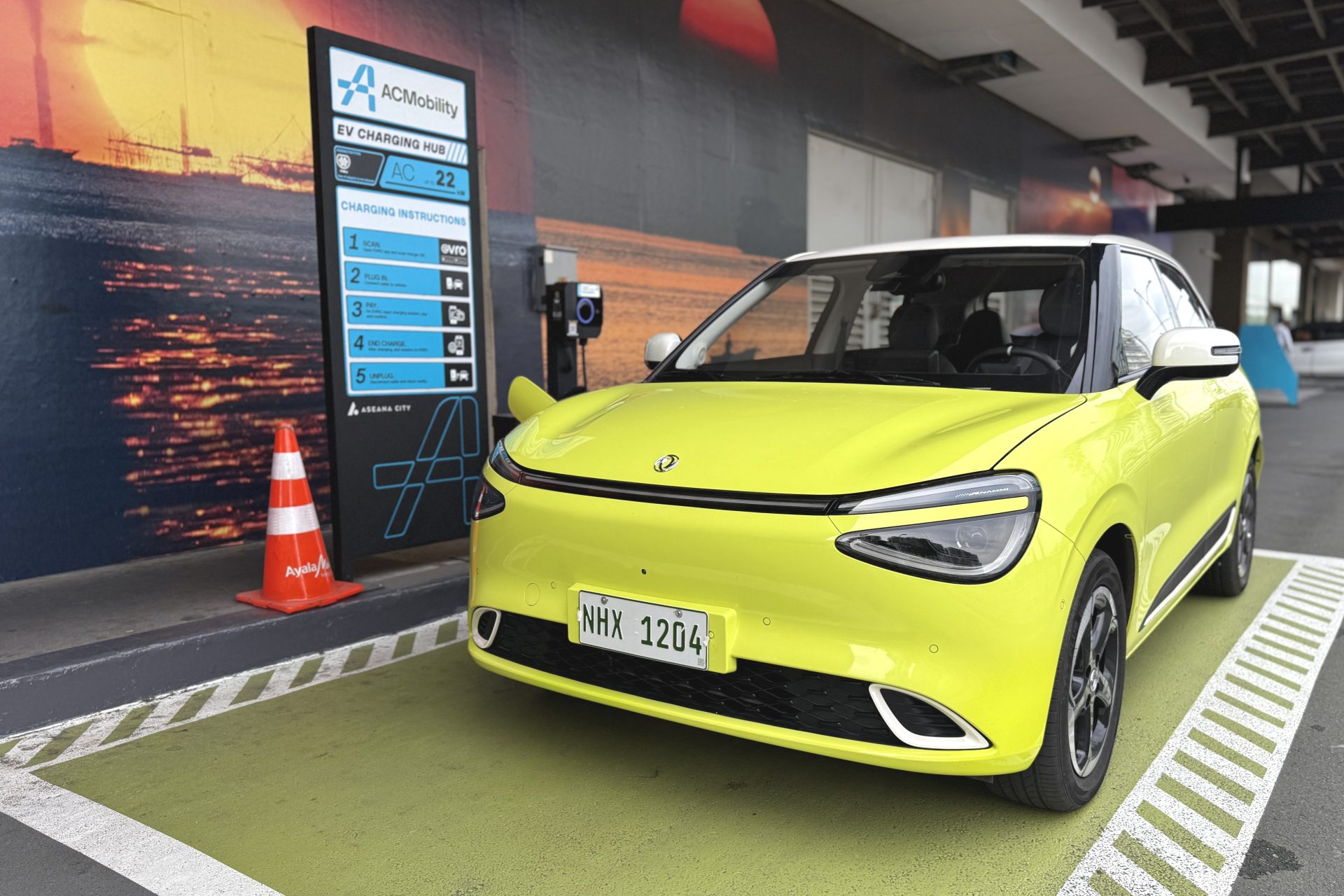
While on the road, look around, and you’ll notice that the population of electrified vehicles in the Philippines has grown significantly. There are now more green plates than ever, and recent statistics confirm this.
According to the Electric Vehicle Association of the Philippines (EVAP), actual sales of electrified vehicles almost tripled in 2024, reaching 3,880 units compared to just 1,028 units in 2023. That’s a mighty 277.5 percent spike based on figures compiled by the Department of Energy (DOE) and EVAP.
The efforts to expand infrastructure match the surge in demand. From roughly 300 charging stations in 2023, the number has grown to 992 this year. Under the Comprehensive Roadmap for the Electric Vehicle Industry (CREVI), the goal is to roll out 7,300 EV charging stations nationwide by 2028. That’s a commendable leap, especially for a country still finding its footing in clean mobility (though it would be even more admirable if the government subsidized it, but here we are).
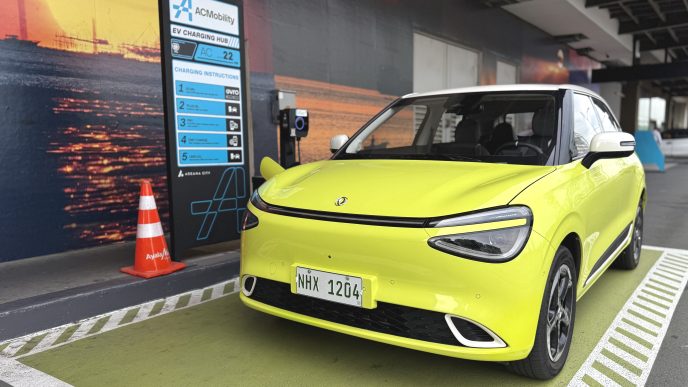
There’s a catch. As the EV population grows, so does the demand for charging stations. Note that three out of four electrified vehicles on the road require charging. And, as not everyone has the privilege of having a wall charger installed at home (hello, condo-dwellers), public charging is the solution.
But, as with most shared resources, conflicts arise when people start treating public chargers as if they were their own personal property. We, Filipinos, by nature, are resourceful – but also known to skirt around rules. We often prioritize convenience over courtesy. And yes, I used “we” as I don’t absolve myself from these things.
Public charging behavior, however, needs order. If we want the transition to EVs to be seamless, it’s time we acknowledge the “unwritten rules” of EV etiquette. Think of it as training wheels, or fences in a playpen, to keep everyone moving in the same direction. Remember EDSA bus lanes?
If you’re an EV or PHEV owner, here are four key points to remember:
1. Hogging the Chargers
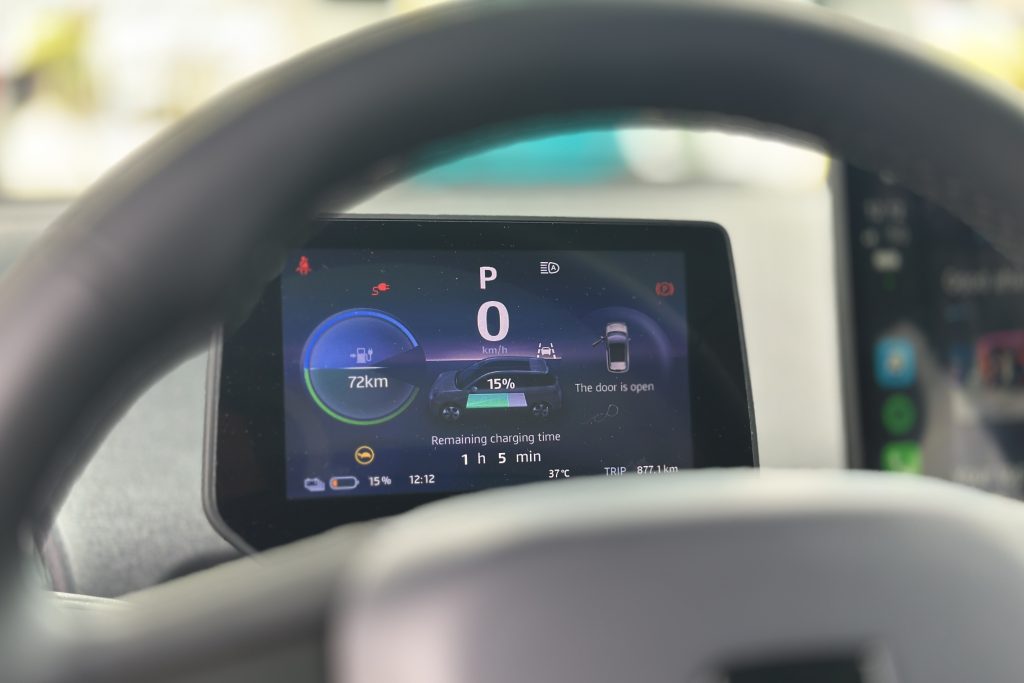
Nothing’s more frustrating than arriving at a charging station only to find someone has left their car plugged in long after it’s been fully charged. Needless to say, this habit – often referred to as “charger hogging” – is inconsiderate because it blocks access and undermines the efficiency of limited charging infrastructure. Every minute a fully charged car occupies the space is a minute lost for another driver who might be running low on power.
Owners of plug-in hybrid vehicles (PHEVs) – or extended-range EVs (EREVs), or DM-i or i-DM or SHS, whatever you want to call them, as long as they still have gasoline engines – need to be especially mindful since their batteries typically take much less time to top up compared to full battery EVs. Leaving them plugged in longer than necessary is wasteful and inconsiderate.
Fortunately, many charging networks, such as Evro, now offer apps that enable users to monitor their charging progress in real-time. A quick check ensures you can unplug promptly once you’ve reached the needed charge. The rule is simple: charge and move.
2. Parking Without Charging
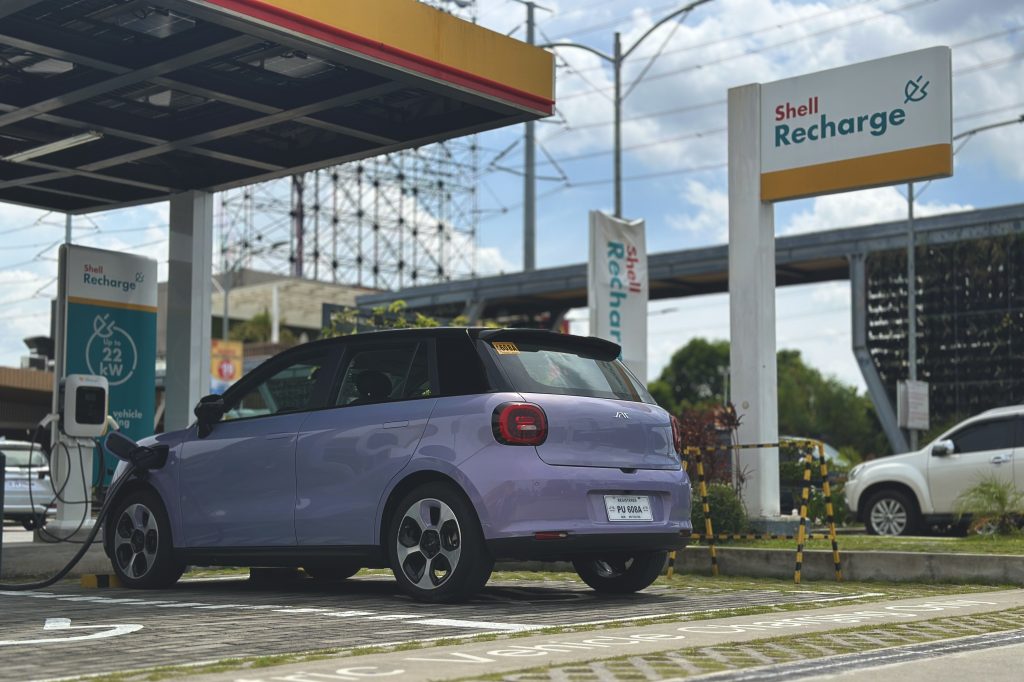
Public charging stations are not parking slots, yet many drivers – including EV owners – treat them as such. Blocking a charger without actually using it is akin to parking in front of a gas pump and walking away. Idiotic, right?
More importantly, it defeats the very purpose of having infrastructure in place. Some justify it as a quick errand, but even short stops can derail someone’s schedule, especially in cities where traffic congestion already consumes a significant amount of time. If you’re not charging, don’t take a spot. It’s as easy as that. It’s a matter of simple respect for those who actually need to use it.
3. Not Returning the Charging Cable After Use
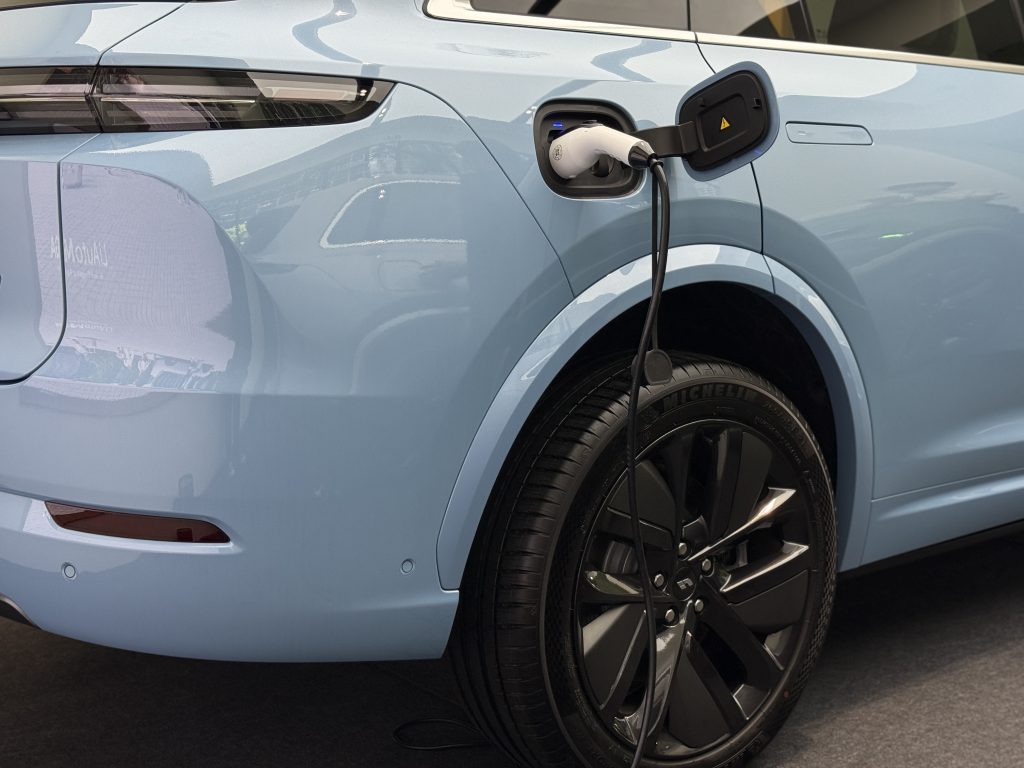
Imagine arriving at a charging station only to find the charging cable lying on the ground after use. Such sloppy behavior should be left at home, more so on charging stations. EV chargers are designed for repeated use, but neglect accelerates wear and tear, reducing their lifespan and potentially causing malfunctions. Worse, it creates hazards for the next user who might trip over the cable or struggle with tangled wires.
Returning the cable neatly to its holder takes less than a minute, but that small act contributes significantly to the system’s orderliness. Treat the charging cable like you would a fuel nozzle – return it properly after use.
4. Using DC Chargers When AC Would Suffice
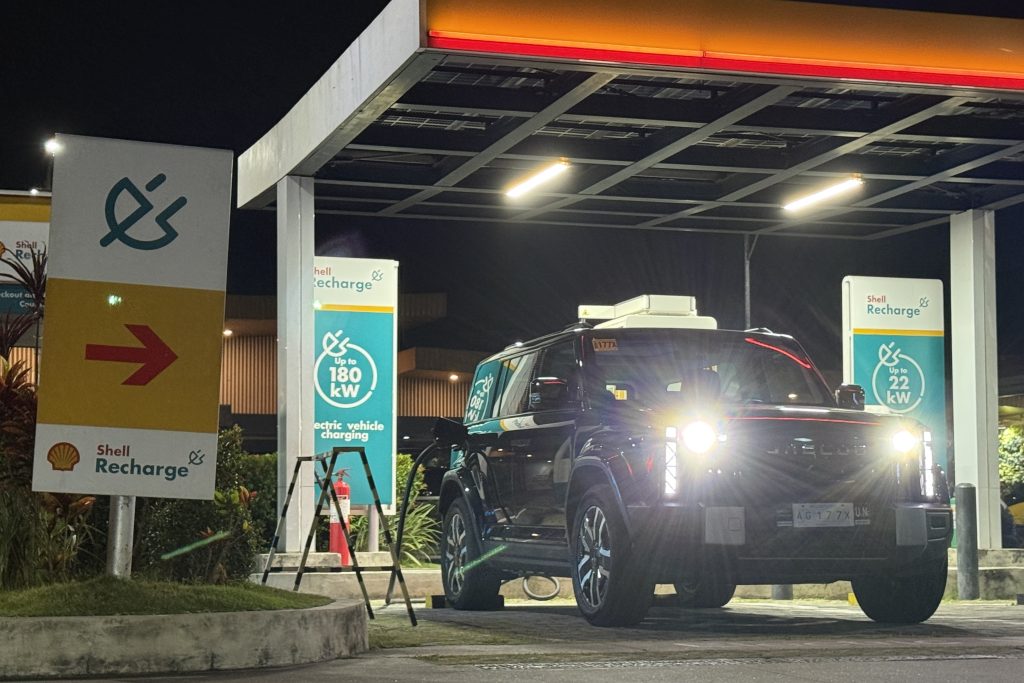
Many charging stations today offer both AC and DC options, but not all cars can fully utilize DC fast charging. Some EVs can only accommodate AC charging, yet their owners still plug into DC chargers because they’re available. This is problematic because DC chargers are in high demand and are best reserved for vehicles that can utilize their faster output effectively. Meanwhile, AC-only cars block the station and gain no real benefit.
Understanding your vehicle’s charging capability is part of responsible ownership. If your car only accepts AC charging, use the appropriate charger type. Save the DC slots for those who can actually use them.
From “Diskarte” to “Dyahe”
In countries like Japan, public behavior is often guided by an unspoken principle: do not disturb or inconvenience others. I call this the “dyahe” culture – and no, dyahe is a Tagalog slang term from the ’90s, which means an act that’s awkward or worse, embarrassing, because it inconveniences others. Japanese avoid these “dyahe” moments almost all the time. This mindset ensures systems run smoothly, even in densely populated areas.
The Philippines, on the other hand, has what I call the “diskarte” culture, wherein everyone seems to have a trick up their sleeves to get ahead of others. Some call it wise, but in reality, it’s actually a bad trait that we should leave behind, especially if you start stepping on other people’s toes. Yes, you have rights, but those end as soon as they cross another person’s.
As the EV ecosystem in our country grows, we could all benefit from adopting the “dyahe” culture. Always be mindful of other people’s needs and requirements. More “dyahe,” less “diskarte” – quality of life significantly improves if everyone takes this by heart, but then again, that’s wishful thinking.
Just think of it this way: If you can afford a vehicle in this economy, you can afford some basic manners and courtesy as well.