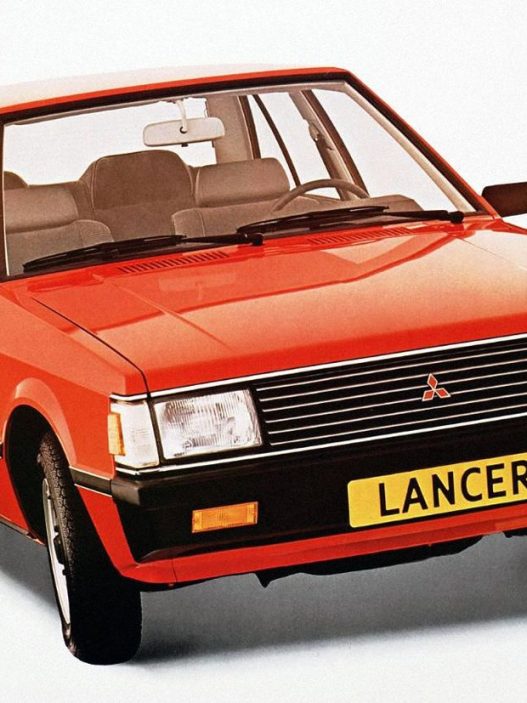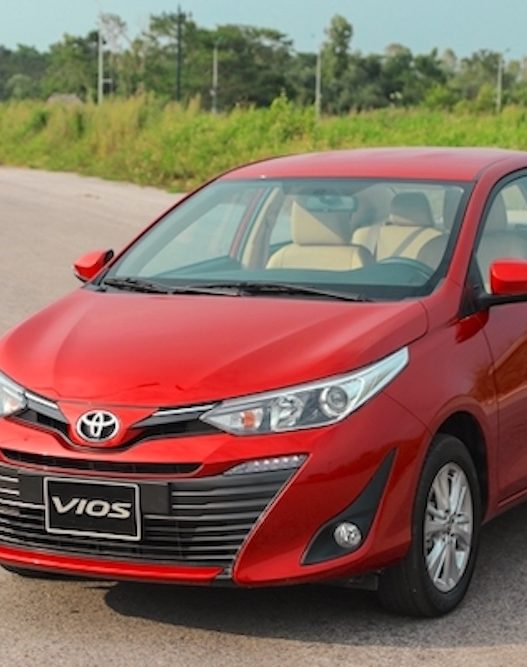




1986. It was a year when the streets were bathed in yellow, and Filipinos got their freedom back after ousting a dictator. It was also around the same time when the Philippine automotive industry started rebuilding after most carmakers left at the height of martial law. From just a handful of brands then, today, the Philippines is home to close to fifty.
This story though isn’t about sales numbers and market share—that’s something best told another day. Instead, this is about the car itself. It’s amazing how these four-wheeled form of transportation managed to transform itself in such a short span of time. Here are 10 ways cars have changed in just 40 years.
1. Replacement for Displacement
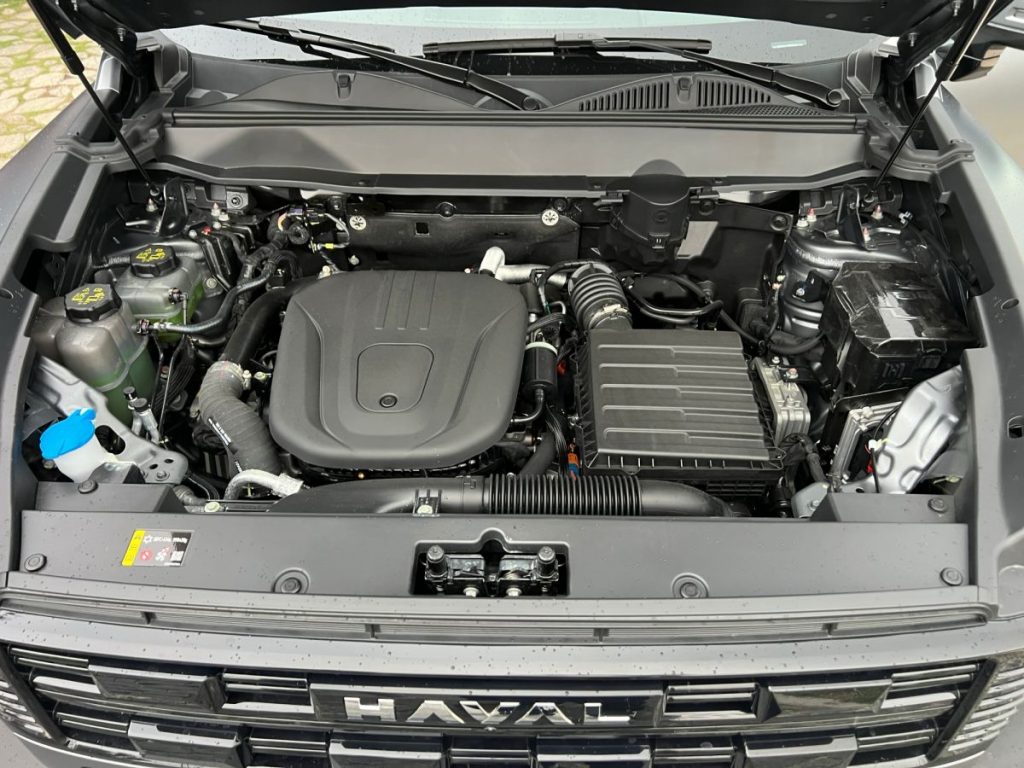
In 1986, a vast majority of cars relied on the carburetor—a mechanical device that mixed air and fuel in an appropriate ratio for combustion. Today, that technology has been relegated to the realm of classics as carmakers all moved on to computer-controlled EFI or Electronic Fuel Injection in the late 1990s to Direct Injection (DI) and turbocharging today. With that, modern engines are power dense with 1.5-liter engines capable of generating close to 200 horsepower while still being more environmentally-friendly and fuel efficient than ever before. Oh, and in case you’re wondering, leaded gasoline was also phased out before the millennium. Carmakers aren’t stopping there either. The adoption of electrified vehicles has accelerated so much thanks to carefully targeted legislation. Today, most brands offer at least one in their line-up. One day, it could result in even smaller engines—so small that they can fit one on each axle, or each wheel that make tremendous amounts of power while emitting no emissions.
2. Stopping in Time
Of course, if cars have much more go, they have to have better brakes to match. Forty years ago, disc brakes were seen as “sporty”; today, they’re pretty much standard even in entry-level cars. Today’s cars brake harder and brake sooner giving drivers better confidence during challenging weather conditions. Technologies such as anti-lock brakes or ABS are now commonplace. A trend that most people didn’t see coming though is the popularization of electronic parking brakes or EPBs. Replacing traditional hand or foot brakes, EPBs prevent accidents from unwanted or unexpected rolling (they can even be programmed to engage automatically when the car’s switched off). EPBs also gives added conveniences such as automatic brake hold which holds the brake pedal automatically for the driver. This lessens stress when driving in stop and go traffic.
3. A Rite of Passage
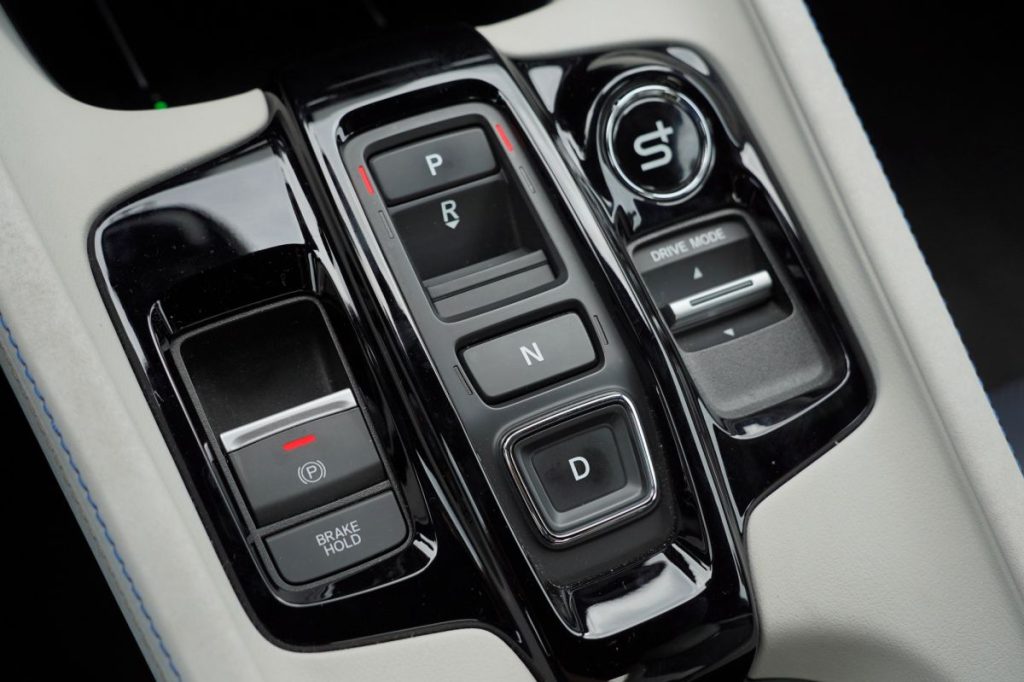
If there’s one thing traditional car enthusiasts will miss in today’s cars, it would be the manual gearbox. In 1986, almost all vehicles came with three pedals and a shifter that read, 1-2-3-4-5 be it a compact sedan, an executive sedan, or even a luxury SUV. Instead, it uses torque converters, CVTs, or dual clutches to optimize performance. Whatever the case, thanks to the comfort, convenience, and improved efficiencies of the automatic, almost all cars have two pedals and a shifter that reads, P-R-N-D. Many new drivers don’t even bother learning the intricate foot work. In fact, it’s now just considered “a rite of passage” as opposed to “a requirement for driving.” Sure, the manual gearbox is still around, but they’re typically relegated to niche enthusiast cars.
4. Whose Handling is It Anyway?
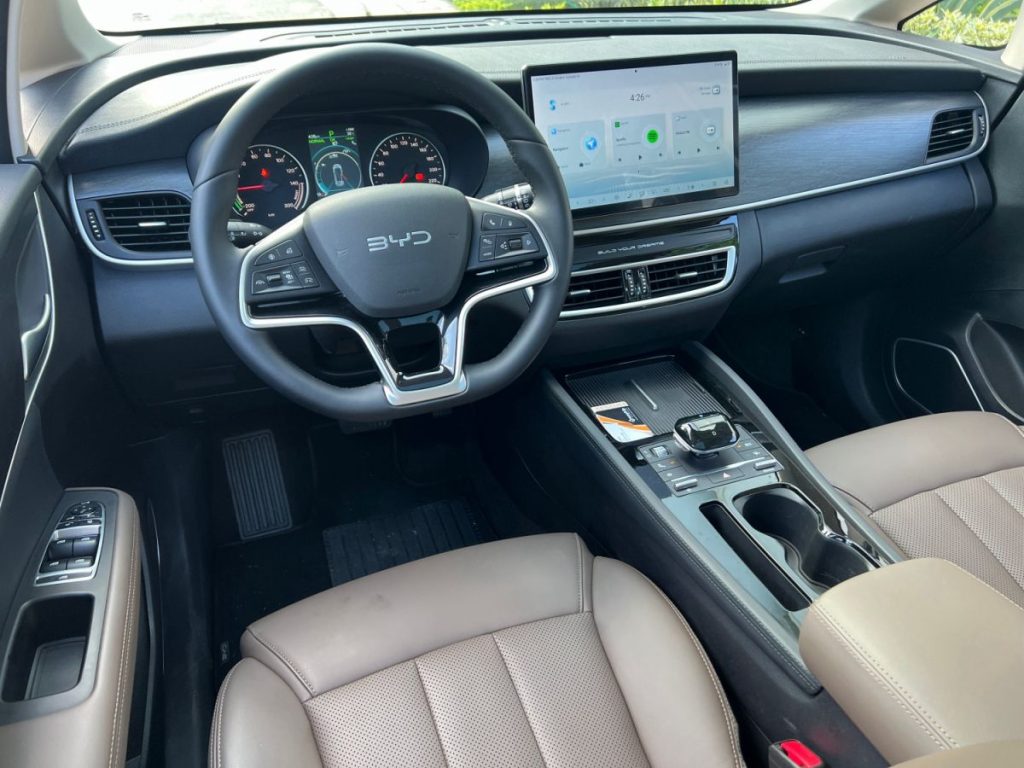
Advances in computer technology mean cars of today offer a much more digitized driving experience even if drivers don’t realize it. The first to go was cable-linked throttles (they’re now mostly drive-by-wire). Then, hydraulic power steering (something not even standard in 1986) went out the window, and was replaced by electronic servos that loosened or tightened the steering based on speed. Today, most cars have computers connected to sensors that can regulate the throttle, or even apply brakes with varying force on each wheel to help drivers stay in control. This is basically the role of the stability and traction control systems. Moreover, some cars today go so far as to read the road conditions, and stiffen or soften the ride either using magnetic filaments or air pockets stored in the dampers.
5. Height Matters
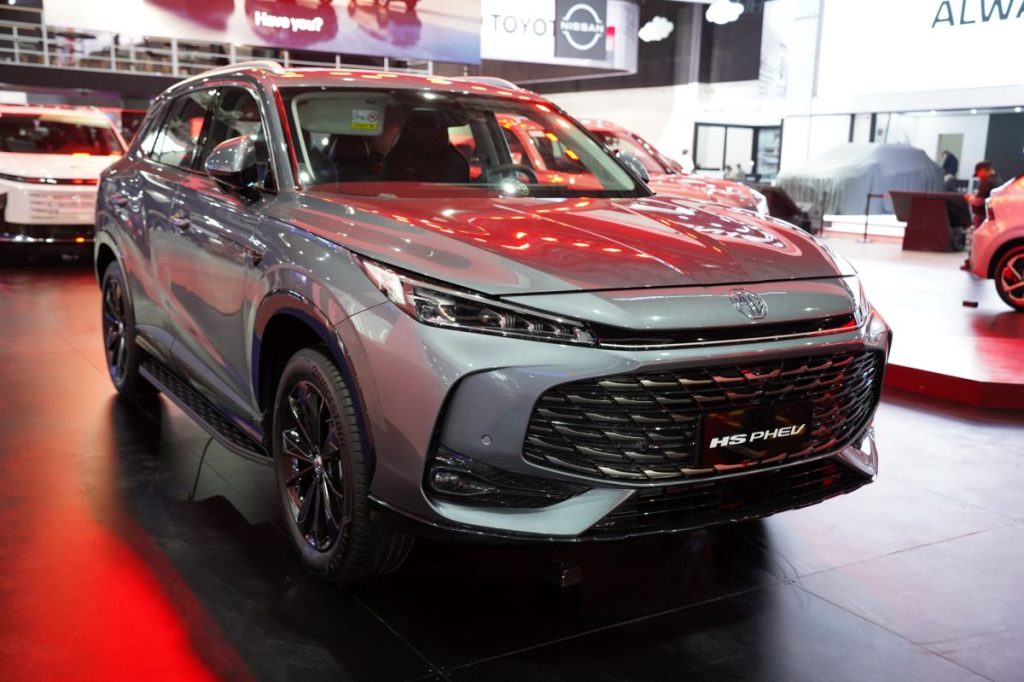
In the late 1980s to the early 2000s, passenger cars made up the bulk of sales. Compact sedans (and then sub-compact sedans) were often seen as the backbone of the industry, becoming the choice of families for their mobility needs. SUVs? Pickups? They’re often seen as a necessity for people who need something for work. Then came the Asian Utility Vehicle which boomed in popularity in the 2000s thanks in large part to legislation hat supported them as the “people’s car.” As vehicle excise tax shifted to a value-based system, the AUV gave way to pickup-based passenger vehicles (PPVs) and pickup trucks. Since then, buyers kept their penchant for tall, “baha-proof” vehicles. Today, crossovers have taken over the role as the modern family car.
6. Parking’s a Breeze
In the late 1980s to the early 2000s, if you wanted to park your car, you had to rely on your senses. Your tancha meter had to be tuned to make sure you’ll avoid anything within your immediate vicinity. Now, while having good spatial sense is still invaluable, cars have a variety of sensors to prevent or mitigate crashes from happening. Sonar parking sensors were once equipped only in large high-end SUVs, but soon made their way even to small entry-level cars. After that, came the cameras—first pointed at the back, and soon, it was all around. If that wasn’t enough, some sensors are smart enough that’ll warn you if there’s an object that you might have missed. Some will even automatically engage the brakes when it detects a collision is imminent.
7. Powered This, Automatic That
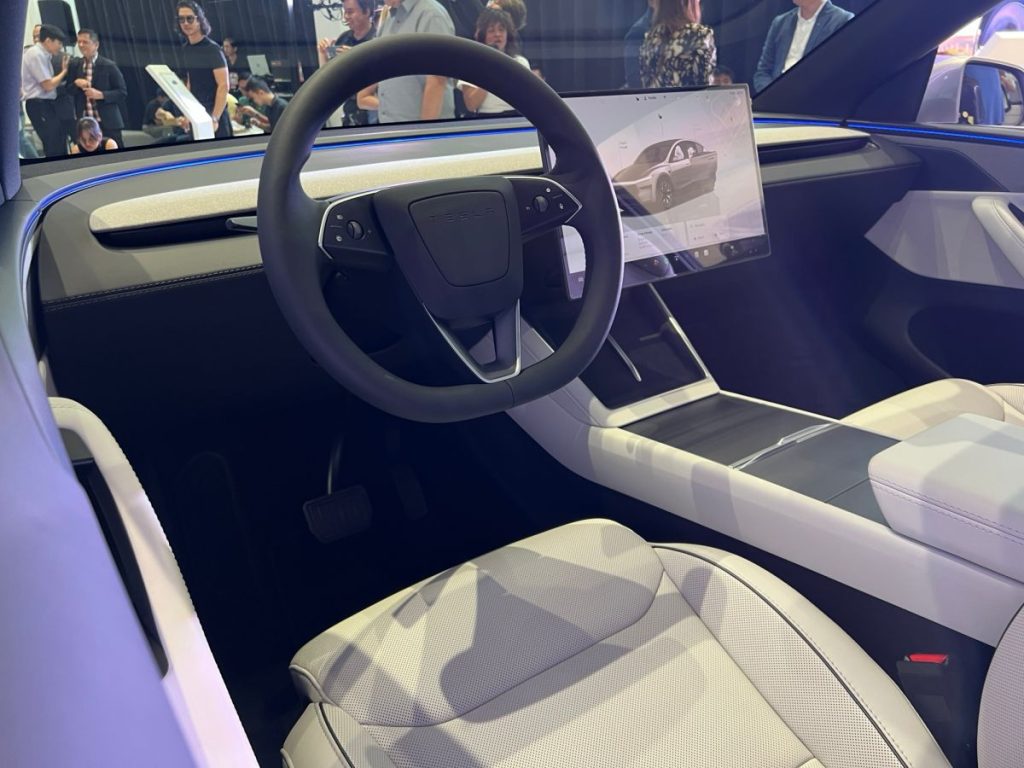
The simplicity of cars in the late 80s can be underscored by the fact that some carmakers proudly made badges or stickers that said, “power steering.” Today, power assisted steering is pretty much commonplace. The same can be said about power adjustment for the doors, windows, and mirrors as well. And while the power retracting antenna has bitten the dust (they’re now printed in the rear glass) you’d be surprised to know that a lot more cars today are fitted with power seats. You can even go further and include things like a powered sunroof, automatic climate control, automatic dimming rear view mirrors, light-sensing headlamps, and rain-sensing wipers. Basically, the modern-day driver can concentrate on doing just one thing: drive. It’s no wonder why some young ones are easily distracted by their mobile phones.
8. Connectivity is King
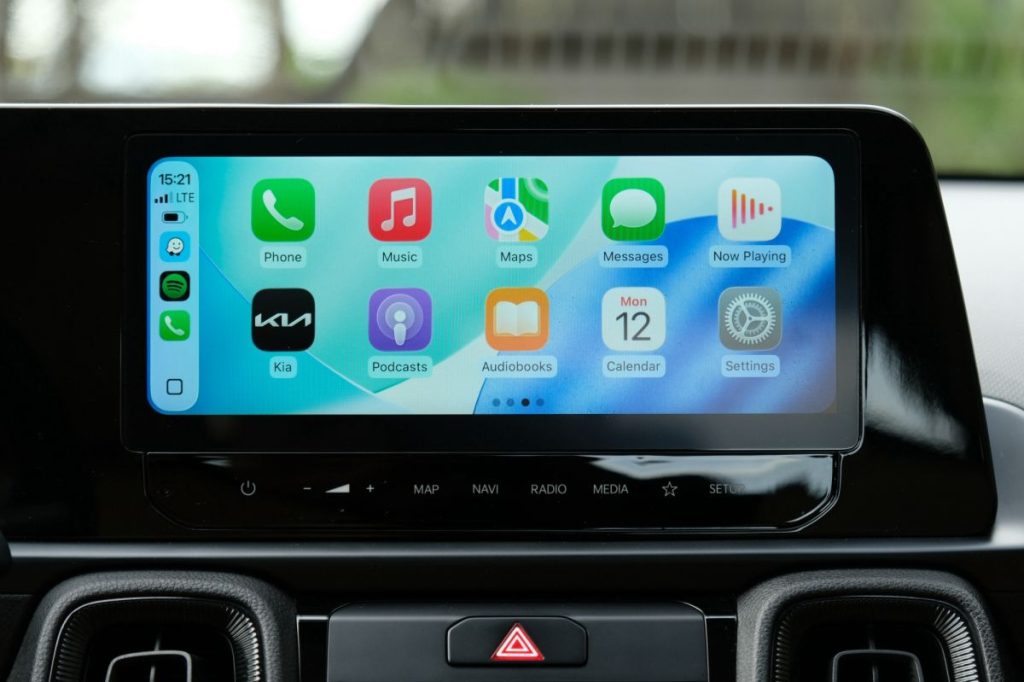
This brings up the next piece of technology: in-car connectivity. With vehicles now automating a lot of functions, drivers find themselves with spare brain and muscle power to do some multitasking like calling a girlfriend, scheduling an appointment, or calling a girlfriend to schedule an appointment. That’s why more cars tout advanced smartphone connectivity like Apple CarPlay and Android Auto. It’s funny because these features weren’t even considered as “must-haves” five or even four years ago. At the time, a simple Bluetooth connection was all that’s needed. Before that, USBs and even aux jacks were the only connectivity options. And before that, it was CDs and cassette tapes. Before, you were “sikat” if your car had a CD changer. Today, it’s all about sharing your road trip Spotify playlist.
9. Trust the Machine
It’s already 2026 and sadly, you still can’t get a car that drives itself (although some carmakers have come pretty darn close). But before it gets the regulatory stamp of approval, their various learnings have made modern cars semi-autonomous. Have a difficult time parking? Well, there’s an automated system for that. On the highway a lot? Your car can maintain a preset distance and speed for you—heck it can even keep your car in lane too. Today, these are realities, but taken from the perspective of the 80s, where computing power can barely run the first version of Windows, these technologies truly seem like science fiction.
10. Tap This, Swipe That
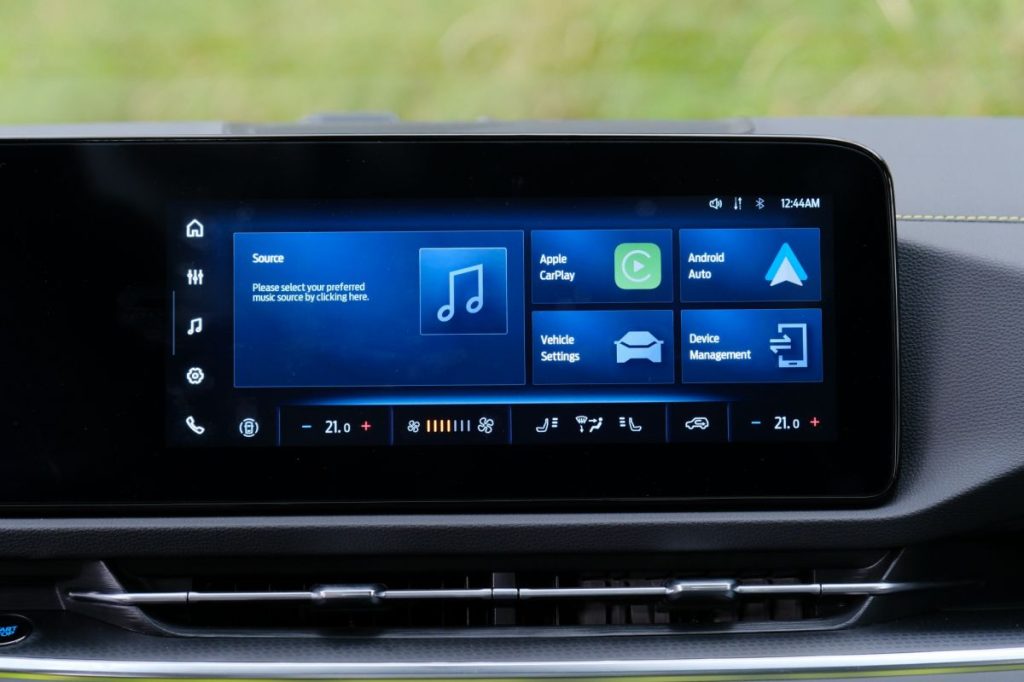
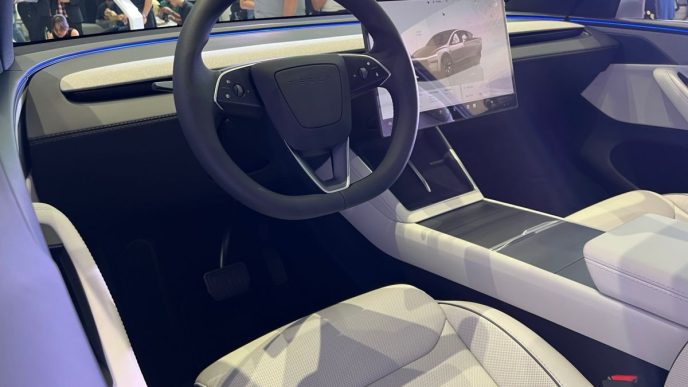
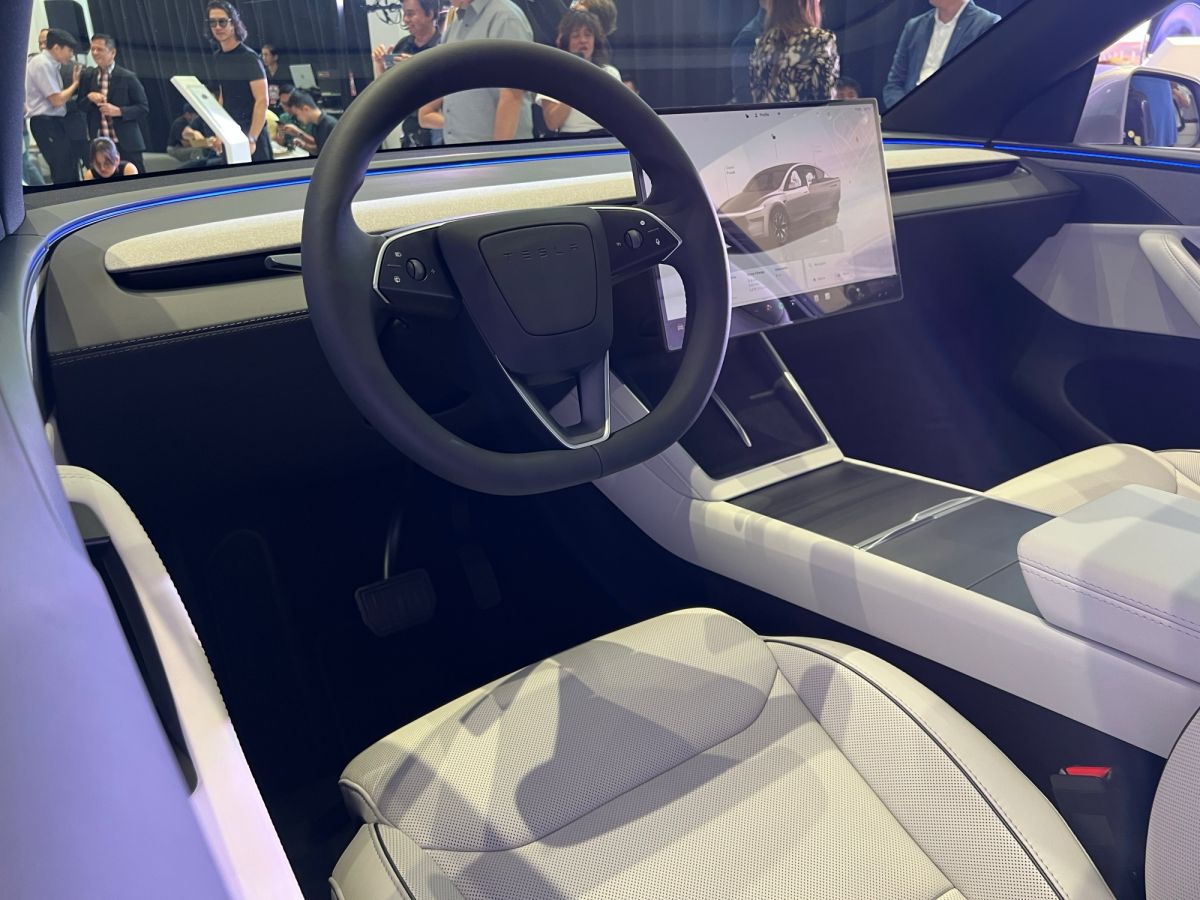
Forty years ago, every single interface you had with the car was mechanical. The gauges were mechanical (including the trip and odometer), and sometimes even the radio had a mechanical display (sorry, no automatic tuning then). Then single line displays, in single color and multi-color displays made it to the audio system. You were the epitome of cool when you had a graphic equalizer back then. From there, customizable displays and touchscreens quickly made their way from laptops to smartphones to car displays. Today, in many cars, you change radio stations or pick tunes by tapping or swiping on a screen—an action once done solely on mobile phones. In a few, you can go as far as changing the entire display to match your mood or preference. It’s literally like Star Trek nowadays.