



There are many choices on today’s market for an electrified vehicle, and the Chinese automakers offer plenty. One brand that has been in our market for much longer than the likes of BYD is MG Philippines, which has undergone a dramatic transformation ever since it became a direct subsidiary of its parent company, SAIC Motor.
At an intimate media drive event, the automaker showed off a handful of its newest electrified offerings, including those that were shown off at the 2026 Philippine International Motor Show last June. I was assigned to the MG ZS Hybrid+ for the leg going to our destination in Pampanga, while the drive back was taken care of by the MG G50 PHEV.
These two models are slated to be arguably quite popular with buyers, as the ZS Hybrid+ is a compact crossover that’s priced at Php 1,248,888 (as of this writing), and the G50 PHEV is a fairly large six-seater MPV that goes for Php 1,398,888 (as of this writing).
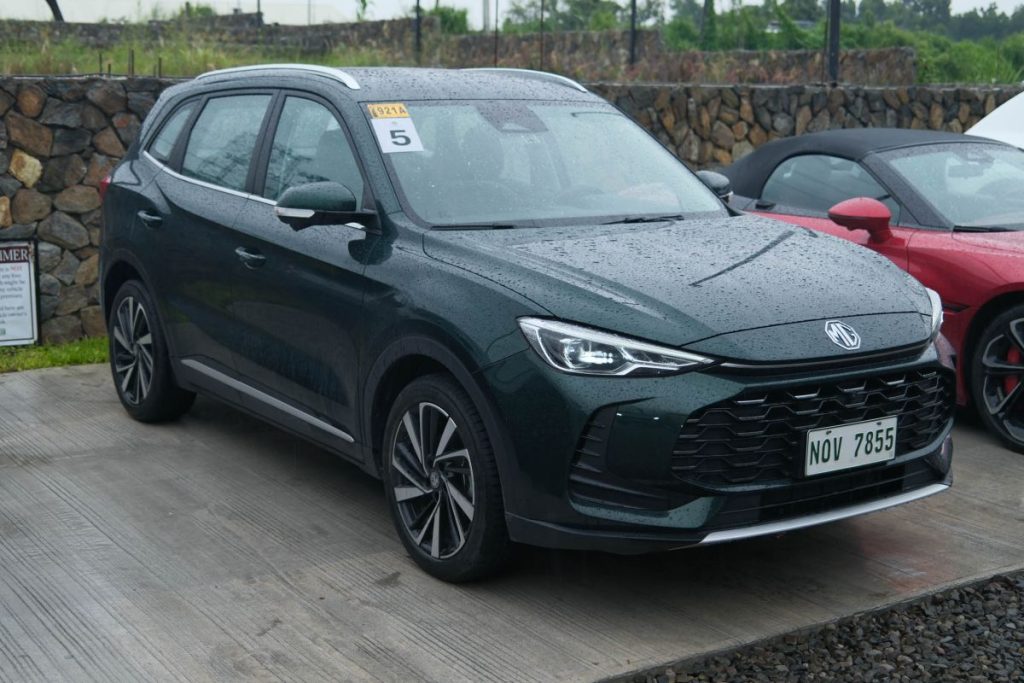
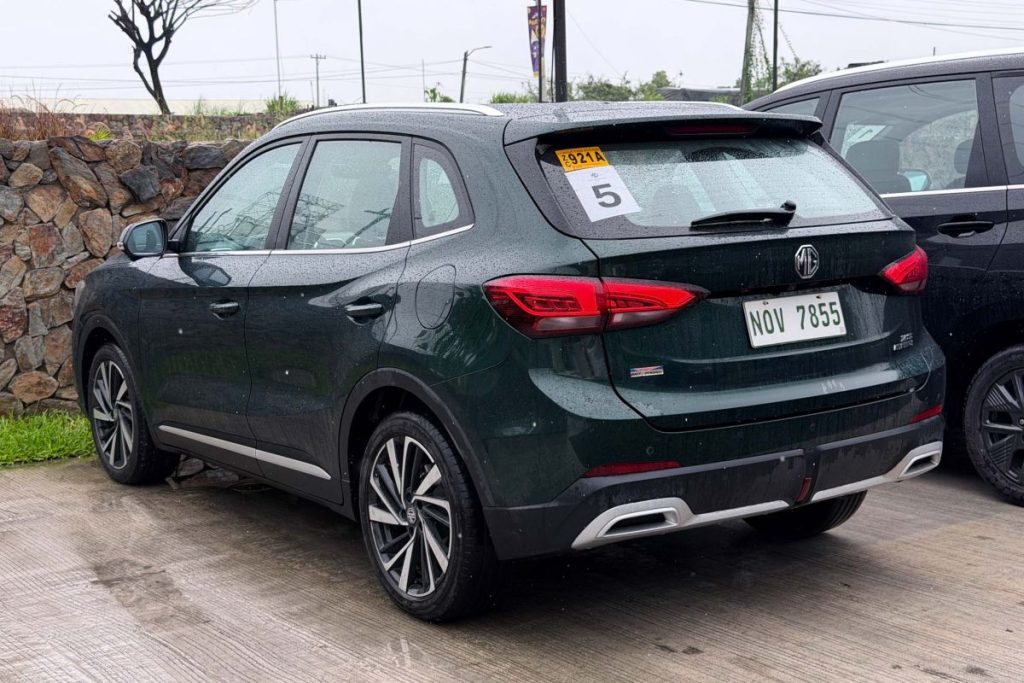
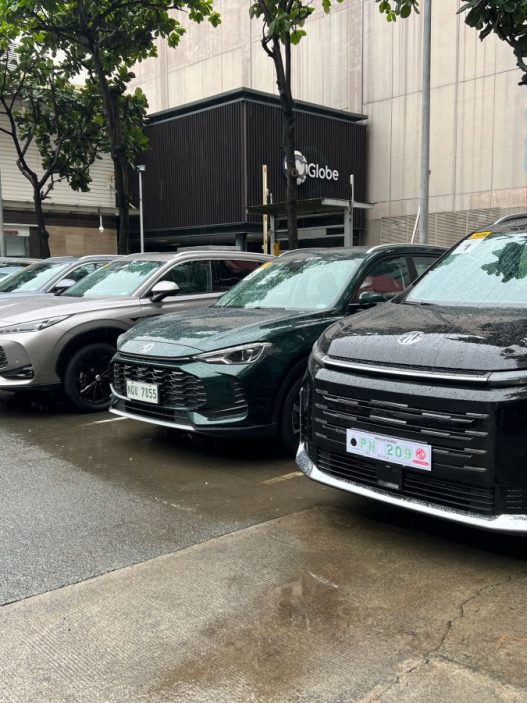
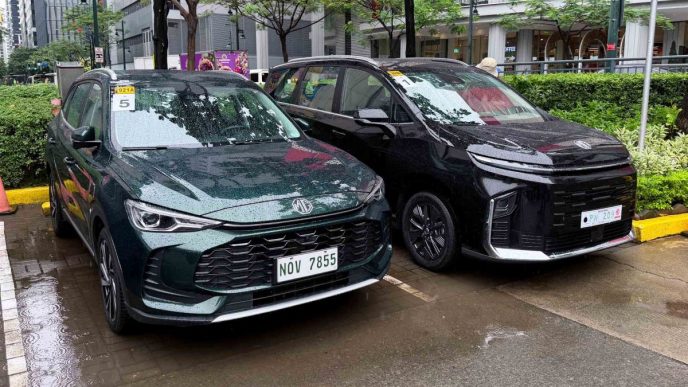
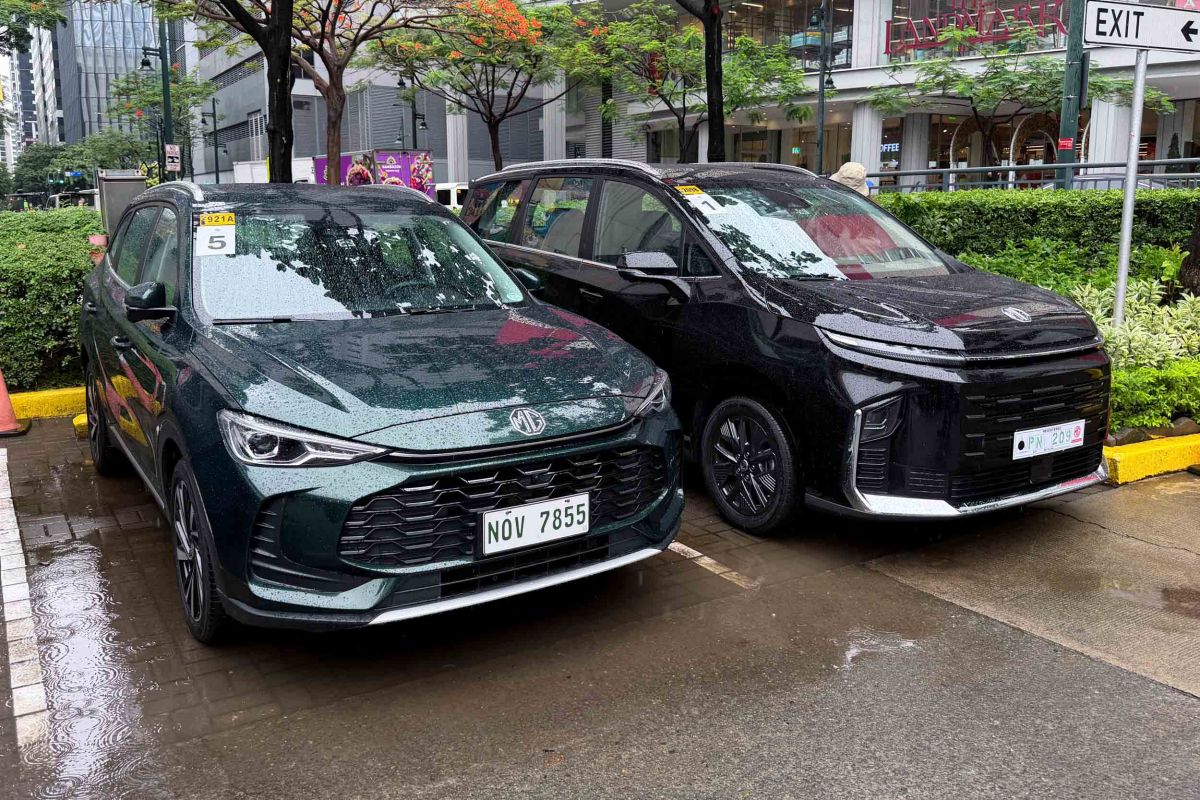
The ZS Hybrid+ is a stylish-looking crossover, especially with its exclusive paint job of Emerald Green Metallic, its two-tone 18-inch alloy wheels, and the new design language that makes it look more modern compared to its predecessor.
A rainy Wednesday morning greeted us, making the drive out of Metro Manila an incredibly chaotic one thanks to the insane levels of rush-hour traffic. But for the MG ZS Hybrid+, the experience was a fairly cushy one.
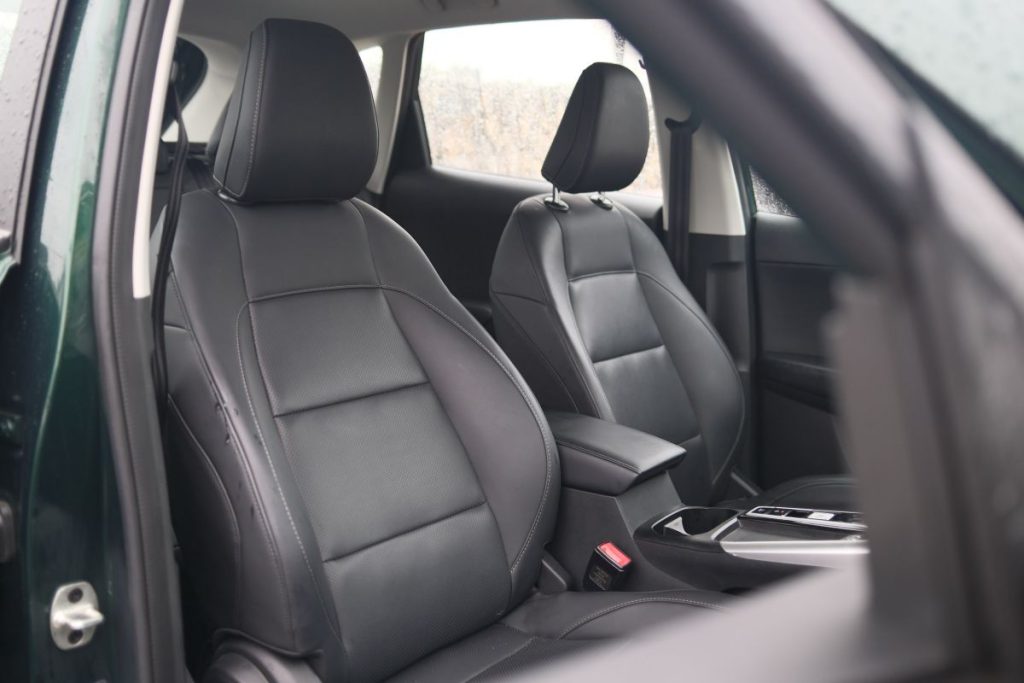
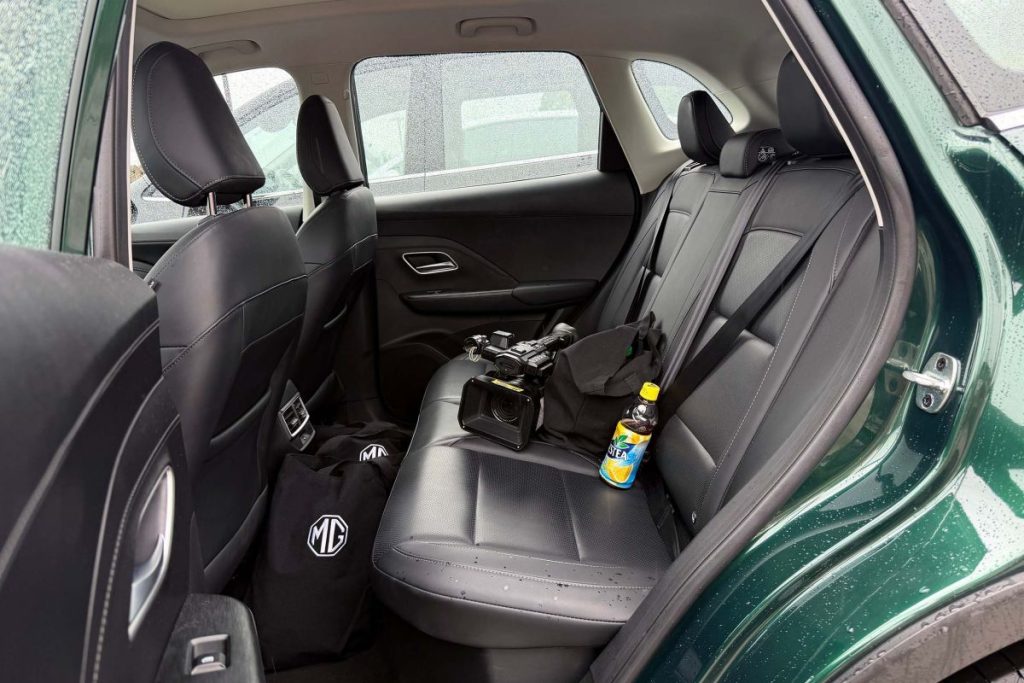
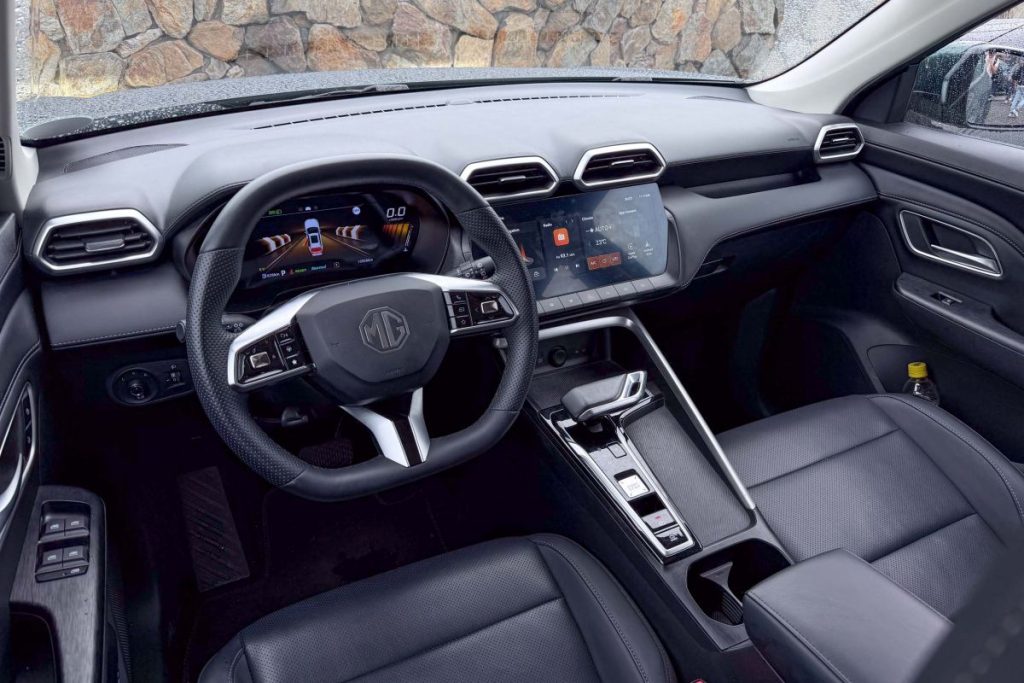
The cabin was comfortable, with synthetic leather-appointed seats and soft-touch materials adorning the dashboard. As a passenger, there was a decent amount of space for my 5’10” frame, but the seat was fairly high up with no height adjustments to speak of; however, four fully grown adults were comfortable for the first leg of the journey.
The 12.3-inch infotainment screen, while nice and bright, was full of “Chinglish” (poorly translated English) options that made it slightly confusing to operate, but we opted to leave it in Apple CarPlay for our entertainment, with sound piped through the so-so speakers.
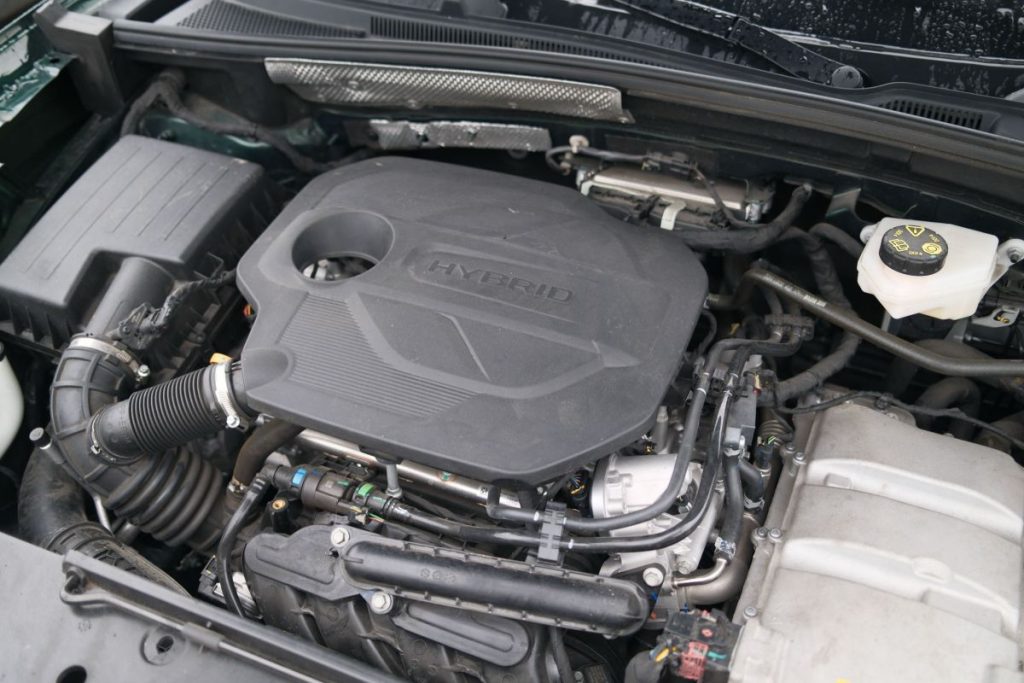
Within the heavy traffic of the city, this is where the ZS Hybrid+’s series-parallel hybrid system shines. The 1.5-liter, four-cylinder gasoline engine is paired with an electric motor, but the larger-than-usual 1.83 kWh NCM battery allows it to stay in EV mode more often than other hybrid competitors.
The drive remained fairly quiet and composed within the city, and the car’s reasonable dimensions allowed it to comfortably move through traffic—a perfect use case for a crossover like this.
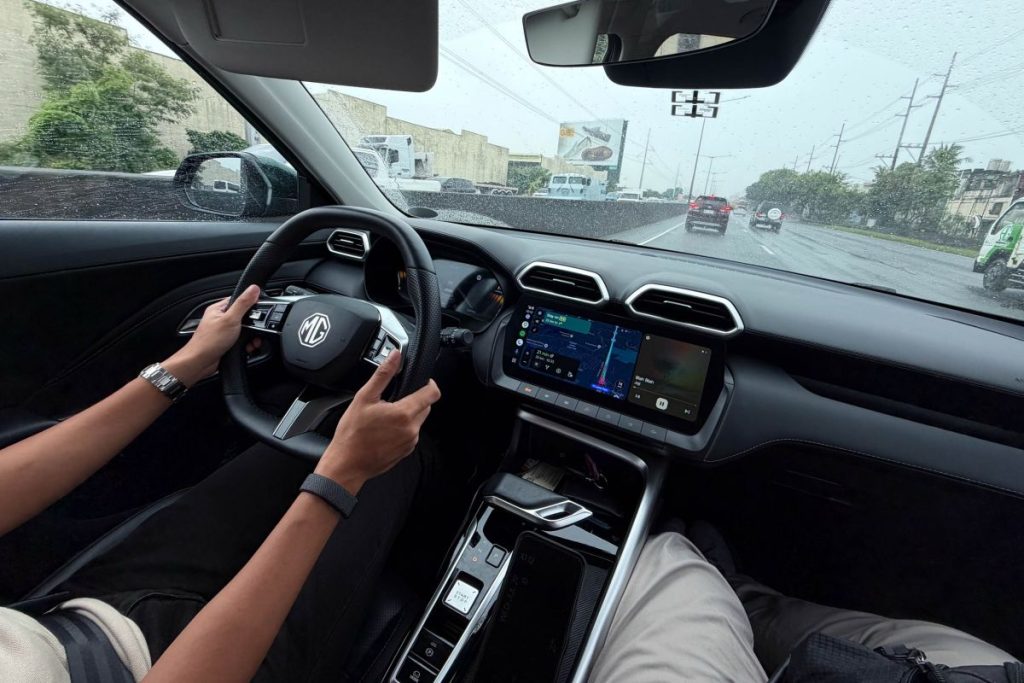
Once we hit the expressway, the MG ZS Hybrid+ turned into a fairly peppy driving experience. With about 197 horsepower and a maximum of 250 Nm of combined torque on tap, overtakes were a breeze.
Steering feels boosted and artificial, but stable enough not to upset the car with quick movements. It was raining fairly hard, so the sound of raindrops on the roof was louder than most of the tire noise you’d hear, but it’s to be expected during conditions like these.
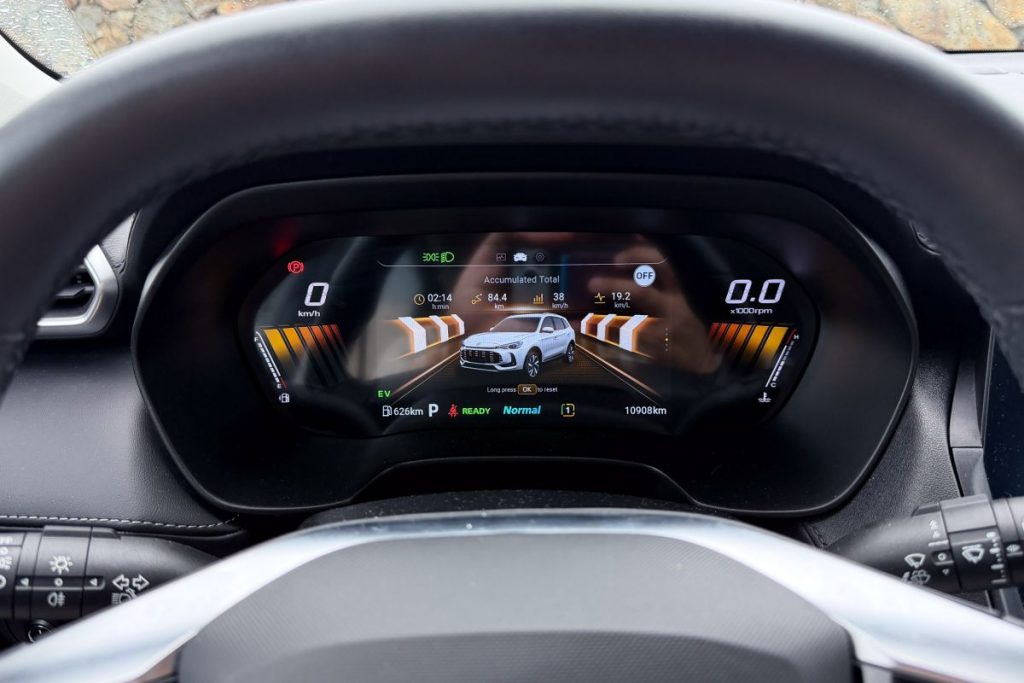
The MG Pilot advanced driver assistance system did prove to be helpful at times, especially with the adaptive cruise control functionality. However, the lane-keeping assist and traffic sign recognition, which provide a speed warning if you’re over the limit, were not very accurate and proved to be slightly annoying. The 360-degree camera does help a lot, especially on the likes of the larger G50 PHEV.
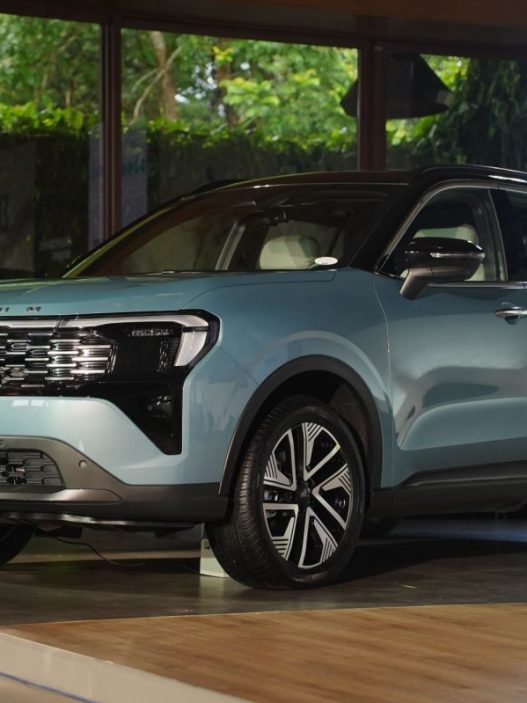
As for the G50 PHEV, this is a fairly interesting proposition. It’s a familiar-looking model that used to be called a Maxus G50, but the plug-in hybrid powertrain has breathed new life into the six-seater MPV.
This essentially makes it the only plug-in hybrid MPV currently being sold in the Philippines, with the likes of the BYD eMax 7, which is an EV, and the Toyota Innova Zenix being a hybrid MPV.
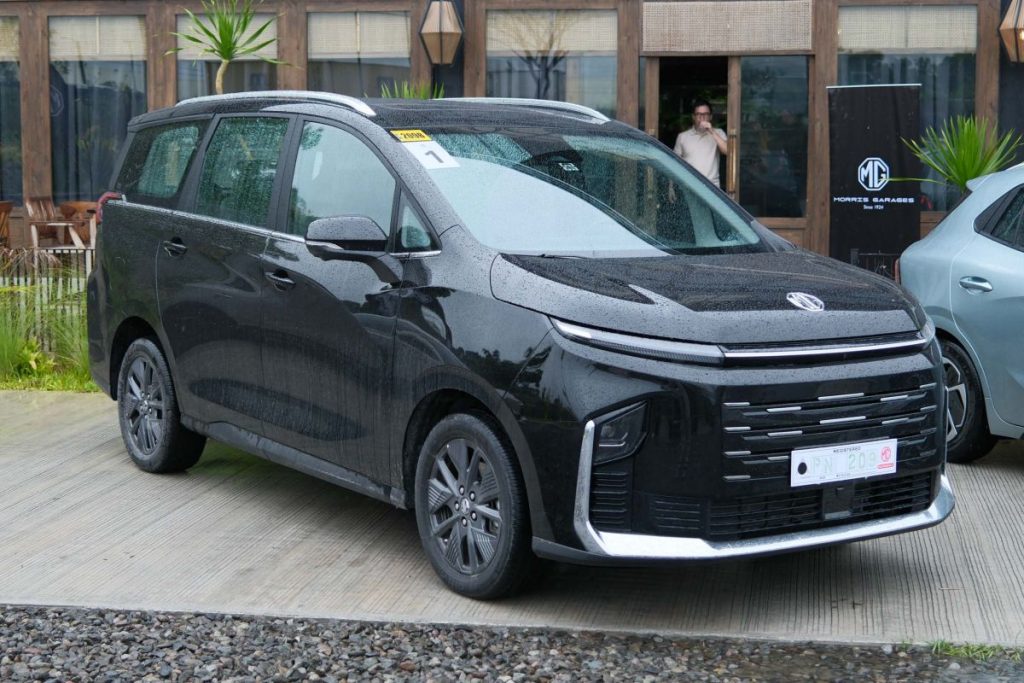
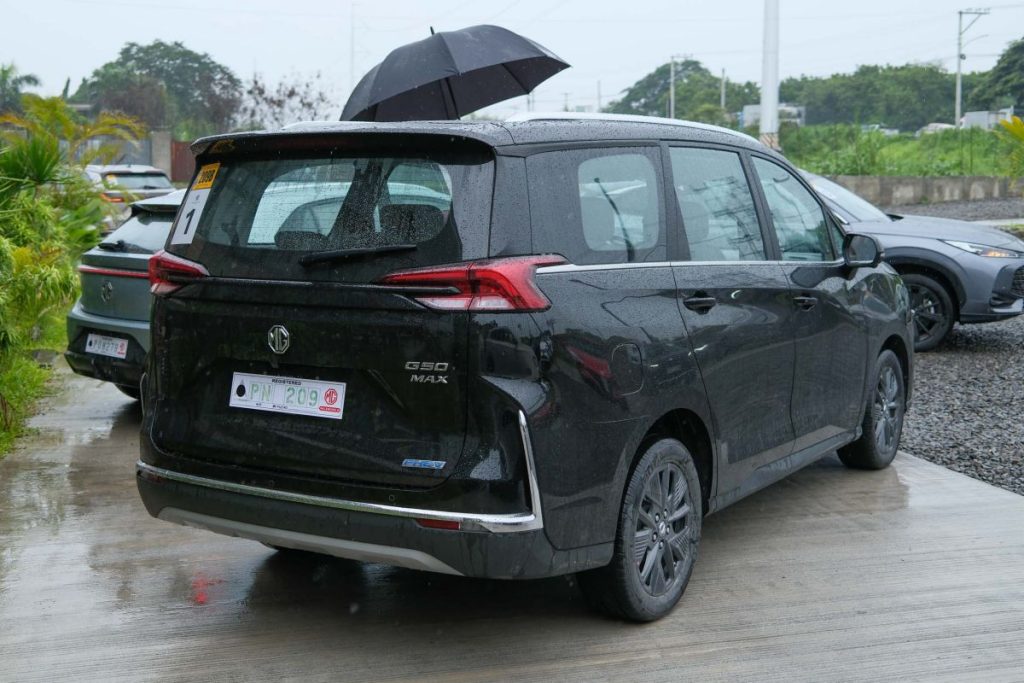
Sporting a rather futuristic front end with a slim LED DRL light bar, a closed-off grille, a rather large MG badge on the hood, blacked-out 17-inch alloy wheels, and a familiar rear end.
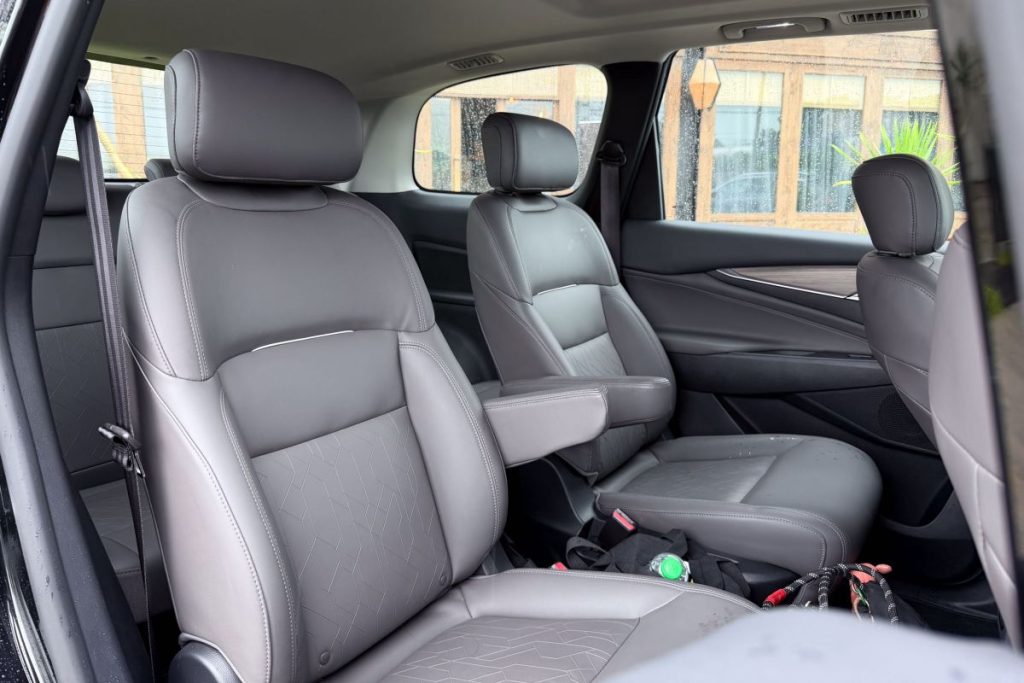
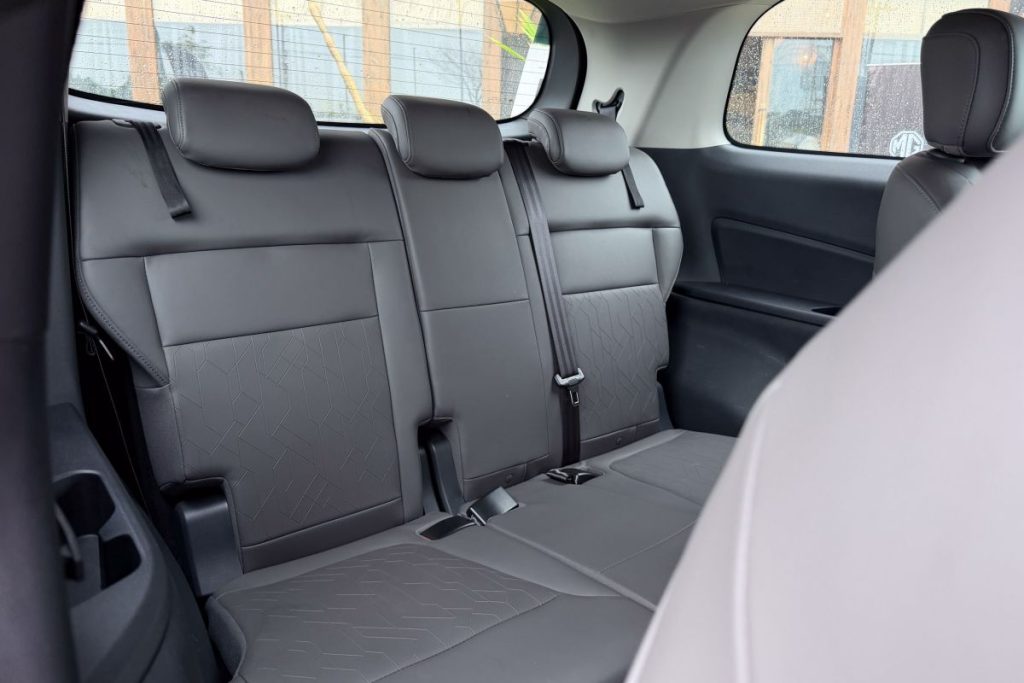
In terms of amenities, there are three rows of seating with two captain’s seats in the middle, a power tailgate, and a panoramic sunroof. But I wouldn’t be experiencing any of that, as I was the designated driver for the leg back.
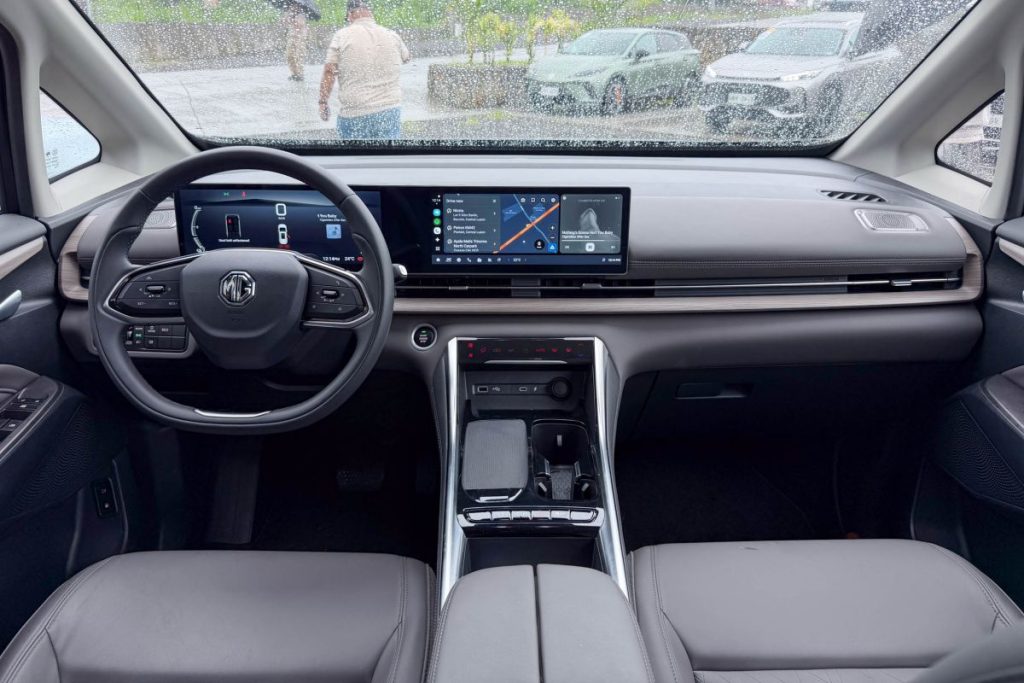
And drivers shouldn’t be worried, as the front is pretty well equipped to begin with. Power adjustments for both front seats, two 12.3-inch screens are at your disposal for your digital driver’s display and infotainment screen, six good-sounding speakers, a wireless charger, and automatic climate control.
The infotainment screen had a fairly different UI that was faster to use, and it did support wireless Apple CarPlay and Android Auto; however, it was fairly buggy and kept on disconnecting from my phone up until we made it into the Skyway, where it stayed connected (thankfully) for the rest of the trip.
But you’d be genuinely surprised at how well this car rides and drives. The plug-in hybrid powertrain uses a 1.5-liter, four-cylinder gasoline engine and a gutsy electric motor that produces up to a generous 299 horsepower and 280Nm of torque.
That’s needed for an MPV that’ll most likely be fully loaded, but with a fairly light load of two passengers and a handful of bags, it drove through the expressway with ease. Power delivery isn’t “whack-you-into-your-seat” levels of fast, but enough to move the large van without any complaints, and overtaking is an easy affair.
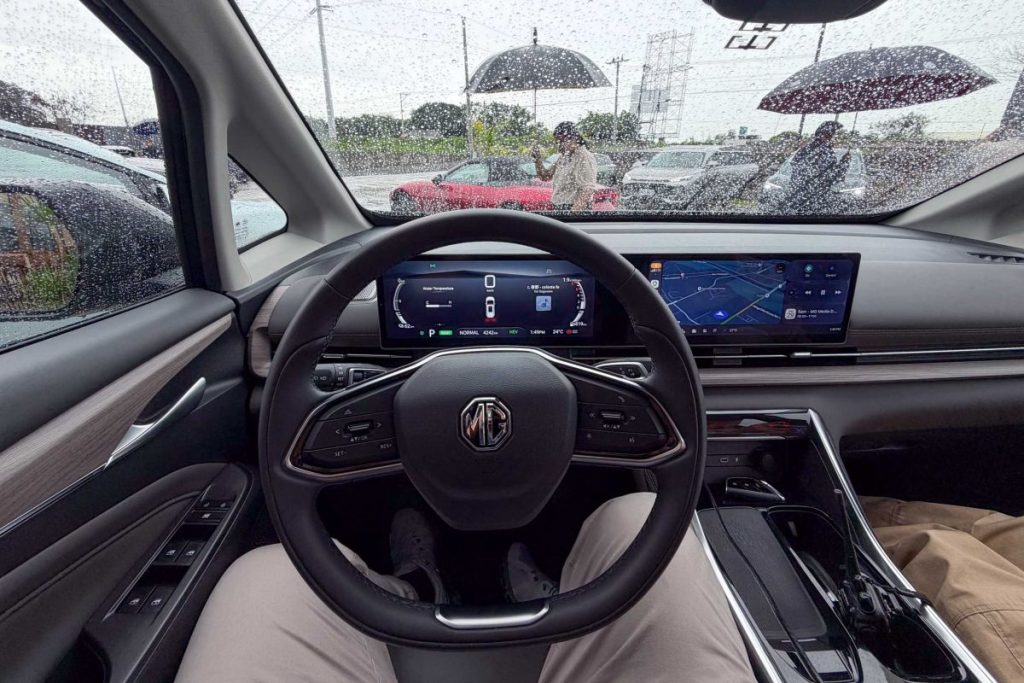
What was more surprising is how well sorted out the ride was. It was fairly stable for its size, and it absorbed the road imperfections and various undulations in NLEX without upsetting the cabin at all, but body roll is quite perceivable in curves and turns.
Granted, the tires do get fairly noisy on the road, but the experience was incredibly comfortable that my carmate managed to fall asleep with ease, making it perfect for family road trips. Plus points for the 360-degree camera making navigating within the city less of a hassle.
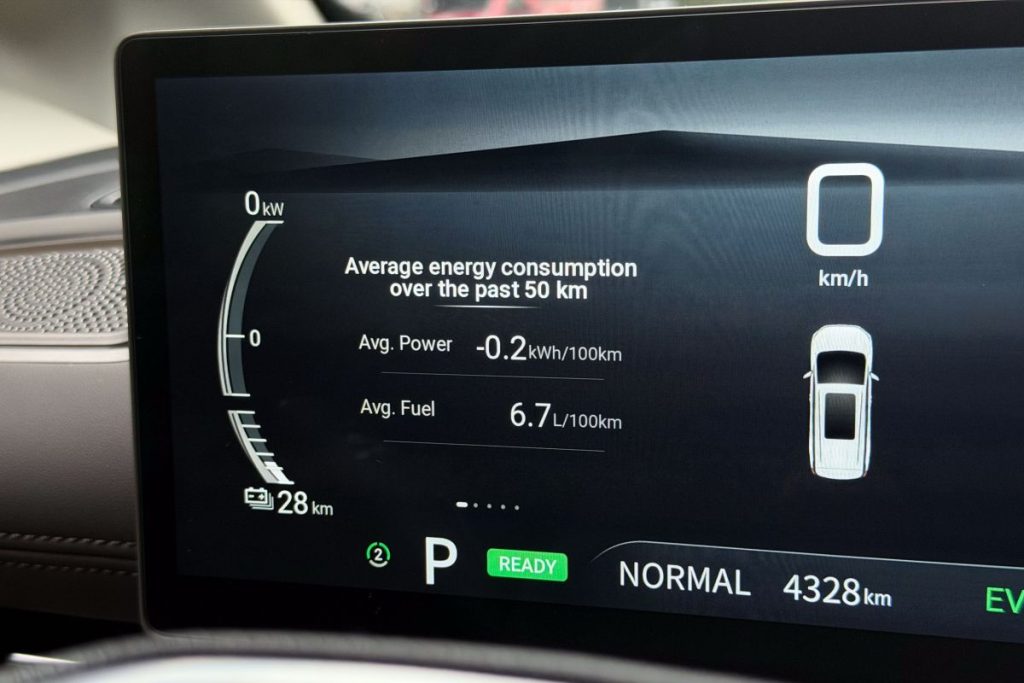
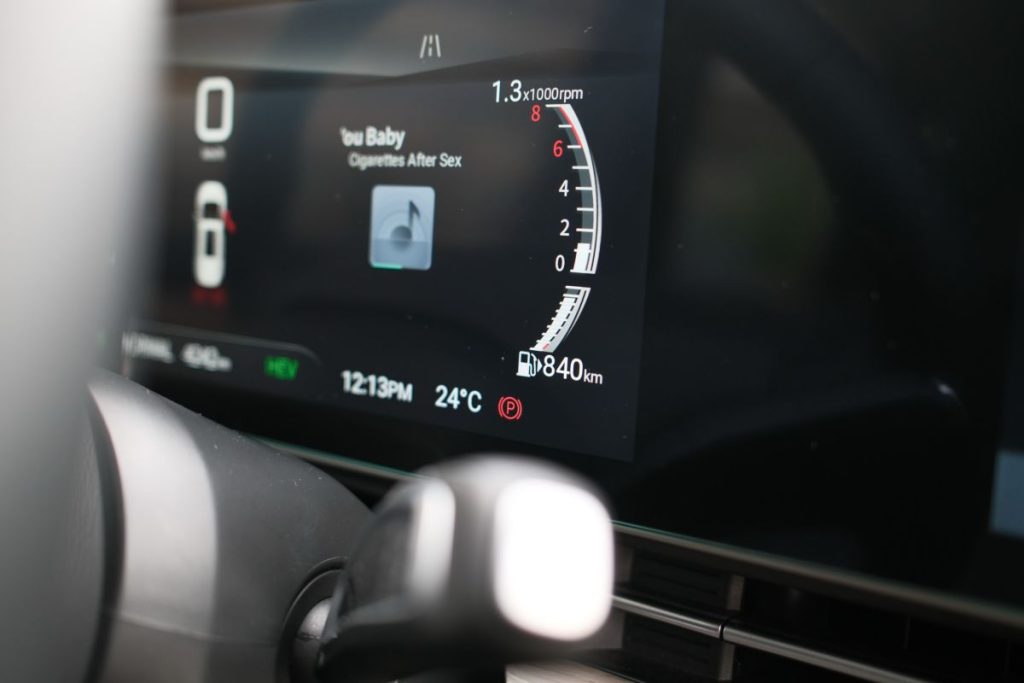
This could theoretically do up to 1,415km combined gas and electric range, and it’s capable of up to 95km (NEDC) of pure electric power from its 18.65kWh LFP battery. Recharging is done via a Type 2 AC charging port at speeds of up to 6.6kW, but it’s also possible for the vehicle to self-charge at rates of up to 11kW when parked.
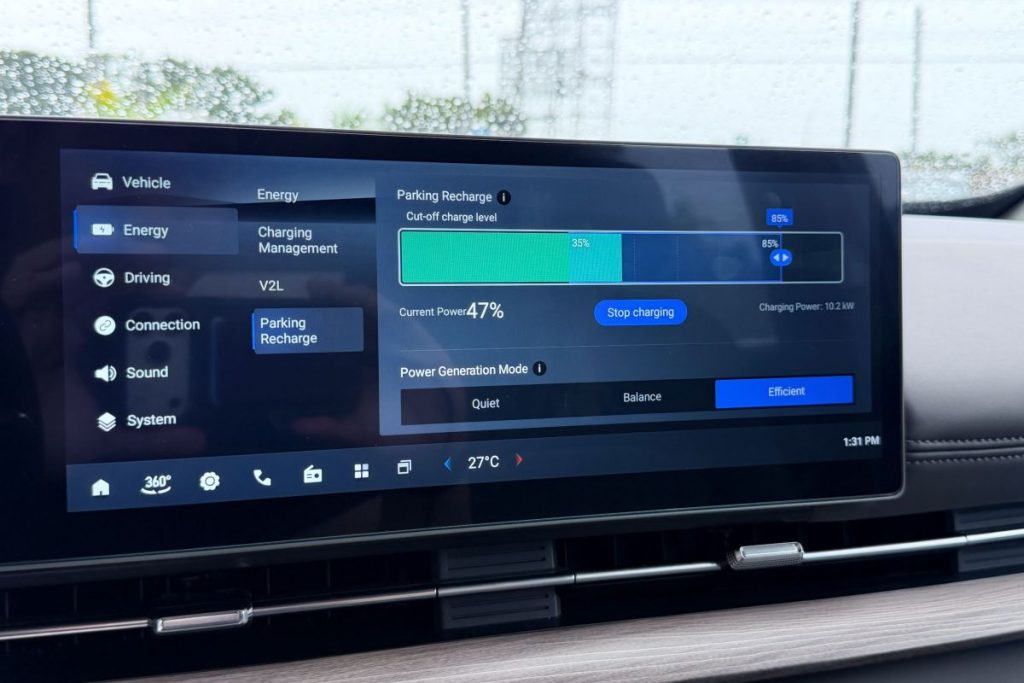
And you’ll want to dig through the rather confusingly translated menus to access the Intelligent Hybrid mode, which allows the car to drive as a proper hybrid and manage the charge levels properly, instead of the Pure Electric or Mandatory Power Maintenance modes, which can both affect fuel economy once the need to recharge arises.
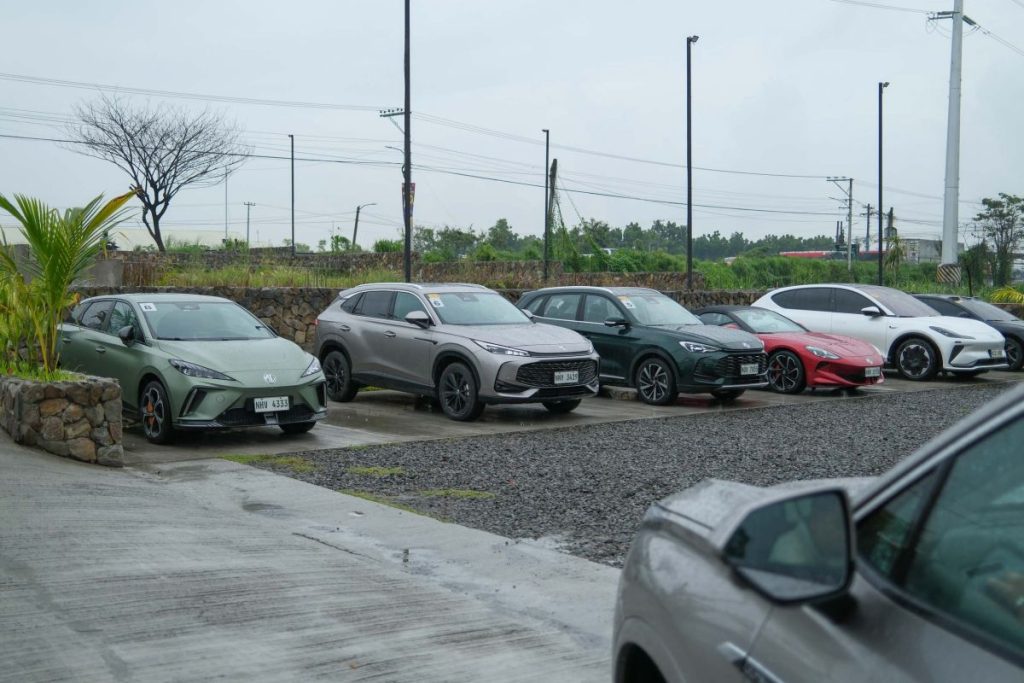
And while these may have been short drives, they were more than enough to offer a glimpse of their capabilities of what these two cars have to offer, especially with MG’s different forms of electrification at hand at different price points.