



Suzuki may have the Jimny, but the brand has also built a reputation for making small cars that are memorable to drive. Remember the Swift? The fuel-efficient Celerio? Or the entry-level S-Presso? These cars shaped my expectations for Suzuki’s first electric vehicle. I thought Suzuki would introduce another small car, but earlier this year, the Japanese automaker revealed something bigger.
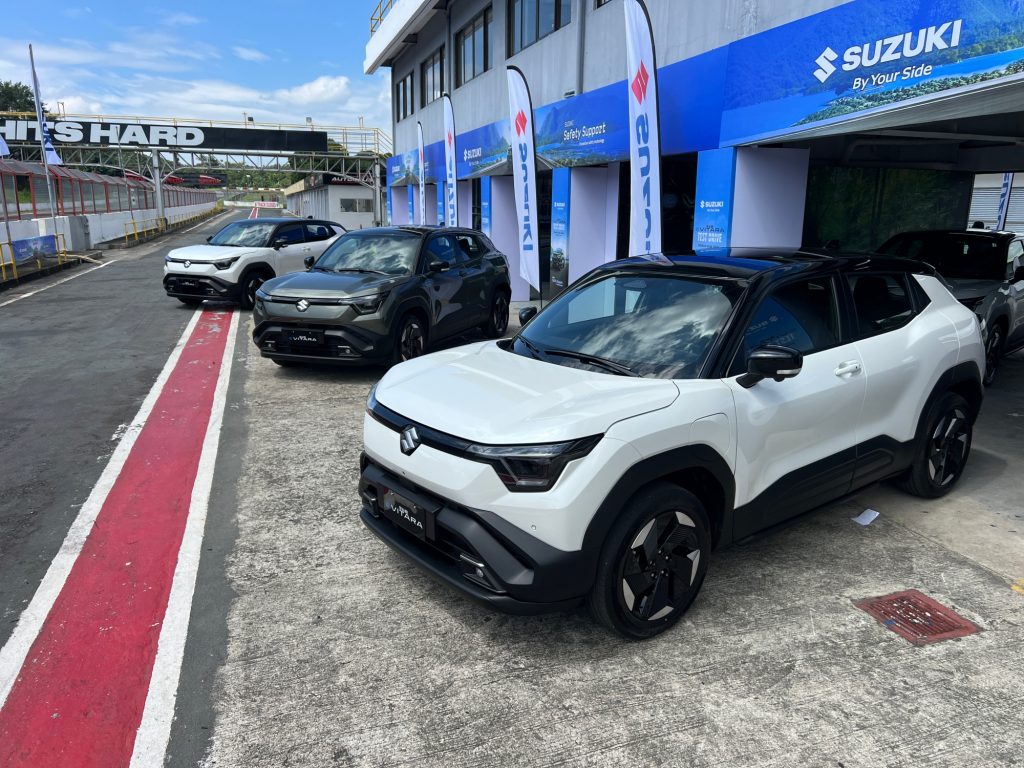
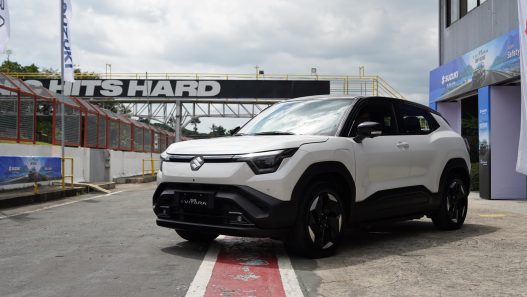
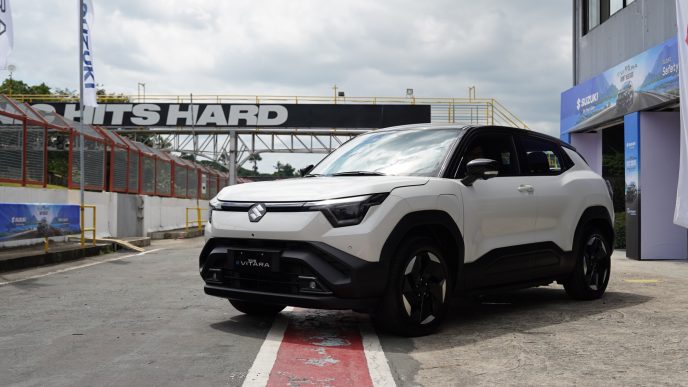
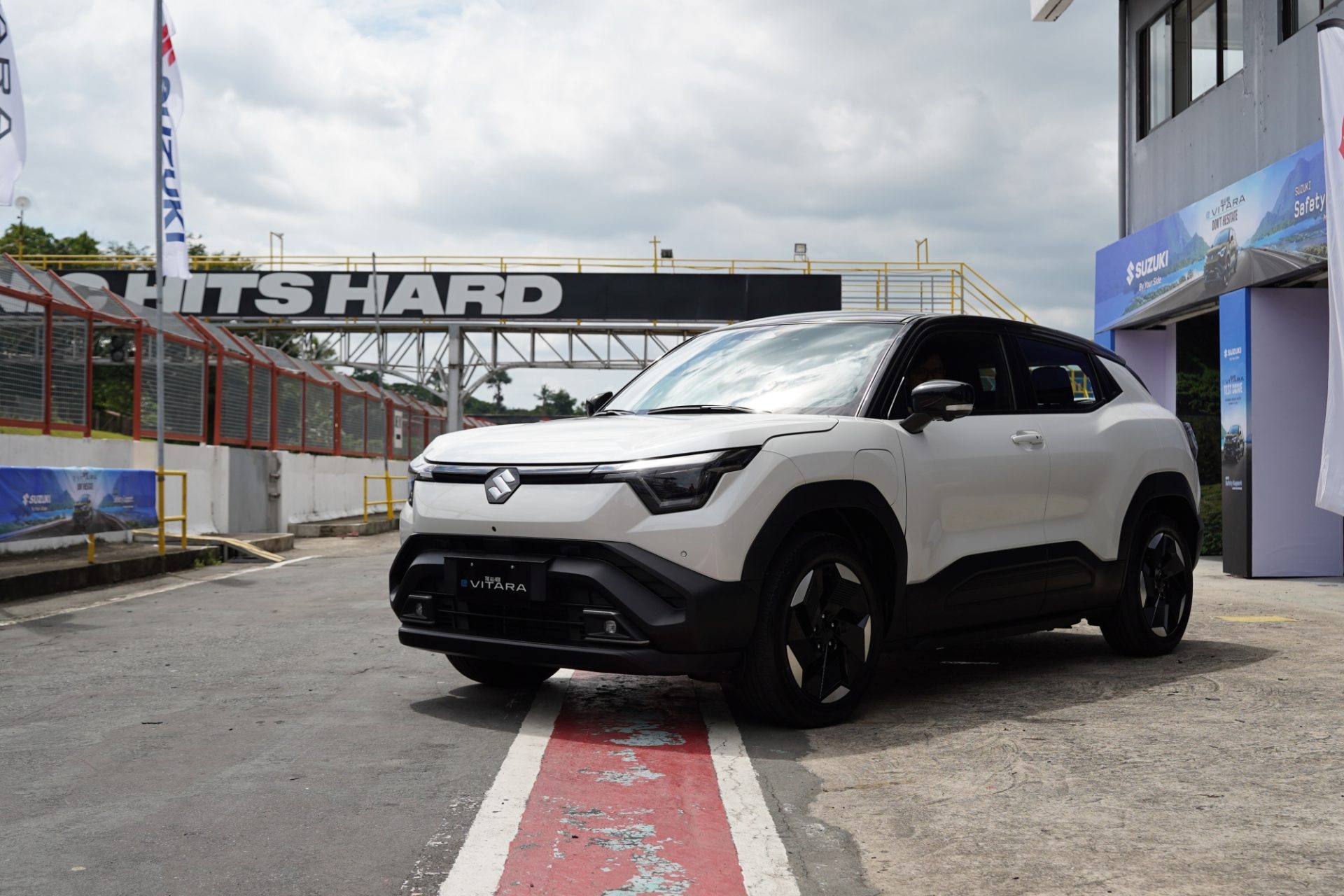
The Suzuki e Vitara made its Philippine debut at the 10th Philippine International Motor Show. Unlike the smaller vehicles we’ve come to associate with the brand, the e Vitara takes the form of a subcompact crossover with a muscular design, larger dimensions, and a price tag of PHP 2,020,000.
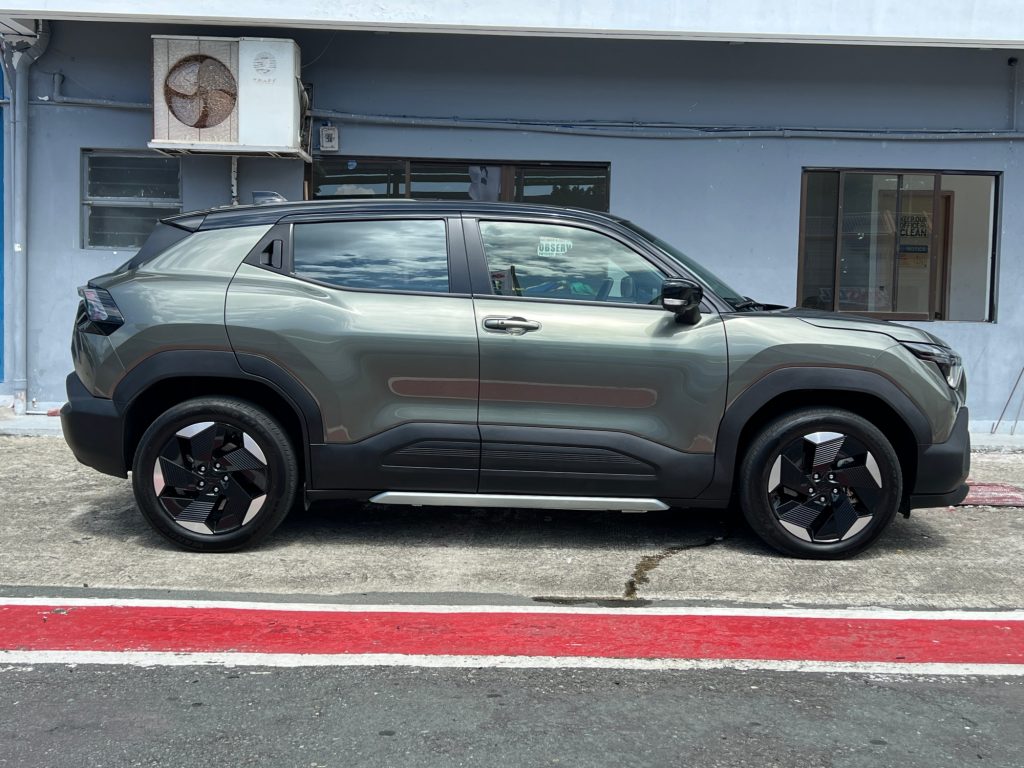
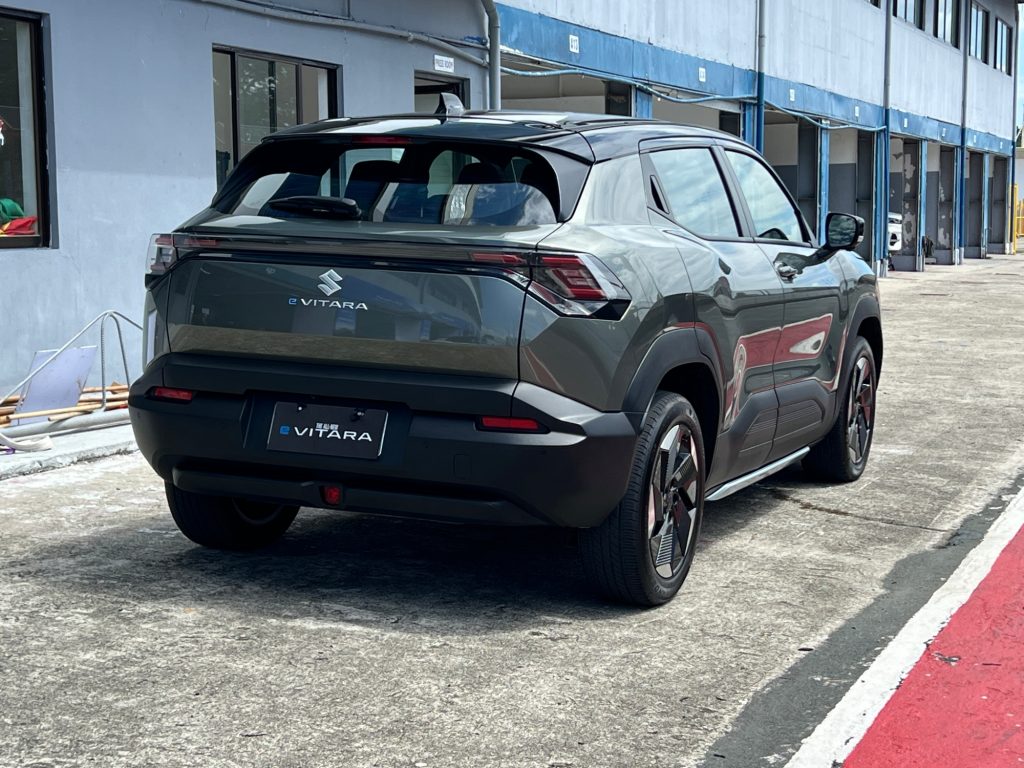
Still, I kept an open mind. I own a Suzuki Celerio, I’ve driven and enjoyed the Swift, and I liked the Fronx enough to give Suzuki’s first EV a chance.
That opportunity came when Suzuki invited us to drive the e Vitara at Batangas Racing Circuit. With several members of the media taking turns behind the wheel, each of us only managed around four laps. It wasn’t much, but those laps gave us an idea of what Suzuki has accomplished with its first battery-electric vehicle.
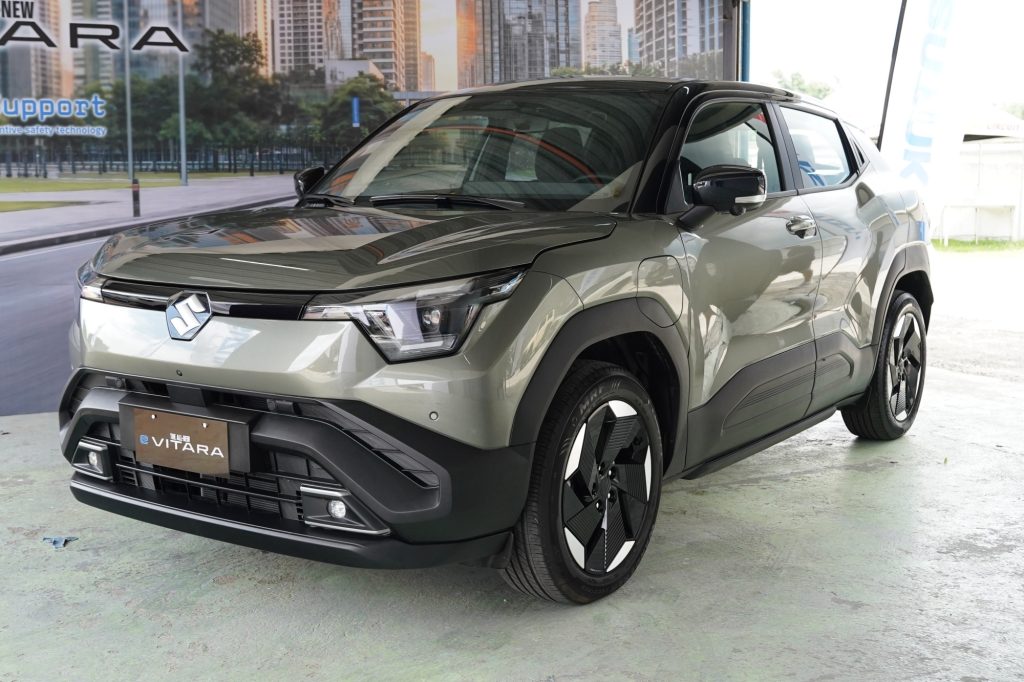
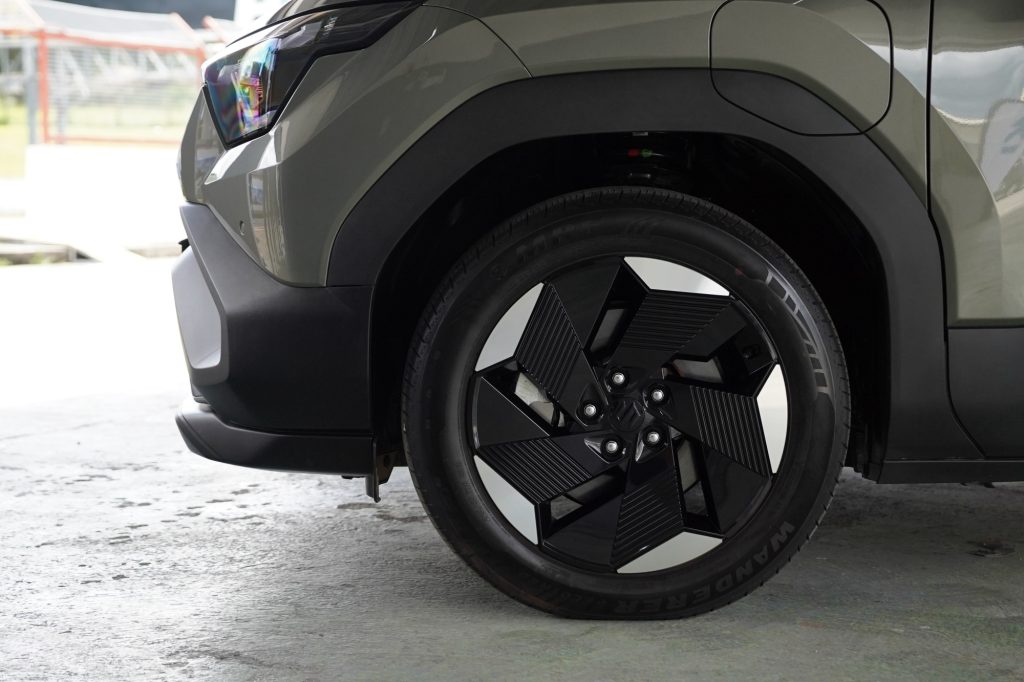
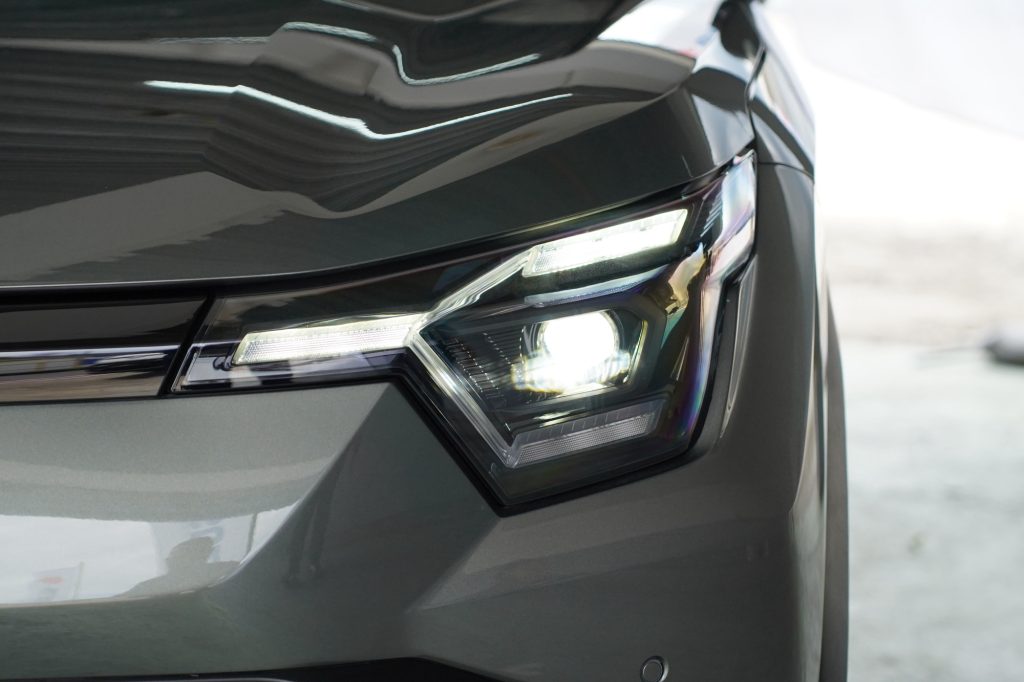
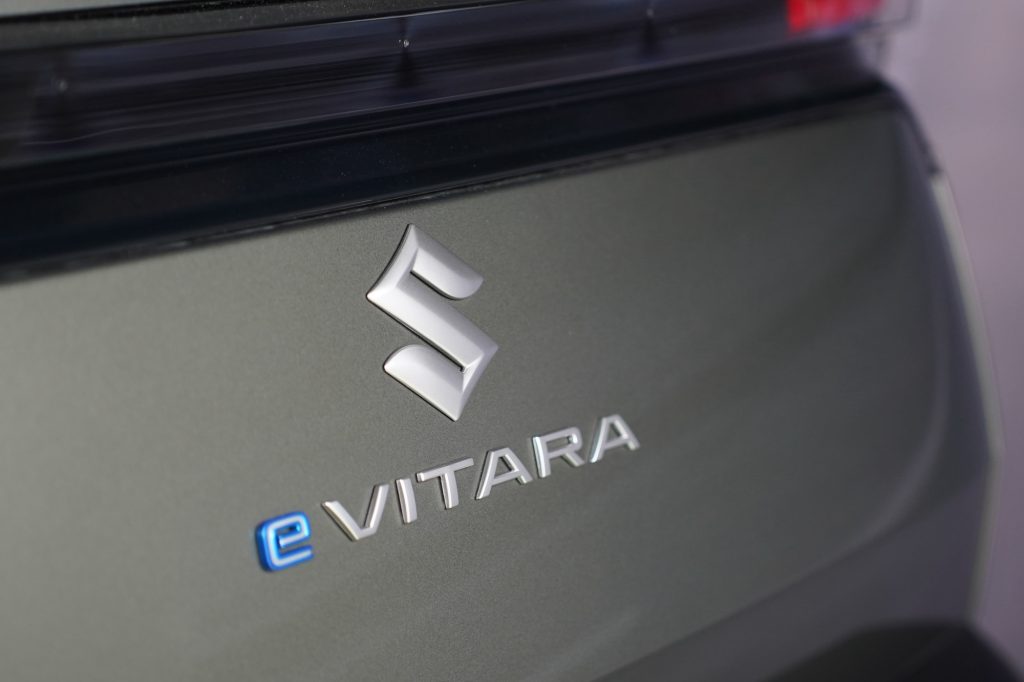
The e Vitara continues the muscular design that Suzuki introduced with the Fronx. This time, angular lines and geometric patterns give the body a different character. Plastic fairings surround the lower sections, much like those on some Subaru crossovers, although I find Suzuki’s execution more cohesive.
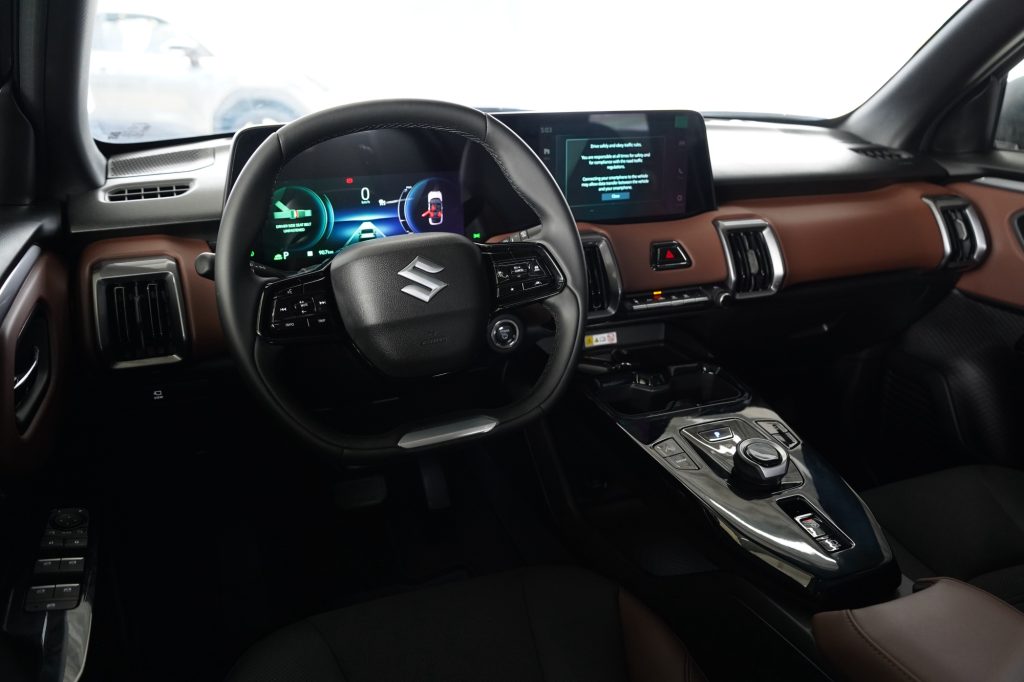
Inside, however, Suzuki takes a different approach. The dashboard features a panoramic dual-screen layout, a high center console, a push-down rotary gear selector, rectangular air vents, and, surprisingly, a two-spoke steering wheel. It’s not a bad-looking interior, but I wish Suzuki had carried over more of the exterior’s design elements into the cabin. I also find the lack of rear air vents an odd omission, especially for a vehicle at this price point.
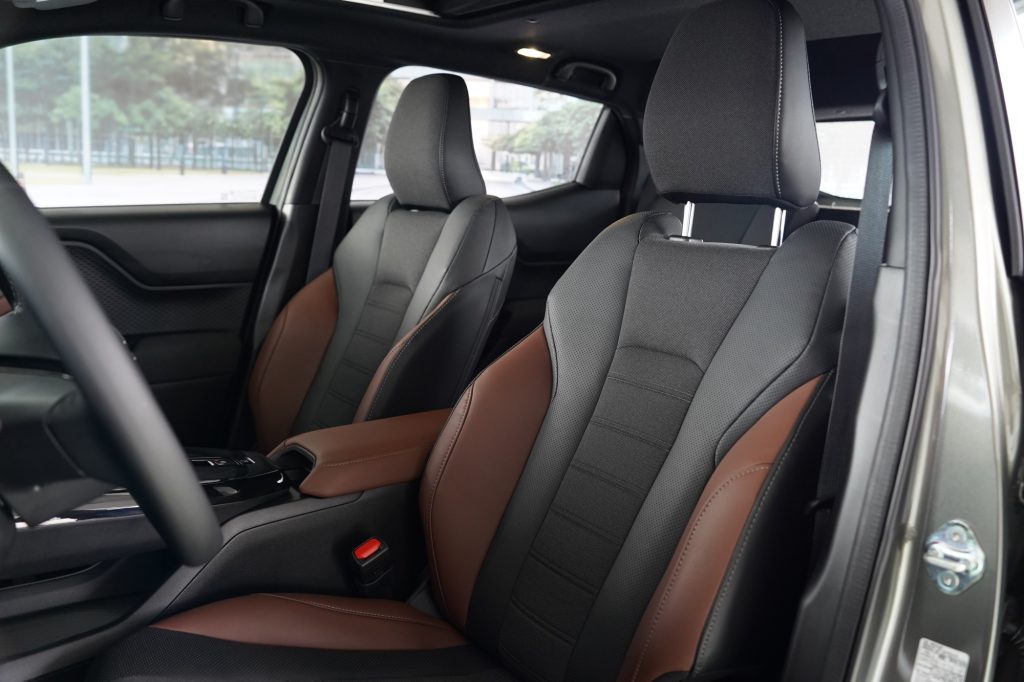
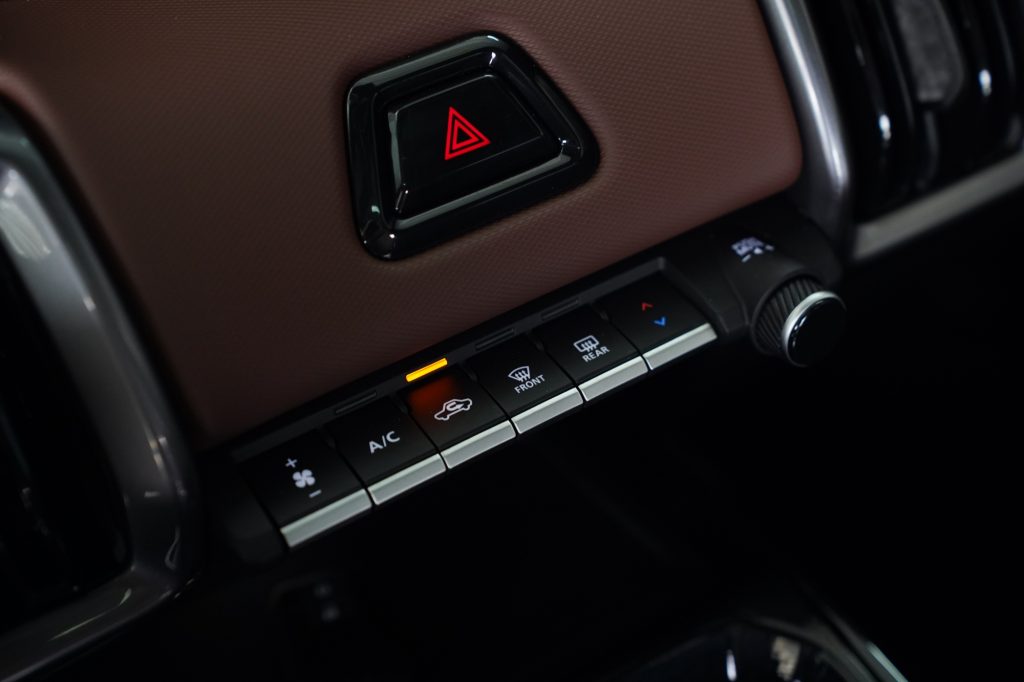
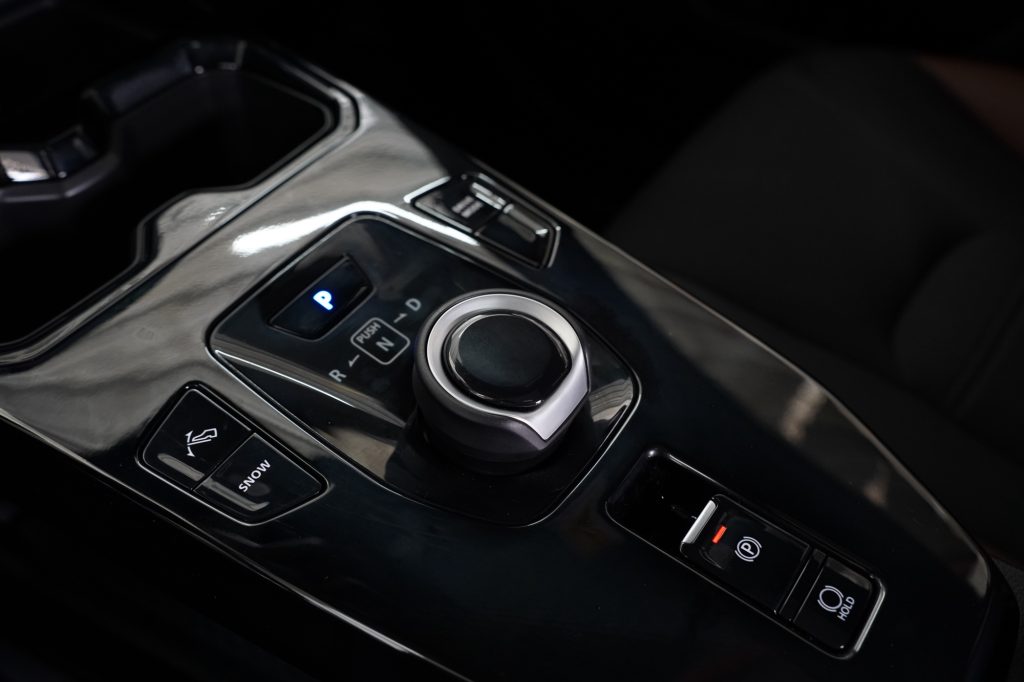
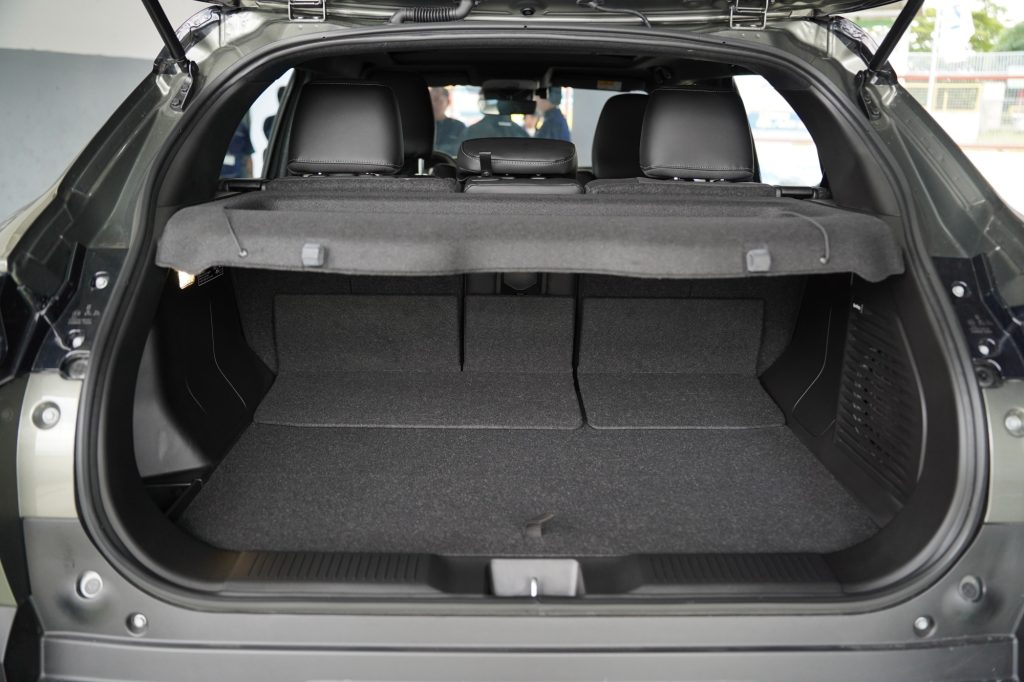
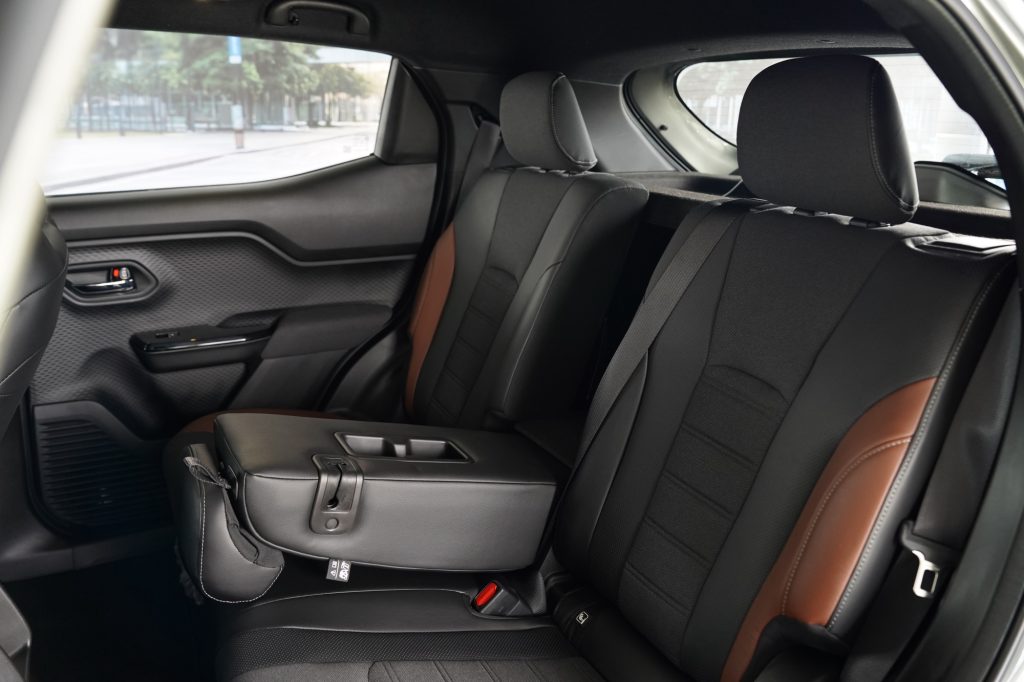
Space is another consideration. I found the cabin a little snug for someone of my build, although I imagine occupants of average Filipino proportions would have more room to work with. The roofline doesn’t compromise headroom too much, while the rear seats offer enough legroom for adults.
But the real surprise came when we took the e Vitara onto the track. For me, the driving experience demonstrates how Suzuki has carried its small-car expertise into a larger platform. Despite its size and electric powertrain, the e Vitara retains much of the character that makes the brand’s smaller vehicles enjoyable to drive.
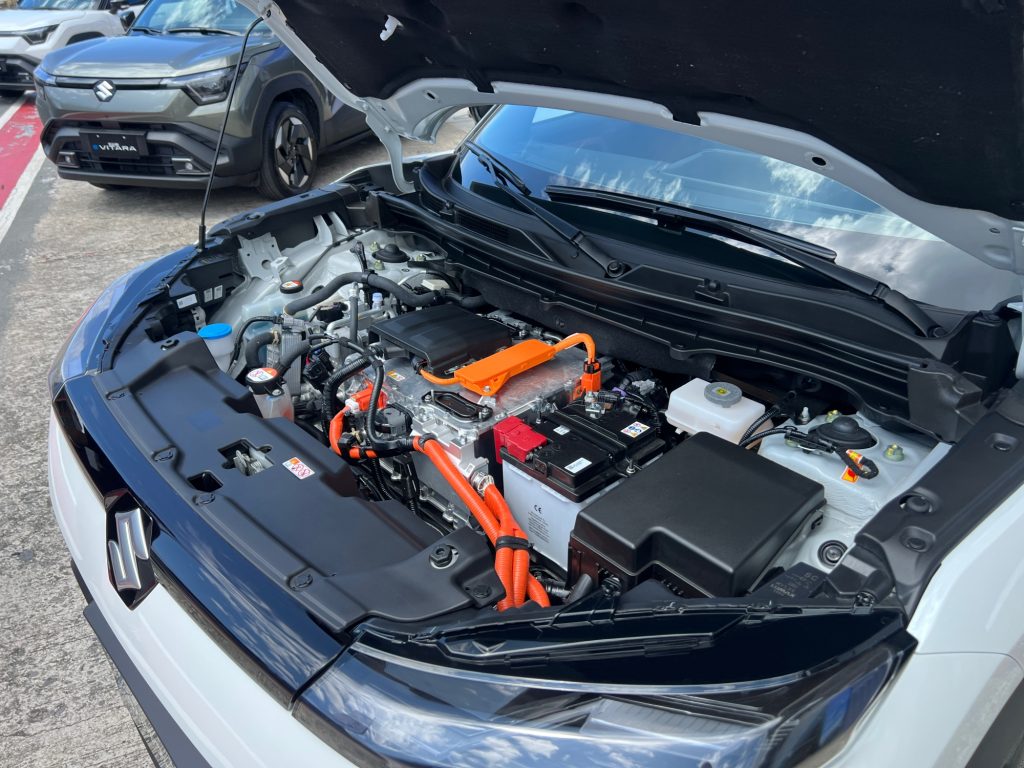
The e Vitara had no trouble accelerating, even with four adults on board. Two of our passengers had average builds, while another media brother and I were considerably larger. Together, we probably weighed as much as three average-sized adults. In other words, we loaded the e Vitara with the equivalent weight of five people, yet it accelerated without difficulty.
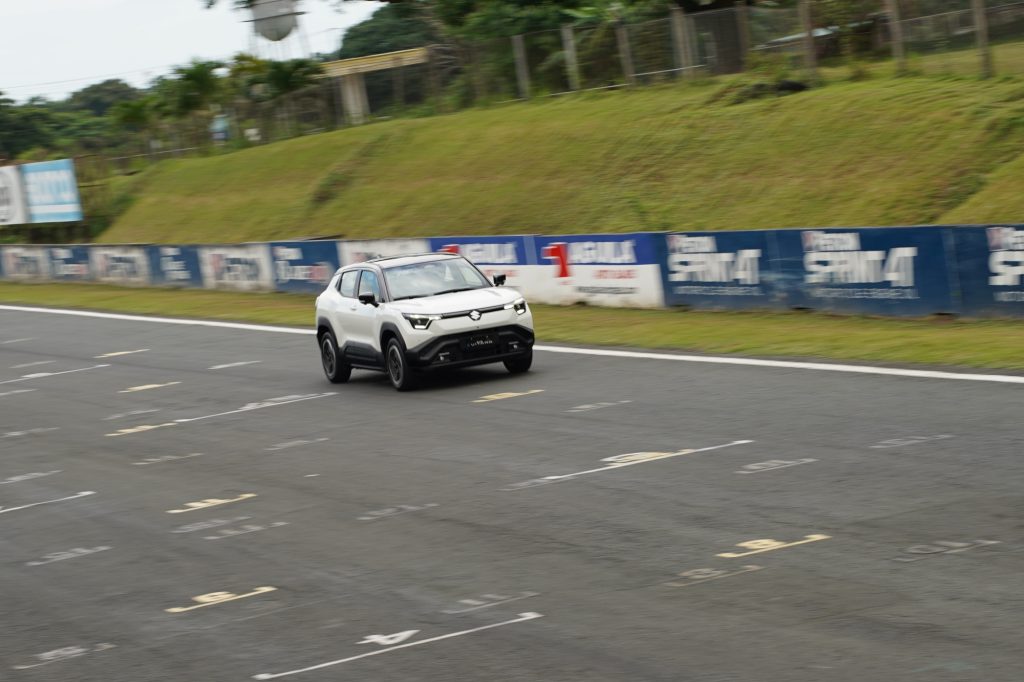
We drove in Normal mode, but the e Vitara had no trouble building speed. More importantly, the throttle delivered power progressively rather than abruptly. The car responded according to how much pressure I applied to the accelerator, allowing me to control its acceleration without constantly moderating my right foot.
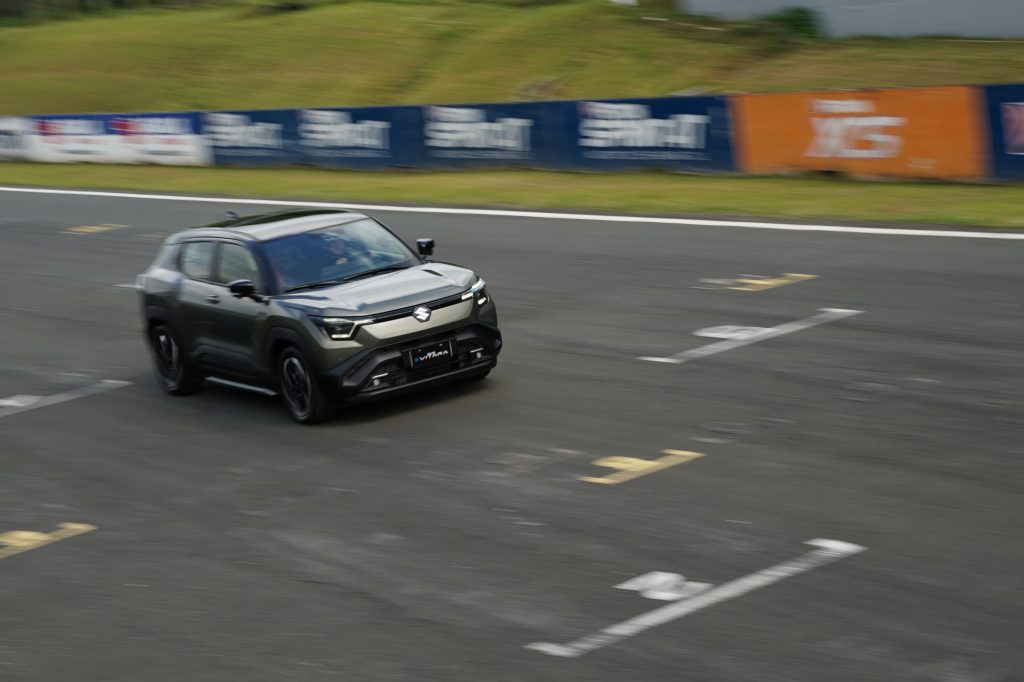
Its handling impressed me even more. The steering complemented the e Vitara’s turning ability, giving it a level of agility I didn’t expect from a crossover of this size. In some ways, driving it almost felt like playing an arcade racing game. Point the car toward a corner, apply the throttle, and it follows through without much fuss. That’s not to say the steering offered perfect precision, but I barely needed to make corrections once I committed to a turn. The e Vitara also kept body roll under control as we negotiated tight corners at speeds exceeding 60 kph. Throughout our laps, I didn’t notice any significant understeer or oversteer.
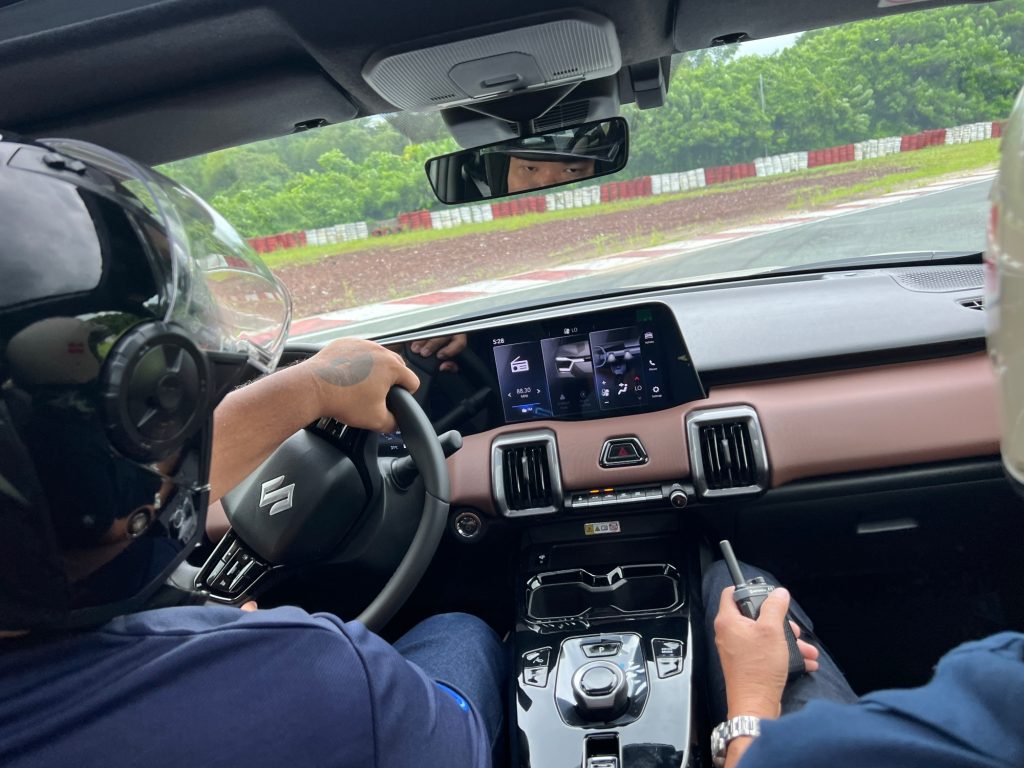
This combination of steering response, cornering ability, and manageable acceleration reminded me of Suzuki’s smaller cars. The e Vitara may be larger and heavier, but Suzuki hasn’t abandoned the driving character I’ve come to associate with the brand.
Ride comfort brought another surprise. Despite the aging surface of Batangas Racing Circuit, the suspension absorbed the imperfections we encountered and kept the vehicle composed.
Of course, a racing circuit hardly represents Philippine roads. We’ll need a proper road test to see how the e Vitara handles potholes, broken pavement, and other everyday driving conditions. Still, the suspension left a good first impression during our time on the track.
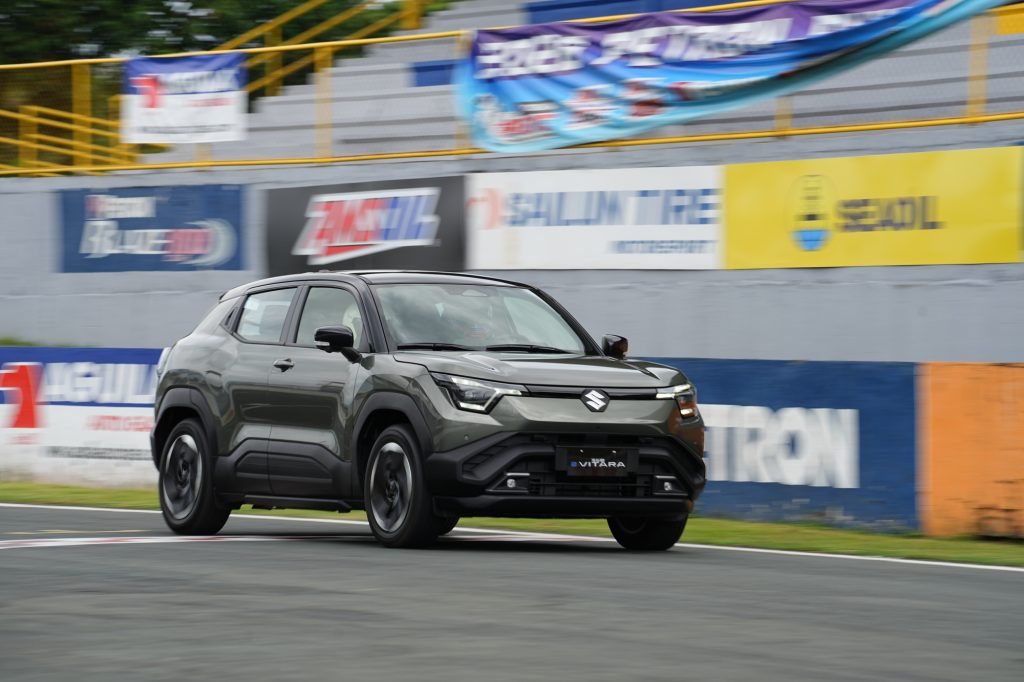
Before the pandemic, I remember several of my colleagues using the phrase “small car on stilts” to describe crossovers that drove much like their smaller hatchback counterparts. I think that description fits the e Vitara.
In many ways, it’s like a Swift on stilts. It combines the agility and driving character of a small Suzuki with the space and practicality of a crossover. It’s fun to drive, offers enough room for everyday use, and delivers its electric power without overwhelming the driver. If anything, I wish Suzuki offered it in a brighter color to better reflect its personality on the road.