

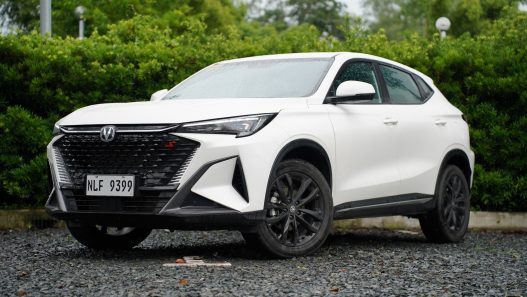

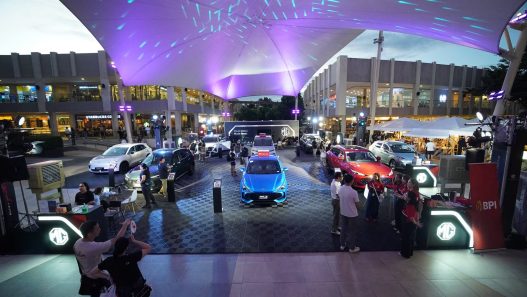
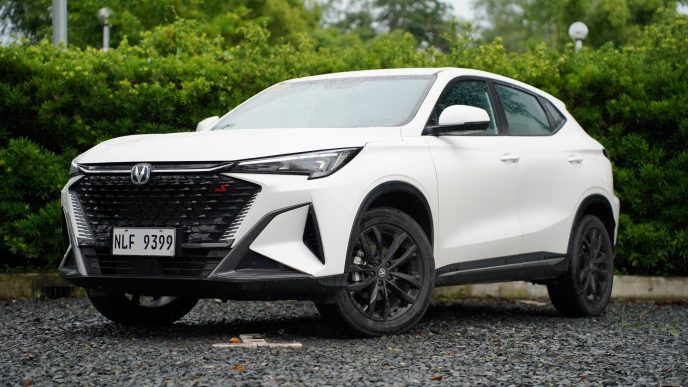
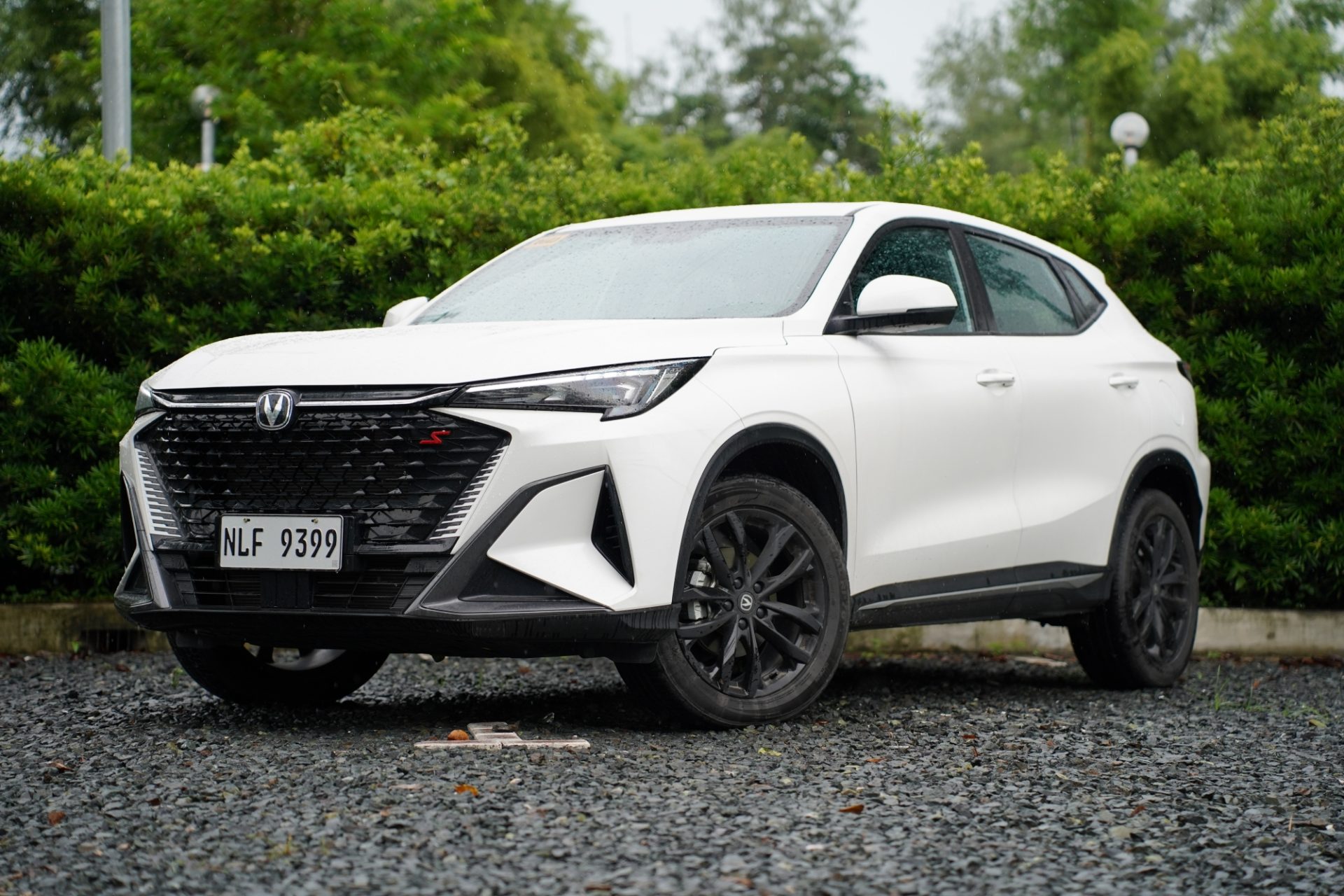
The automotive industry is moving toward electrification, with more manufacturers introducing hybrid and fully electric vehicles across different price segments. Conventional gasoline-powered models can still compete, but they need to offer compelling value, equipment, or driving characteristics to remain relevant. Unfortunately, the Changan CS35 Max has a difficult case to make.
The CS35 Max arrived in the Philippines following the onset of the current oil crisis, making its timing less than ideal. However, considering the investments and preparations involved in launching a new vehicle, the timing itself is understandable. What is harder to overlook is the product’s lack of distinguishing features, particularly in an increasingly competitive segment.
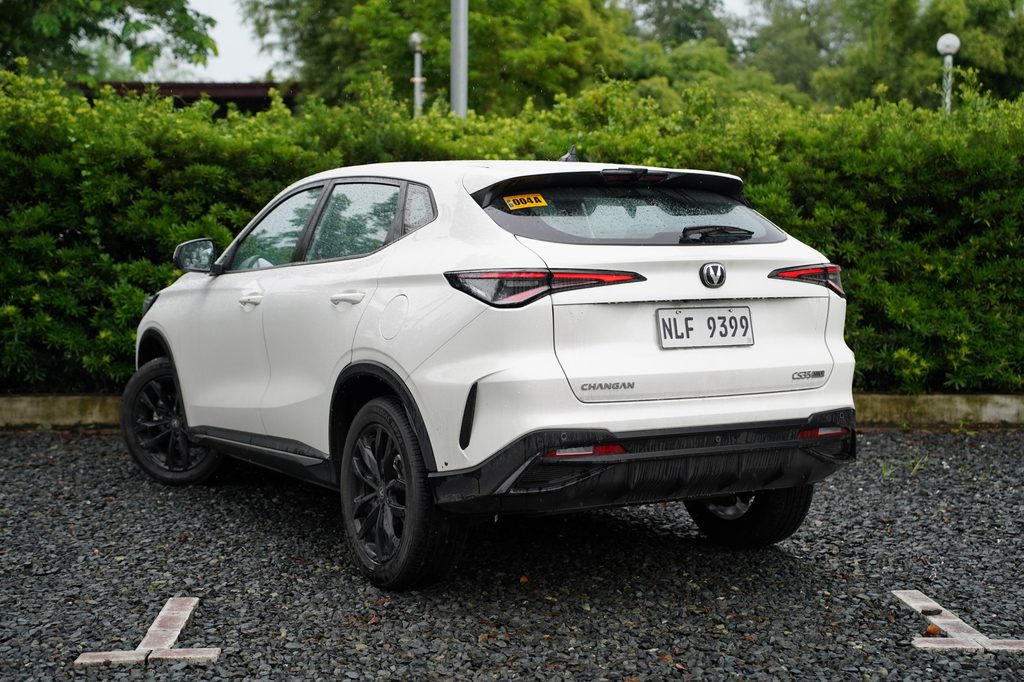
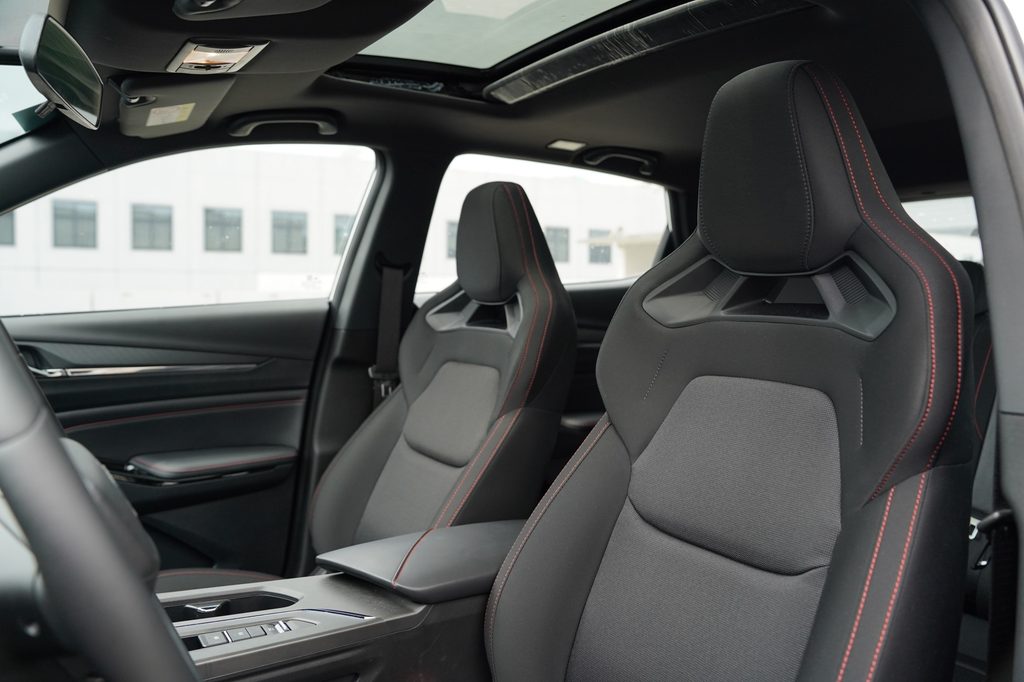
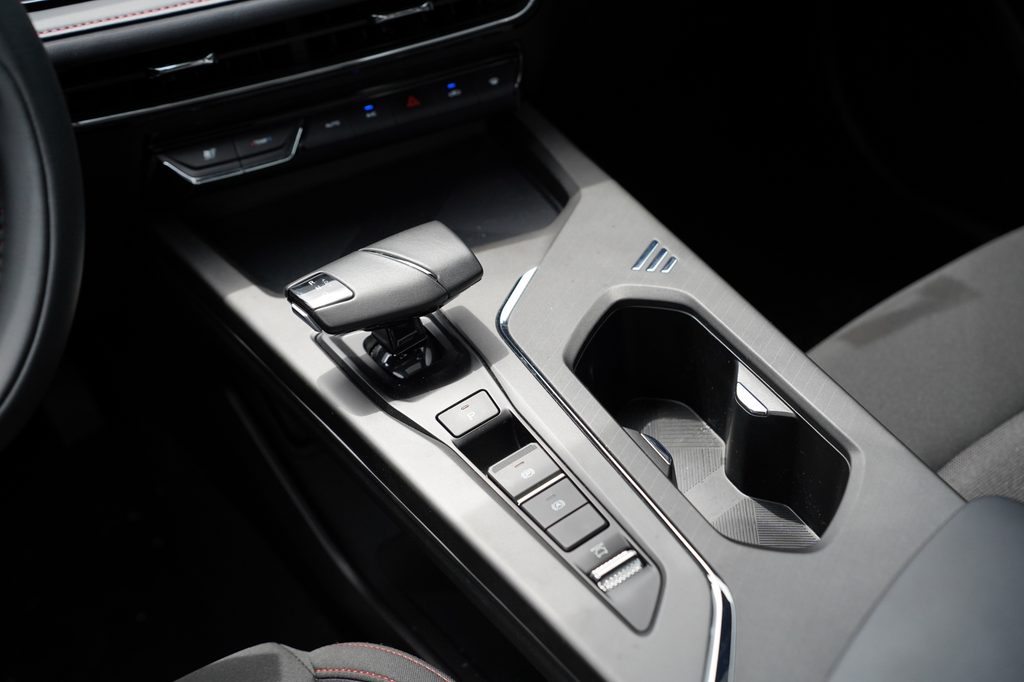
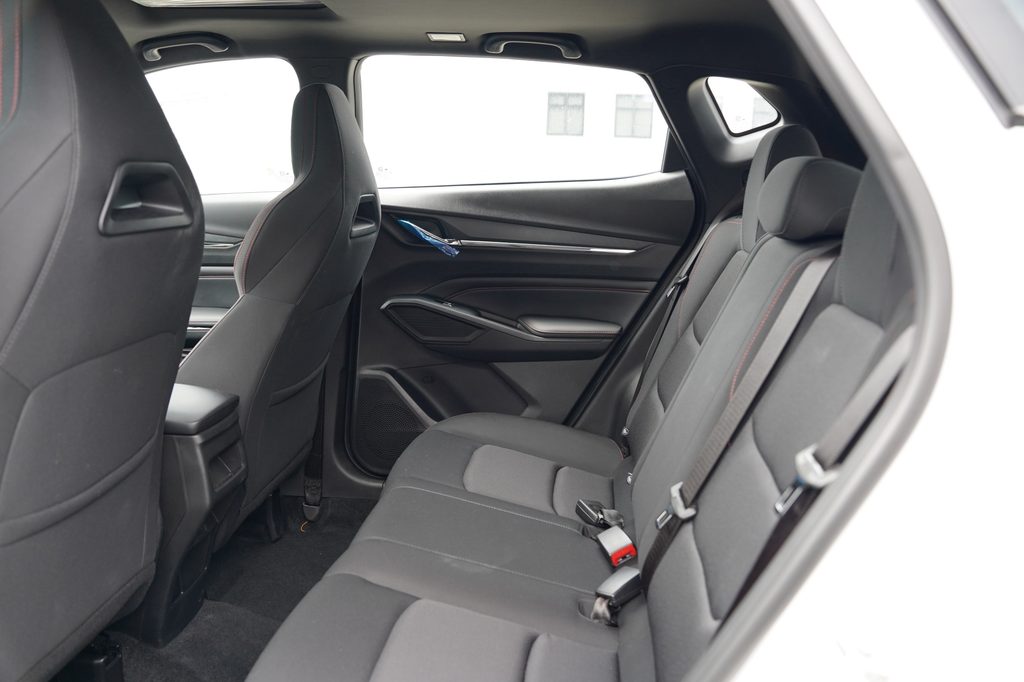
The CS35 Max Lite I drove was reasonably comfortable and offered sufficient cabin space, even for someone with my build. The cabin was also relatively quiet. Its equipment list includes an Electronic Parking Brake, Auto Brake Hold, and wireless Apple CarPlay and Android Auto connectivity, all of which contribute to a convenient driving experience.
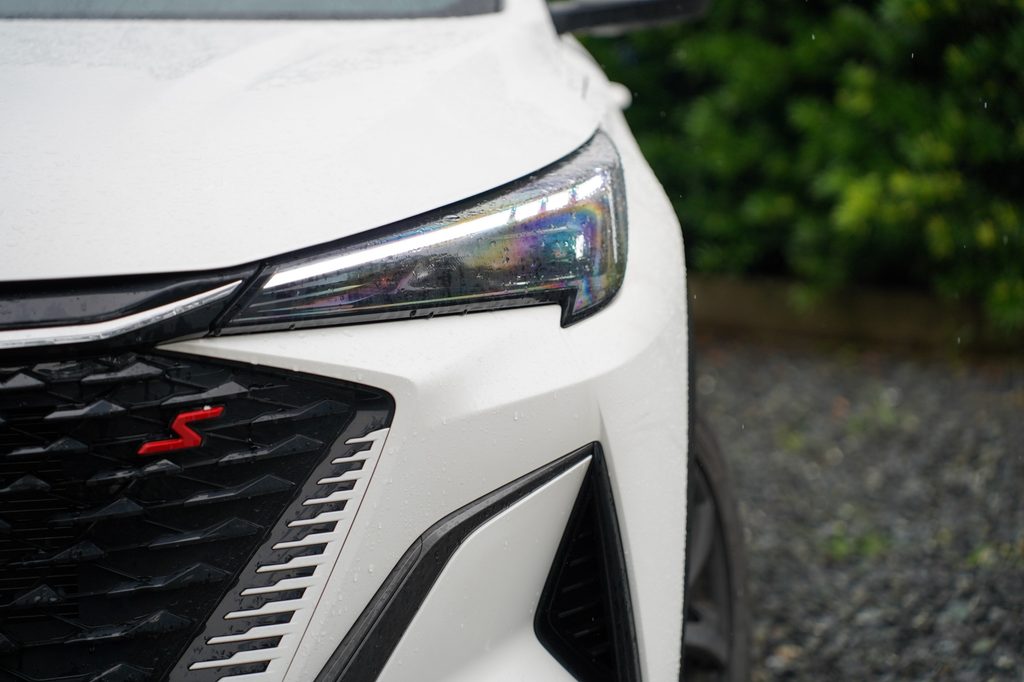
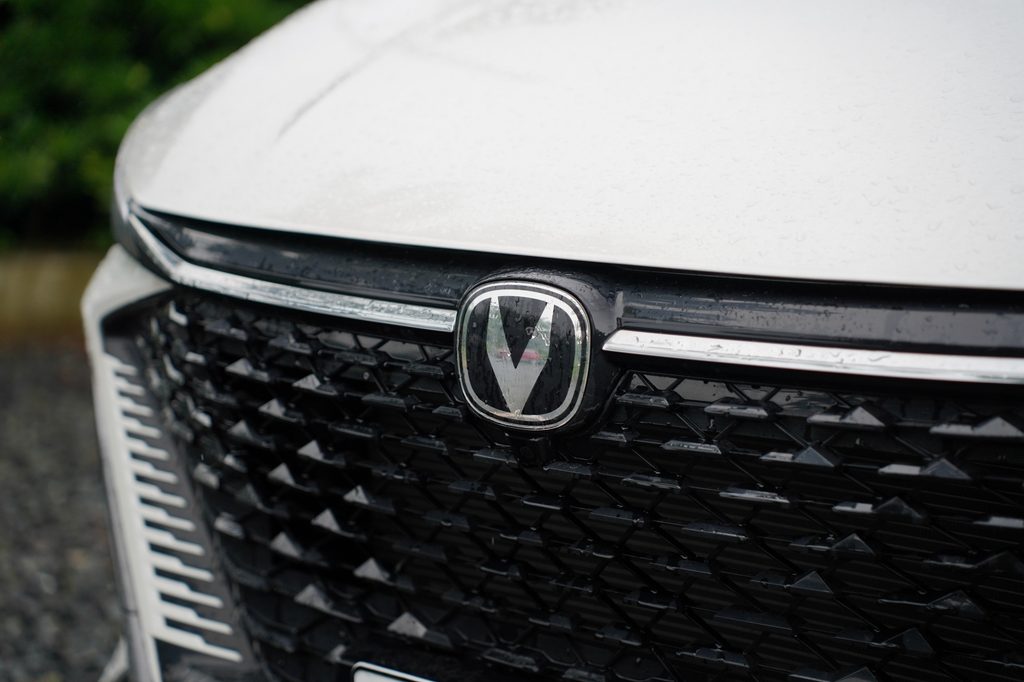
However, unlike Changan’s Nevo lineup, the CS35 range feels like it belongs to an older generation of vehicles. Its dashboard retains a driver-oriented layout with relatively modest displays. The instrument cluster measures 7 inches, while the central touchscreen comes in at 10.25 inches. While these are respectable dimensions, the surrounding housings make the displays look smaller than they actually are, leaving considerable unused space.
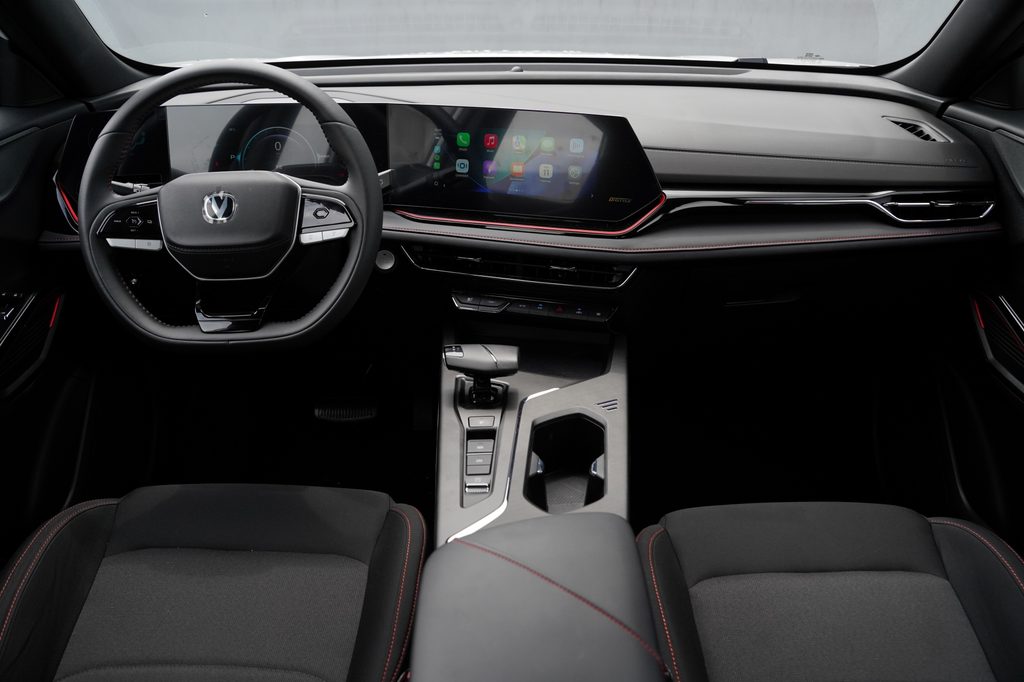
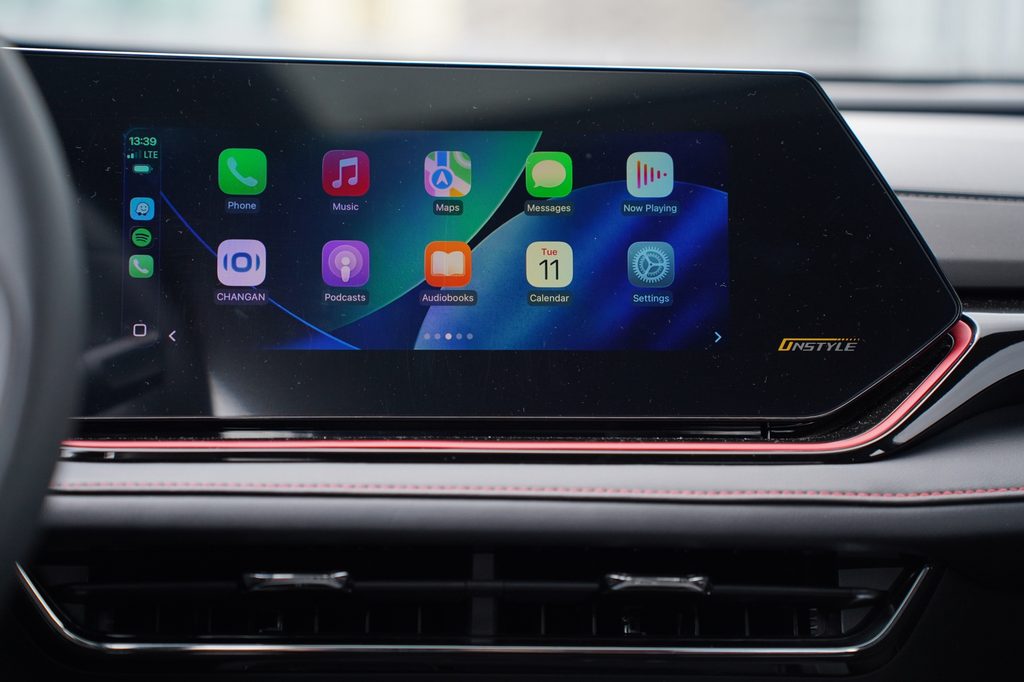
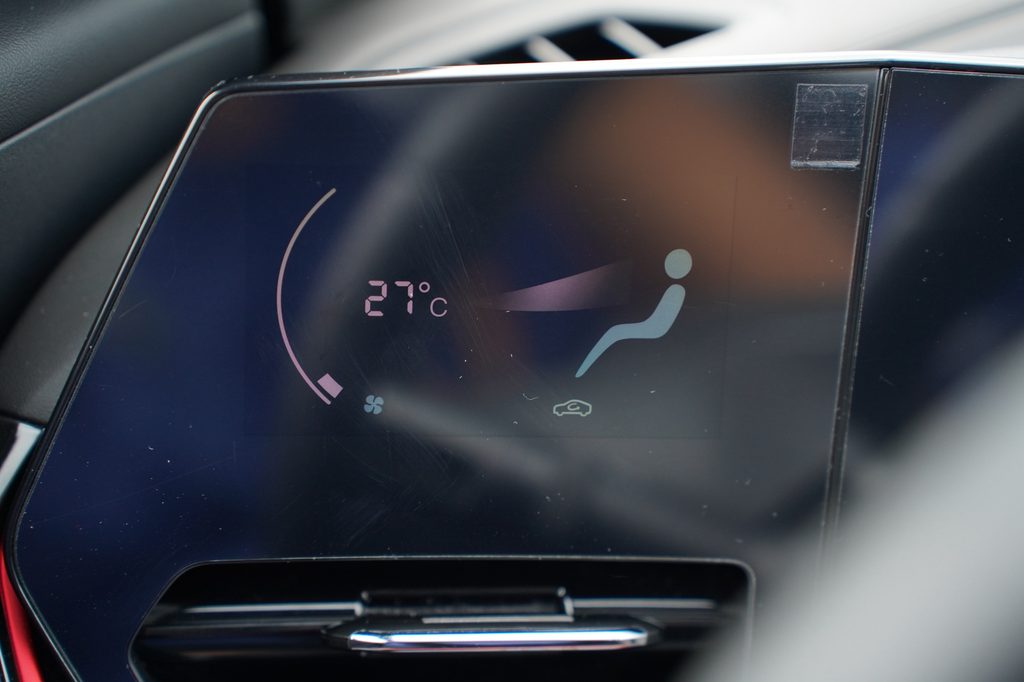
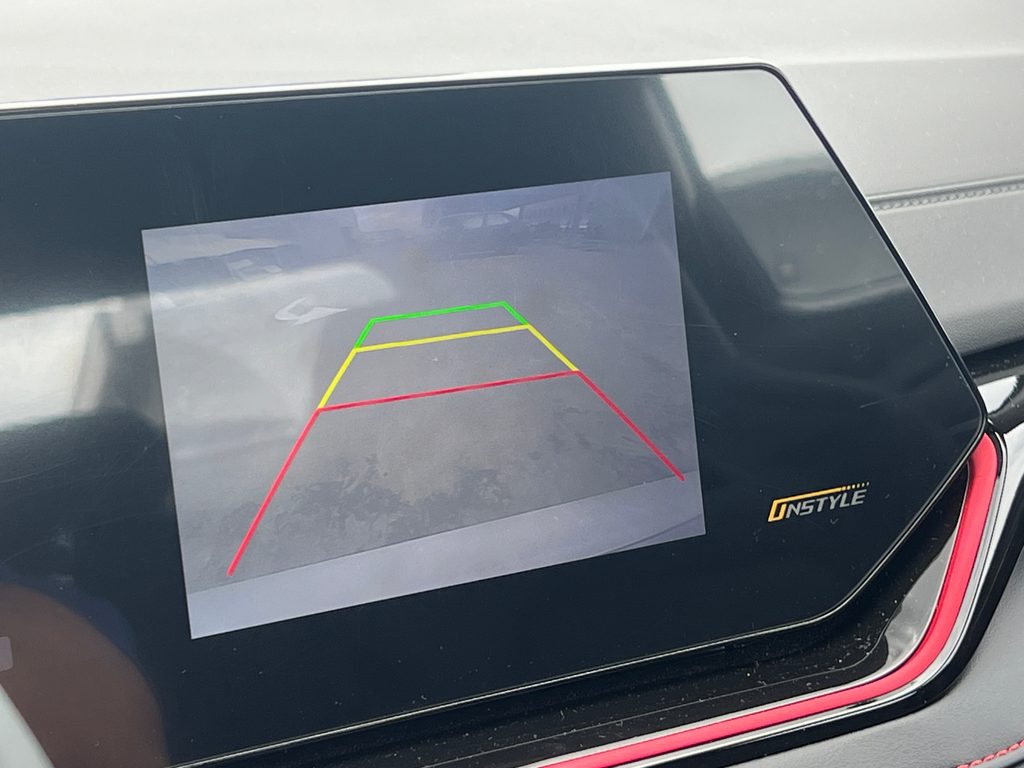
The central touchscreen also produces a noticeably blurry image when the rearview camera is activated. Adding to the unusual arrangement is a separate display on the left side of the dashboard, which shows the climate control settings, including fan speed, outside temperature, airflow direction, and air circulation.
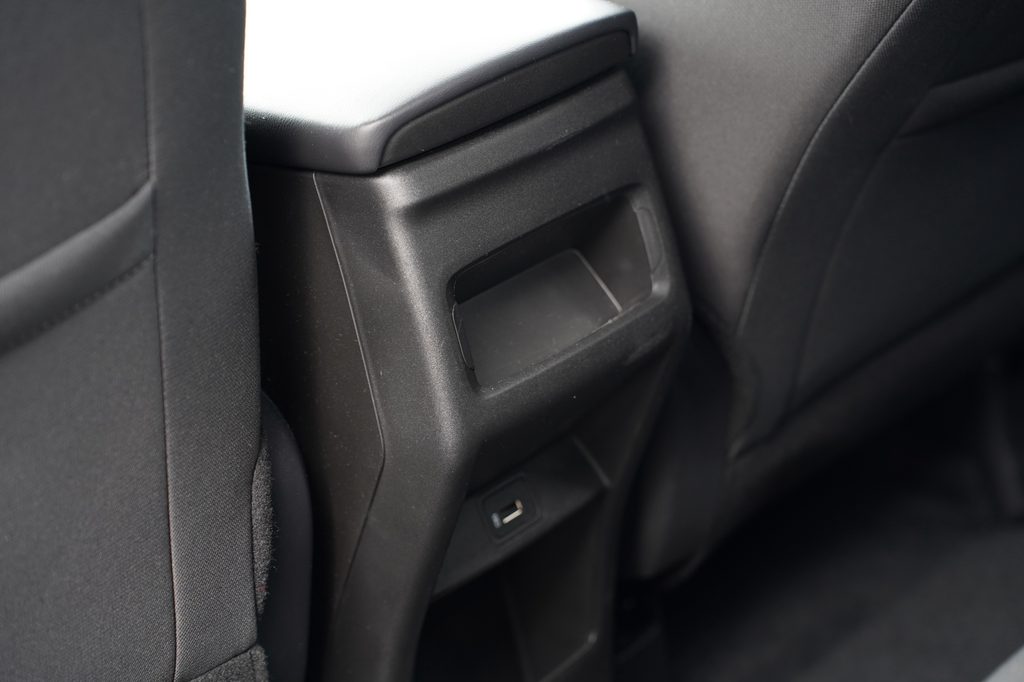
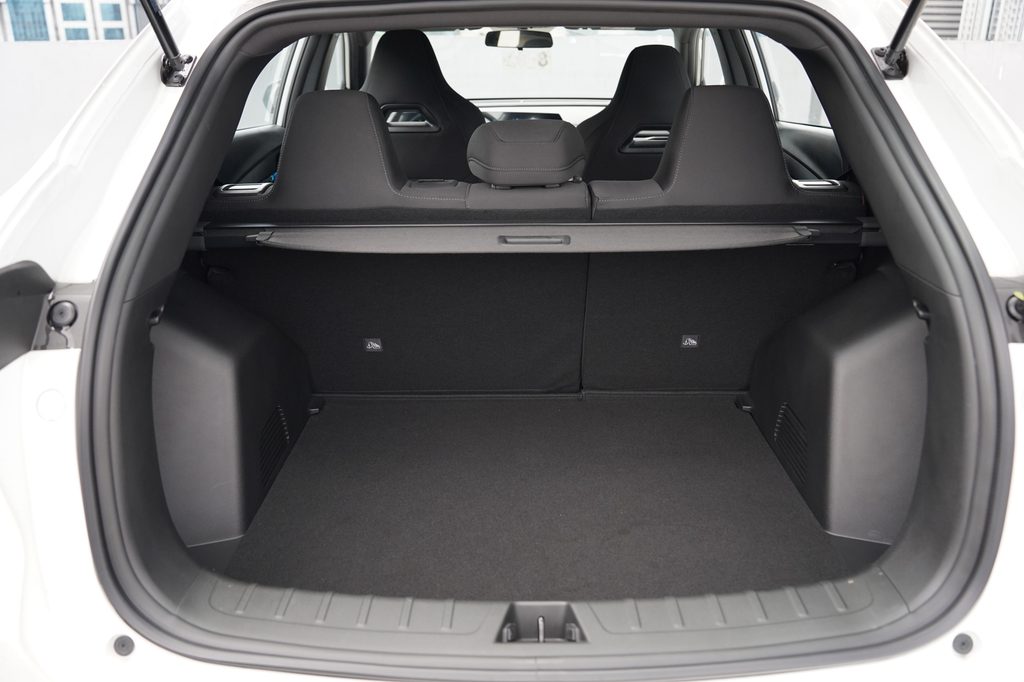
Rear passengers get a reasonably spacious cabin, although amenities are limited. There is no center armrest or rear air vent, with only a single USB port positioned behind the center console. The cargo area is also deep, but its usable width is reduced by the intrusion of the rear wheel arches.
On the road, the CS35 Max is a fairly unremarkable but competent companion. Its cabin remains quiet at city speeds, and the ride is comfortable. The Auto Hold system also engages and disengages smoothly. Fuel consumption is another positive, with the vehicle returning 9.12 km/l in the city and 16.84 km/l on the highway – respectable figures for a 1.5-liter turbocharged gasoline engine.
The 7-speed dual-clutch transmission also deserves credit. Unlike some DCT-equipped vehicles, it doesn’t exhibit the hesitation and jerky behavior commonly associated with this type of gearbox.
Safety equipment is perhaps one of the CS35 Max’s stronger selling points, although the package comes with some compromises. The vehicle has front airbags and a rearview camera, but it also comes equipped with cruise control, electronic stability control, traction control, hill-start assist, hill descent control, remote engine start, and a tire pressure monitoring system.
Ultimately, the CS35 Max struggles to establish a compelling reason for buyers to choose it over its competitors. At PHP 1,129,000, the CS35 Max Lite faces alternatives that offer more comprehensive creature comforts and technology. Some may be smaller, while others require only a modest increase in budget to get into a similarly sized vehicle.
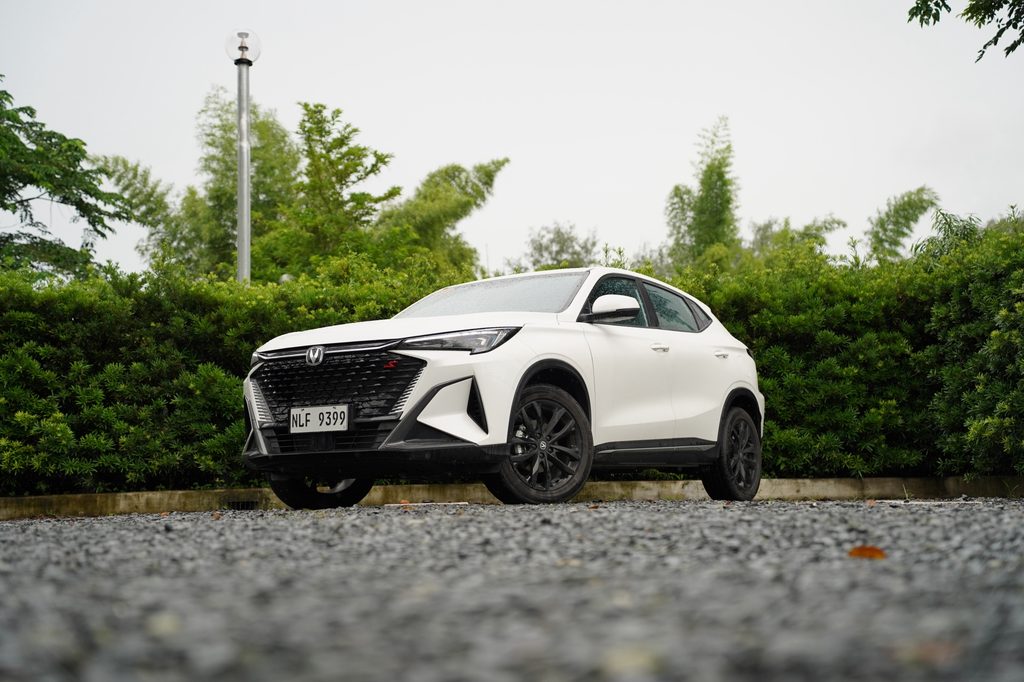
Space is certainly a consideration when choosing a family vehicle, but it is difficult to imagine buyers overlooking the absence of several modern amenities or electrified powertrains simply to get a roomier cabin. The CS35 Max Lite is comfortable, reasonably efficient, and easy enough to live with. However, in a segment where equipment and technology increasingly influence purchasing decisions, being merely competent may no longer be enough.