





Amidst all the glitz and glamor presented to us by VinFast at the VinPearl Resort in Nha Trang, Vietnam, there was one overarching aspect to all of this: artificial intelligence.
The buzzword of the latter half of this new decade, combined with everyone seemingly wanting to emulate the success of a certain American tech brand turned mobility company, is something that VinFast (with the support of its mother company, Vingroup) wants to emulate. But first, VinFast also exhibited a handful of its latest products for its late 2026 to 2027 portfolio.
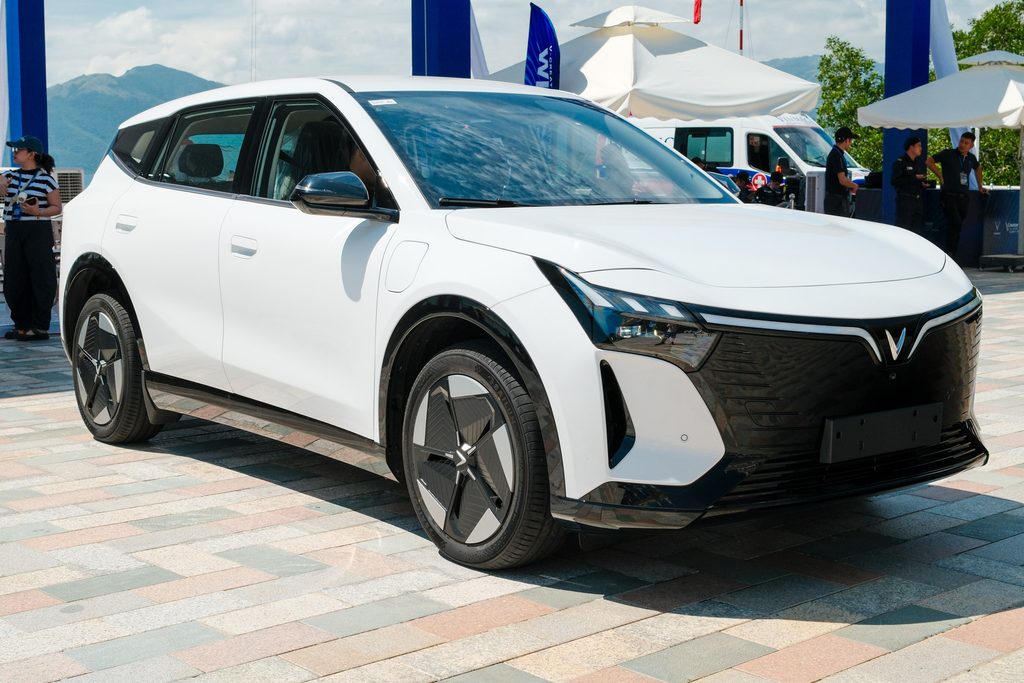
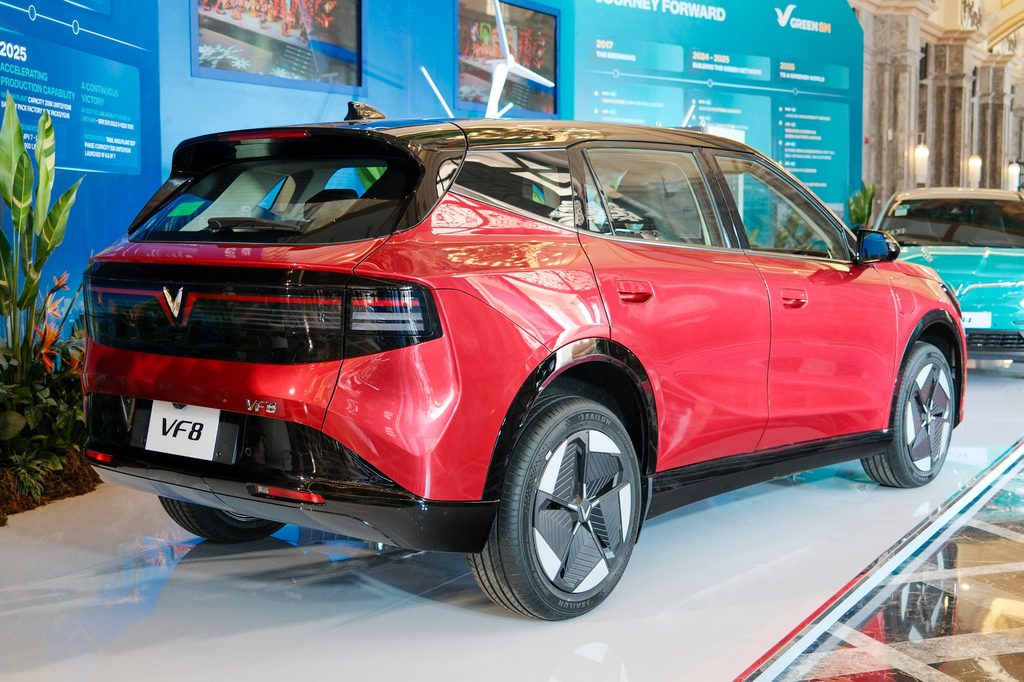
First up is the second-generation VF 8, a model that was recently launched in the Philippines at a price point of Php 1,548,000 (with a battery subscription) and Php 1,799,000 (with a battery).
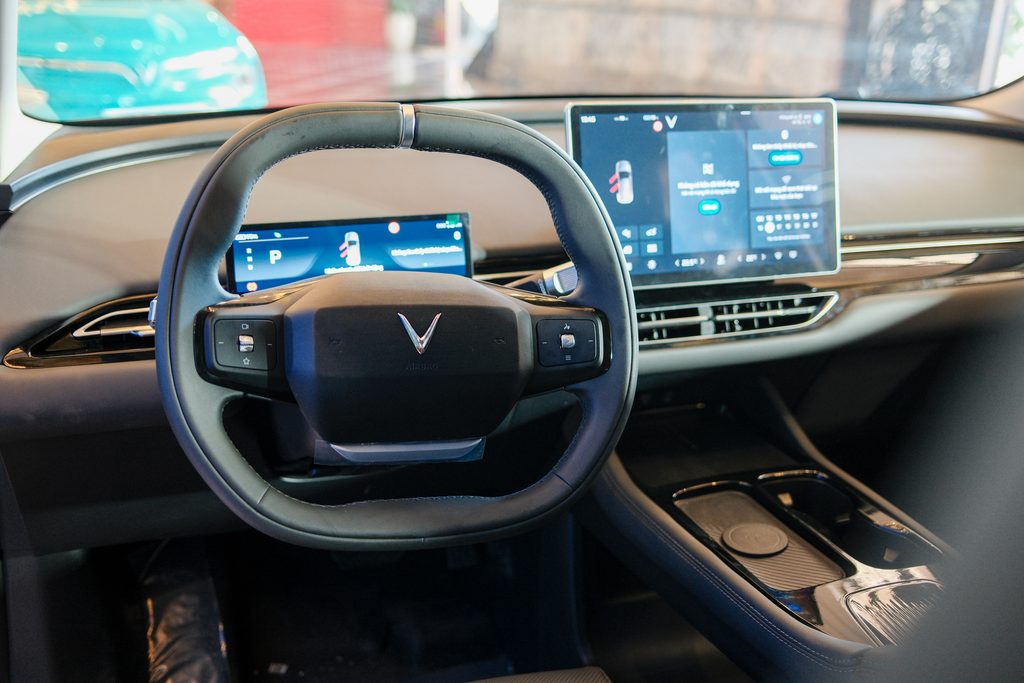
This sports the new Tech Fluid design language, alongside a more premium and revamped interior layout, and new tech like a 12.9-inch infotainment screen, a full suite of advanced driver assistance systems, and a power output of 228 horsepower and 330Nm, with a maximum range of up to 480km on a single charge from its 60.13kWh battery.
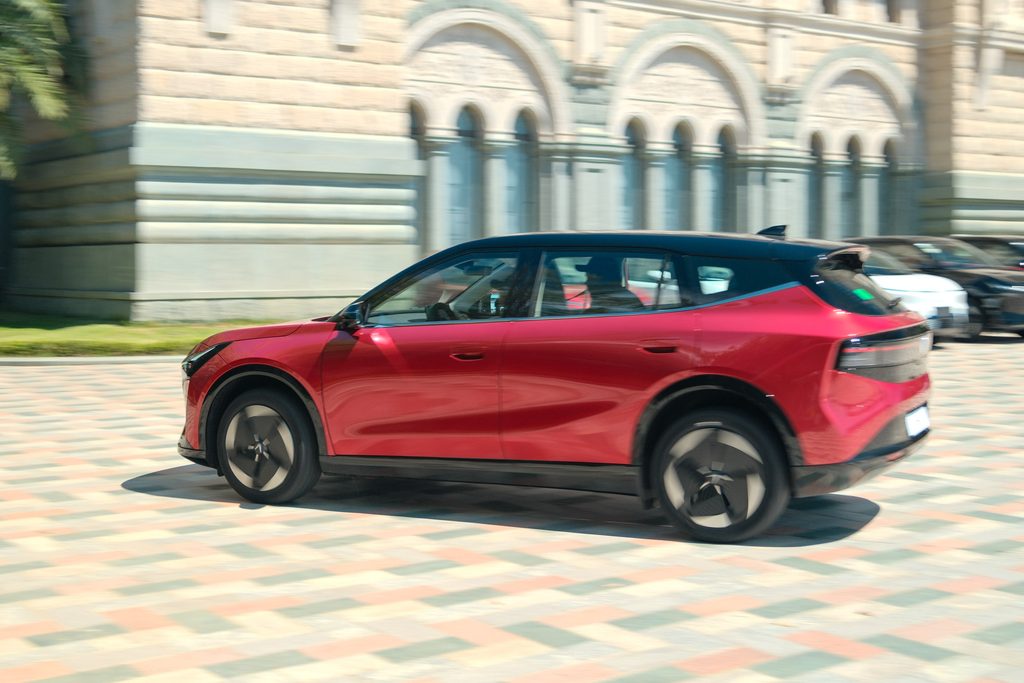
More importantly, the vehicle’s handling, power delivery, and driving dynamics have improved dramatically over the first VF 8’s controversial aspects, feeling more like what you’d expect from a typical electric crossover released today, which is a huge step forward for its quality.
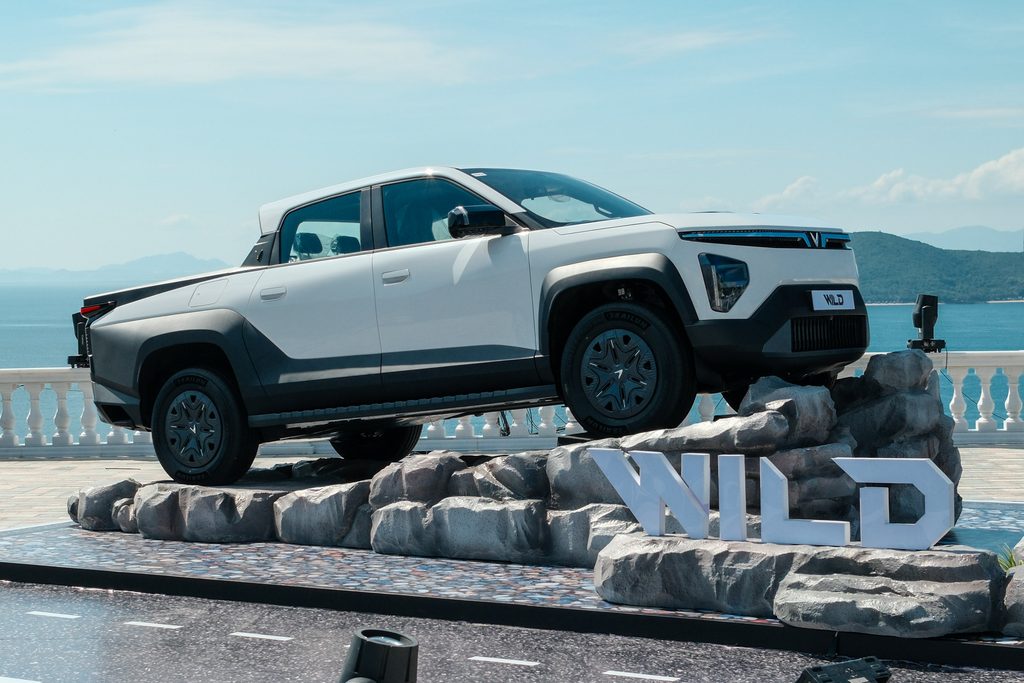
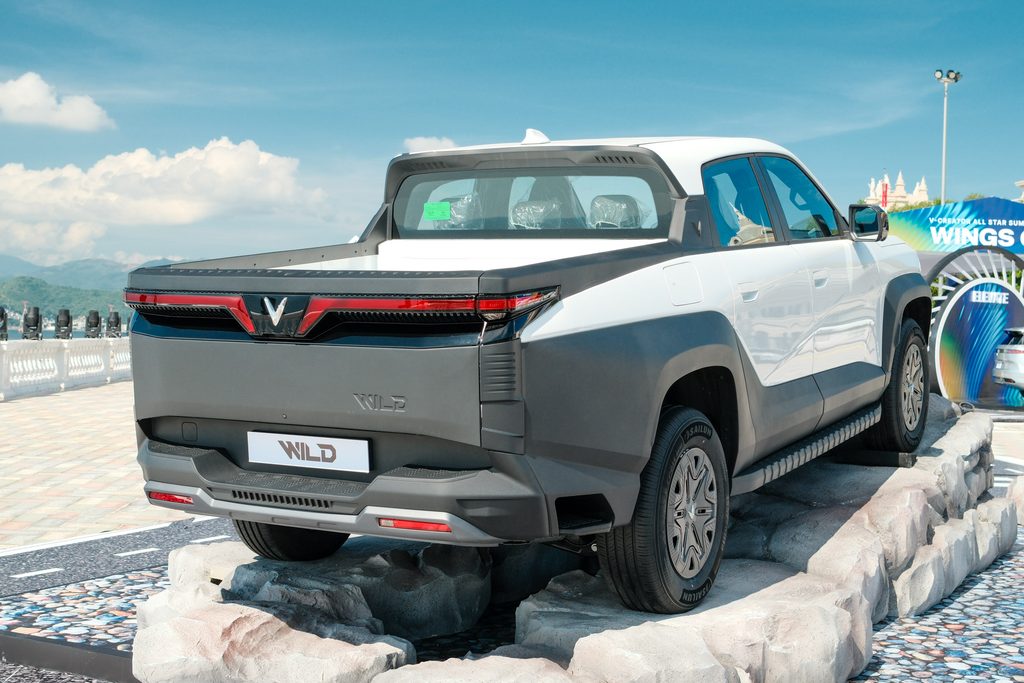
Most notable is the VF Wild, a plug-in hybrid pickup truck that’s similar to the likes of the BYD Shark 6, Ridarra RD6, Changan Hunter REEV, and the Nissan Navara Pro PHEV. This is a production spec model, but it hasn’t formally launched in the Vietnamese market just yet as of this writing.
It’s a range-extended electric vehicle that has a gasoline engine with an electric motor, and a total power output of around 218 horsepower and 280Nm of torque, and thanks to a 46.4kWh battery, can drive up to 1,000km on a single charge. This makes it the brand’s first non-electric vehicle since 2022, and it will be catering to the growing electrified lifestyle pickup crowd.
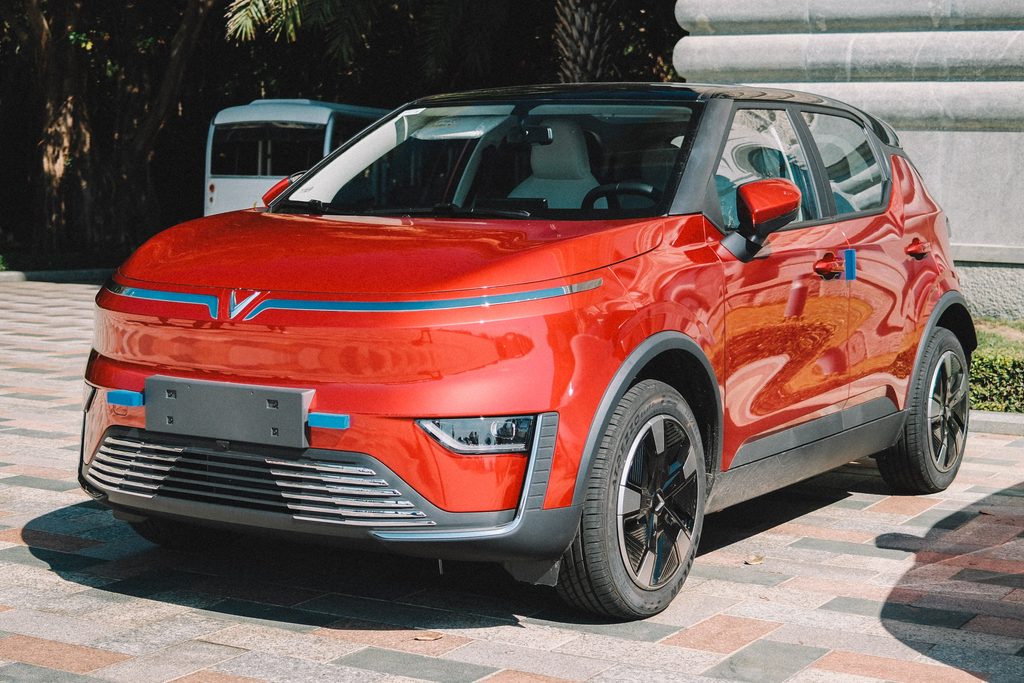
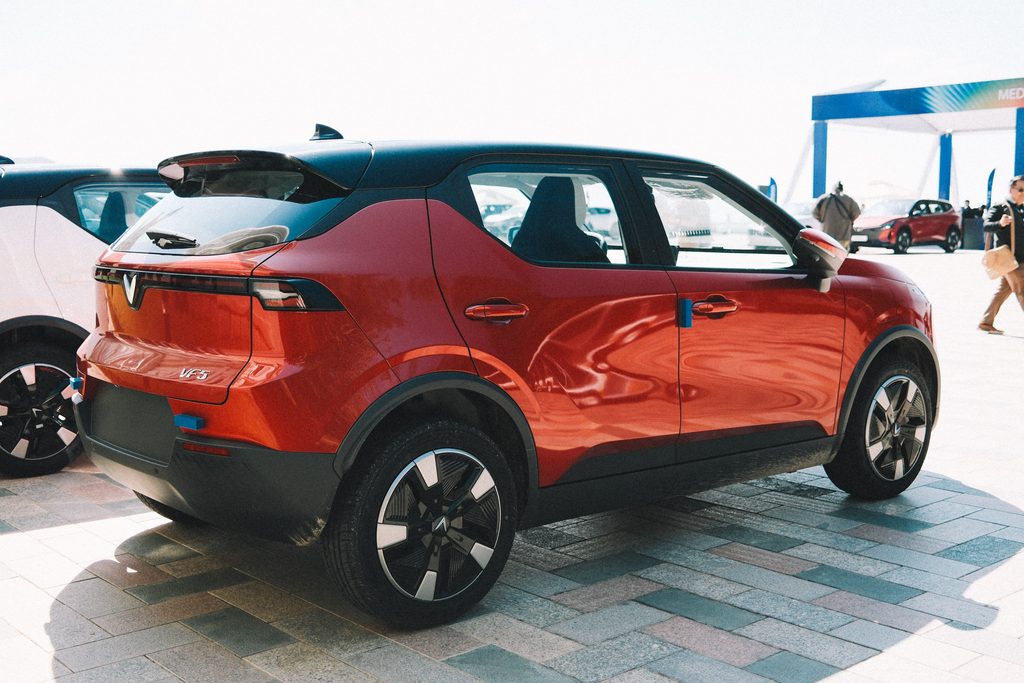
Next is the updated VinFast VF 5, which debuts a more stylish, European-inspired facelift, with relocated LED headlights, up to 17-inch wheel designs, and more premium interior materials like black-and-white leatherette seats.
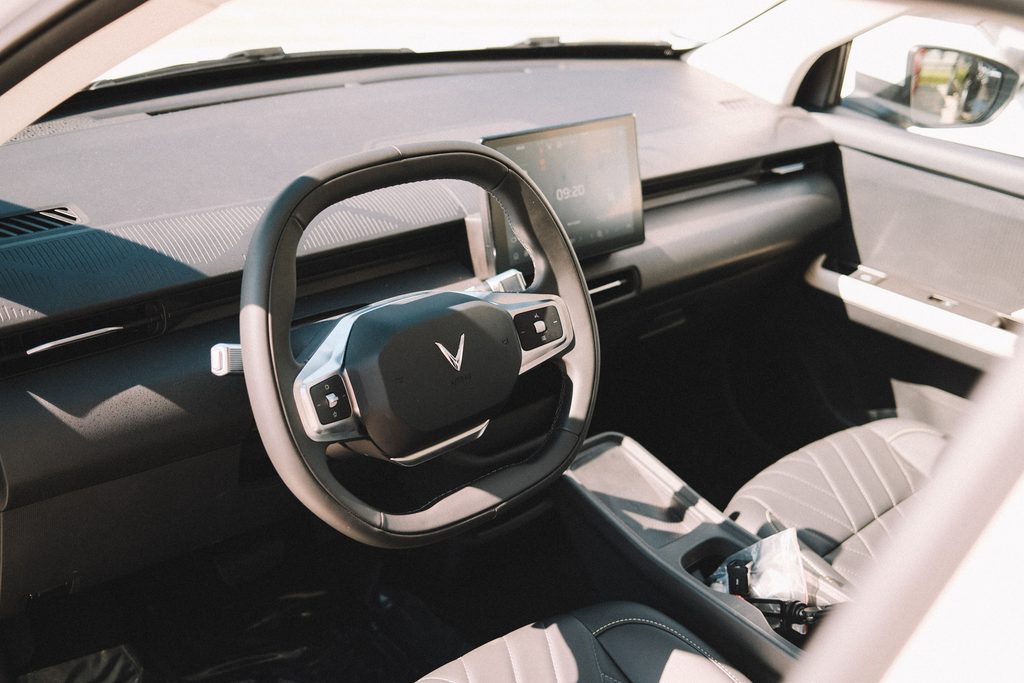
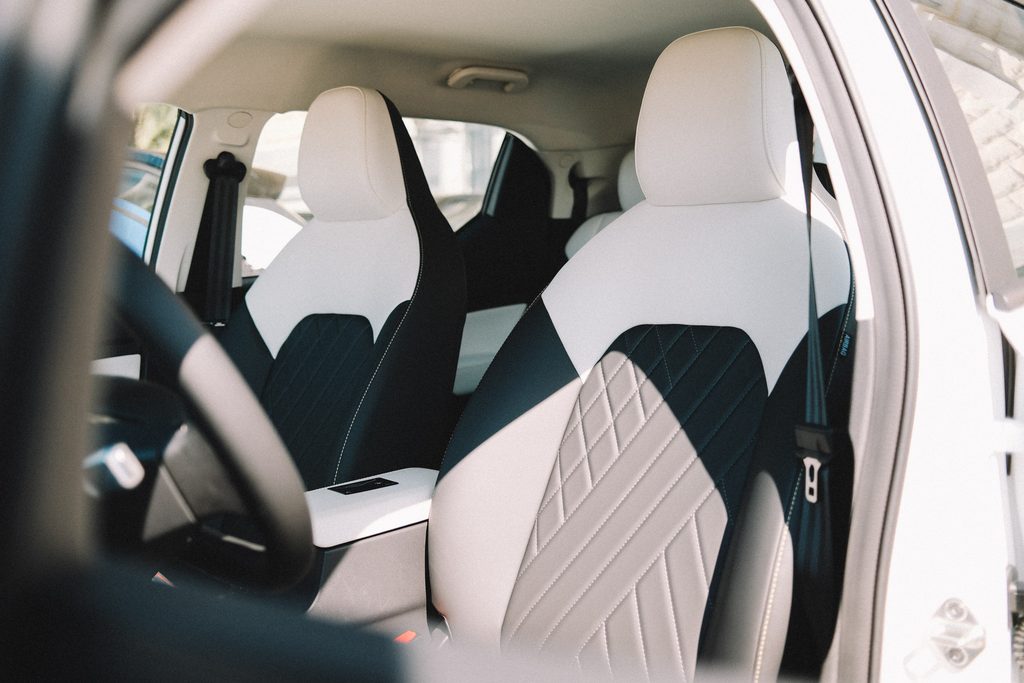
This also includes upgrades to the powertrain, now being capable of up to 99 horsepower and 180Nm of torque, a larger 43kWh battery that can drive up to 370km of range (NEDC), and up to 60kW DC charging.
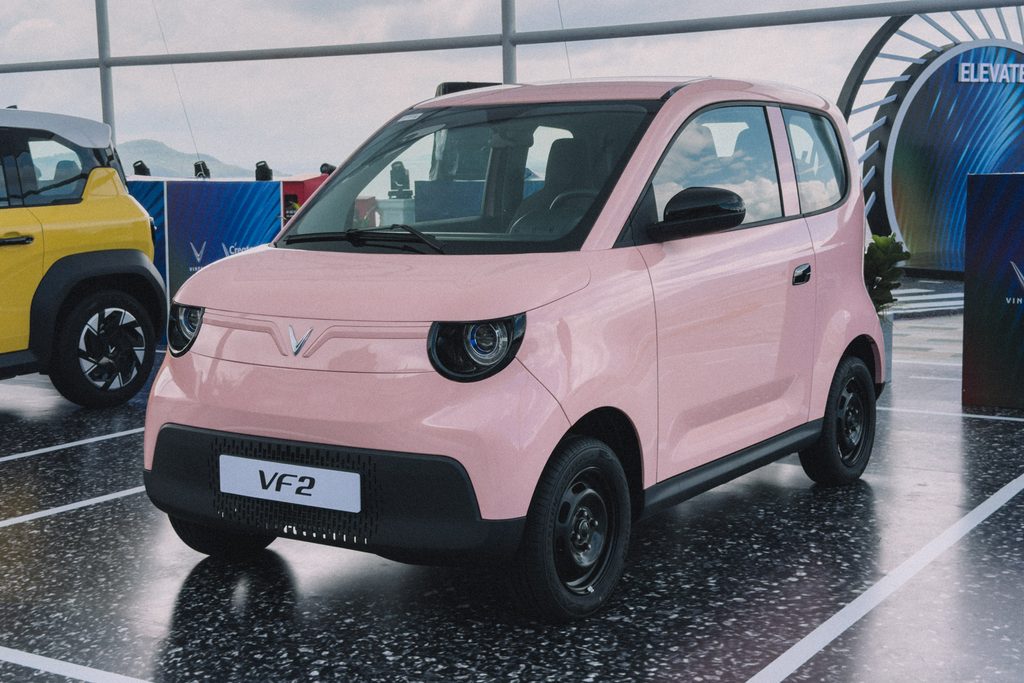
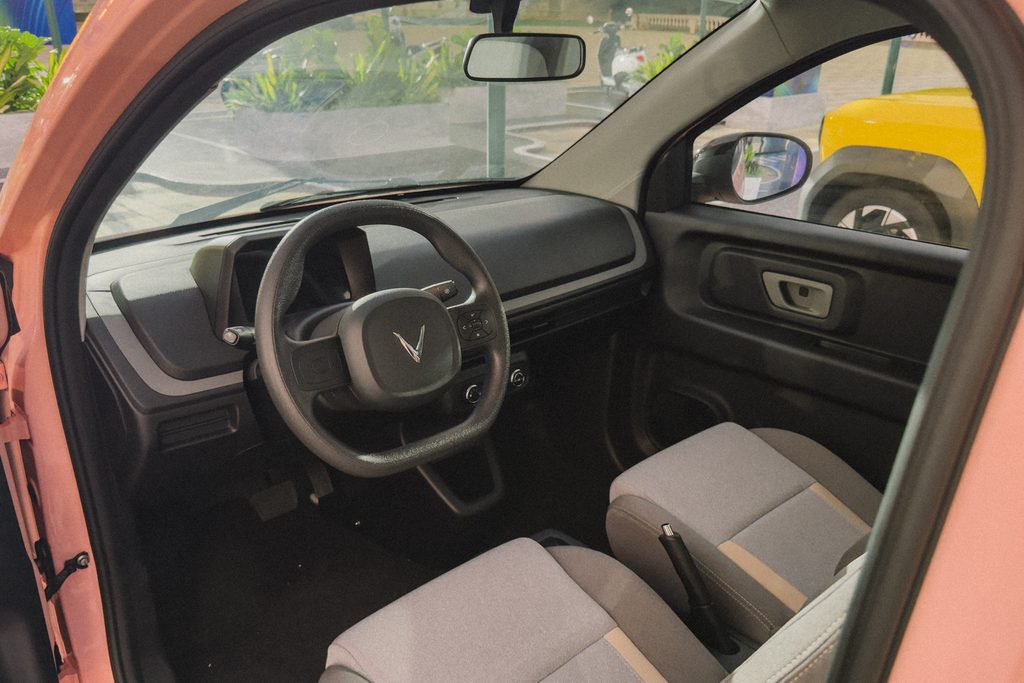
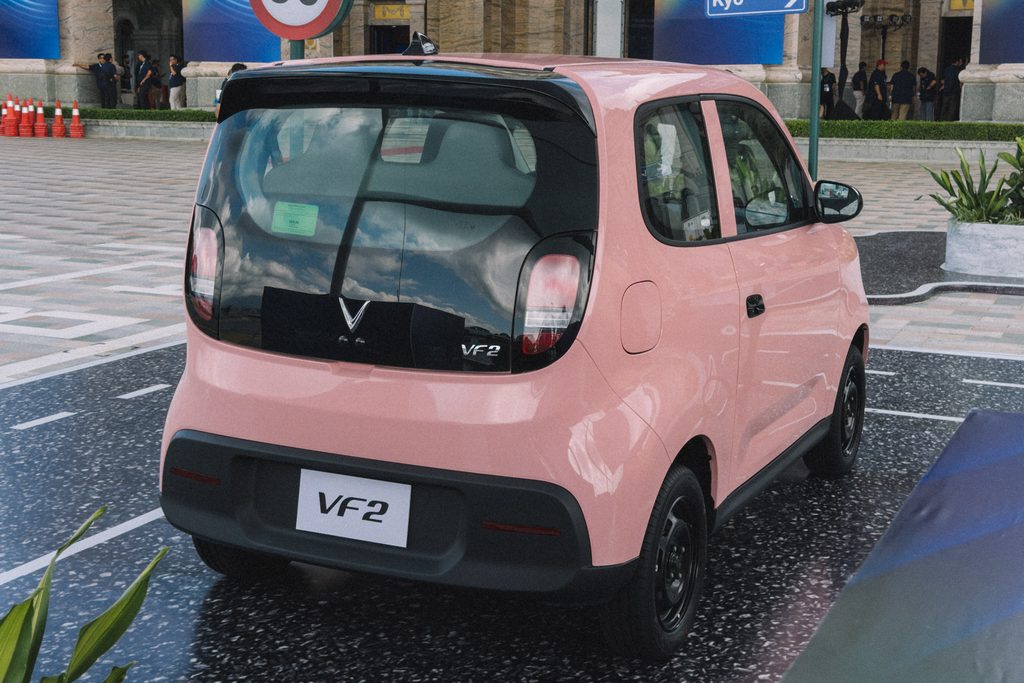
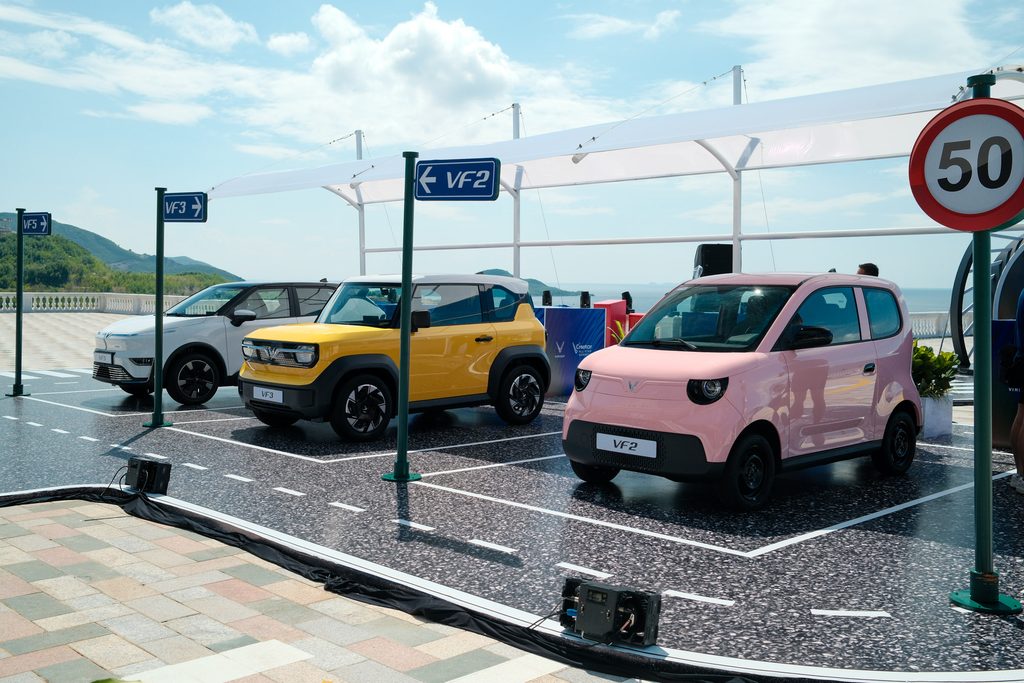
Then, there’s the VinFast VF 2, the brand’s smallest micro EV priced at 188 million VND, or around Php 465,000. Slotting below the VF 3, this is purely designed to be a city car with 40 horsepower and 65Nm of torque, with a top speed of up to 80kph, and a maximum range of 210km (NEDC) from its 18.3kWh battery.
It has a cute design with a whole variety of colors, and the basics inside include only a 7-inch digital instrument cluster, manual air-conditioning, manual fabric seats for four, and not much else, all designed for the city and not much else.
One of the more interesting aspects of this trip was the entire half-day of conferences. We were expecting them to initially talk about these new products, but this turned out to be a conference discussing the future of the brand with technologies as it marked its shift to becoming a mobility company.
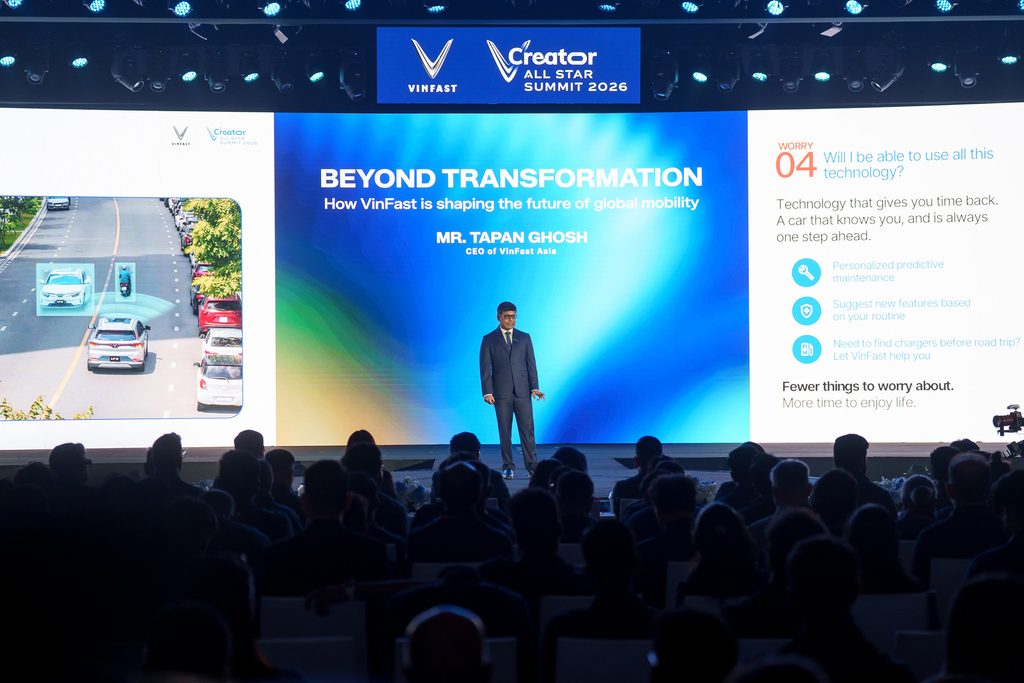
Topics discussed were how electric vehicles not only match but also surpass internal combustion-engine vehicles; how it (VinFast) has five solutions for five worries of EV ownership, which are making EVs easy to own and offering multiple choices; dealing with battery costs and resale value; having a charging network; relying on technology to make ownership and driving simpler and stress-free; and, of course, aftersales.

However, the main focus is how it will be leveraging artificial intelligence to “help” reshape the automotive industry, starting with its own products.
There was a lecture about AI in general, how it can modernize and simplify almost everything, of course, with its own downsides, and the development of VinFast’s next-generation advanced driver assistance systems, even going as far as inviting partners from Qualcomm to talk about its Snapdragon Digital Chassis as one of the foundations for its next-generation ADAS suite.
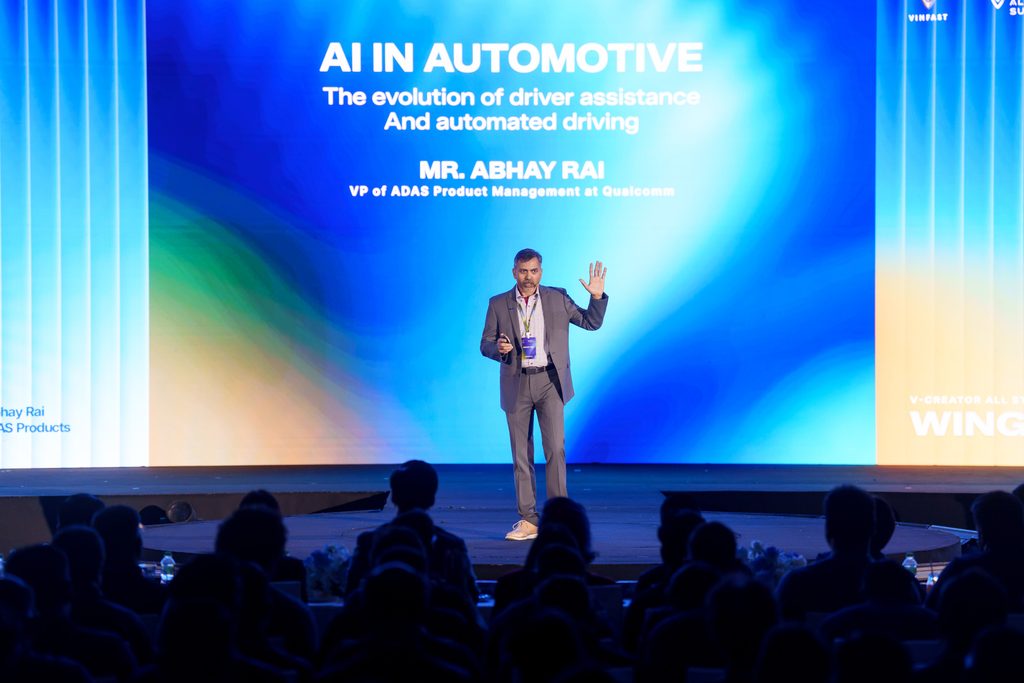
One key takeaway from that lecture was that VinFast is going all-in, advancing its tech up to the point that they aim to build a Level 4 self-driving Robotaxi by 2027 to 2028, with them already having completed technical evaluation in Q3 of this year. This finished product will be utilized within VinHome properties within Vietnam prior to expanding around the world.
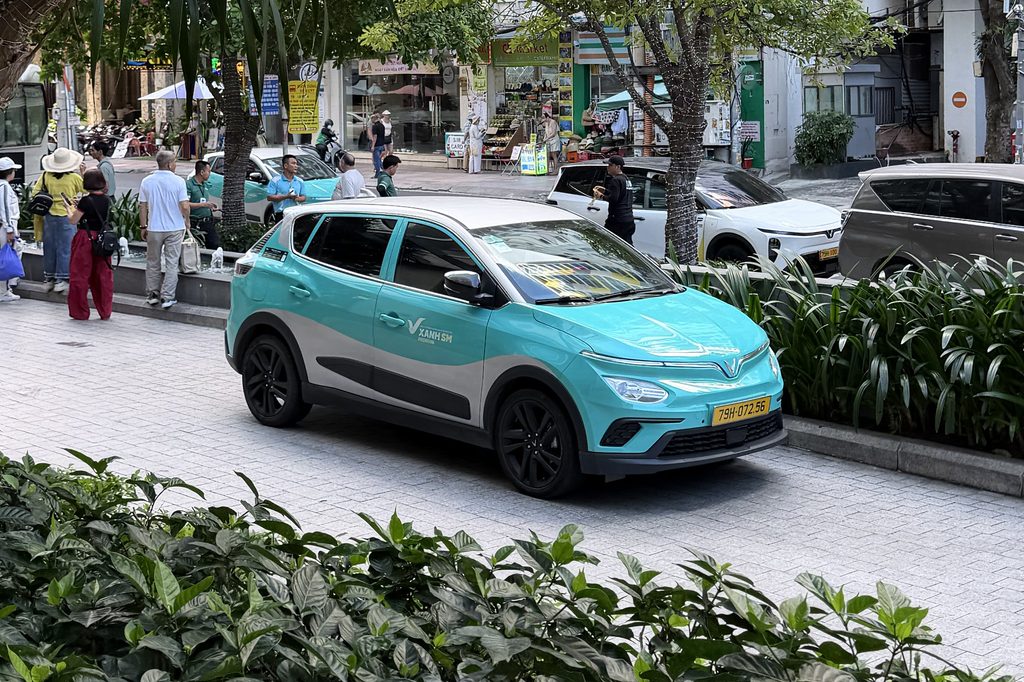
This already raises some eyebrows, as you may already be aware that VinFast itself operates a taxi/ride-hailing service called GreenSM (or GreenGSM locally), where they provide the vehicles and the infrastructure for drivers. It’s already launched around most of the world, but an important distinction is that in countries like the Philippines, many people use this as their livelihood.
Like what many are experiencing right now, AI is already replacing people and jobs. But of course, there was a lecture about the global economy— showing how the “economic center of gravity” has been shifting around, from superpowers like India, China, Europe, America, and most recently, China.
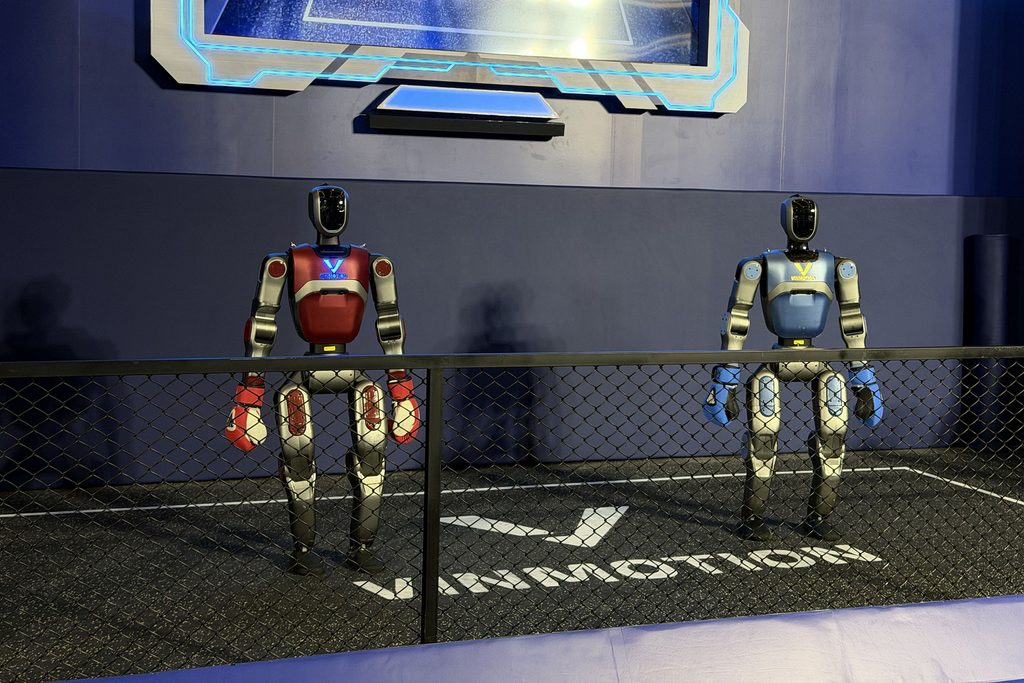
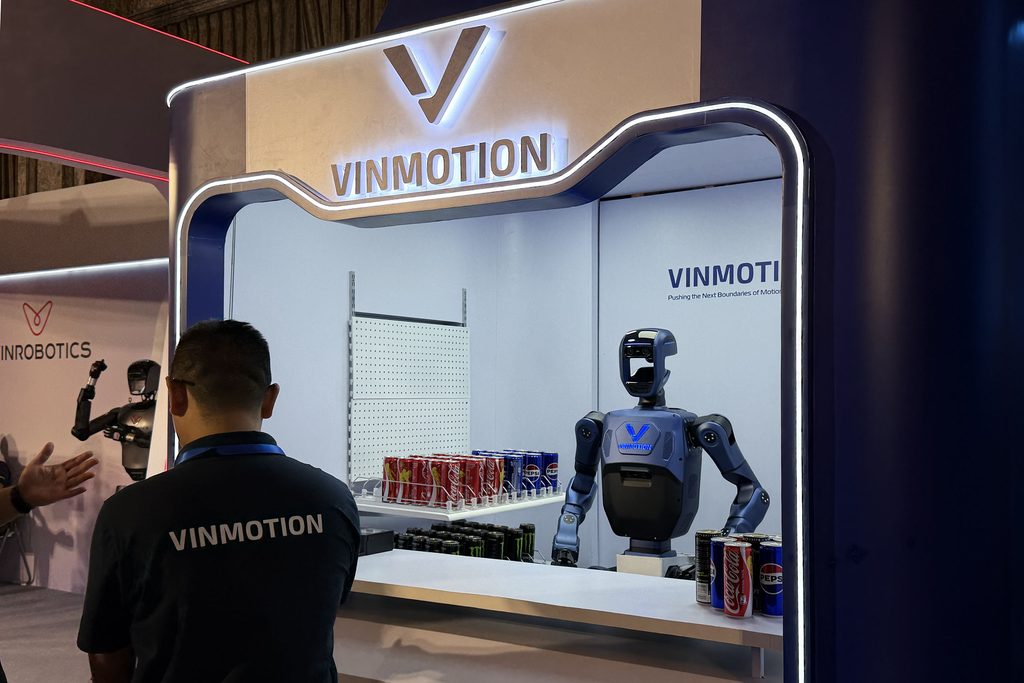
VinFast argues that as these next-generation systems develop, they can shift to a manufacturing-based economy where jobs taken by robotaxis and AI are replaced with specialized roles related to production and manufacturing. A long-term goal for sure, but there are a handful of consequences that VinFast has to tread and handle carefully, which I’m pretty sure they’ve gotten that in check.
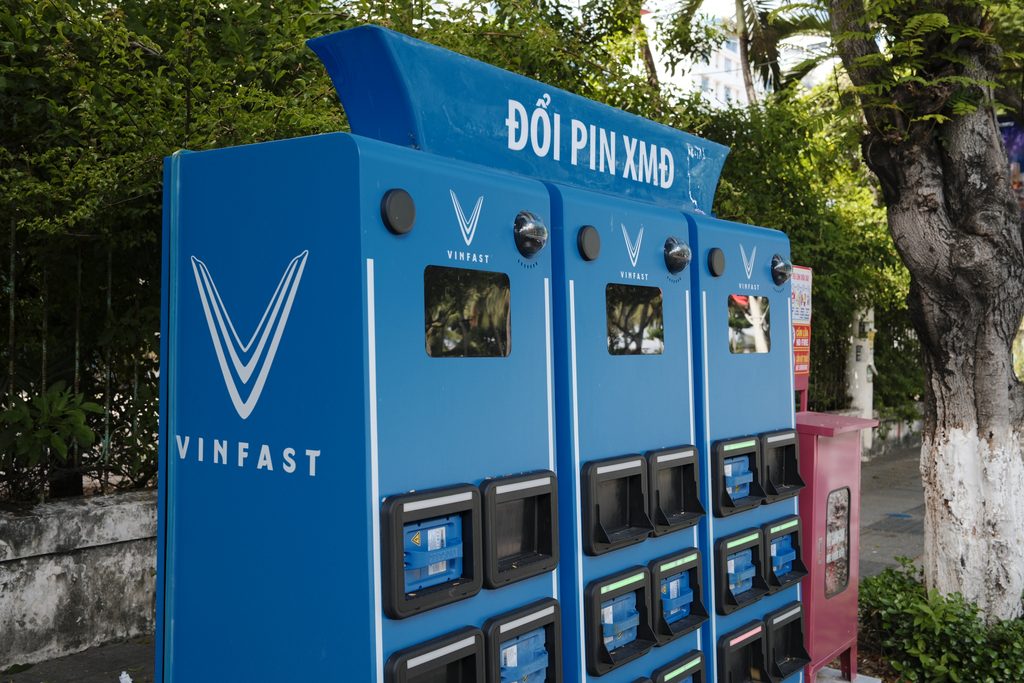
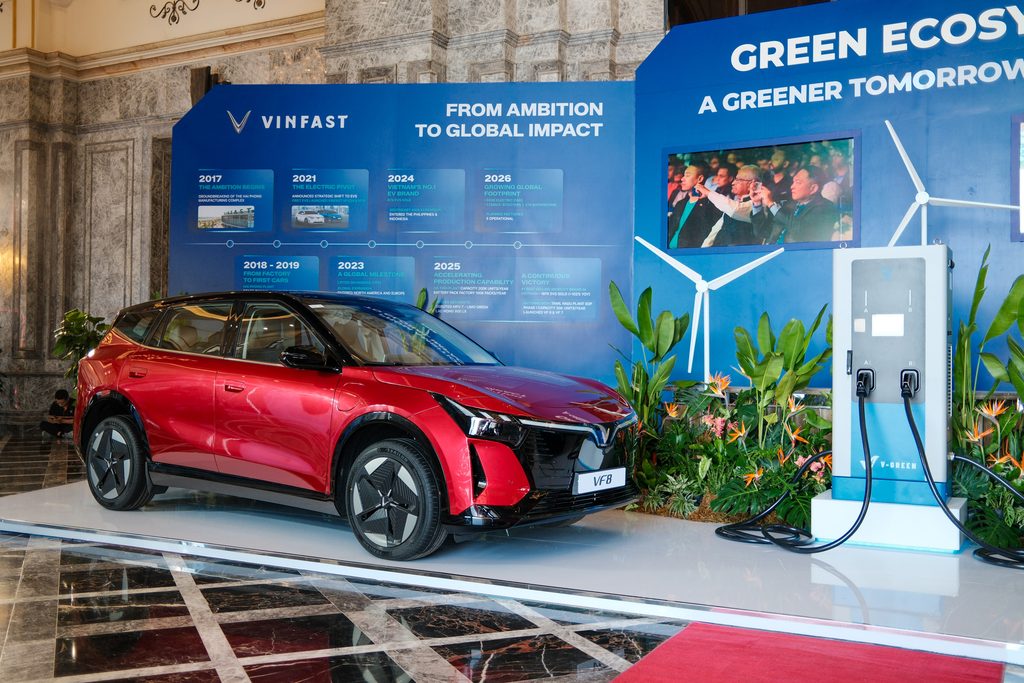
This is a bold move to be taken by VinFast to show that it, too, can be a technological powerhouse like many other brands around the world. As everyone says, artificial intelligence is a powerful tool, but also a potential trap if not used properly.
As for what this means for the Philippines, well, the brand is already planning to establish a multi-billion peso facility in the country to produce four-wheeled electric vehicles, apart from expanding its lineup to include any new models that are set to be introduced, and to expand its EV charging infrastructure to support this growth trend.
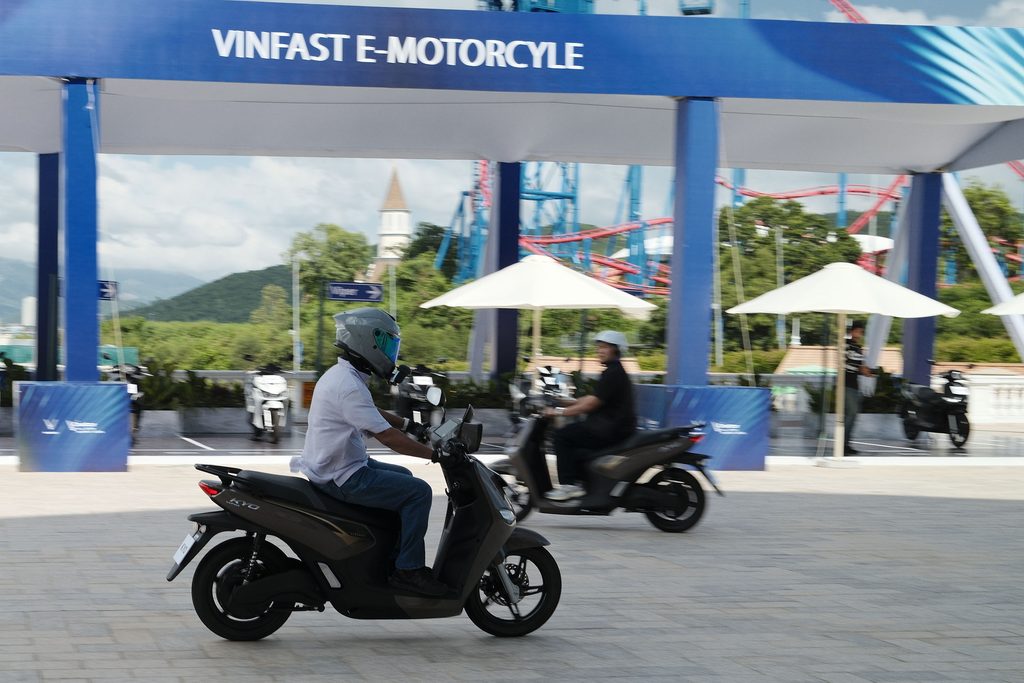
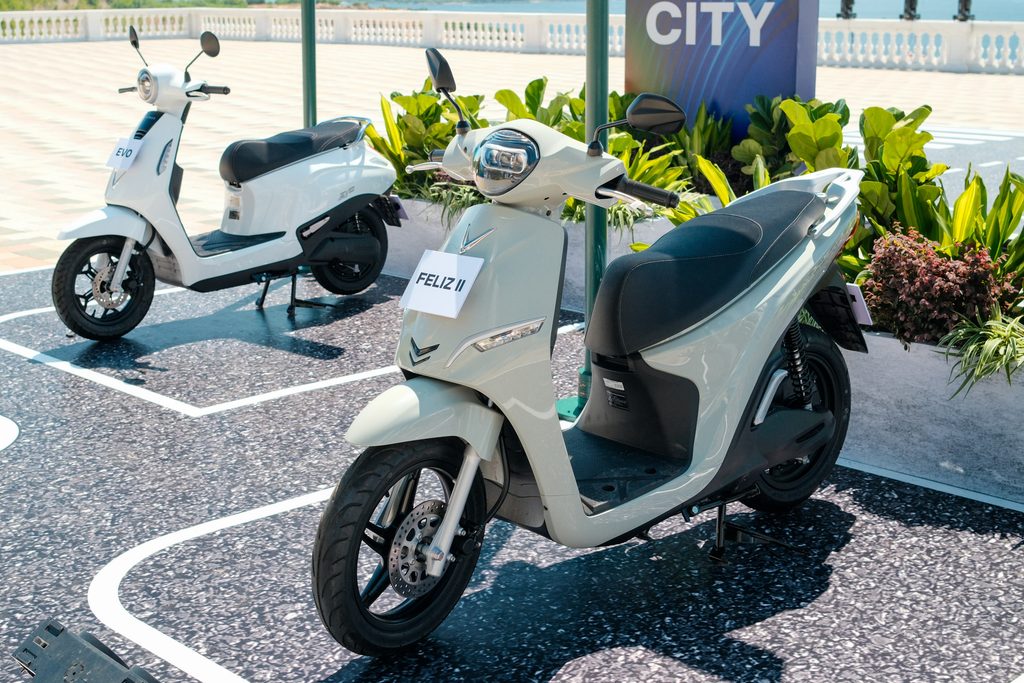
And for the brand to transition from being purely a full-electric automaker (which also happens to produce electric motorcycles) to expanding its reach to mobility and more, well, shows that this company is not resting on its laurels and is making bold moves that need to be navigated properly.