








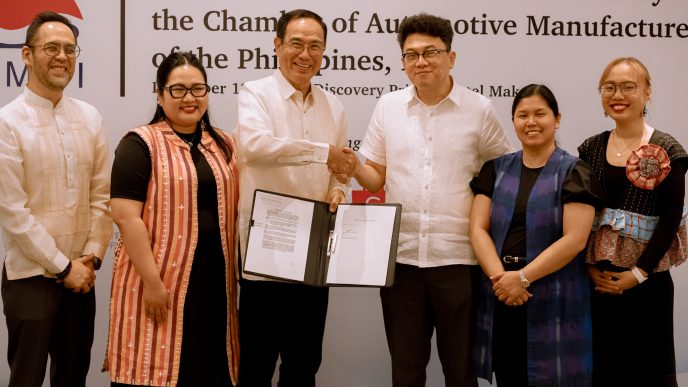
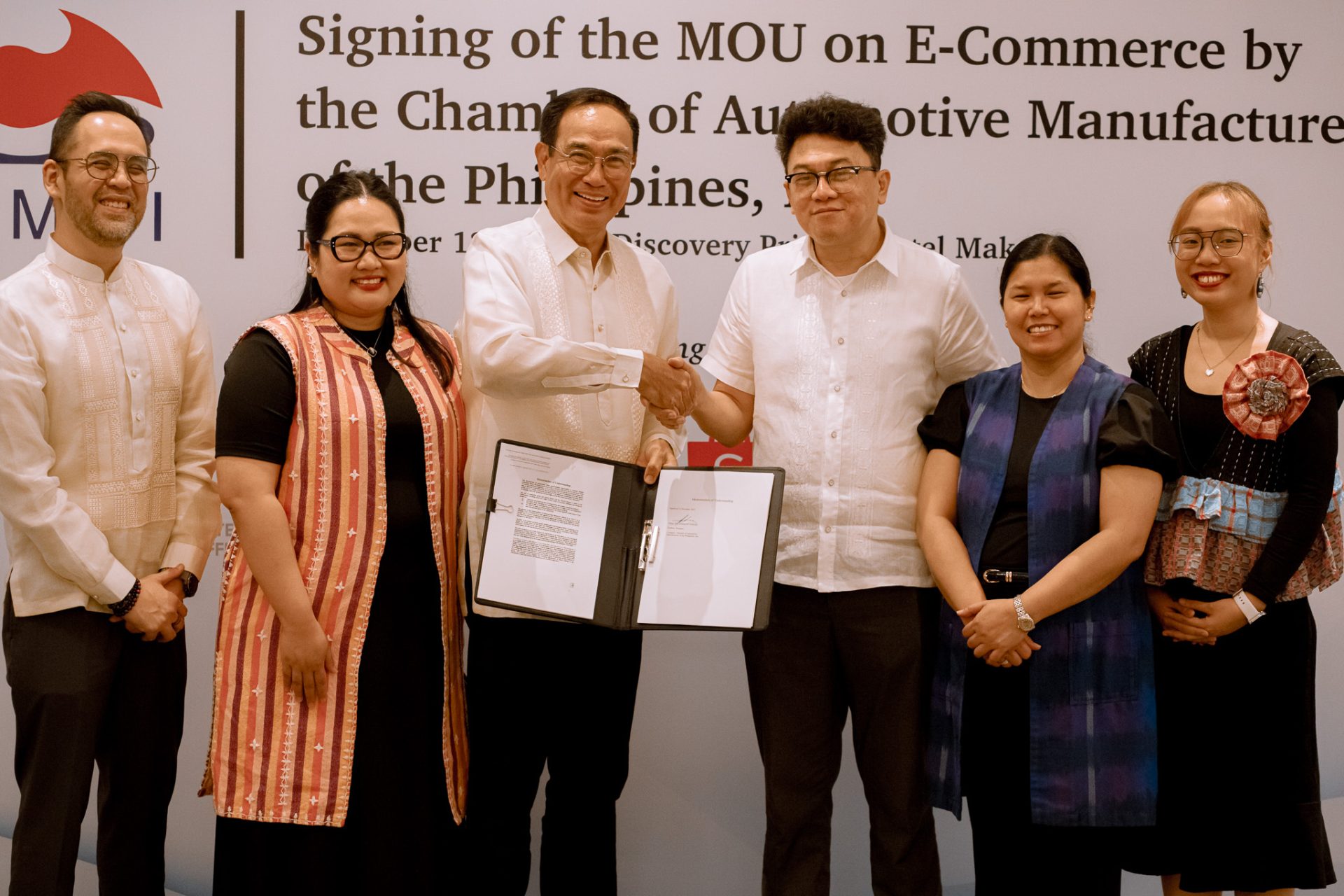
The Chamber of Automotive Manufacturers of the Philippines, Inc. (CAMPI), the country’s premier association of automotive marques, recently signed a memorandum of understanding (MOU) with Lazada, Shopee, Tiktok, and Zalora to crack down on sellers of fake auto parts online.
In a speech, CAMPI President Atty. Rommel Gutierrez said the move is in line with the group’s “new vision toward sustainable mobility (unveiled for CAMPI’s 30th-anniversary celebration this year), supported by four pillars that include vehicle and road safety.” He explained during a later Q&A session that the effort itself began in 2021. “We thought as an industry association (that) it’s about time to join and participate in these efforts. It’s never too late.”

Atty. Gutierrez, also an executive at Toyota Motor Philippines Corporation (TMP), added that CAMPI “continues to strengthen its mission to raise awareness and fight against counterfeit products that compromise the safety of Filipino consumers. With increased popularity and convenience, e-commerce platforms have become popular for the purchase of automotive parts including and, most especially safety, parts.” He added that this is a “big challenge for original equipment manufacturers and brand owners.”
Meanwhile, Intellectual Property Office of the Philippines Director General Atty. Nathaniel Arevalo said in his own speech that the easy availability of these below-standard parts and accessories on e-commerce platforms pose a great risk that demands immediate action. “Beyond violating the intellectual property rights of legitimate manufacturers, the use of counterfeit spare parts directly compromises public safety – whether in vehicles, electrical systems or machinery. A single defective part can endanger not just property but people’s lives,” he declared.
The MOU opens the doors to quicker takedowns of offending posts. Brand owners can directly contact the aforementioned online platforms to report the selling of counterfeit auto parts. “The actions of these (signatory platforms will be) very quick,” Atty. Arevalo promised.
CAMPI shared data from the Land Transportation Office (LTO) that reveals a huge market for aftermarket automotive parts stemming from a vehicle population of “about 5.8 million units” as of last year. “By joining the MOU, CAMPI hopes to promote Intellectual Property (IP) culture in the automotive industry and support its members in the development of their IP protection strategies,” the group said in a statement.
Atty. Gutierrez stated that the MOU is expected to help CAMPI curb not just the proliferation of counterfeits but even gray-market sales of actual vehicles. “We have noticed that there are dubious sellers of motor vehicles (as well),” he shared, and warned browsers to be more discerning. “When we buy on e-commerce platforms, we really feel that we might get good deals. But beyond that – at least for the automotive industry – we (see fake) parts. We’re not discouraging people from buying online, but really show we have OEM (original equipment distributors and manufacturers of legitimate, genuine parts. That’s what we want consumers to get rather than something that may be fake. Most likely, parts sold online are not genuine parts.”
Replying to a question from this writer, the CAMPI president averred that the group itself does regulate or even dictate upon members what to do. “Perhaps, the role of CAMPI like what we’re doing right now is to raise awareness about the dangers of some illegal practices like selling fake parts.” Having said that, Atty. Gutierrez considers the MOU merely an initial step, and insisted it will be “subject to review 12 months from signing.” He commented, “Let’s see how this partnership will perform. We have some KPIs (key performance indicators) here that we’re mindful of.”
While stressing the danger of fake parts that “undermine regulations and compromise the safety of road users and the public,” Atty. Gutierrez said that CAMPI member brands will be submitting a list of vetted sellers to the online platforms to facilitate the process of identifying spurious sellers.
Atty. Gutierrez said that online shoppers themselves can report suspicious products or sellers found online to legitimate dealerships. They, in turn, are expected to raise these concerns to the local distributor.
The IPOPH can also assist and even receive complaints. Atty. Arevalo said that the “action is quick, unlike in the case of litigations that you have to file in court. It can take months or years.” Still, the takedown mechanism does not preclude the brands from pursuing cases against the counterfeiters or sellers.
There’s not enough teeth yet, admitted Atty. Gutierrez, although what’s good about it is that there is now a concerted effort among the signatories. “What’s nice is that there is cooperation; we promised commitment and cooperation,” he concluded.
For more information, visit the official CAMPI website at www.campiauto.org.


