




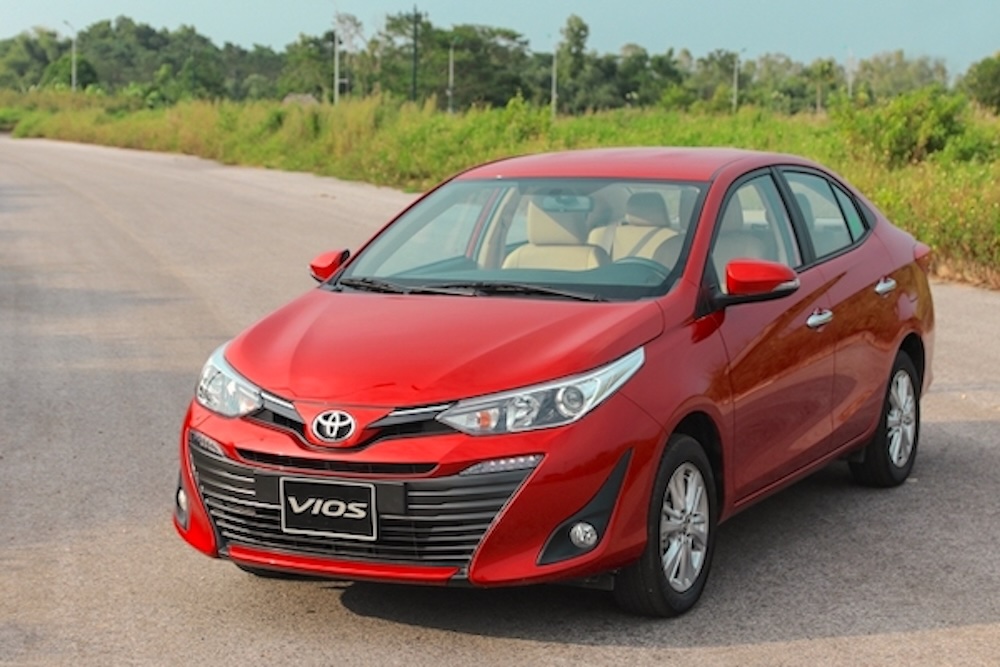
Most people talk about the Philippine car market by rattling off new models, sales charts, and the newest technology. But if you step outside the showroom, there’s a much more interesting story. The cars Filipinos drive have always represented the country’s changing economy, family setups, and daily grind. Every time lifestyles shifted, so did the cars we saw on the road.
1986–1995: When Practicality Came First
Back in the mid-1980s, owning a car was a pipe dream for most Filipino families. The country was just starting to recover from political and economic chaos, so public transport was king. Jeepneys, buses, tricycles, and commuter vans ruled the streets, and having your own car was more of a badge of honor than a basic need.
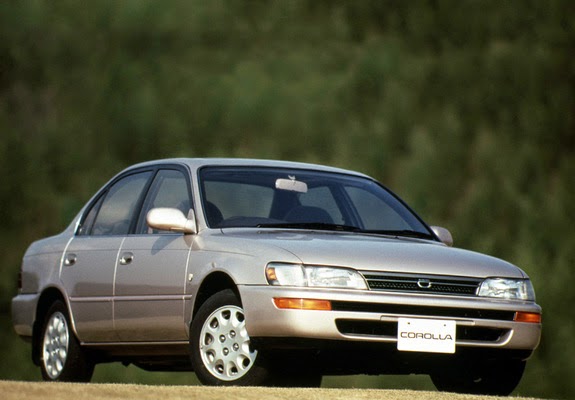
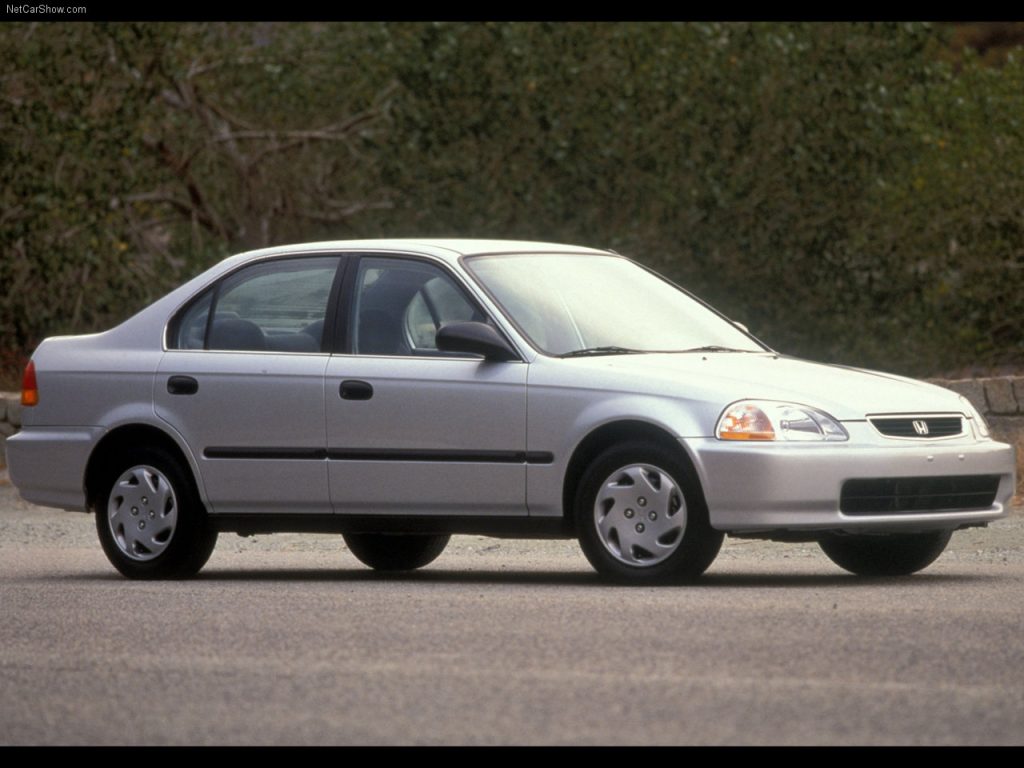
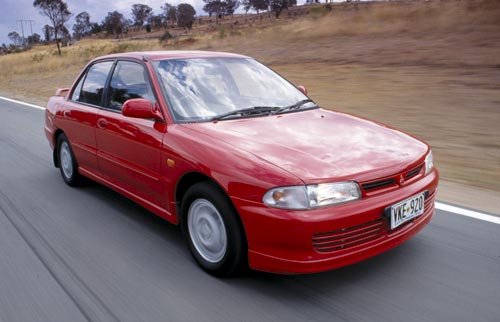
If you had the cash for a car, you probably ended up with a compact sedan. The Toyota Corolla, Mitsubishi Lancer, Nissan Sentra, and Honda Civic were everywhere. Nobody bought them for looks or speed – they were all geared toward practicality. They weren’t heavy on fuel usage, didn’t break the bank to maintain, and could squeeze in a whole clan, grandparents included. Emphasis on squeeze.
Meanwhile, a true Filipino original was taking shape: the Asian Utility Vehicles, or AUVs. Think Toyota Tamaraw FX, Mitsubishi Adventure, Toyota Revo, Nissan Bida (a rebadged Ford Fiera IV), and Isuzu Hi-Lander. These were the Swiss Army knives of the road. One day they’d haul kids to school, the next they’d be packed with relatives heading to the province, and in between, they’d moonlight as delivery vans or business haulers. When every peso counted, versatility always beat out luxury.
1995–2005: OFW Prosperity and the Rise of the Family Vehicle
The next major turning point happened in the late 1990s and early 2000s, as overseas Filipino workers transformed the country’s economic situation. According to data from the Bangko Sentral ng Pilipinas, cash remittances from overseas Filipinos grew from around $6 billion in 2000 to more than $10 billion by 2005, continuing to rise steadily in the years that followed. That influx of household income changed purchasing priorities throughout the country.
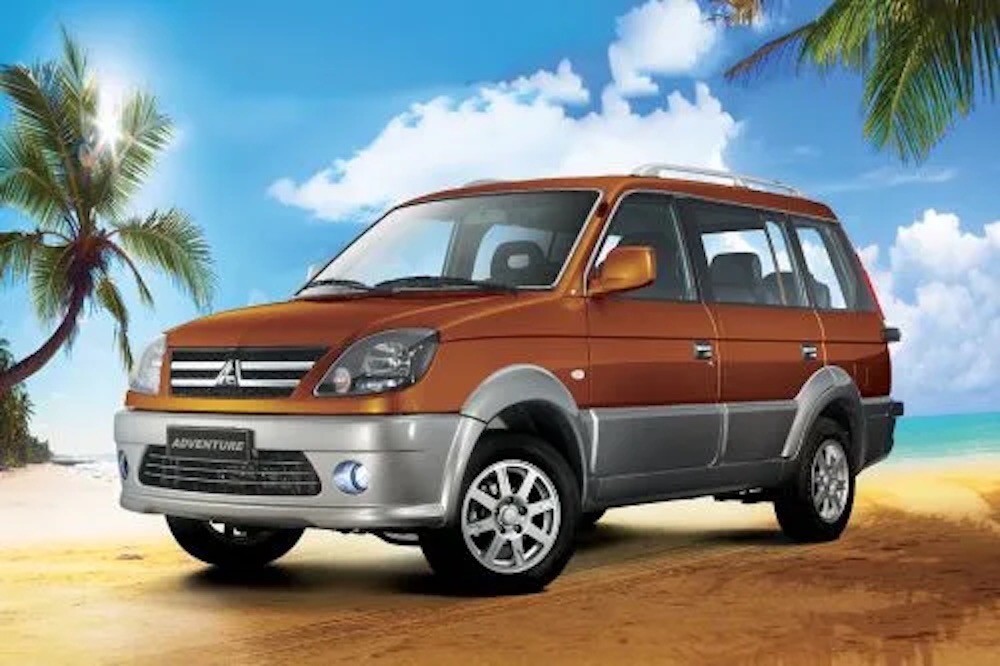
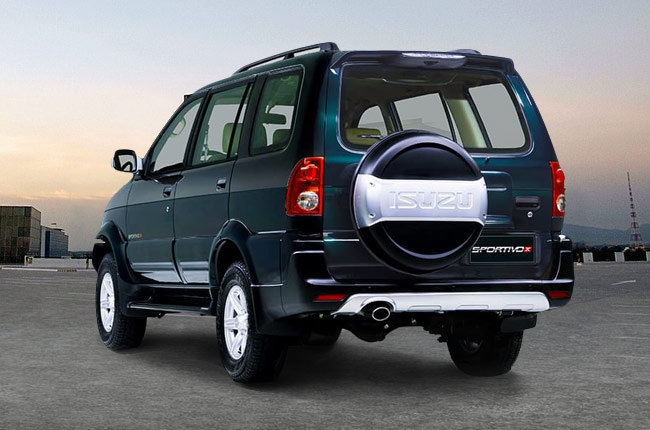
For a lot of families, finally buying a car was the ultimate proof that all those years working overseas were worth it. Big families needed big rides, so seven- or eight-seaters like the Mitsubishi Adventure, Toyota Revo, and Isuzu Crosswind became the go-to choices. You’d spot them lined up outside airports, packed with relatives waiting for balikbayans, or driving down provincial highways loaded with family for the next long weekend.
The mall boom changed everything, too. In the 1990s and 2000s, SM, Ayala, and Robinsons popped up everywhere. Suddenly, weekend family trips were all about hitting the mall instead of the local palengke. That made having your own car a lot more appealing, especially if you had kids or grandparents in tow.
2005–2015: Urban Expansion Creates the SUV Generation
By the mid-2000s, life in Metro Manila was getting even crazier. The city kept on growing, traffic jams got worse, and new subdivisions started popping up in Cavite, Laguna, Bulacan, and Rizal. Suddenly, many people were spending hours on the road every day, and more families had both parents working.
All this turned the humble pickup from a workhorse into a family dream car. Suddenly, ads weren’t just for farmers or builders – they showed families heading out for camping, surfing, or mountain biking. The Toyota Hilux, Ford Ranger, Nissan Navara, and Mitsubishi Strada became the poster kids for the active lifestyle, even if most of them spent their days stuck in city traffic.

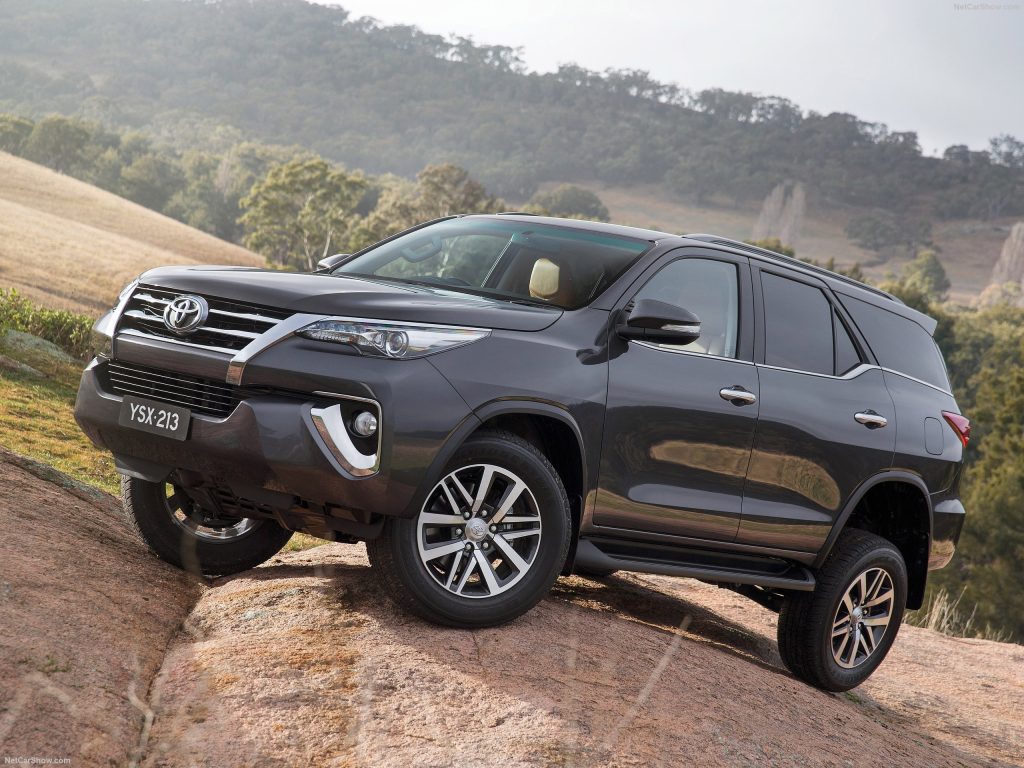
SUVs jumped on the bandwagon, too. The Toyota Fortuner, Mitsubishi Montero Sport, Ford Everest, and Chevy Trailblazer were built for Filipino roads – high ground clearance for floods, tall seats for seeing over traffic, and enough space for the whole extended family. For a lot of folks, buying an SUV stood as both a smart move and a badge of success.
2015–2020: Why Crossovers Replaced the Sedan
The 2010s were a little different for Filipino car buyers. Families shrank, condos popped up everywhere, and young professionals decided marriage could wait. Suddenly, the trusty family sedan started looking a little outdated. People still craved that high driving position and room for all their stuff, but nobody wanted to deal with the bulk or thirst of a full-blown SUV.
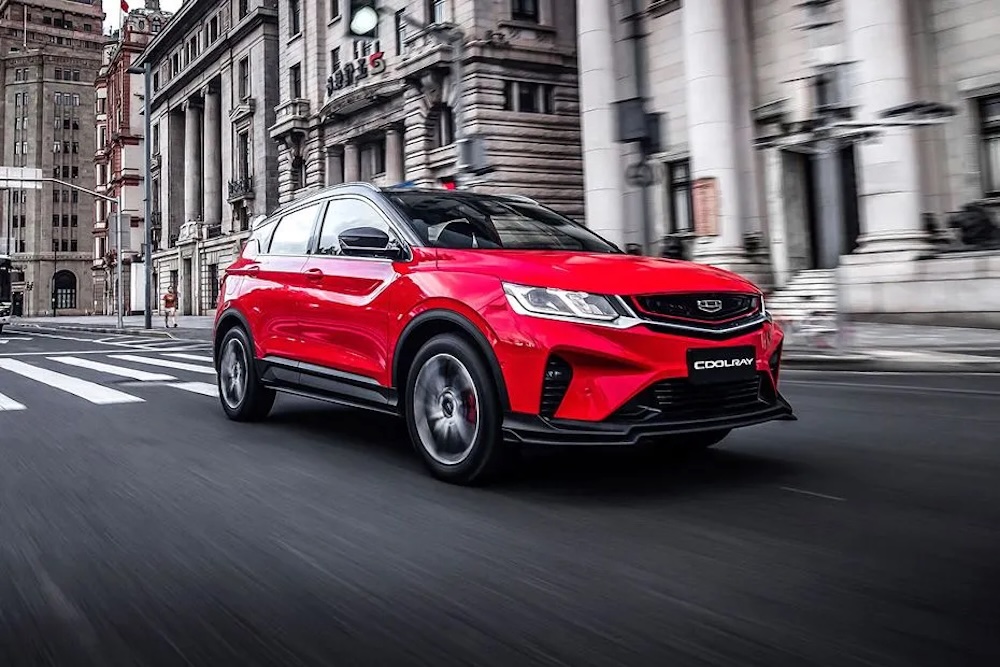
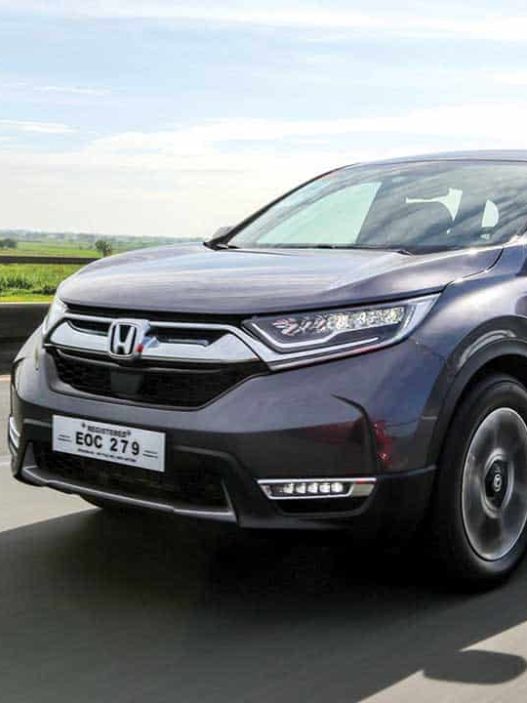
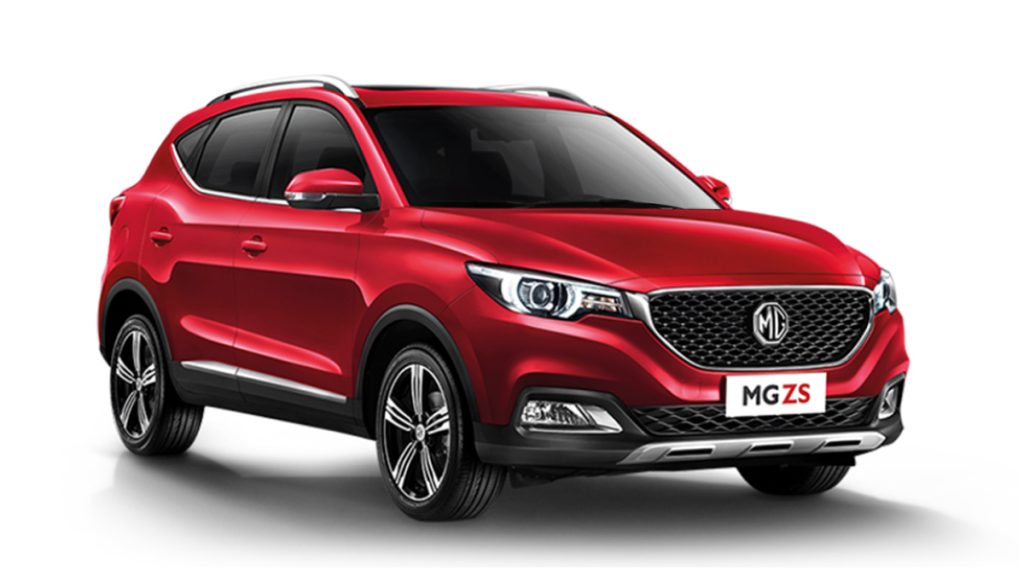
Enter the crossover. Models like the Honda HR-V, Mazda CX-5, Hyundai Kona, Nissan Kicks, Toyota Corolla Cross, Geely Coolray, and MG ZS swooped in, offering all the SUV perks people loved – minus the parking headaches and gas station guilt. They were just as easy on the wallet as compact sedans, too. Instead of shoving SUVs to the curb, crossovers opened the doors to first-time buyers and young professionals who wanted flexibility without the extra baggage.
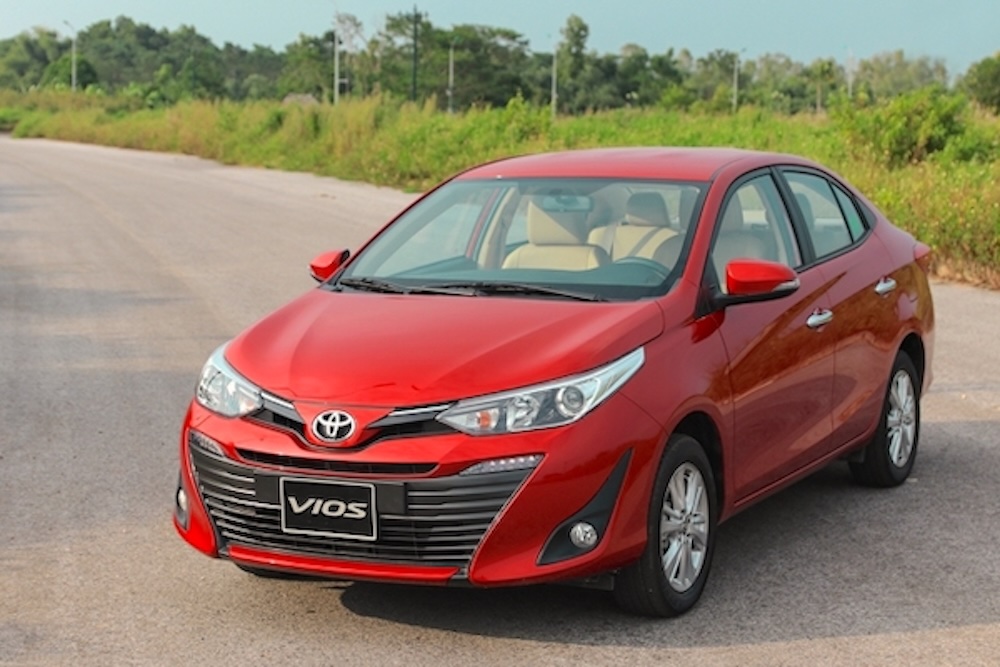
Suddenly (and thankfully), features you’d only find in luxury rides – touchscreens, Apple CarPlay, Android Auto, surround-view cameras, and all sorts of driver aids – were popping up in everyday cars. They were democratized. Shoppers stopped obsessing over engine specs and started asking, ‘Can I plug in my phone? Does it have a 360 camera?’ Cars had to fit into digital lives, not just driveways.
Then emerged the Chinese brands, right on cue. MG, Geely, Chery, and GAC jumped in just as young buyers stopped caring about old-school badges. Forget decades-long reputations – these brands went all-in on big screens, panoramic sunroofs, and safety tech, all at prices that made established names sweat. For a lot of folks, value now meant more gadgets for your peso, not just a familiar logo.
2020–2025: Technology, Safety, and Changing Priorities
Then COVID-19 hit, and suddenly, cars were beyond simply a way to get around – they were a private bubble. With public transport off-limits and everyone worried about germs, having your own ride turned out to be more than a need; it’s a must. International trips were scarce, so families packed up and hit the road to Tagaytay, Baguio, Batangas, and La Union instead. Naturally, SUVs and crossovers thrived, hauling people and luggage on these new adventures with ease.
Tech also took center stage in car shopping. Where buyers used to care about engine size and how many people they could squeeze in, now it was all about screen size, smartphone hookups, driver aids, and even whether the car could update itself over Wi-Fi. Chinese brands only sped things up, packing in features you’d expect from pricier cars.
2026: Rising Fuel Prices Push Hybrids Into the Mainstream
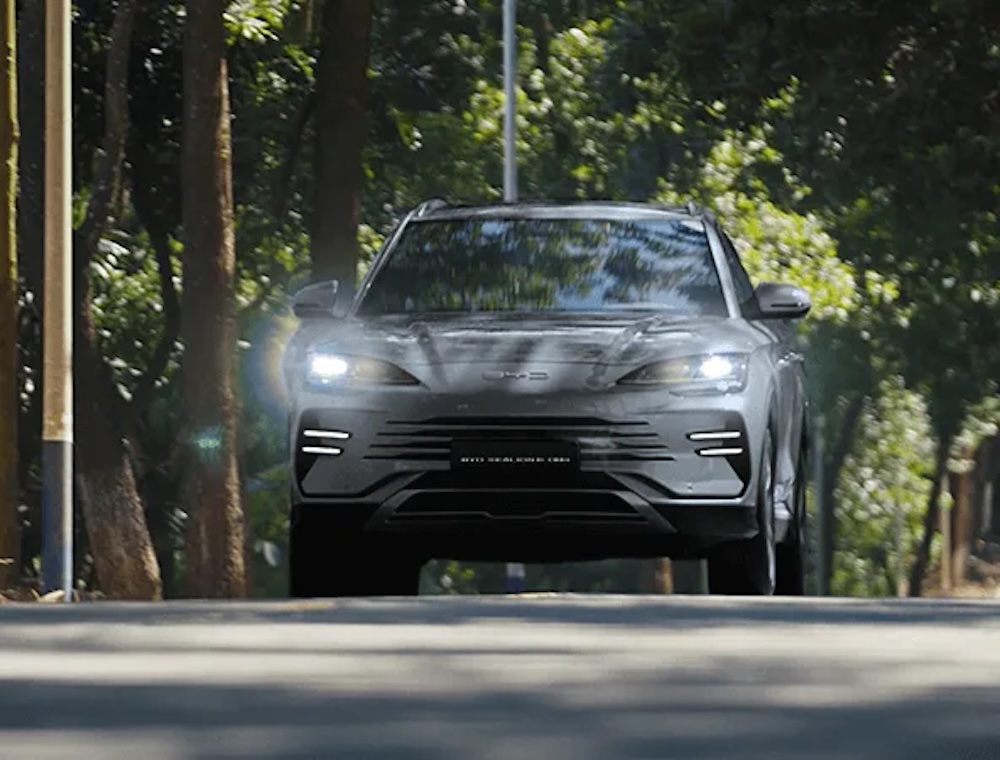
This year, the game changed again, with wallets feeling the pinch first. Oil prices shot up after the Iran conflict, and our country – hooked on imported liquid gold – got hit hard. Everyone was talking about weekly fuel hikes, and families started rethinking what it really cost to keep a car on the road.
Thankfully, there were more options. Hybrids were everywhere, from budget to premium, and EVs were no longer only for early adopters. Most buyers saw hybrids and EVs as a smart way to cut down on fuel bills.
Hybrids came out on top. You could fill them up like any other car, but they sipped fuel instead of guzzling it – perfect for anyone not quite ready to go full electric. Meanwhile, EVs kept winning over city drivers with home chargers who wanted to dodge the fluctuating gas prices.
These days, fuel economy has become the new bragging right. People compared kilometers per liter, annual savings, and ownership costs instead of just horsepower or 0-100 times. Chinese automakers cashed in on their “new energy vehicles” that are loaded with features, while legacy Japanese and American automakers are playing catch-up.
Looking Ahead: The Next Lifestyle Change Is Already Happening
Will electrification speed up or slow down? That depends on fuel prices, charging stations, government perks, and how many new hybrids and EVs hit the market. But if history tells us anything, Filipinos don’t just follow trends because they’re cool.
Filipino buyers have always picked cars that fit real life. Compact sedans made sense when the country was rebuilding. AUVs were perfect for big families and small businesses. SUVs and pickups matched the city’s growth and new ambitions. Crossovers nailed the sweet spot between utility and city life. Now, hybrids and EVs are catching on – not just for the tech, but because they help keep costs in check.
Four decades on, it’s obvious: cars didn’t shape the Philippine market – people did. As lives change, so do the rides parked in Filipino garages. And that’s not about to stop anytime soon.