





The country’s transition to electrified vehicles has been fast-tracked thanks to the turmoil in the Middle East. Almost overnight, it doesn’t make sense to buy a car that runs exclusively on fuel. Even the doubters before are now inquiring about electrified cars. This is also reflected on industry reports that have shown significant spikes on sales of new energy vehicles.
For many buyers, however, going fully electric may still feel like a big leap. Hybrid vehicles offer a practical middle ground, combining the familiarity of a gasoline engine with the fuel-saving benefits of electric technology.
As more Filipinos explore this option, Metrobank encourages buyers to look beyond the excitement of owning a hybrid and focus on making informed financial decisions. After all, choosing a vehicle isn’t just about the technology, it’s about finding one that fits your lifestyle, driving needs, and budget.
HEV, PHEV… what’s the difference?
One of the first things buyers should understand is that not all hybrid vehicles are the same.
“Mild hybrids” use a starter-generator system that assists the gasoline engine but cannot move the vehicle on electric power alone.
Full hybrids, or Hybrid Electric Vehicles (HEVs), have a dedicated battery and electric motor that can propel the vehicle at lower speeds. The vehicle automatically switches between the engine and electric motor to maximize fuel efficiency, giving drivers a convenient “gas-and-go” experience without the need to plug in.
Plug-in Hybrid Electric Vehicles (PHEVs) offer a taste of the full electric vehicle experience. Aside from having dedicated batteries and an electric motor, they can also be plugged in for charging instead of relying solely on regenerative braking. Their EV mode allows them to travel longer distances using electricity alone before the gasoline engine takes over.
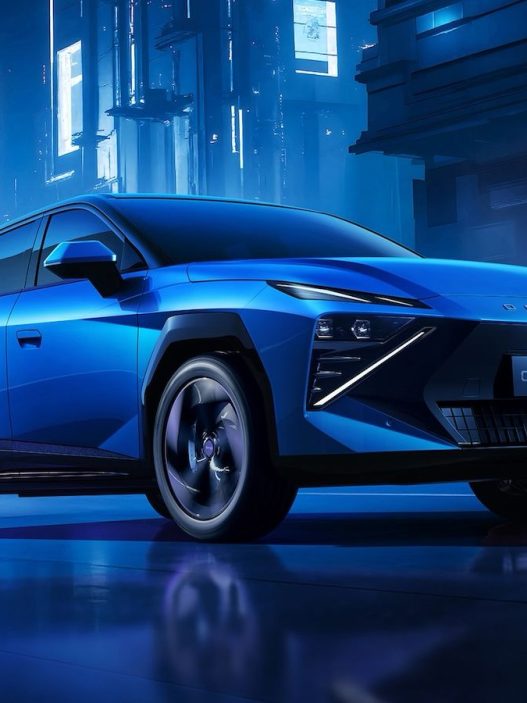
Then there are Range-Extended Electric Vehicles (REEVs). Unlike PHEVs, their gasoline engine isn’t connected to the wheels, instead, it functions solely as a generator that recharges the battery. They also offer plug-in charging and typically deliver a longer electric-only driving range. For example, the BYD Sealion 6, a PHEV, offers an EV-only range of around 105 kilometers, while the Deepal S07, a REEV, can travel up to 170 kilometers on electric power alone.
Which hybrid is right for you?
Understanding the technology is only the first step. Choosing the right hybrid still comes down to your everyday needs.
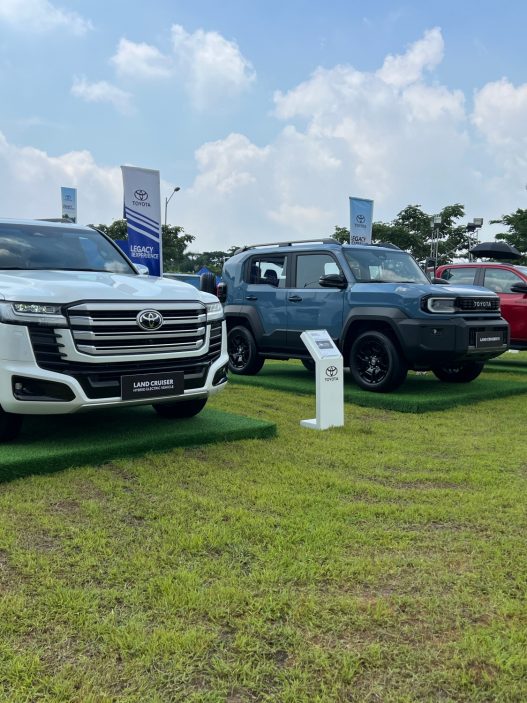
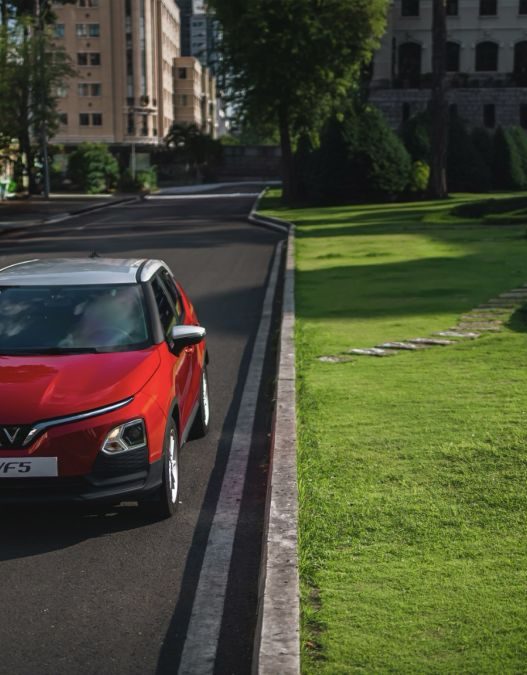
Whether you prefer a sedan, crossover, or SUV, hybrid options are now available across different vehicle segments and price points.
If you want a gas-and-go experience, you can get any hybrid car. It will be more efficient than any fuel-only vehicle and you won’t have to fiddle around with settings, chargers, and charging stations. Those who’d want a taste of the full-EV experience without range anxiety would be better off with a PHEV or REEV for that EV mode.
The key is to match the vehicle to how and where you actually drive.
Think beyond the cost
Before, electrified vehicles often came with a significant premium over comparable gasoline-powered models. Today, that gap has narrowed considerably, with many hybrid variants available at similar price points as gas-powered vehicles.
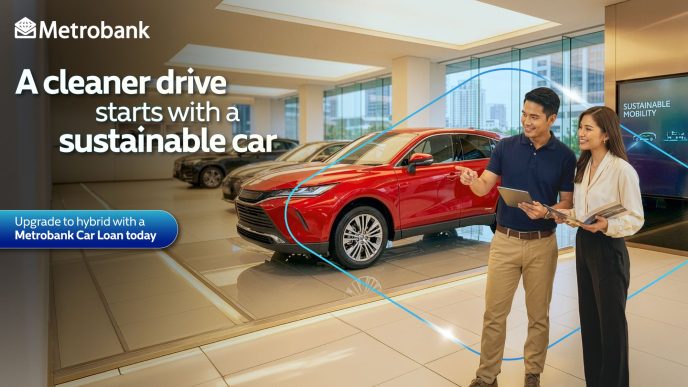
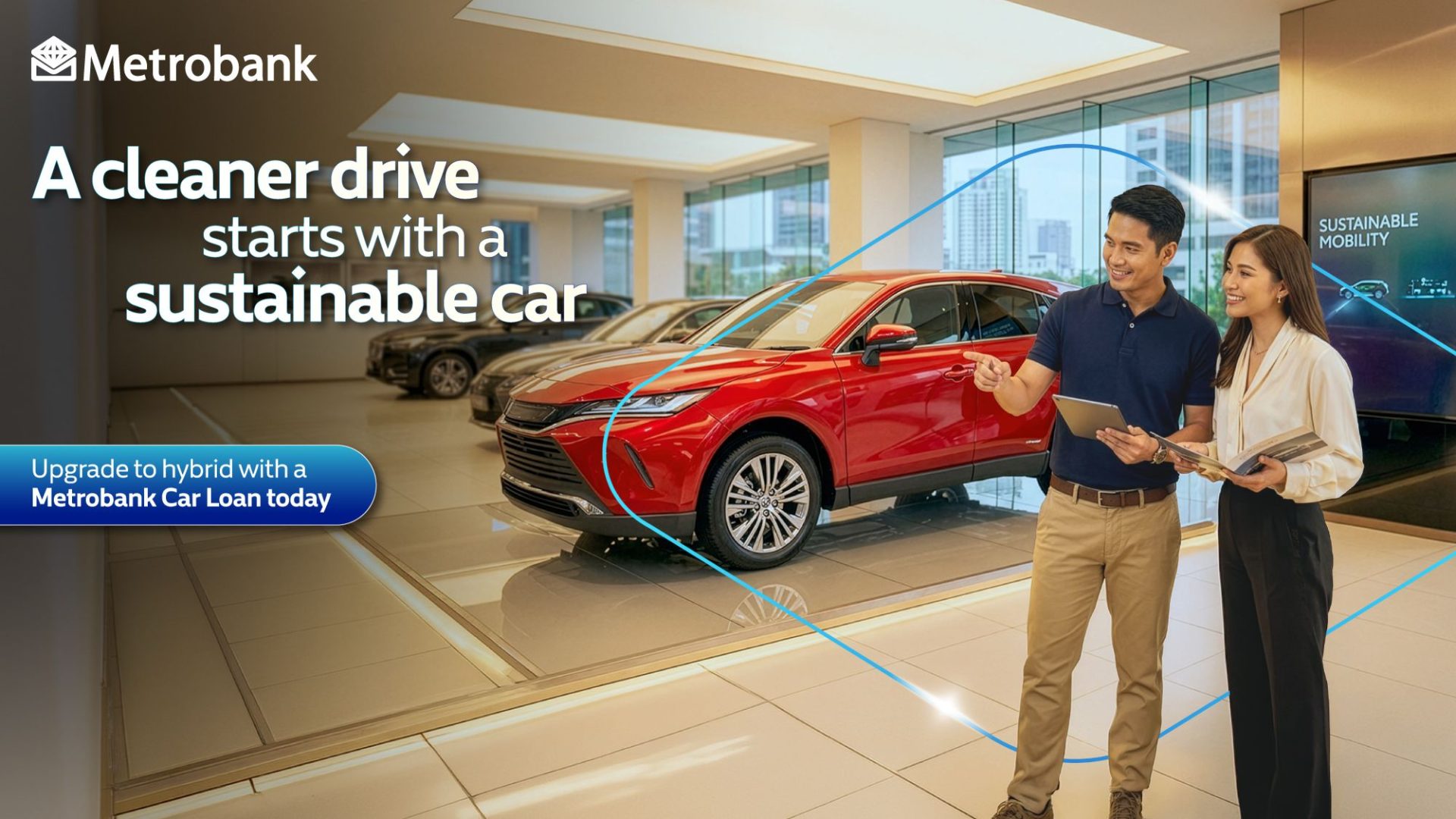
Financial institutions are also adapting to these changing consumer needs. Metrobank, for example, now includes hybrid vehicles under its Car Loan offering, reflecting the growing interest in alternative mobility solutions and giving customers more flexibility when evaluating vehicle options. The goal is not simply to finance a vehicle purchase, but to help customers assess affordability, understand ownership costs, and choose a financing structure that suits their financial goals.
Still, making a smart purchase means looking beyond the sticker price. Buyers should also consider long-term ownership costs, including fuel savings, maintenance expenses, insurance, and monthly loan payments.
To help buyers prepare financially, Metrobank also provides a loan calculator that estimates monthly amortizations before they commit to a purchase.
A smarter investment for the road ahead
Getting a hybrid now isn’t a mere band-aid solution to the ongoing oil crisis. Unless we see a significant change in the price of peso to the dollar, the price of fuel won’t go back to the way it was before anytime soon. A hybrid vehicle will definitely give you more mileage per drop of fuel, but it’s also a step towards the inevitable future. That is a green means of transportation that not only helps the environment, but also lets future Filipinos breathe better.
As mobility continues to evolve, making informed financial decisions matters more than ever. By combining practical guidance with financing solutions that support changing mobility preferences, Metrobank aims to help Filipinos move forward with confidence, wherever the road takes them.
Learn more about it here.