



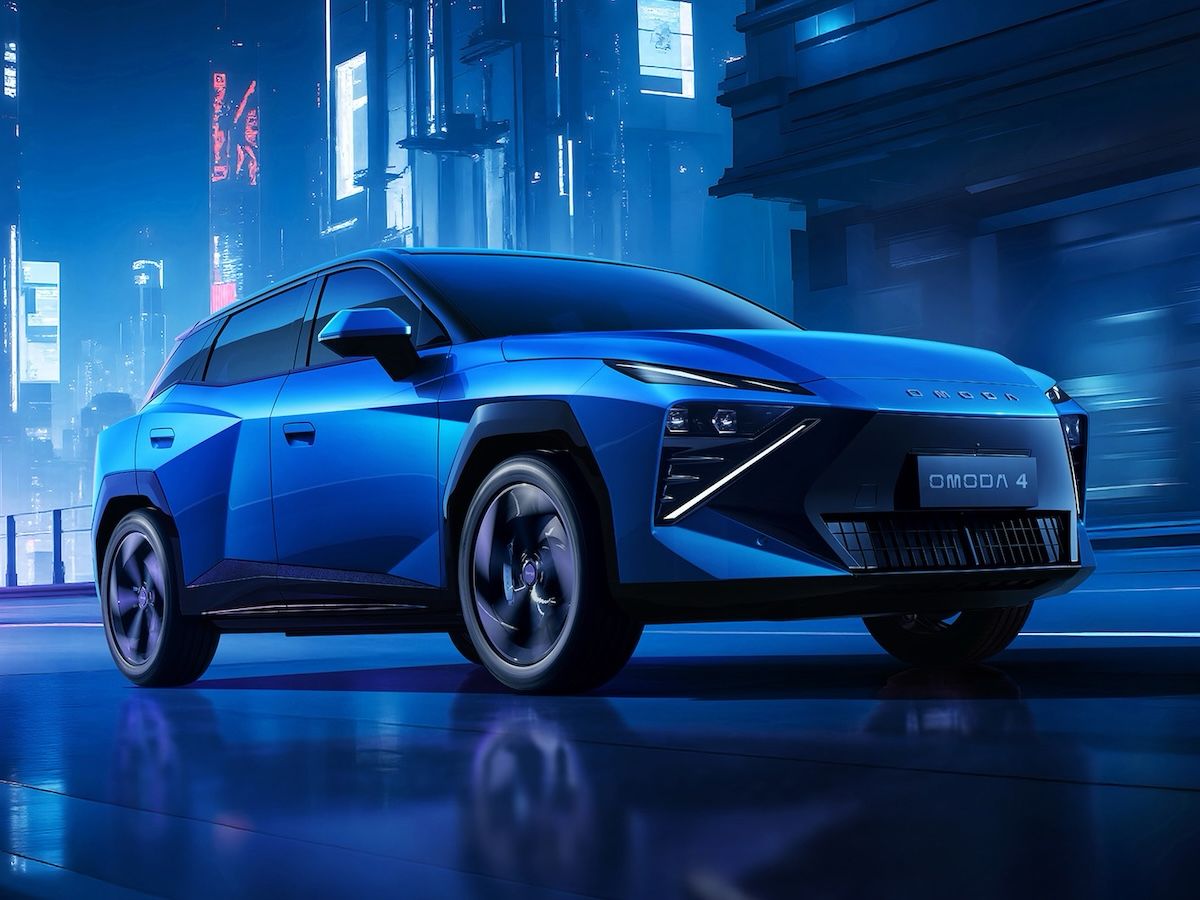
AI is everywhere these days, whether you like it or not. It’s cranking out homework, spitting out art in seconds, and living in your pocket as a digital assistant. Some swear it’s the best thing since sliced bread, while others see it as the latest way to make us all a little less useful.
And, of course, the auto industry isn’t just watching from the bleachers. Cars have gone from nuts-and-bolts machines to rolling computers, and now automakers are betting big on AI as the next big thing. Forget just barking a set list of commands at your car – now they want your ride to chat with you, learn your habits, and basically act like another passenger. Sounds like sci-fi, but it’s already happening.
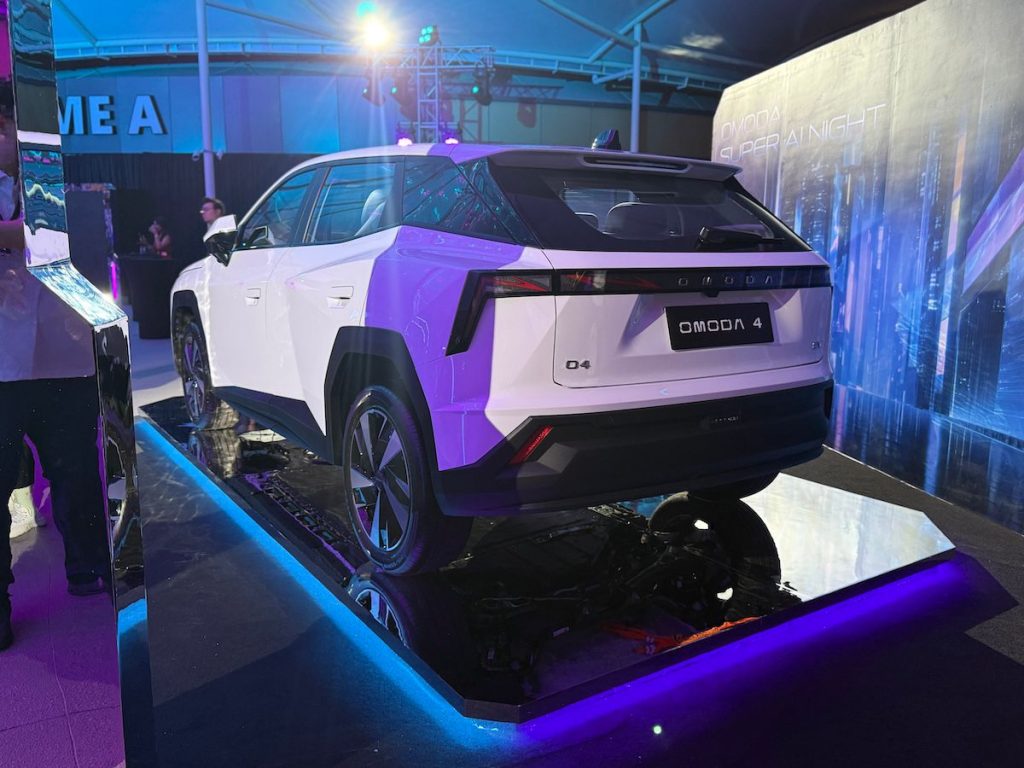
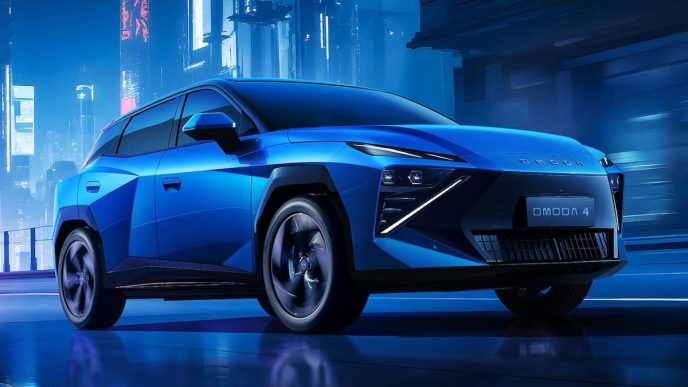
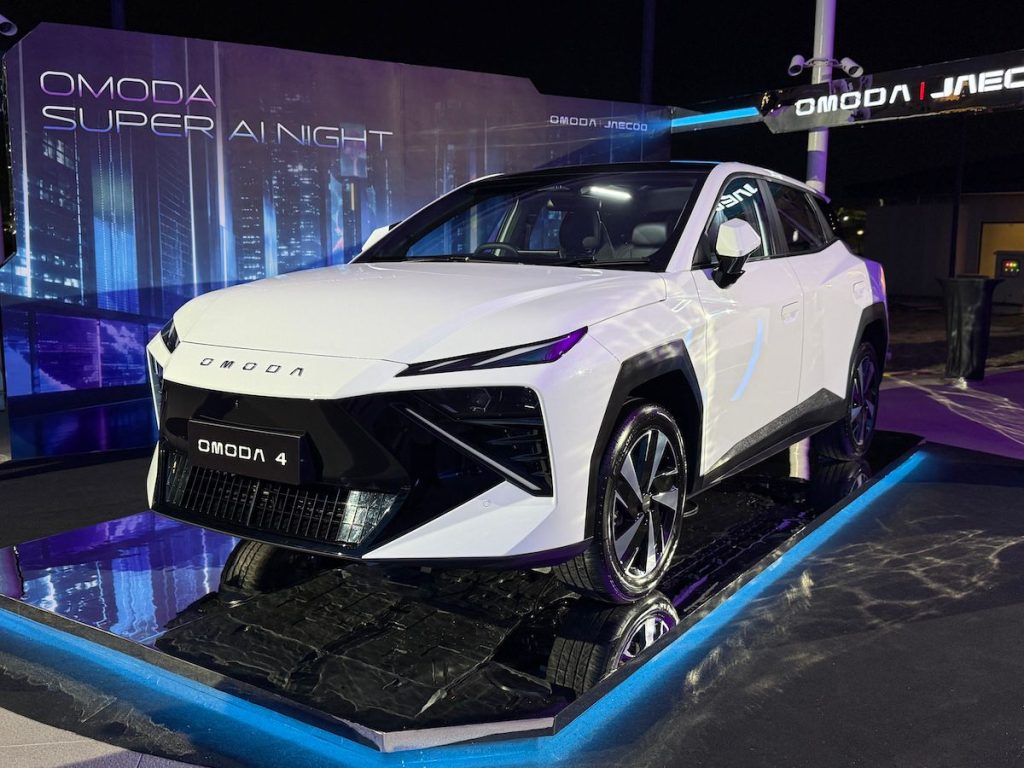
Omoda wants in on the action early. At the recent Super AI Night we attended in Indonesia, the Chinese brand rolled out its Super AI Cockpit, claiming it’s the first of its kind in Southeast Asia. This isn’t just another touchscreen with a fancy name – Omoda says it’s built to read your mind, learn how you drive, spot your mood, and get smarter every time it updates.
Do drivers really want their cars this chatty? That’s still up in the air. But one thing’s for sure: AI isn’t going anywhere.
More Than Just a Voice Assistant
Most in-car voice assistants today are about as exciting as a dial tone. Sure, they’ll change the temp, call your mom, or play your favorite playlist, but you have to spoon-feed them every command one at a time.
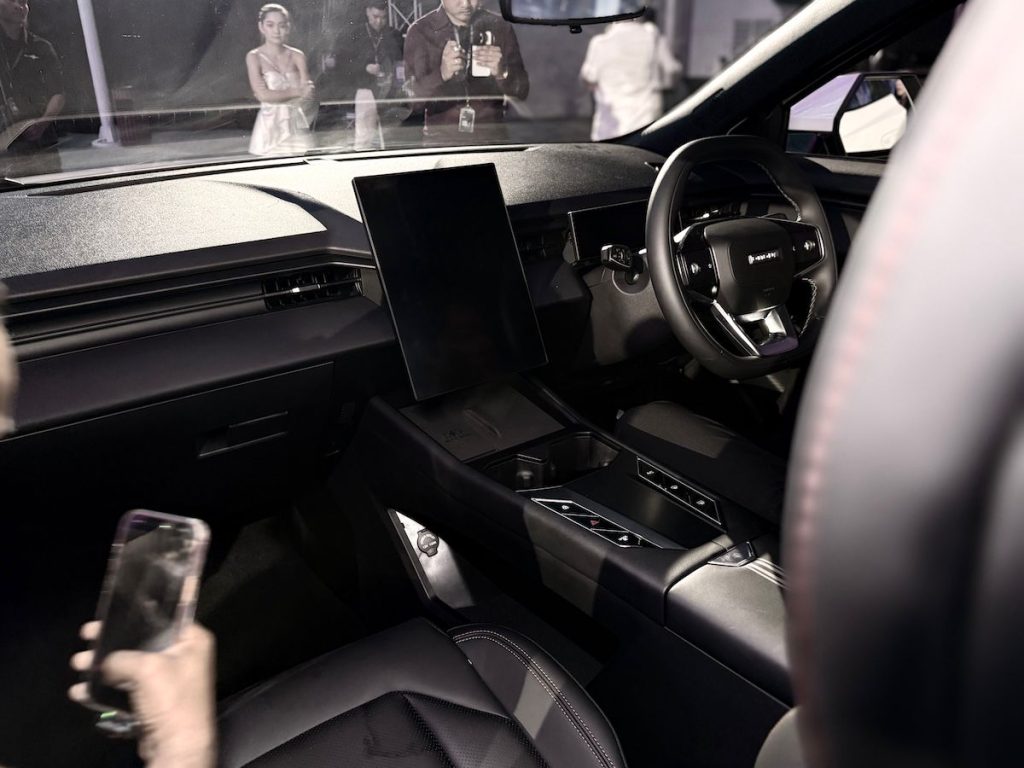
Omoda, though, is swinging for the fences. Its Super AI Cockpit packs ten different AI agents, all working together. Instead of playing Simon Says with your commands, it listens to the whole conversation and divvies up the jobs.
Picture this: you tell your car to chill the cabin, shut the windows, find your go-to coffee spot, and scoot the seat up – all in one breath. Omoda says their system is built for exactly that. You can even imply that you want something done, and the system will supposedly understand that. Probably something men can learn.
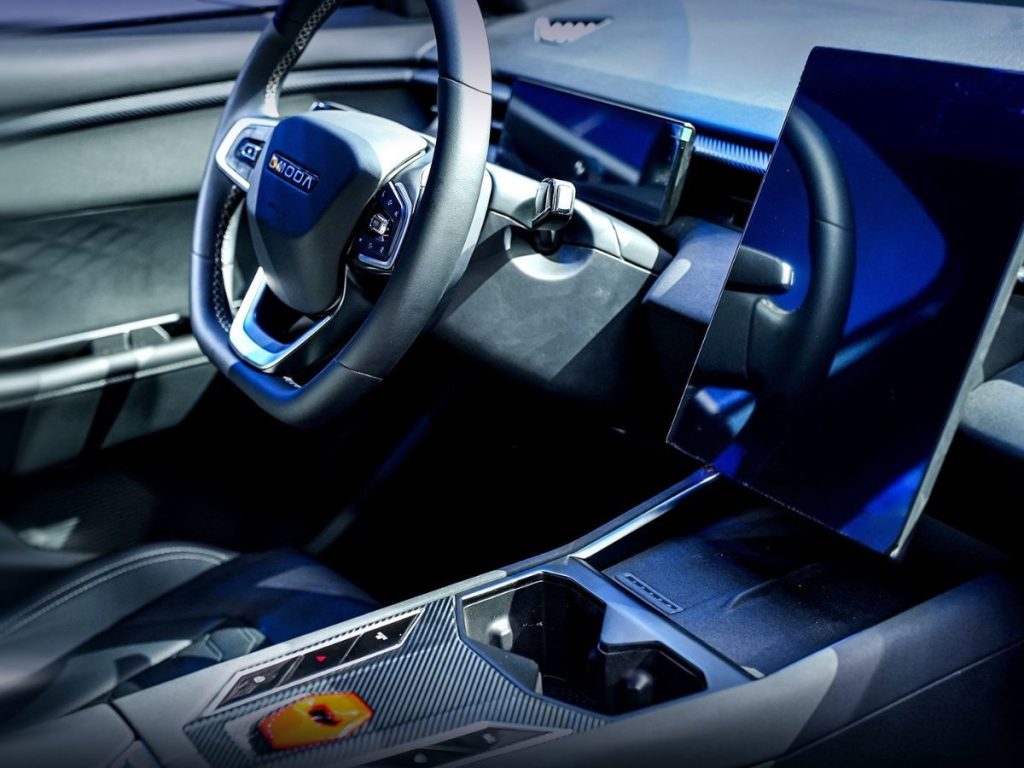
But it doesn’t stop at just flipping switches. The assistant can figure out where you want to go even if you blank on the address, explain what every button does so you never crack open the manual, DJ your playlists, serve up bite-sized news and sports, whip up custom wallpapers, and even greet you by your favorite nickname.
And Omoda isn’t done yet. It’s promising future updates with memory that carries over between chats, AI-powered trip planning, voice cloning, mood detection, digital pets, and offline smarts so your car doesn’t go dumb when you lose signal.
If all this actually shows up, your car’s cockpit could get sharper the longer you own it.
AI Is Becoming the New Arms Race
Omoda’s pitch is slick, but they’re jumping into a crowded pool. BMW is cooking up a new Alexa-powered assistant that’s supposed to get chattier and smarter over time. Rivian’s got its own helper that can tweak your settings, flip drive modes, and answer your burning questions. Volkswagen is going all-in on AI in China with the ID. Era 9X, mixing voice smarts with mood detection and clever car tricks.
Tesla, naturally, is part of the conversation, too. Its Grok assistant has already arrived in Tesla vehicles, but its current purpose differs from Omoda’s philosophy. From our own experience, Grok behaves more like a knowledgeable chatbot riding shotgun. It’s happy to answer questions, explain topics, or hold a conversation, but it doesn’t currently interact with many of the vehicle’s physical controls.
Omoda, on the other hand, wants its AI to run the show. It’s not just there to chat – it’s flipping switches, moving seats, plotting your route, and handling a bunch of requests at once.
But It’s Not For Everyone
If you’ve been watching car tech, Omoda’s Super AI Cockpit isn’t a shock – it’s just the next step. Cars have been turning into rolling smartphones for years, so stuffing AI into the mix was only a matter of time. Younger buyers who already live with AI everywhere will probably love having a car that acts like their favorite gadget.
But will it actually sway anyone at the dealership? That’s a different story. Drivers who have been behind the wheel for decades often develop habits that technology doesn’t necessarily improve. I am one of those people. I only launch Waze when I’m heading somewhere unfamiliar because I already know my usual routes. I don’t find myself talking to voice assistants, and reaching over to adjust the climate control has never felt inconvenient.
So for me, Omoda’s AI cockpit is cool to watch, but not something I’m itching to have. The tech is impressive, and I can see it becoming the norm soon enough. But right now, it feels tailor-made for younger drivers who want their cars to double as giant smartphones.
For the rest of us, it’s a neat extra, not the reason we’ll sign on the dotted line. The future’s coming, but not everyone’s racing to get there.