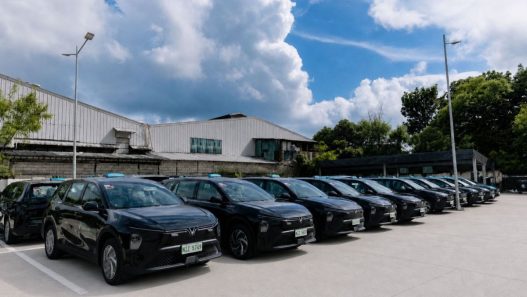



The rapid arrival of Chinese automotive brands has transformed the Philippine market, bringing electric vehicles with impressive range, sophisticated design, generously equipped cabins, and features that have challenged expectations of what a car should offer at a given price.
But as these qualities become more common, the conversation is shifting. It is becoming less about whether Chinese vehicles can compete with established marques and more about which brands bring something genuinely different to the road.
This September, XPENG will enter that conversation with a proposition that goes beyond the conventional EV category. The company is helping define a new space it calls AI Mobility, where electrification provides the foundation, but intelligence shapes the experience. While the car may be the first way Filipinos encounter XPENG, it is only one expression of a much bigger technology ecosystem built around artificial intelligence.
Two Models, One AI Mobility Vision
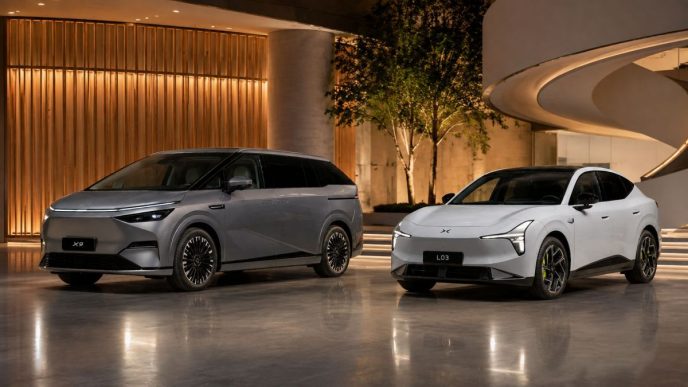
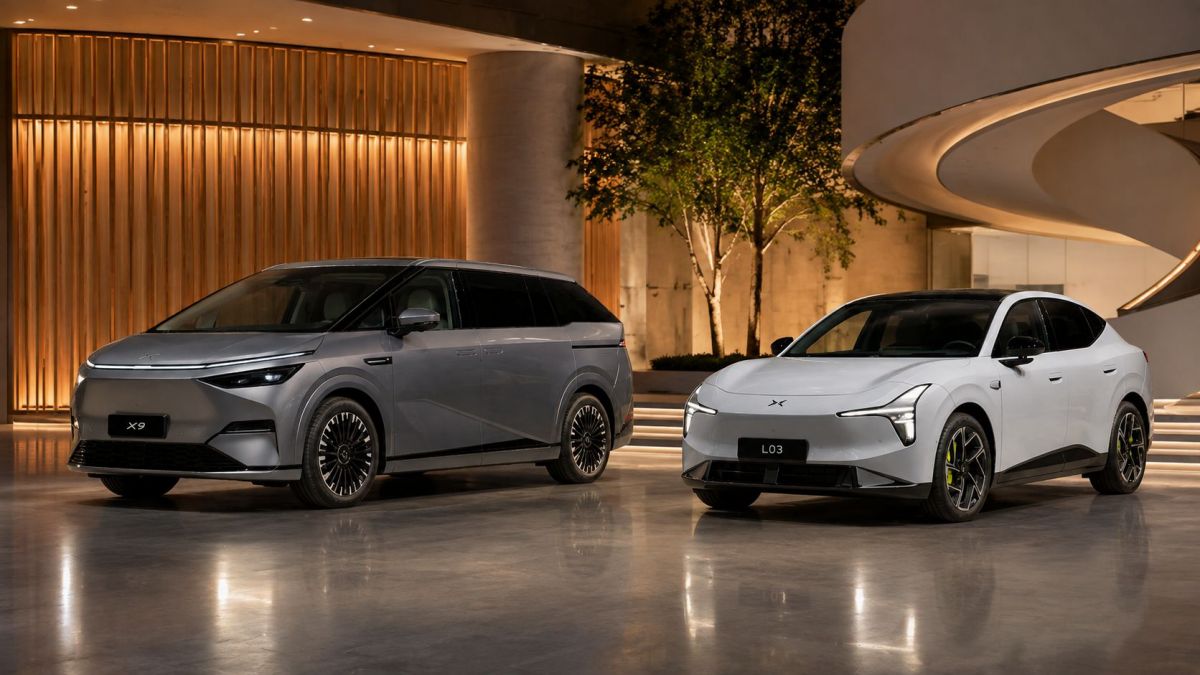
In the Philippines, XPENG will introduce its approach to AI mobility through two models designed for distinct lifestyles:
- The XPENG X9, its flagship intelligent seven-seater, combines executive comfort, intelligent technologies, and a premium cabin for modern families, business leaders, and professionals who value innovation.
- The XPENG L03 offers a sportier expression of the same vision, combining sporty, contemporary design with AI innovation for a smarter and more intuitive driving experience. While the X9 elevates premium family and executive travel, the L03 brings intelligence to progressive everyday mobility.
Together, the two models show how technology can anticipate needs, simplify the journey, and shape a new kind of premium experience. Philippine specifications, variants, introductory pricing, and availability will be announced at XPENG’s official launch in September.
“XPENG’s arrival in the Philippines is not simply about introducing another electric vehicle brand. We want to help establish AI Mobility as a category in its own right and show Filipino motorists how artificial intelligence can make every journey safer, more intuitive, and more responsive to their needs,” said Sam Chu, General Manager for Southeast Asia, XPENG. “The X9 and L03 represent two distinct expressions of that vision, but both are founded on the same belief: the next generation of mobility will be defined not only by how vehicles are powered, but by how intelligently they serve the people who use them.”
Intelligence at the Heart of Mobility
At the heart of XPENG is a simple idea: the future of mobility will not be defined by electrification alone. Changing what powers a car is one thing. Changing what a car can understand and do is another.
This distinction drives XPENG’s focus on Physical AI, or artificial intelligence that can perceive, understand, and interact with the real world. In a vehicle, this means using intelligence to help make journeys safer, easier, and more intuitive.
The scale of XPENG’s commitment is reflected in the people behind its technology. As of the end of 2025, the company employed 8,845 people in research and development, representing more than 40% of its workforce. Their work spans AI, software, intelligent driving, robotics, vehicle engineering, and advanced mobility. More than a measure of headcount, this is evidence that XPENG is developing technology as a core capability rather than treating intelligence as another feature added to a conventional vehicle.
More Than a Car Company
XPENG’s work extends beyond automobiles, providing a clearer picture of how the company sees the future of Physical AI.
IRON, XPENG’s humanoid robot, applies the company’s AI research to movement, conversation, and interaction in the real world. XPENG is exploring how intelligent machines can complement human effort, particularly in repetitive or physically demanding tasks. The company plans to begin deploying IRON as a guide in XPENG retail locations as the robot advances toward mass production.
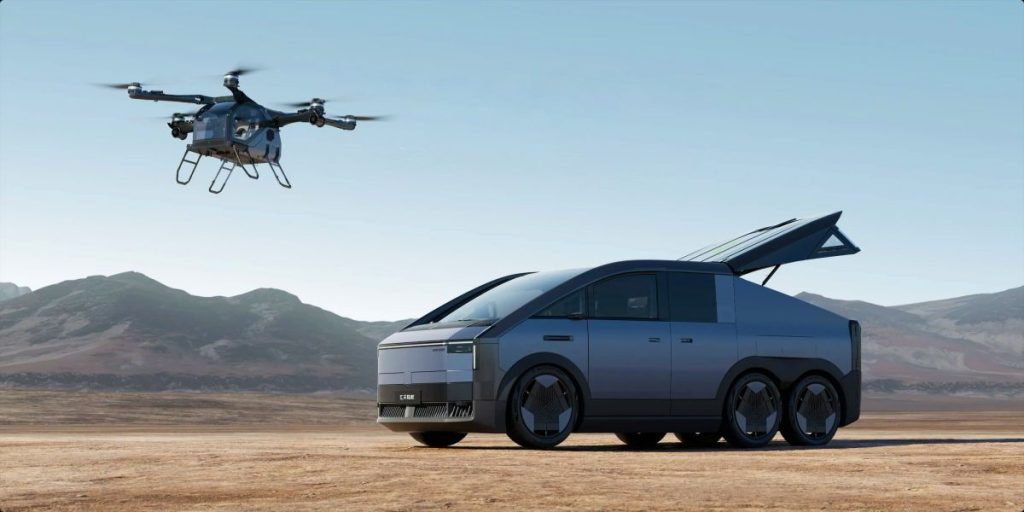
Through ARIDGE, its affiliated low altitude mobility company, XPENG is also exploring mobility beyond the road. ARIDGE’s Land Aircraft Carrier combines a land vehicle with a detachable electric aircraft. Beyond personal travel, the technology holds future potential for emergency response and for reaching locations that are difficult to access quickly by road.
Such possibilities could eventually have relevance to an archipelago like the Philippines, where geography can make the movement of people, resources, and emergency assistance more challenging. These applications remain subject to further development, infrastructure, and regulation, but they demonstrate the scale of the mobility challenges XPENG and ARIDGE are working to address.
This philosophy is also evident in how XPENG builds its vehicles. Its smart factories use automation, connected production systems, and quality controls supported by AI to improve manufacturing precision, consistency, and efficiency. It is an example of AI working behind the scenes to help deliver a better vehicle.
Together, IRON, ARIDGE, and XPENG’s smart factories show how the company’s expertise in AI, software, sensing, and intelligent engineering can take different physical forms. The car is not the limit of XPENG’s technology. It is where that technology becomes most immediately relevant to everyday life.
Why XPENG’s Philippine Arrival Matters
As more brands enter the Philippine automotive market, range, features, design, and price will continue to matter. But as those differences narrow, the next point of distinction may no longer be electrification itself. It will be the intelligence behind the vehicle and the wider technology ecosystem that allows it to learn, adapt, and evolve.
This is the category XPENG is seeking to define through AI Mobility. Its Philippine arrival represents more than another new badge on local roads. It introduces a company that sees the electric vehicle not as the final destination, but as the most immediate expression of a broader AI ecosystem.
When XPENG formally introduces itself to the country next month, Filipinos will naturally see the X9 and L03 first. But beyond the two vehicles is a considerably bigger story: a company not simply asking what the next car should be, but helping shape a future in which intelligence itself begins to move.