



After consecutive challenges on a global scale, Nissan seems to be getting some relief. There have been improvements in their financial standing but they’re not totally in the green just yet. Meanwhile in the Philippines, they are facing immense pressure from Chinese brands that are climbing the ranks thanks to their electrified offerings. They’re not taking it lying down though.
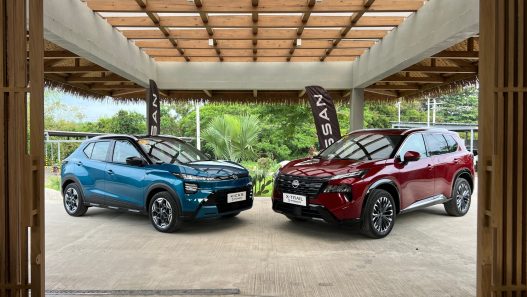
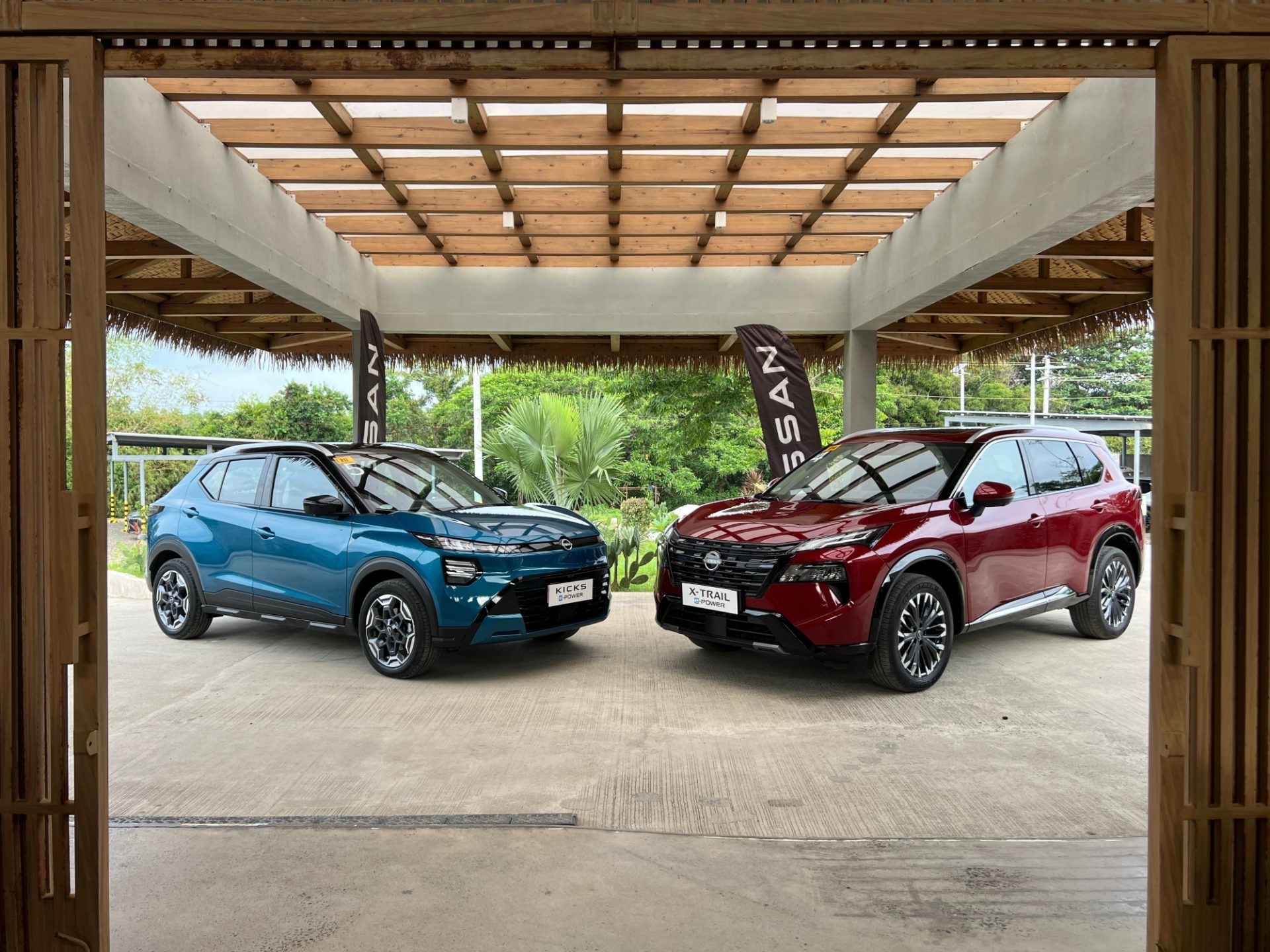
At the 2026 Philippine International Motor Show, Nissan showcased the 4 electrified models they’ll be bringing in this year. And last week, we were able to drive 2 of them.
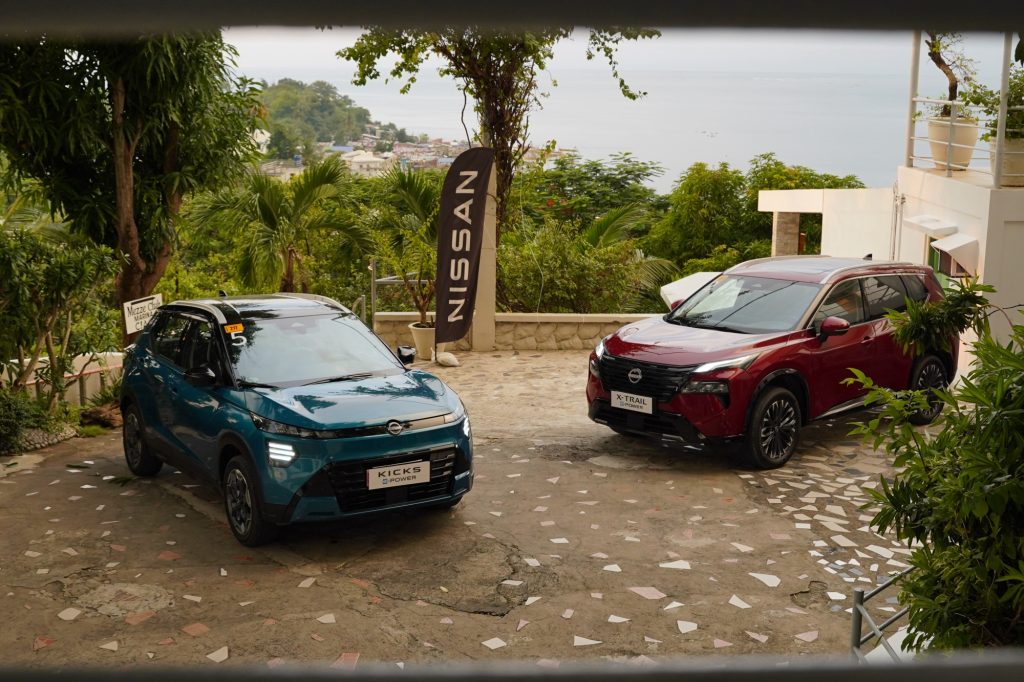
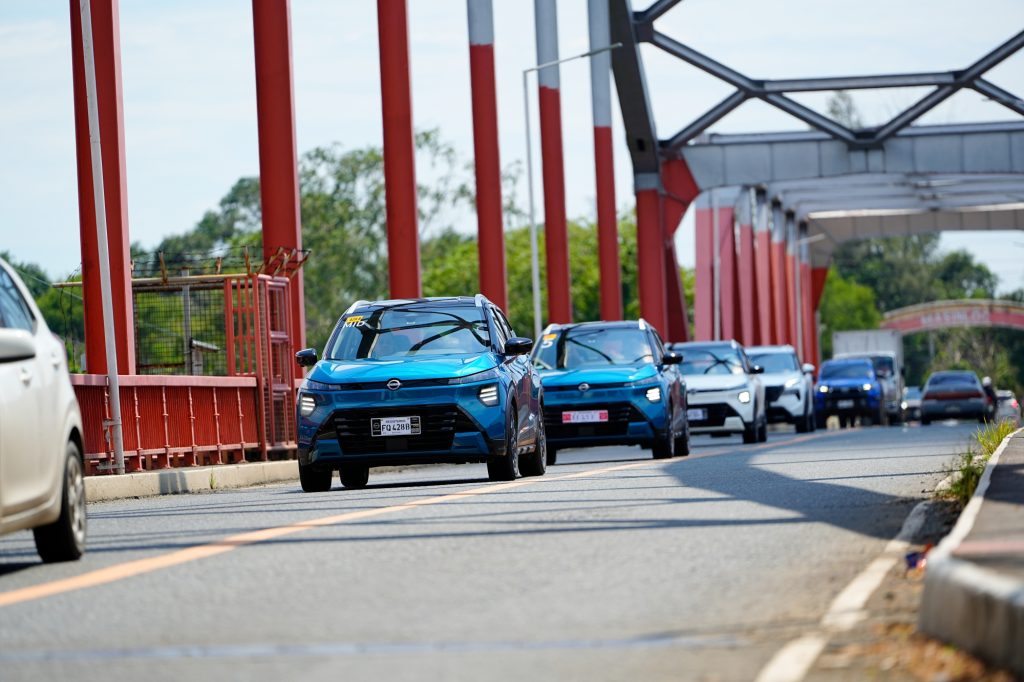
We took the Nissan X-Trail e-POWER and Nissan Kicks e-POWER to a lengthy coastline drive up north. We went to Zambales and then further up to Bolinao, Pangasinan before driving back via the expressways for a total of around 700 km. You already know what’s new with these cars and so it’s time to actually feel them on the road.
Nissan X-Trail e-Power
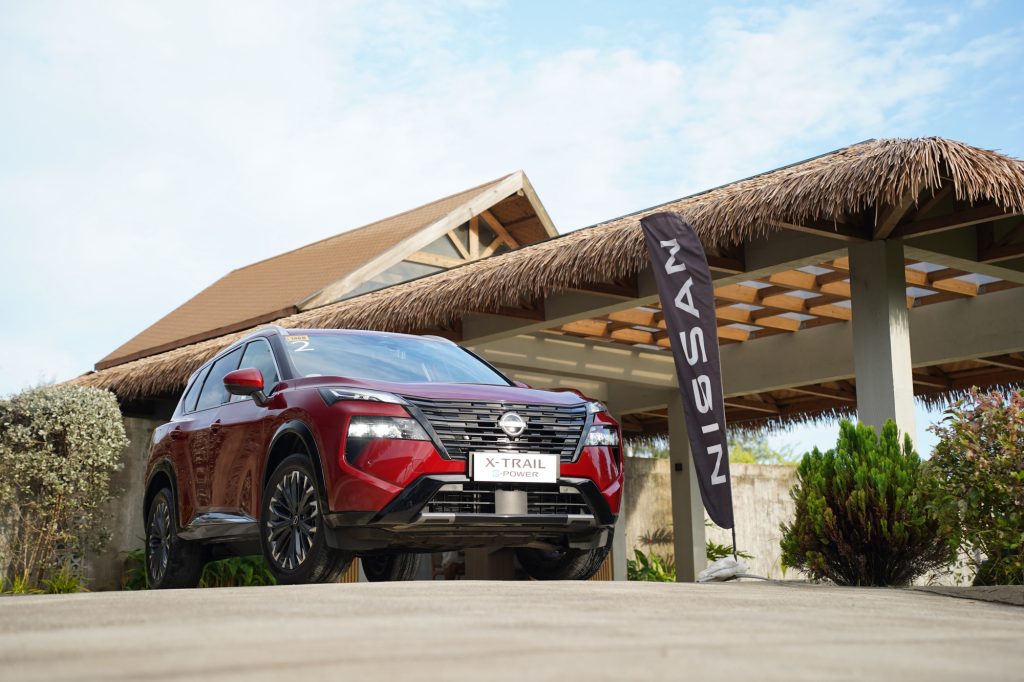
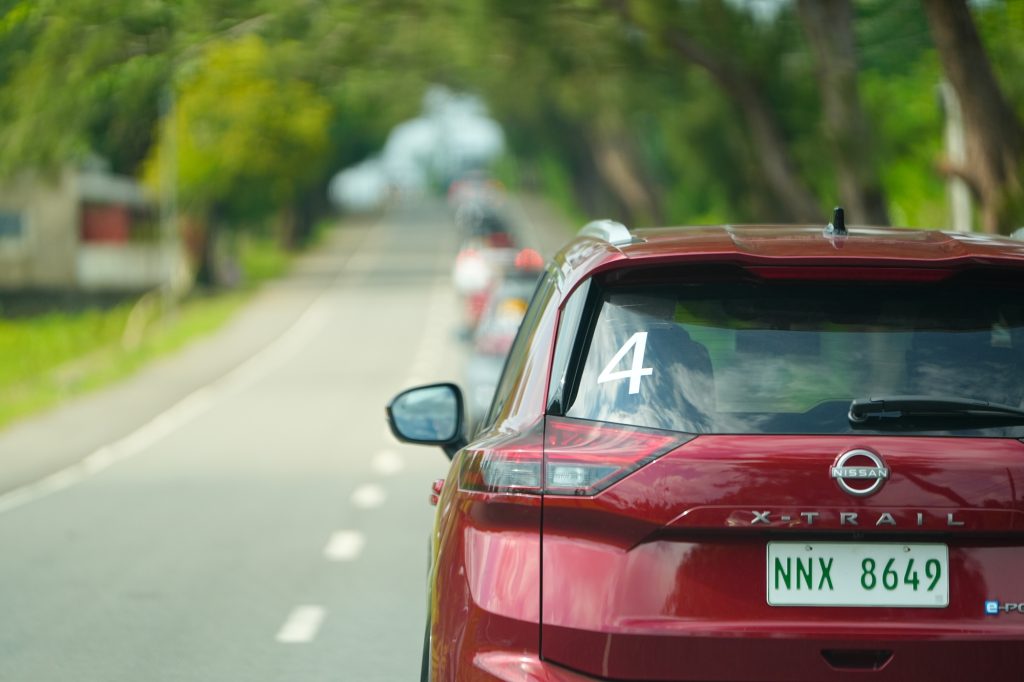
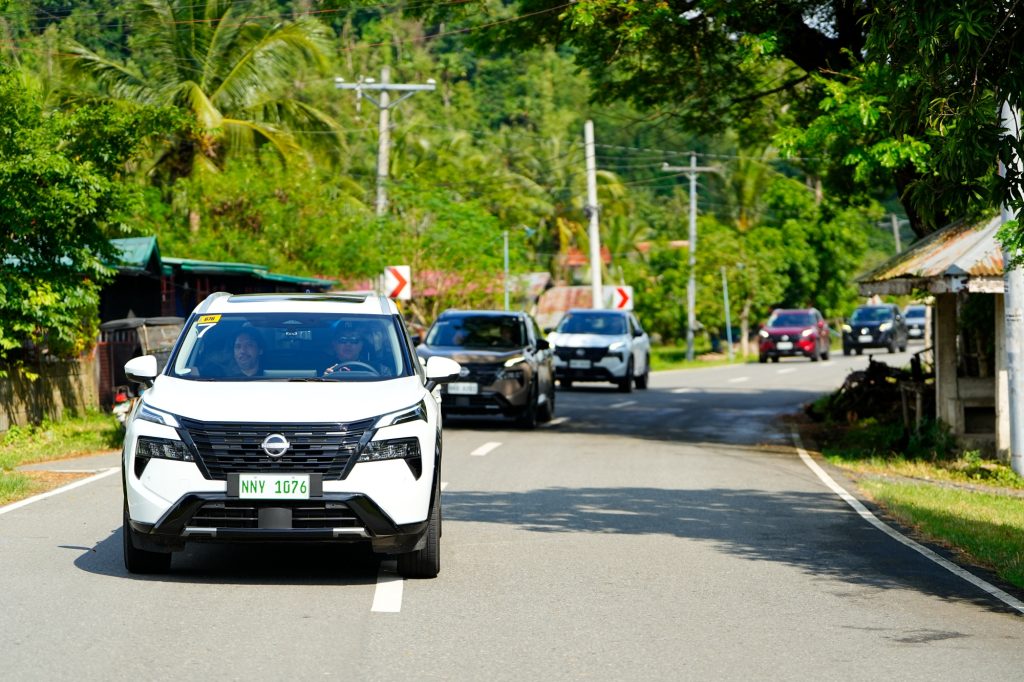
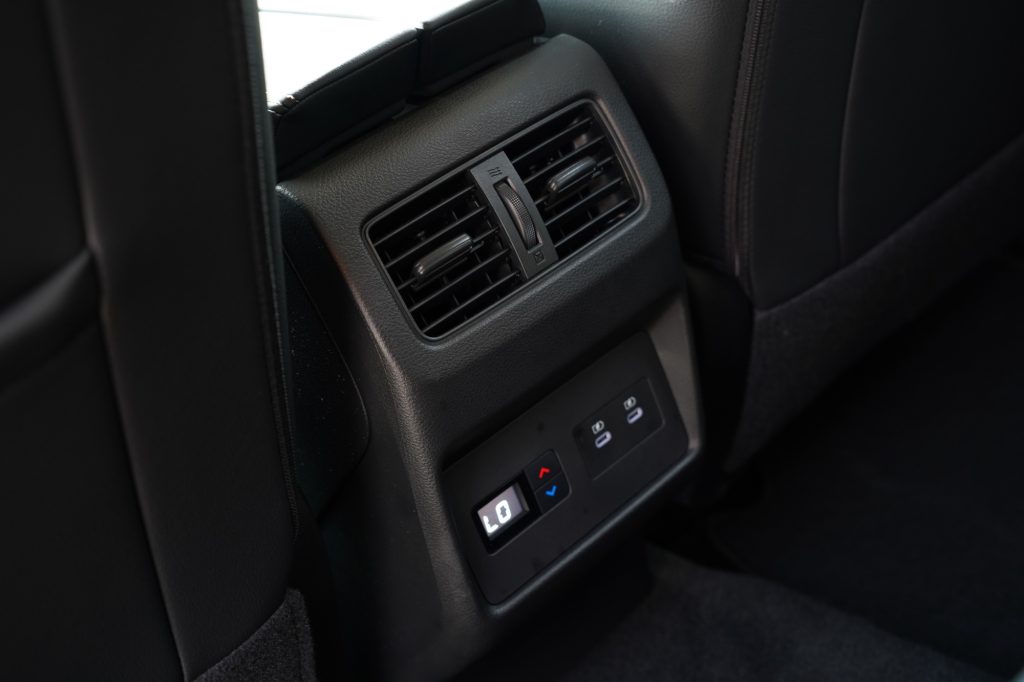
The Nissan X-Trail e-POWER is simply a boss magnet. Anyone will appreciate the combination of creature comforts in the second row. You have your own temperature, rear blowers, USB-C ports, a sunshade, and nicely contoured back seats that keep you in place. Even the center armrest contributes some with its cupholders and a phone holder.
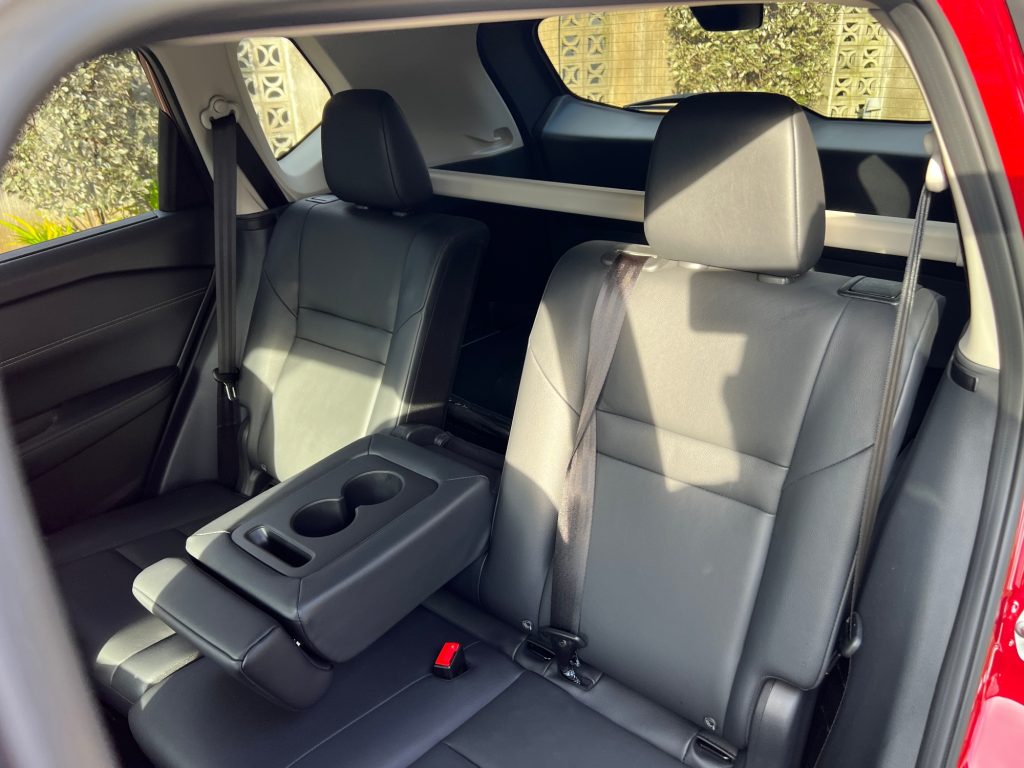
I also like the higher seating position for the second row. It reduces the strain on my legs and there’s not much fatigue for me as a passenger despite the long drive we had to Zambales.
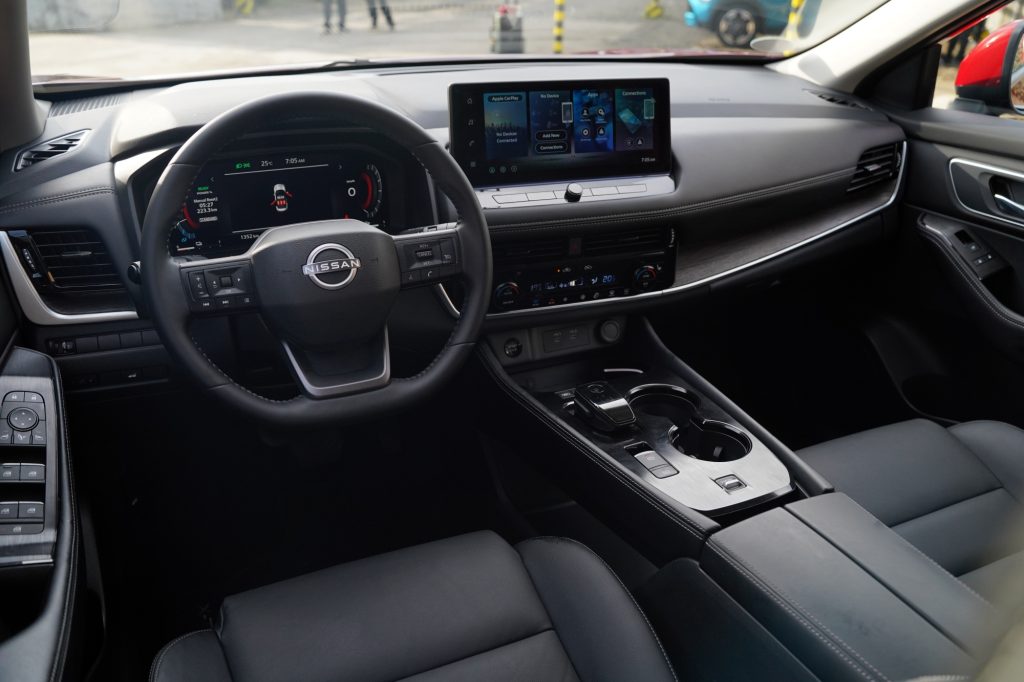
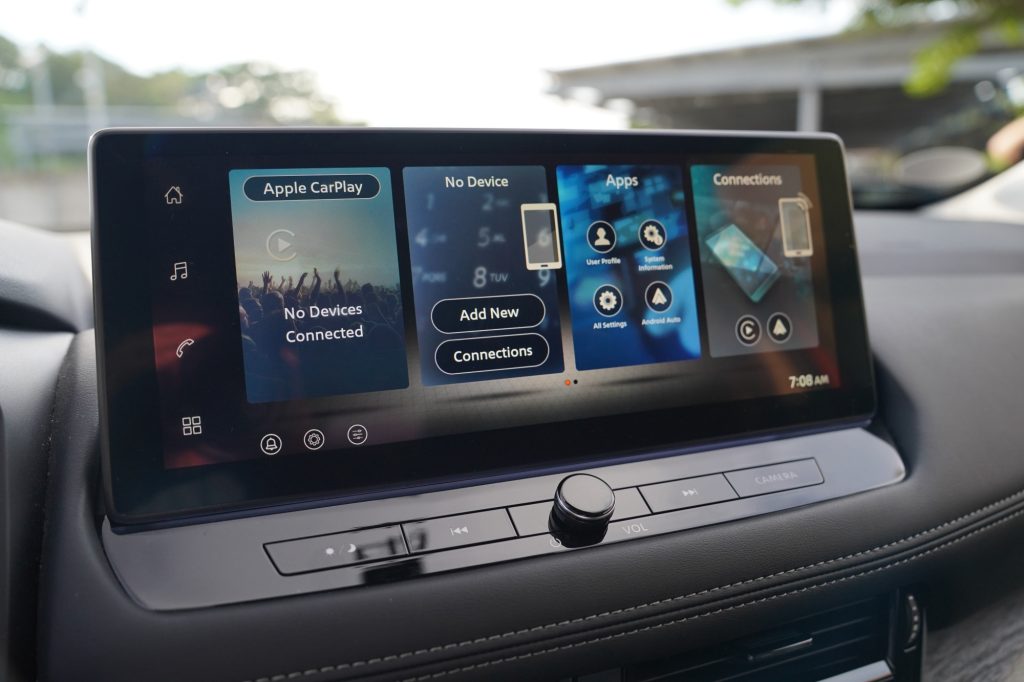
Things change once the boss sits on the throne. It’s comfortable too and I like that there’s a dedicated button for the e-Pedal system, unlike in the Kicks where it’s automatically activated in the Eco and Sport Modes.
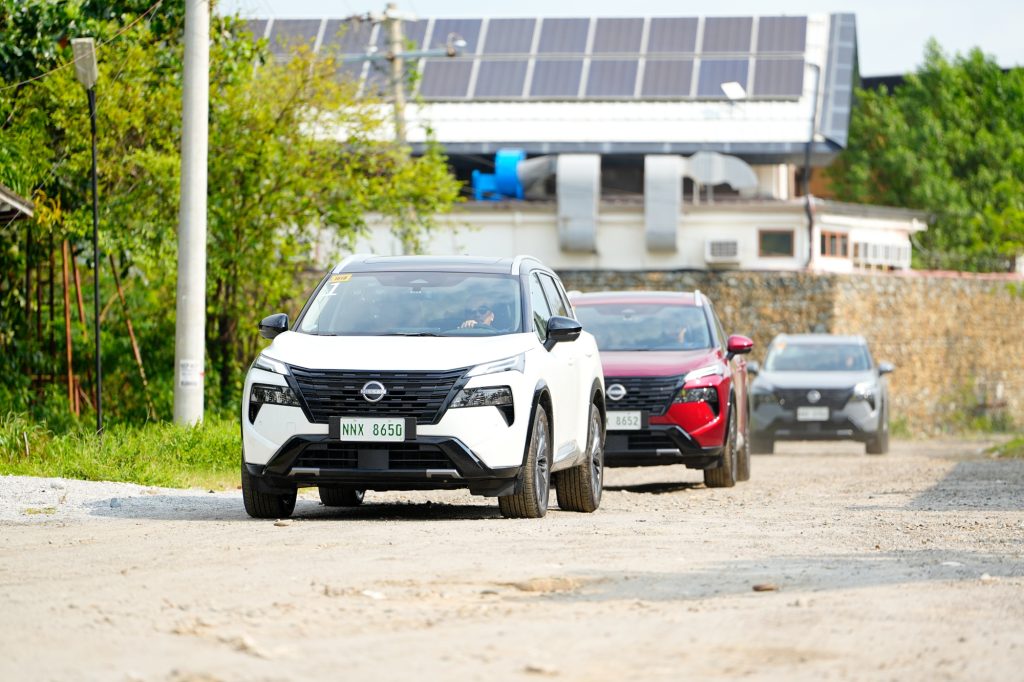
The most glaring for me is it only has Standard Cruise Control and Lane Departure Warning only, no Lane Keeping System. Those with a driver all the time won’t mind this but if you’re driving yourself to places and traverse the highways constantly then it will be a factor.
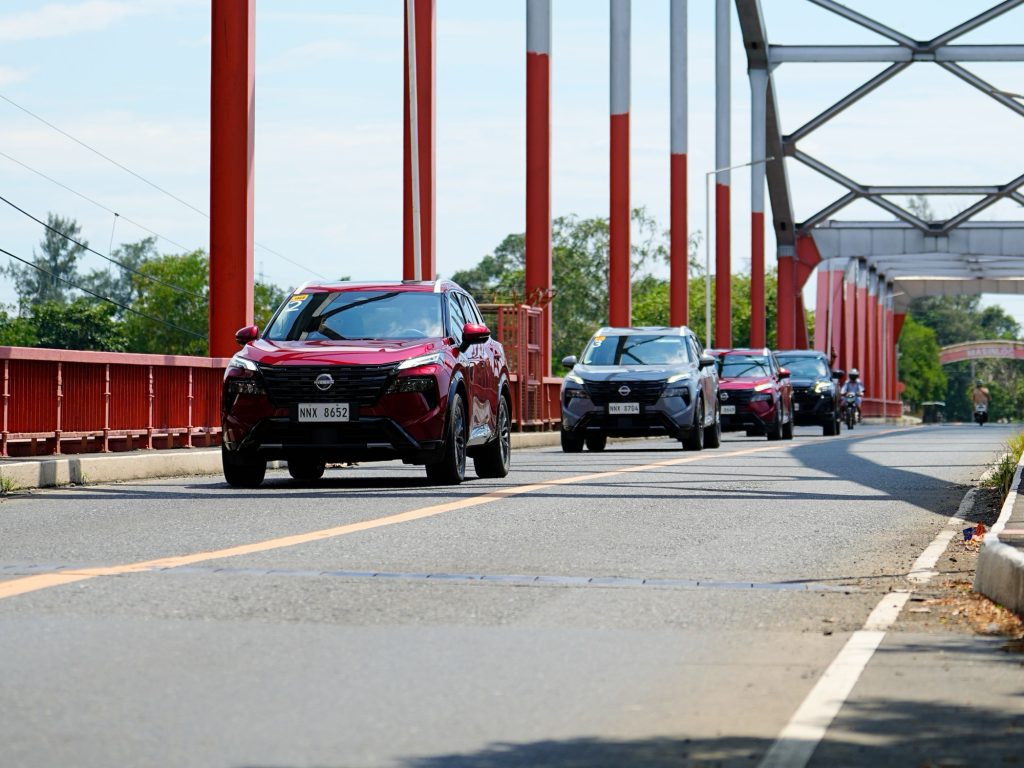
There’s also the quirky e-Pedal system. In Eco mode, the response of the pedal is vague. It depends on your speed and so at low and crawling speed, it tends to be barely there. Go faster and it is more felt but has different behaviors if you lift off gradually or quickly, even if you lifted at the same height. It improves when you have the car in Sport mode but if that’s the case, why not just remove Eco Mode?
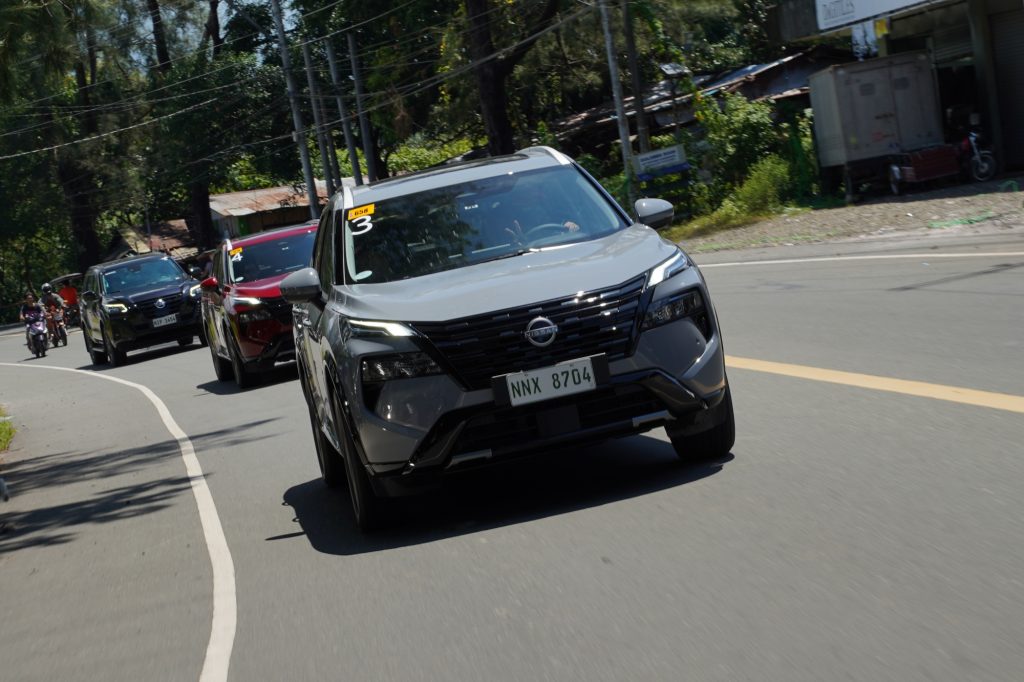
Good thing the X-Trail shines where it counts. On our drive from Solaire North to Zambales and Pangasinan, it clocked an average of 16 km/l. That includes the city and NLEX traffic, the idle times, the fast highway runs, overtakes, rural traffic, uphill roads, and more. But I can’t help but think how better it would be if we had the X-Trail in Eco Mode with e-Pedal the entire time.
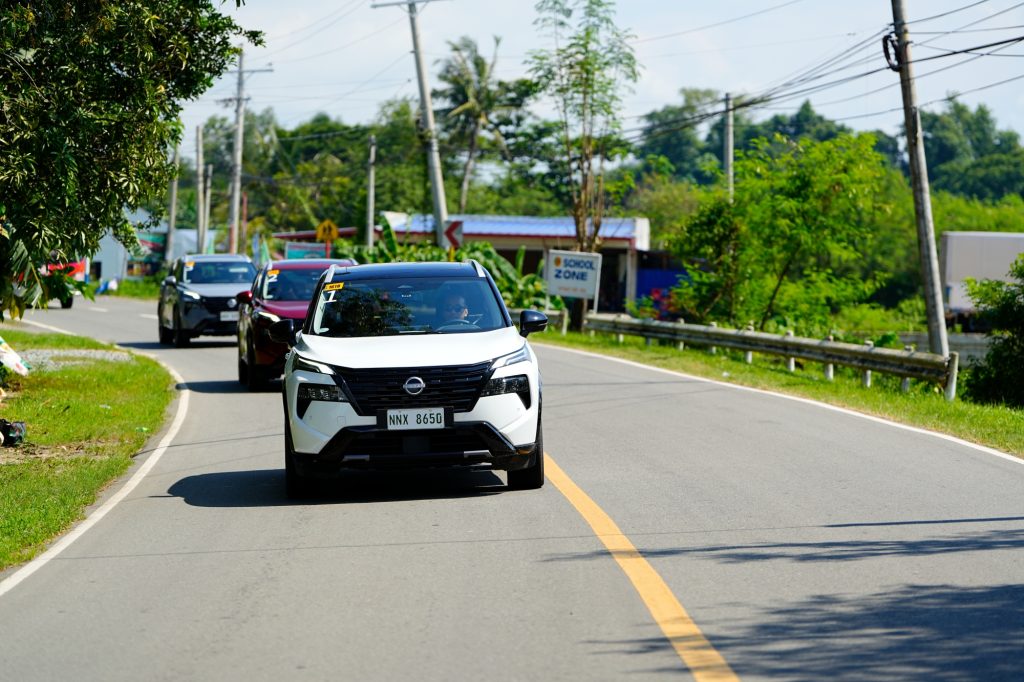
What really stuck with me after this trip was how comfortable the X-Trail was during the long drive. Driving it isn’t hard even in tight streets despite its size and together with the 360-camera system, it’s a breeze to drive. Although I’d vote for the second row as still the best place to be.
Nissan Kicks e-Power
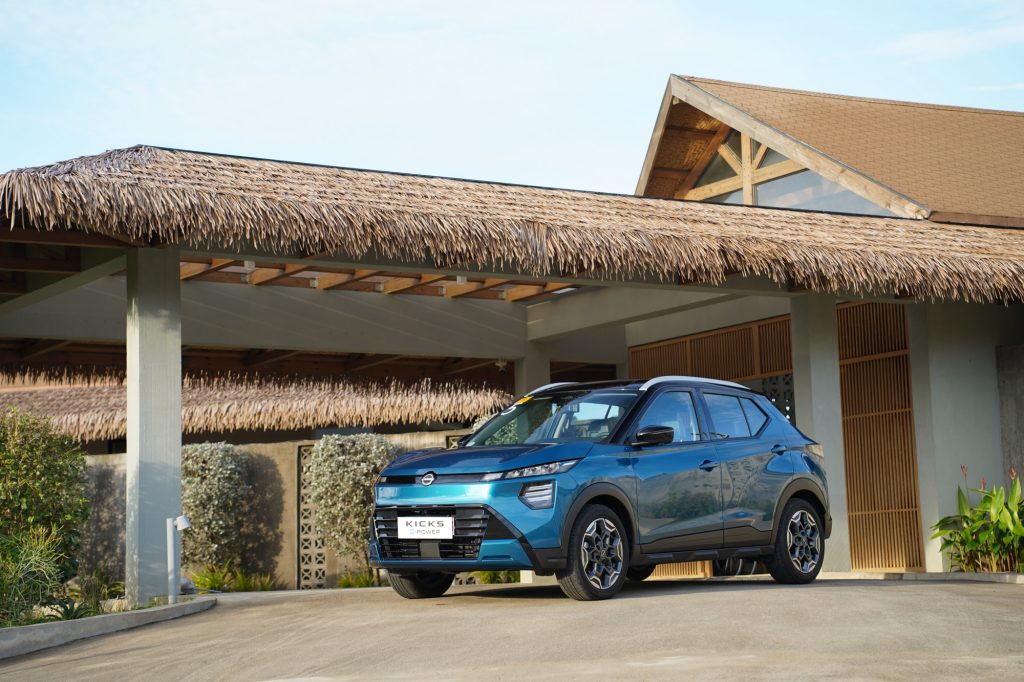
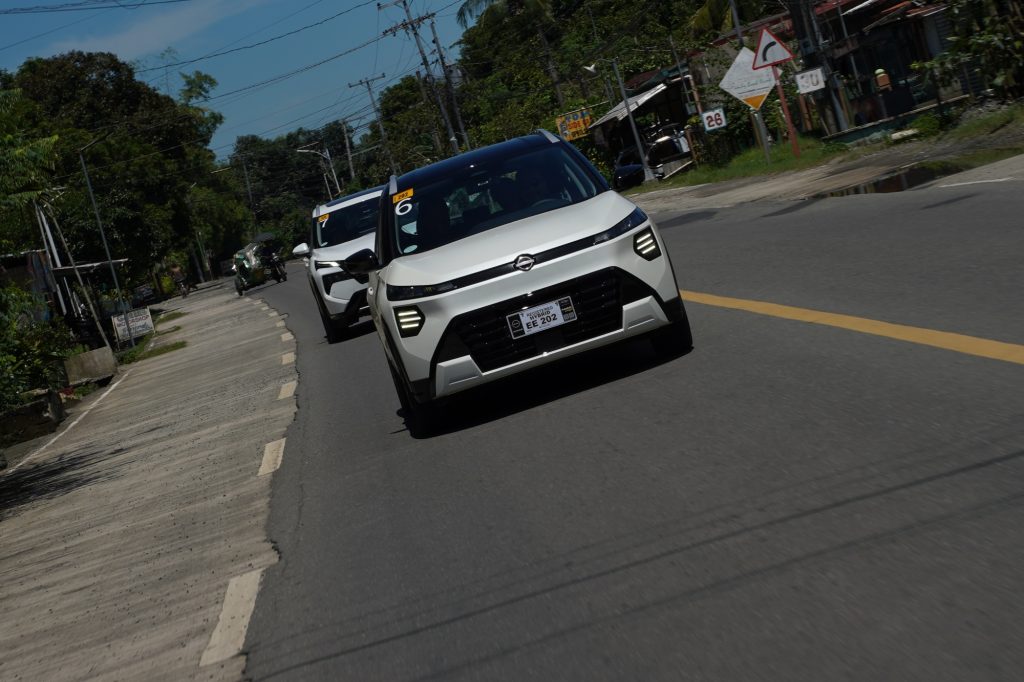
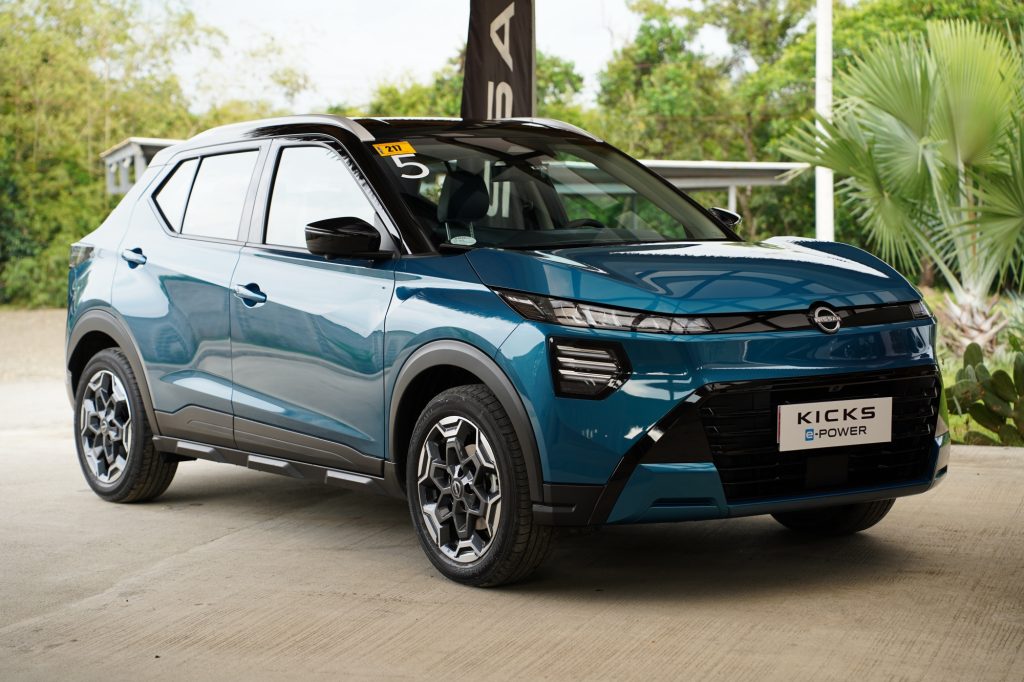
The Nissan Kicks continues with the same power package it had when it was originally launched. Where Nissan focused this time is the safety bits and design, things that were already good in the previous iteration. The V-motion design was more subtle in the front end, and I like the little detail of taillight extension on the rear corners.
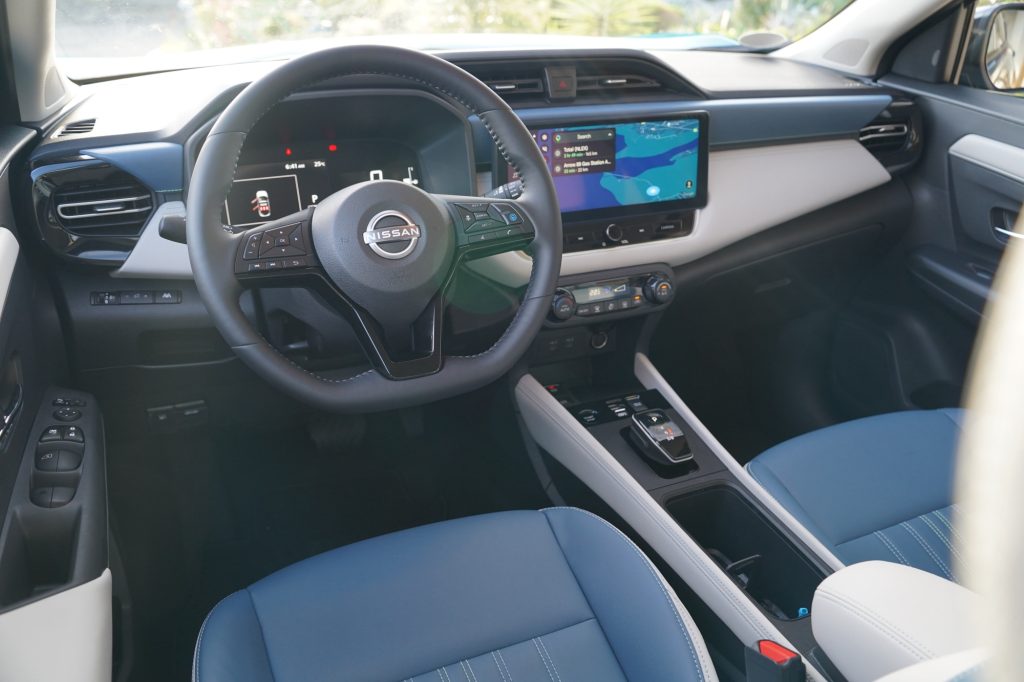
What’s surprising is that the Kicks had a better e-Pedal system than the X-Trail. The Eco Mode is now usable unlike in the X-Trail giving you a more predictable feedback. You can now truly use it while taking advantage of coasting when you want to. It could’ve been better if the regenerative braking is adjustable.
The safety bits are also better. It has Intelligent (Adaptive) Cruise Control and Lane Keeping System – things that are missing in the X-Trail. There’s also a total of 16 Advanced Driver Assist features available, with many present across the lineup. Things like Intelligent Emergency Braking, Blind Spot Warning, and Rear Cross Traffic alert are yours even at the base trim.
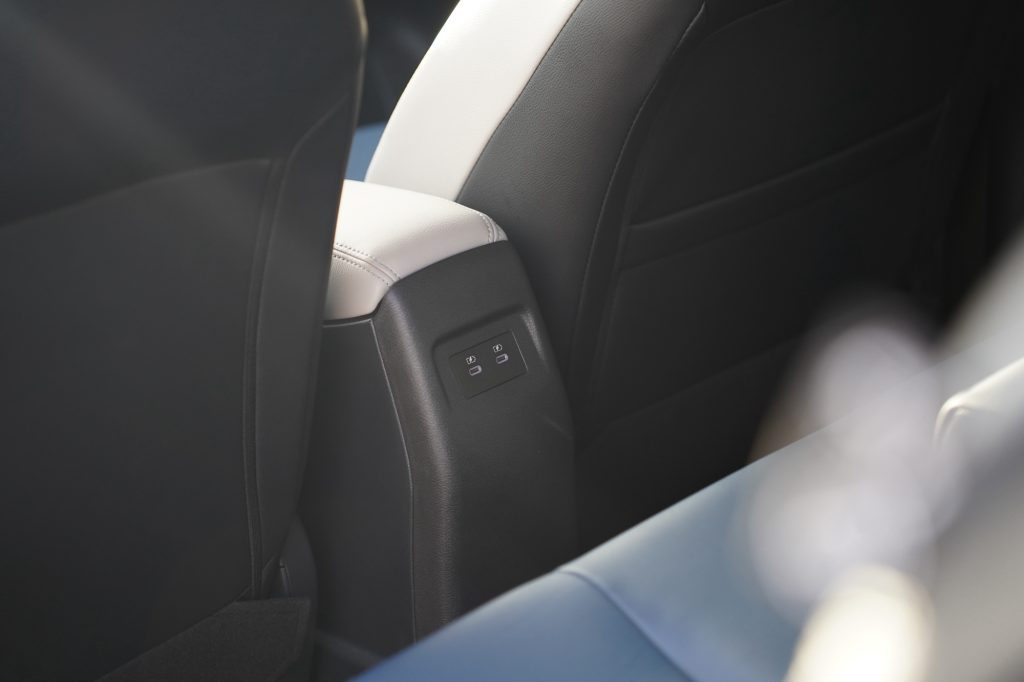
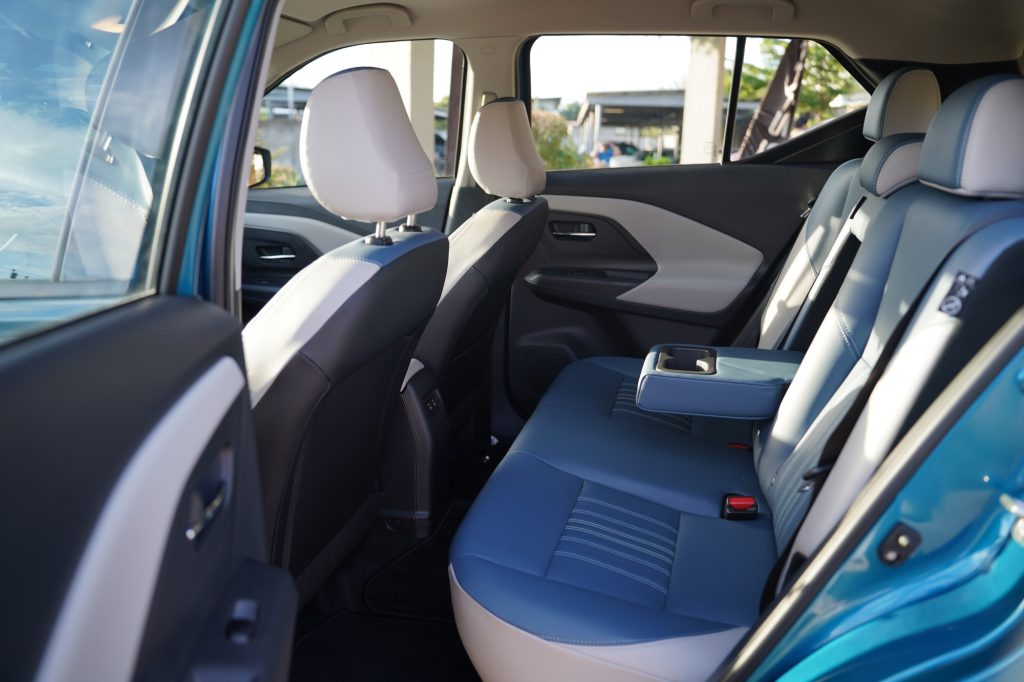
The second row of the Kicks can be polarizing, depending on how long your drive is. There’s no Rear Air Vents but the ventilation is good thanks to the position of the vents on the dashboard. I also appreciate the USB Type-C ports at the back of the center console.
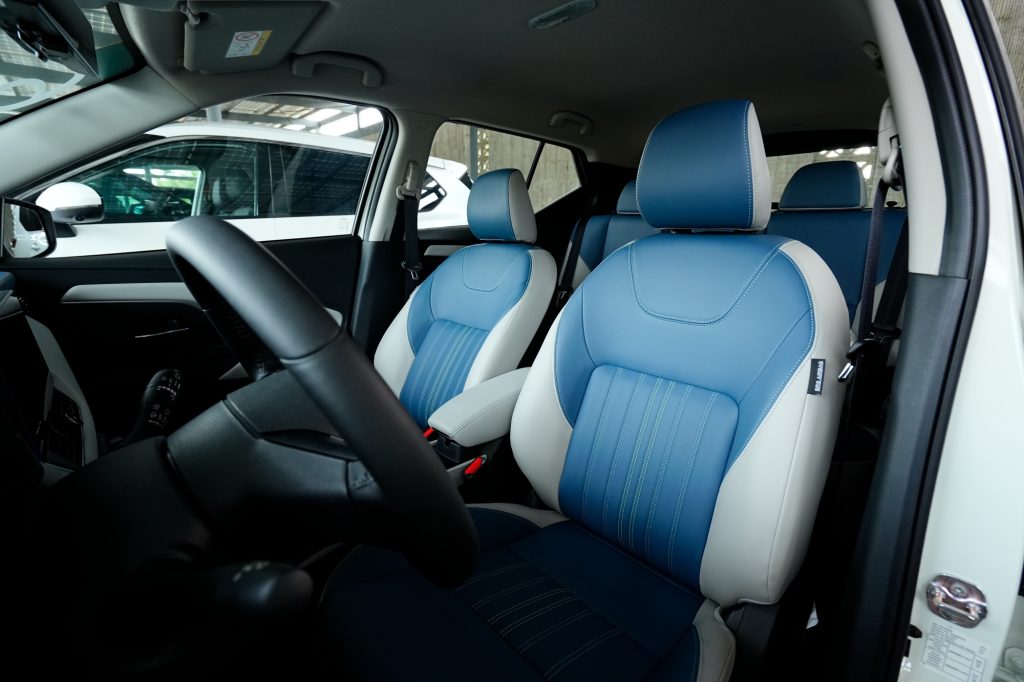
The polarizing part comes in the comfort, or lack of it, at the back. The seat base on the second row lacks cushion and after a while, you’ll definitely feel the frame on your rear. I found myself squirming, trying to look for a comfortable position, during our 4-hour drive back from Pangasinan to Quezon City. To be fair, it didn’t feel that way when we had a 2-hour drive to our lunch destination. I guess time is of the essence when you’re seated at the backseat in the Kicks. Although, you should also take into account that I’m a heavy guy.
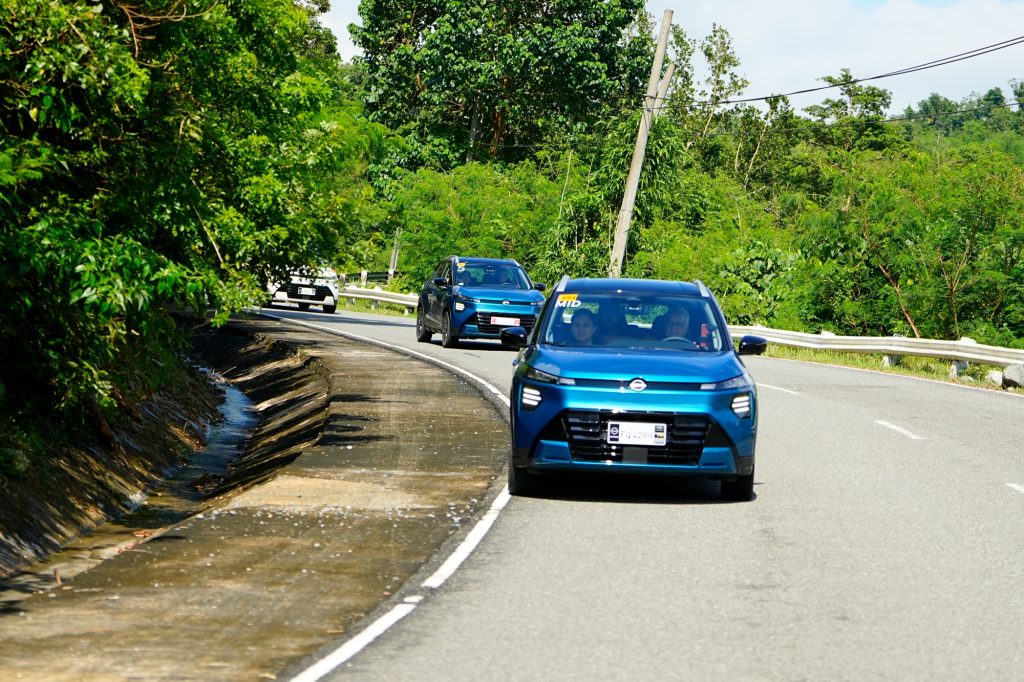
Despite that little setback, the Nissan Kicks is still impressive. It returned 17.5 km/l during our time with it. In fact, I think it’s more deserving to be the flag bearer of Nissan’s e-POWER system right now instead of the X-Trail. This short king proves that bigger isn’t always better.
The uniqueness of Nissan’s e-POWER system is mesmerizing once you actually experience it. The cars are not perfect, but they are both really light on the wallet and mind for these long drives. We didn’t have to worry about refueling or charging during the 700 km drive across three days. Yet we returned to Quezon City with around half a tank left for the car with least fuel remaining. For that, one can forgive all the shortcomings these two may have.