





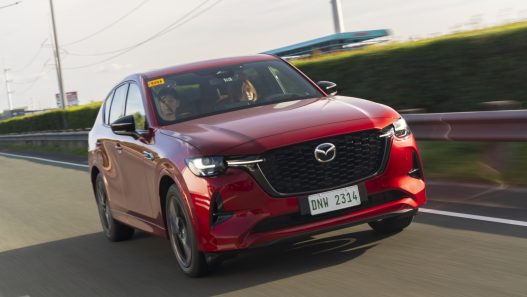



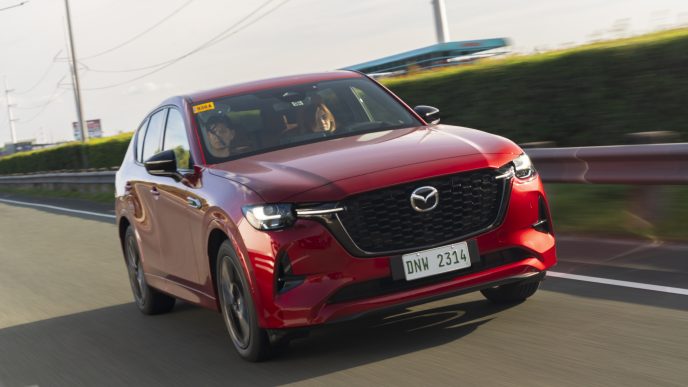
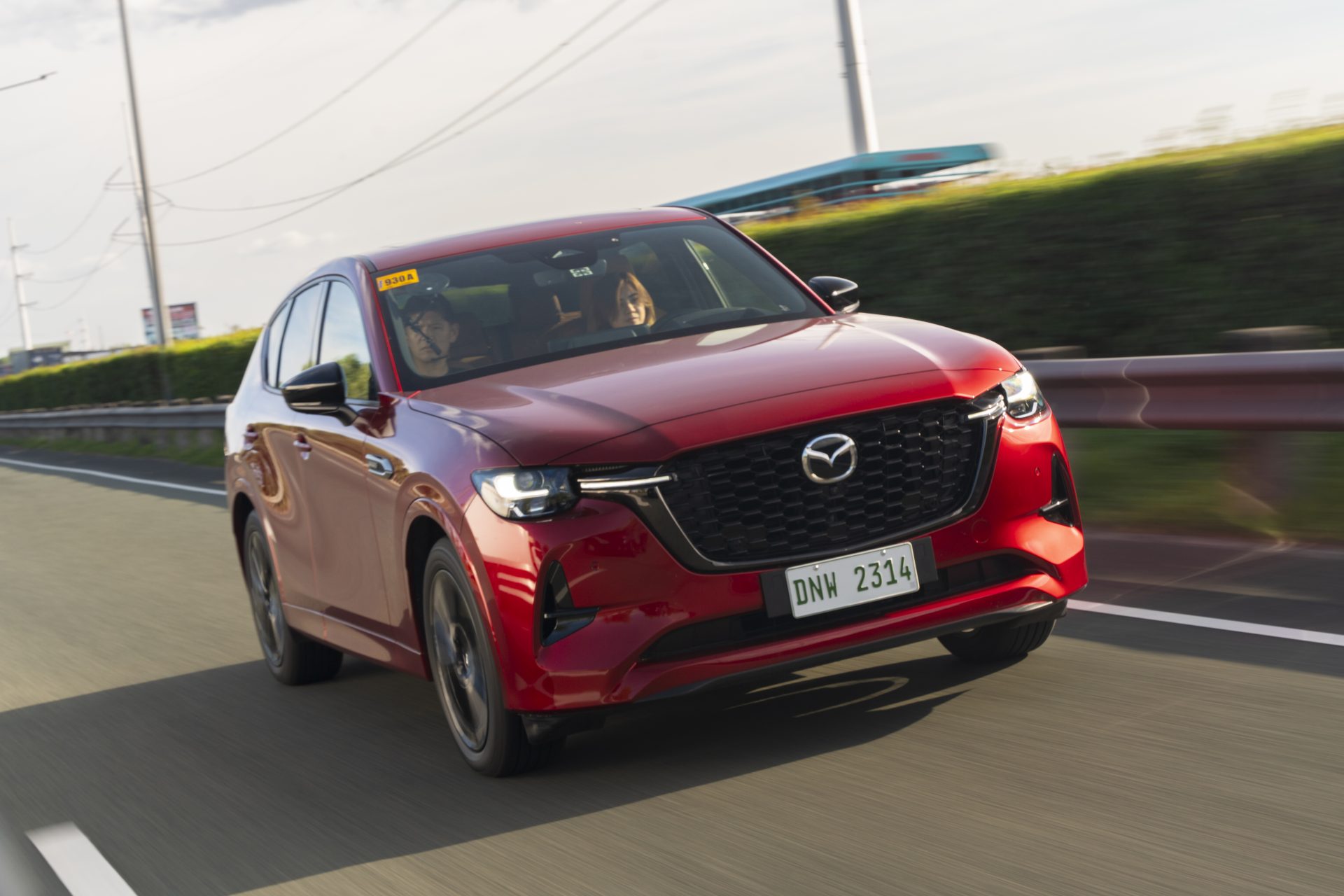
Mazda may have bitten more than they could chew with the first-ever CX-60. Launched in 2023 both globally and in the Philippines, it was the first vehicle that was supposed to espouse the Mazda Premium philosophy. Praised for its design and craftsmanship, Mazda Philippines had no problems moving the CX-60 with more than 800 of them sold. This makes the Philippines the largest CX-60 in Asia outside of Japan.
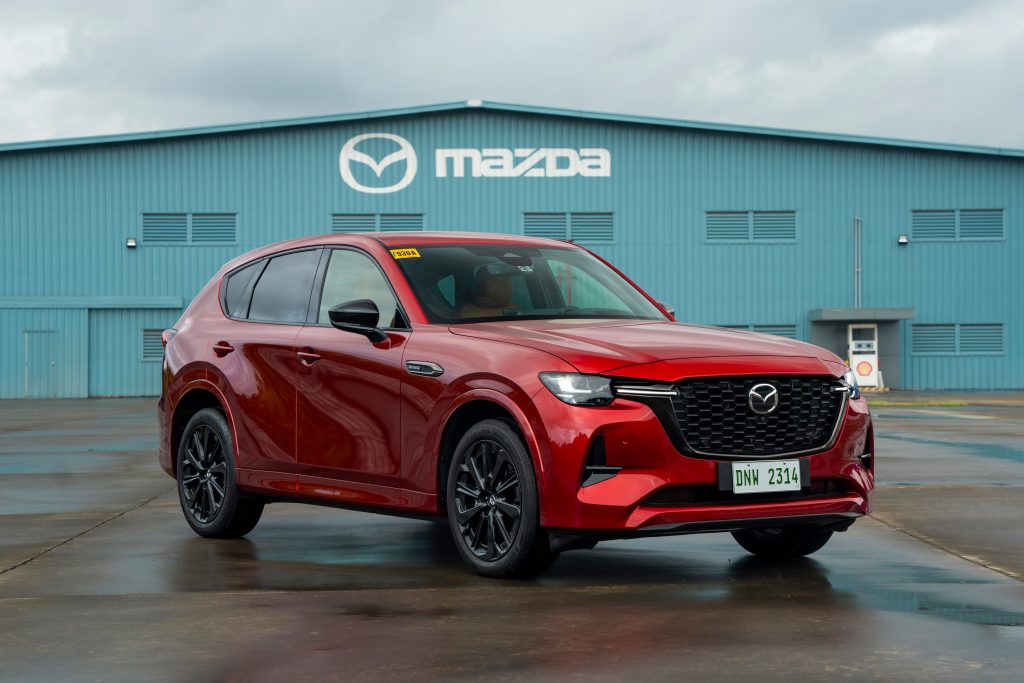
Universally praised for its design and craftsmanship, the CX-60 was plagued with nagging issues. Although Mazda Japan and Mazda Philippines coordinated closely and did their best to address them with updates and fixes here and there, it took its first major update three years later to rectify two of the biggest complaints: the shift quality and the refinement.
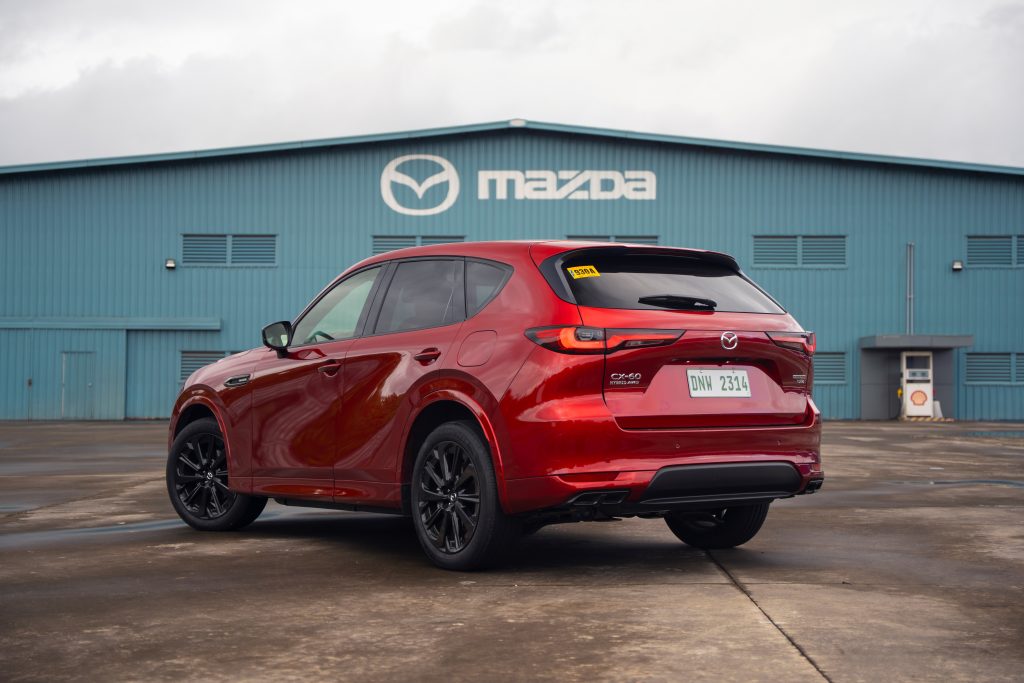
Compared to the usual product update, the CX-60 focused on improving its driving characteristics. It’s something you’ve come to expect from the purveyors of the entire Jinta-Ittai (Horse and Rider as One) philosophy.
For 2026, The ride experience has been significantly enhanced, with no sacrifices to the driving experience. The rear suspension has softer rear springs and new bump stops for improved compliance, while the dampers with increased rebound rates help control vertical motion. The front suspension features dampers with firmer front compression rates and relocated front knuckle mounts for better stability, especially on rough roads. A recalibrated steering and stability systems also improve overall balance.
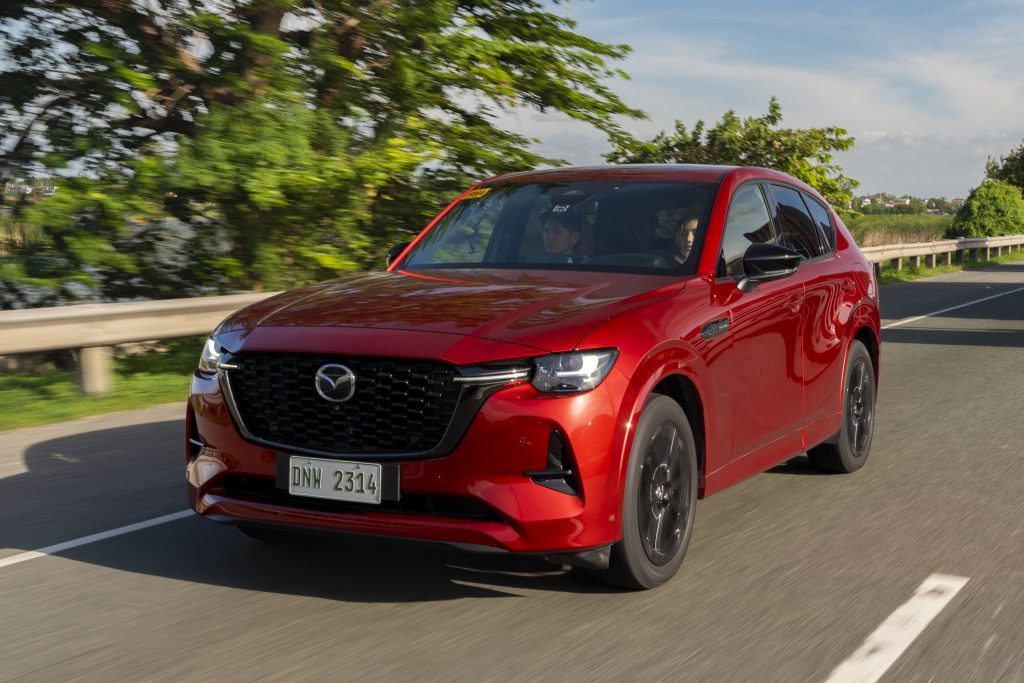
While the old CX-60 felt nervous on less than perfect roads, the new suspension is much more pliant. Moreover, harsher impacts, like the road joints along TPLEX, have been quelled as not to make it a pain in the back.
The Skyactiv-Drive 8-speed automatic has been augmented in the new CX-60 too, with clutch control and hydraulic valve improvements. This results in even smoother and more responsive combustion-engine-to-electric motor transitions.
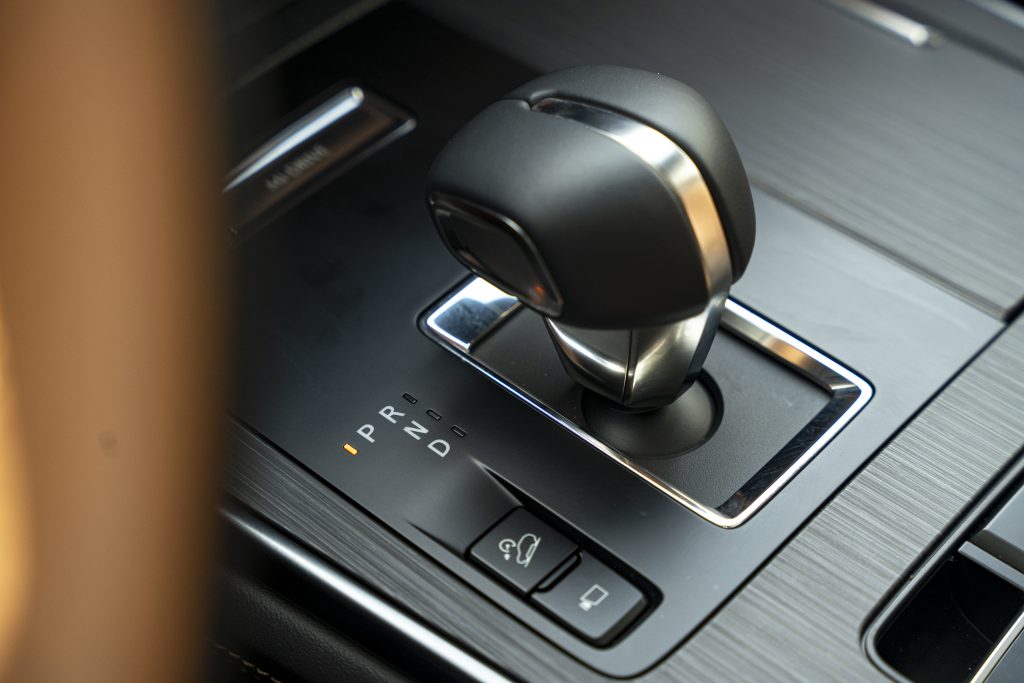
The net effect is a more decisive gearbox. No longer does the multi-plate clutch automatic have to go up and down different gears just to find the right one. It also doesn’t hunt gears like it used to. The responsiveness is less sharp than before, especially when it switches between the two power sources. But, that’s still a great tradeoff for a smoother experience behind the wheel.
Speaking of which, the CX-60 is still powered by either a gasoline or diesel engine, both offering a displacement of 3.3-liters and an inline-6 configuration. The 3.3-liter e-Skyactiv-G delivers 284 horsepower and 450 Nm, while the 3.3-liter e-Skyactiv-D offers 254 horsepower and 550 Nm.
Both engines utilize the Mazda Hybrid Boost technology. The 48-volt hybrid system utilizes a small Integrated Starter Generator or ISG to capture energy that is normally wasted during braking and stores it in a lightweight lithium-ion battery to power the Mazda CX-60’s electrical systems. It further provides an electrical assist when pulling from a stop improving off-the-line power delivery. And since it can run on electric power alone, it’s still recognized by the Department of Energy as a hybrid. In short, it’s number coding-exempt.
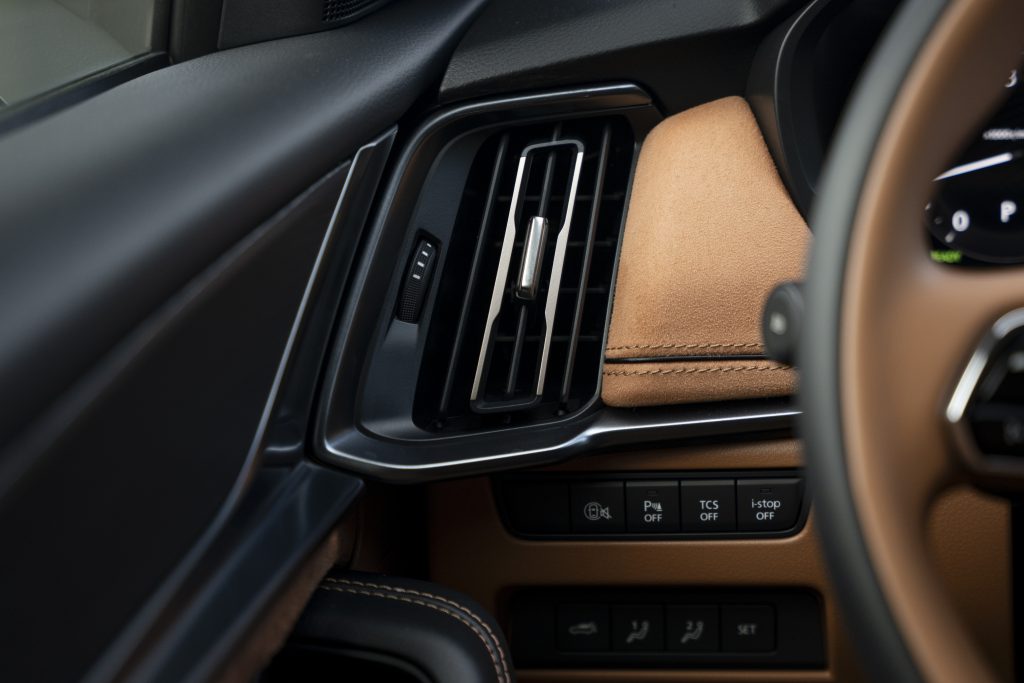
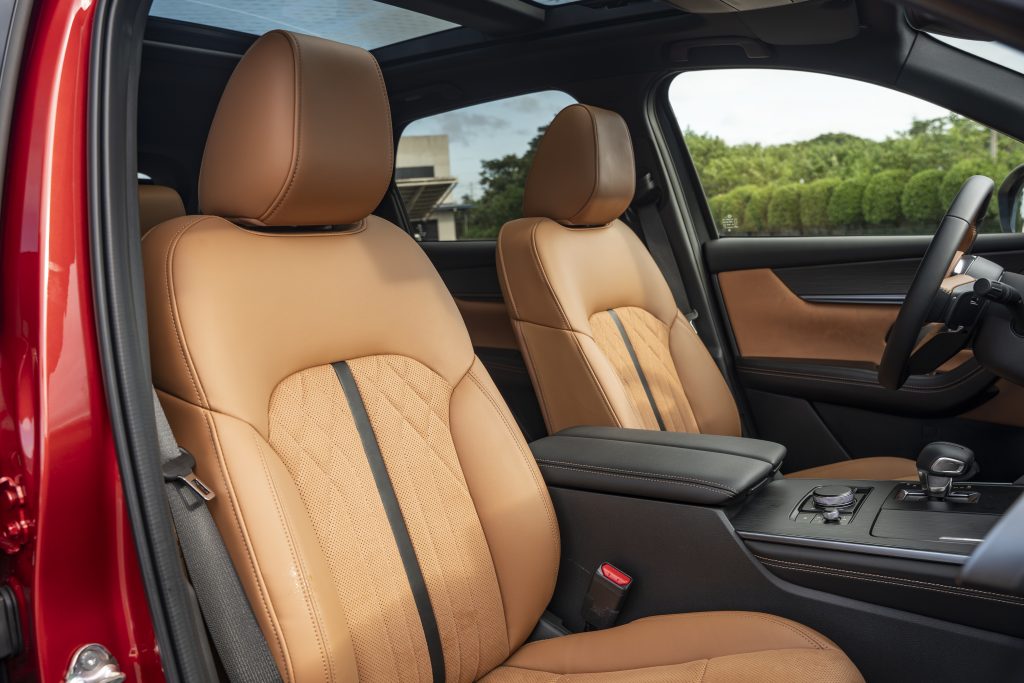
New on the CX-60 are additional refinements to its already impressive levels of Noise, Vibration, and Harshness (NVH). The sound insulator material used on the dashboard is thicker and denser, with increased coverage that now includes the upper part of the cowl. The same is applied with the trunk side trim which has increased sound insulator coverage compared to before. A new steering column joint and reinforced doors also reduce unwanted interior vibrations.
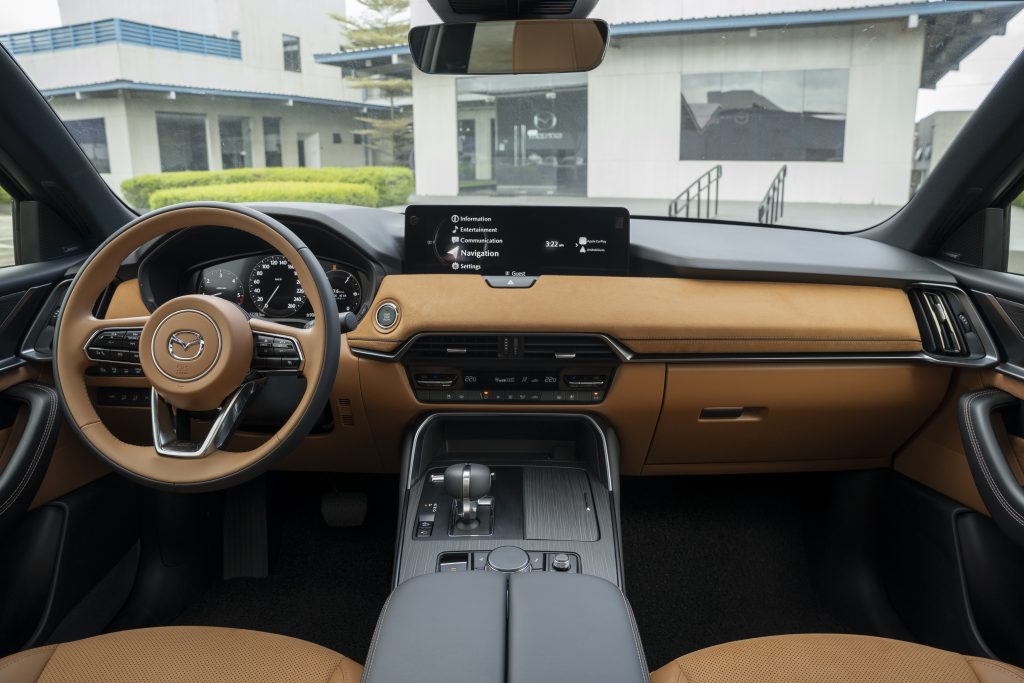
Both variants offer a highly ergonomic interior with a 12.3-inch fully digital driver’s display, a 12.3-inch infotainment center display, and a 10.4-inch heads-up display. Standard features are unchanged and include front seat ventilation, wireless device charging, ambient lighting, auto-dimming rearview mirror and driver’s sideview mirror, panoramic sunroof, dual-zone climate control with rear vents, and a 12-speaker Bose sound system.
Inside, the 3.3 AWD HEV Turbo features aluminum and silver metallic accents, black Nappa leather seats, and black leather interior upholstery. The 3.3 AWD HEV Turbo-D Sport, meanwhile, offers graphite and gun metal accents, and tan Nappa leather seats with quilted Leganu suede inserts.
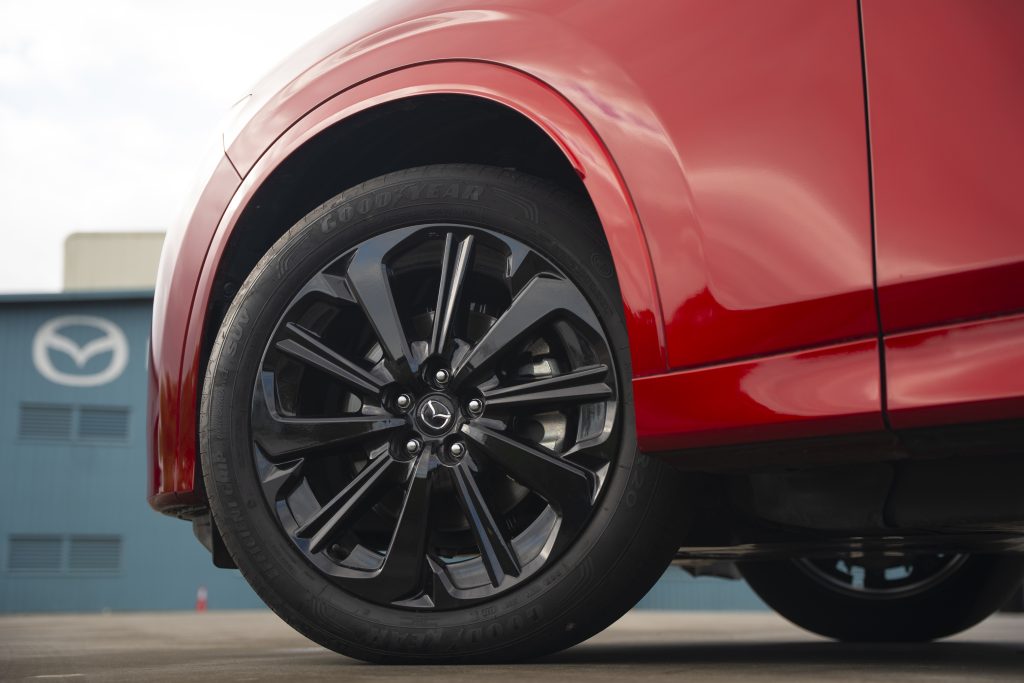
Outside, both variants have 20-inch aluminum alloy wheels with 235/50R20 tires, a panoramic sunroof, and a hands-free power tailgate with height memory adjustment. The 3.3 AWD HEV Turbo showcases the signature Mazda design with its machine-cut alloy wheels, bar-type grille, bright chrome on the front fenders, side window moulding, and exhaust finishers. Meanwhile, the 3.3 AWD HEV Turbo-D Sport has black metallic alloy wheels, dark honeycomb grille, dark side window moulding, dark exhaust garnish, and black side view mirrors.
Color forms a central tenet to Mazda’s design, so much so that the new Mazda CX-60 is available in three Takuminuri colors: Rhodium White Premium, Soul Red Crystal, and Machine Gray. The other available colors are: Jet Black, Sonic Silver, Platinum Quartz, and Deep Crystal Blue.
As for the pricing, the new Mazda CX-60 3.3L AWD HEV Turbo is priced at P 2,890,000, while the new Mazda CX-60 3.3L AWD HEV Turbo-D Sport is pegged at P 2,990,000.
The price is inclusive of a 5-year Free Service Plan which covers the expenses of periodic maintenance at either 6-month or 10,000-kilometer intervals, for up to 5 years or 100,000 kilometers, whichever comes first. This is on top of a 3-year bumper-to-bumper warranty and a 5-year hybrid battery warranty.


