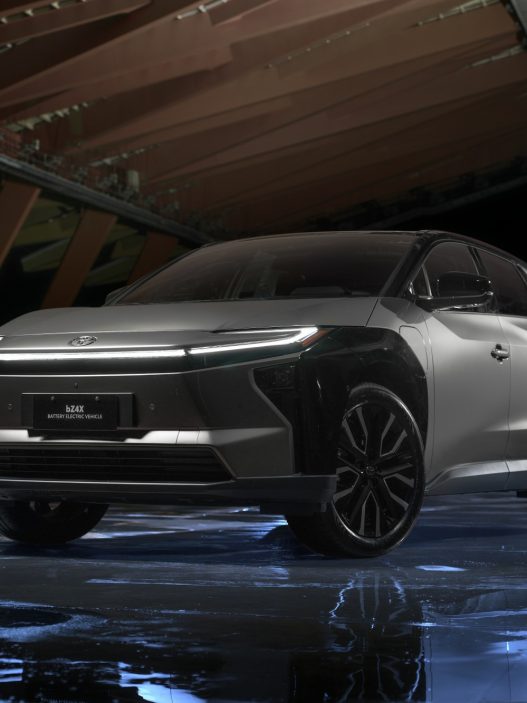






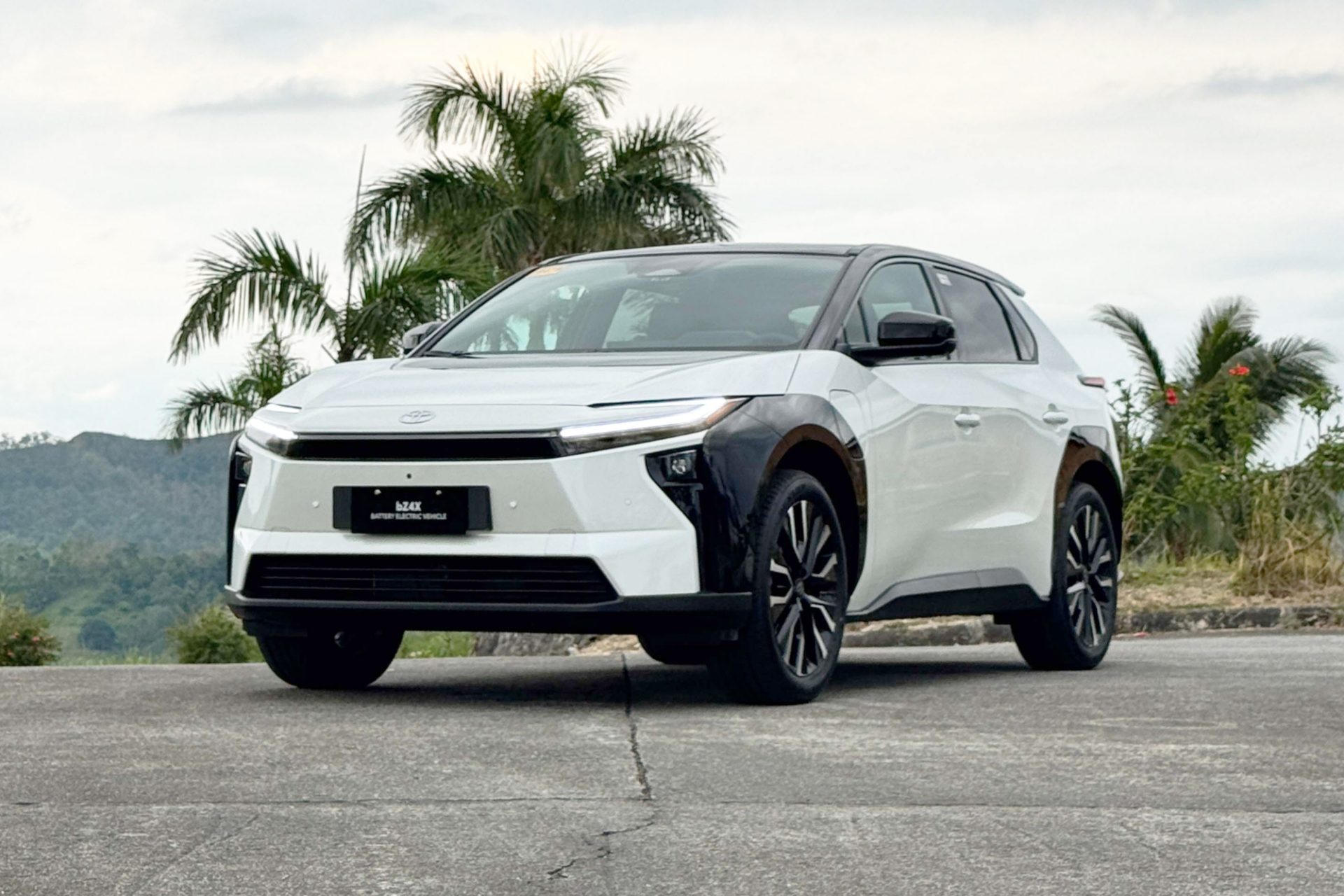
It took Toyota long enough, but they’re finally launching their first battery electric vehicle in the Philippines: the 2026 bZ4X. Still a firm believer in gasoline electric hybrids (they have the widest selection in the country after all), they think that now is the right time for them to dip their toes in something motivated purely by electrons. Considerations, they say, involve several factors. What those are is a topic for another day; fact of the matter is that the bZ4X is finally here, and this is how it drives.
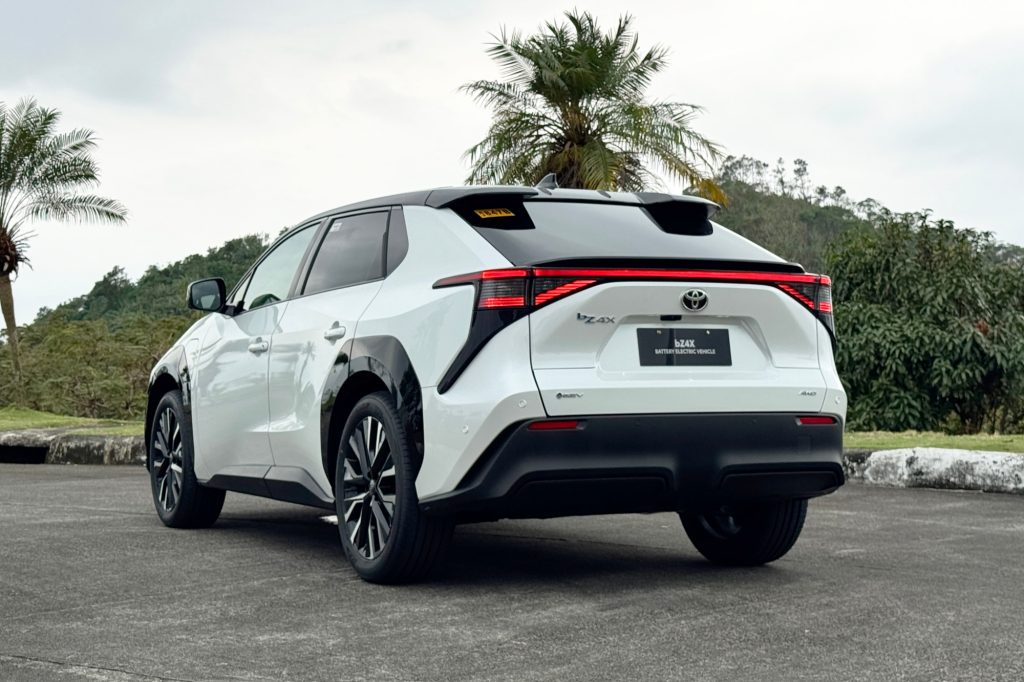
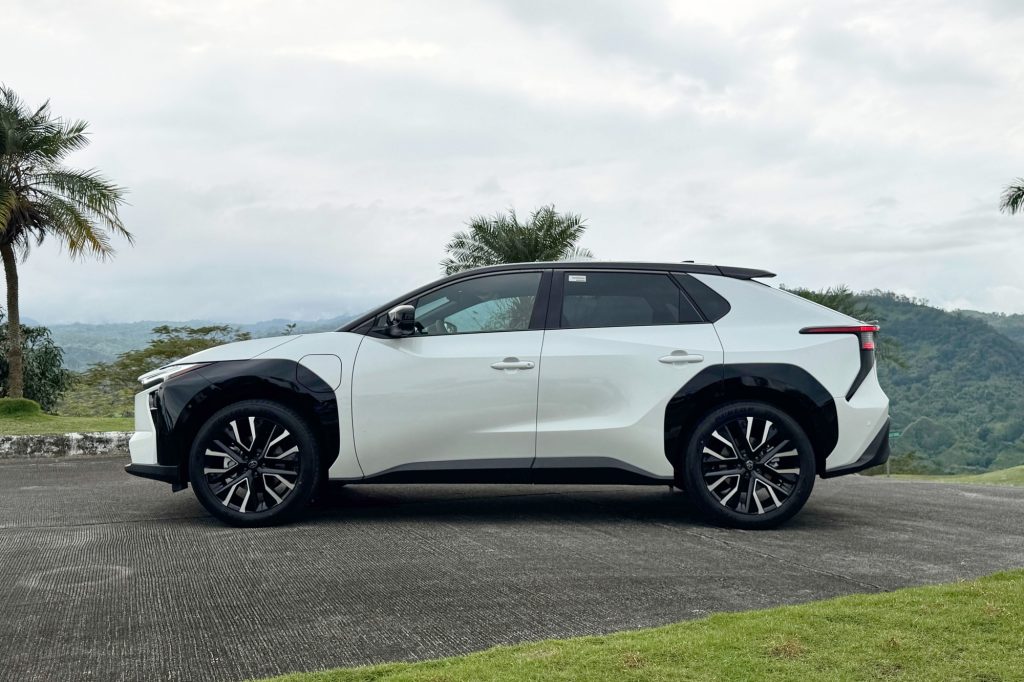
Coming roughly three years since the nameplate came out globally, the bZ4X that the Philippines gets is the most up-to-date one. Sourced from Japan, it comes in a singular, full-loaded variant which has dual motors and all-wheel drive. With 343 horsepower, it has the highest output of a production Toyota outside of the Gazoo Racing range. 0 to 100 km/h is dispatched in around 5 seconds and top speed is electronically limited to 160 km/h. As for battery and charging, it’s got a 73.1-kWh lithium-ion battery enough for 570 kilometers of range. Charging is done at a maximum of 22 kW (Type 2 AC charging) and 150 kW (CCS2 DC charging).
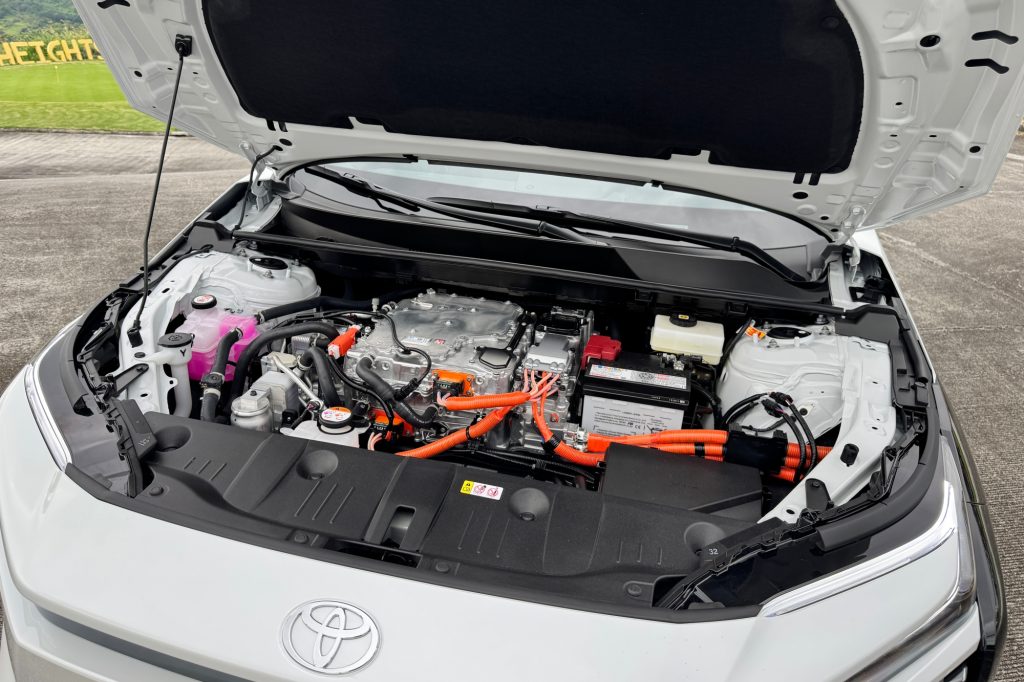
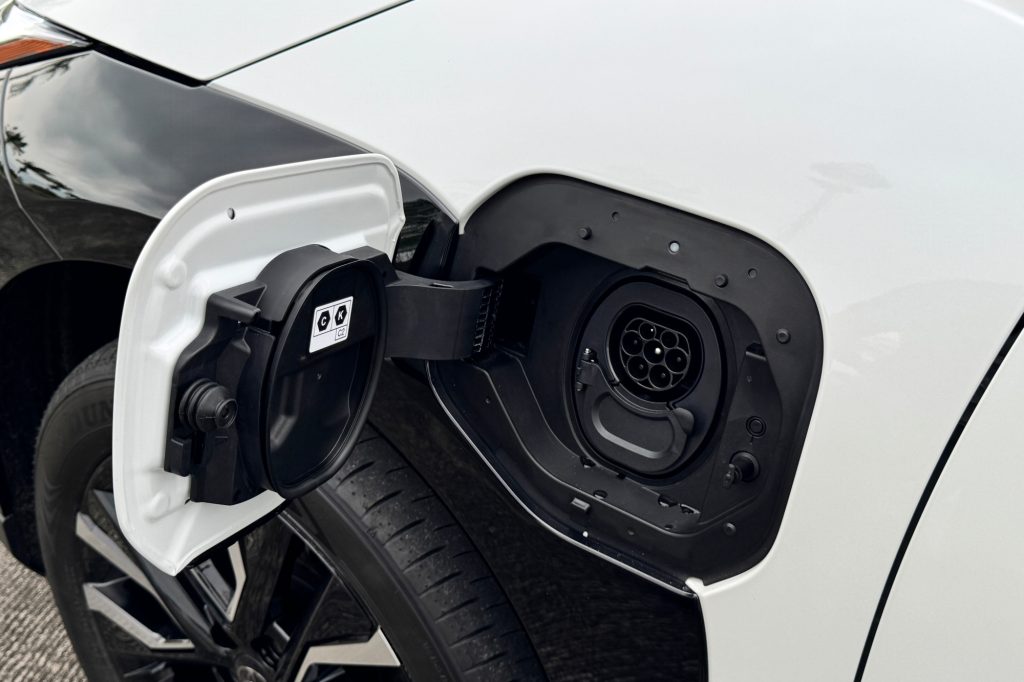
Impressive as these figures are, the bZ4X shines the most where it counts: actual road conditions. During my drive from Toyota North EDSA—the site of the first complimentary AC/DC charging station for bZ4X owners—to Clark in Pampanga, I found it a very approachable car. It has a gentle learning curve in every aspect from its control layout to its road manners.
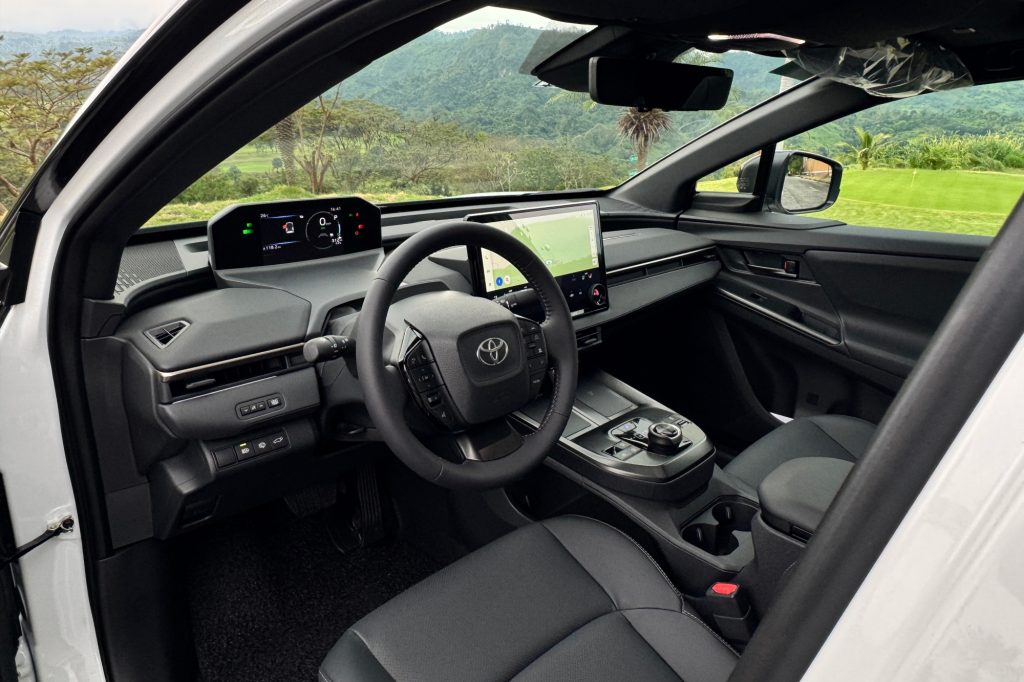
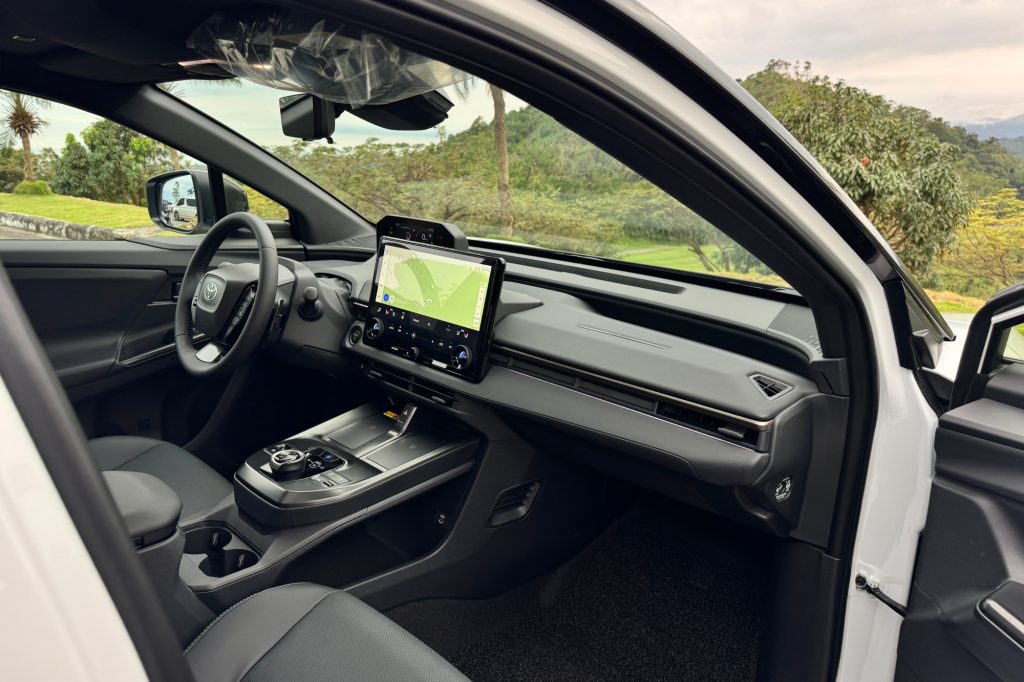
Typically, BEVs like some shock-and-awe when it comes to their implementation of in-car technology. Refreshingly, the bZ4X avoids that trope. Yes, there are two screens—one for the driver and another for the infotainment—but there are plenty of physical knobs and switches as well. Adjusting the cabin temperature, media volume, and even drive modes are all done via dedicated controls; no need to fumble through a touchscreen to do any of that, thankfully.
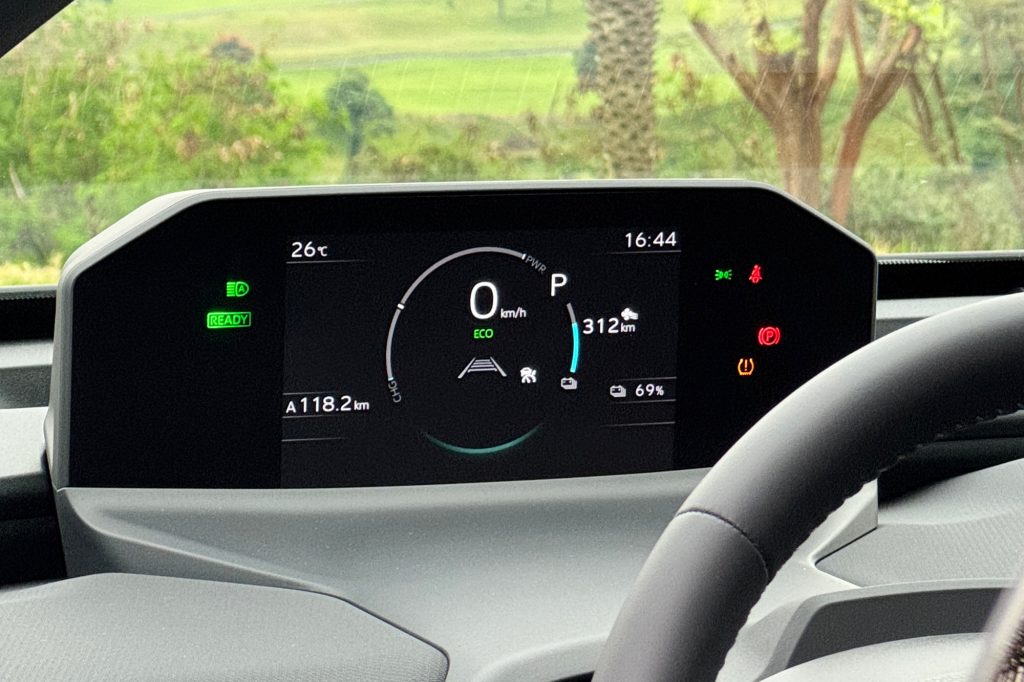
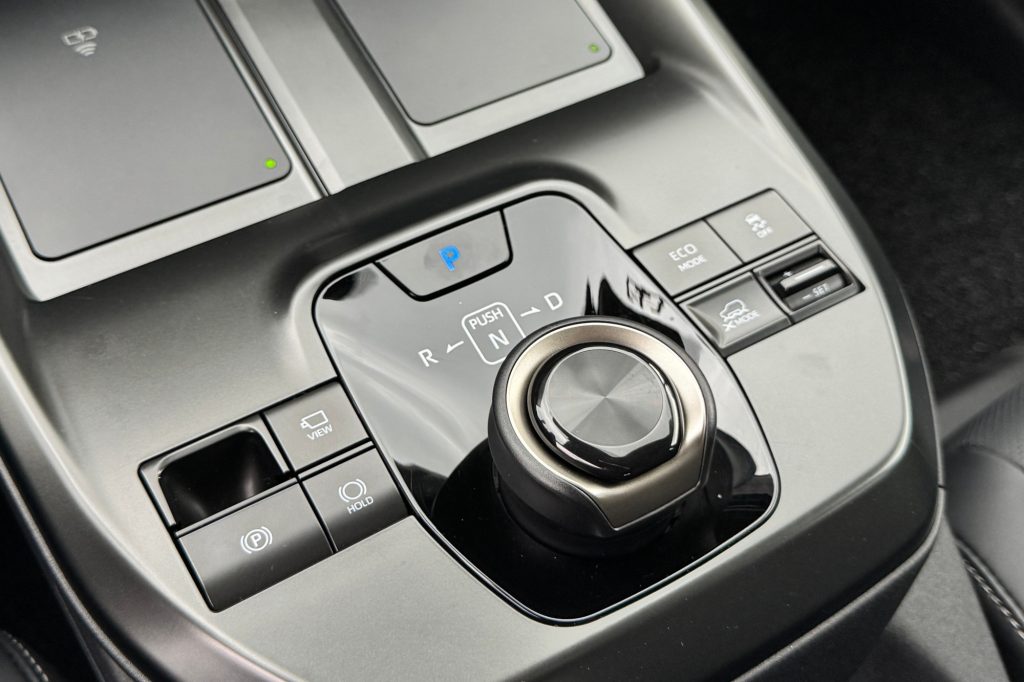
The driver display is positioned above the steering wheel and is customizable with a variety of views. One, shows the actual battery health. This is the first time I’ve encountered that in any BEV I’ve tested (and I’ve tested quite a lot), and this take the guess work out as to how the battery’s coping up in the long run.
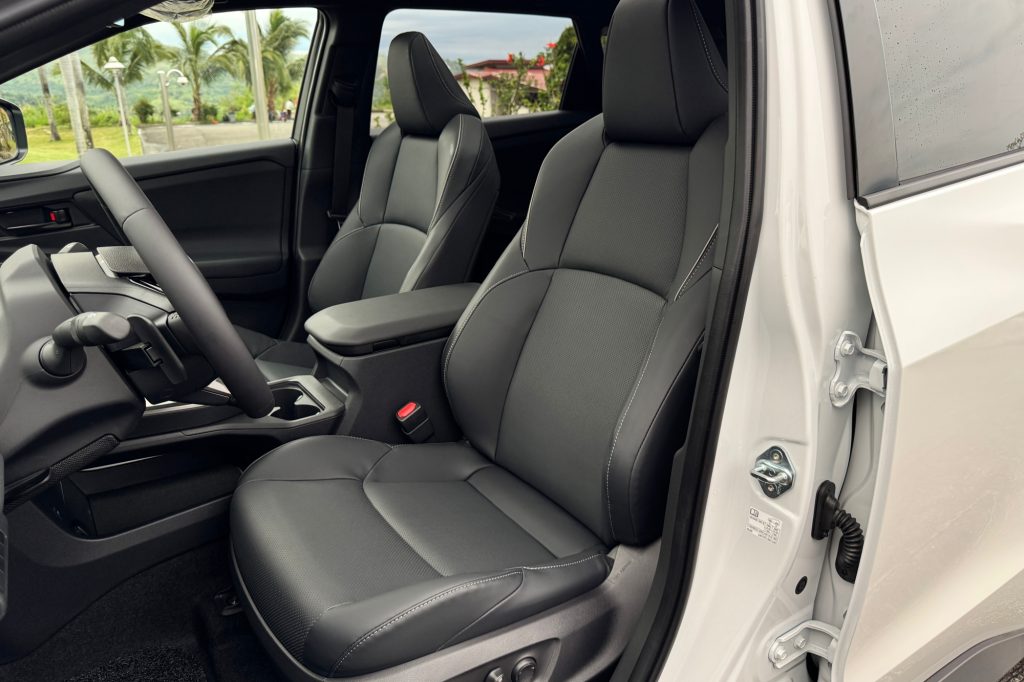
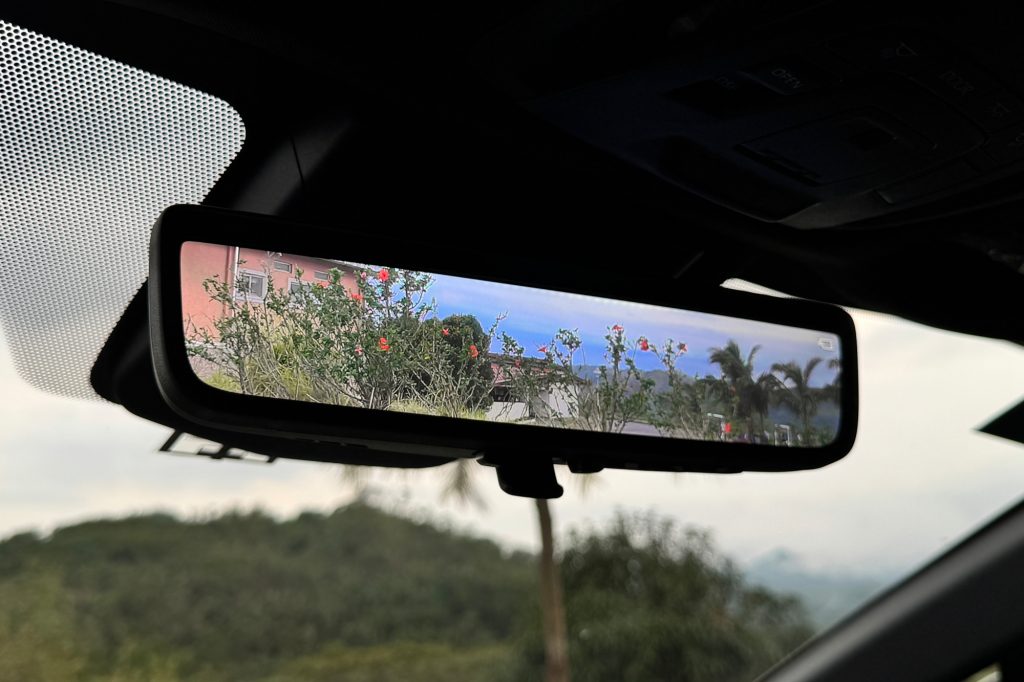
Adjusting the seats is easy with plentiful movement thanks to the 8-way power adjust to both front seats. There’s built-in heating and ventilation, while the driver has a two-position memory setting. The most comfortable seating position, I found, is lofty with a good, clear view of the surrounding area. If anything, the thick rear pillars, and the oddly-placed gauge cluster being the only two gripes. Thankfully, there’s a digital rearview mirror that provides an unimpeded view of the road behind; handy when it’s fully loaded with people or cargo. Sensors, both front and back, as well as a panoramic view camera help in tight situations. It’s even got an automated parking assist for those who aren’t so confident with their parallel parking skills.
Despite the peak figures, it feels perky as opposed to being outright fast. Instead, it’s about usable progression. Power comes in gradually and even at full throttle, the 20-inch Dunlops never squirm for grip. At the same time, there’s enough juice to make short work of overtaking slower traffic on the expressway. In a world of headline grabbing horsepower from BEVs, this behavior seems weird at first. Ultimately, it’s something well-suited to the approachability of the bZ4X.
With an average speed of 54 km/h, it registered an energy consumption of 6.89 kilometers per kWh. With 69 kWh out of the 73.1 kWh usable, it means a real-world range of 475 kilometers. Like any BEVs, the amount of regen is adjustable, but it falls short of providing a one-pedal driving experience.
When it comes to dynamics, the bZ4X does little to mask its heft. Going over bumps, it made me feel the mass of the giant battery underneath. Hussle it though, and it still has a sense of urgency when changing directions. The steering is finely tuned, while the entire car is kept in check by the electric motors’ torque vectoring. The ride too is soothing, taking off the worst of sharp bumps. Meanwhile, the damping keeps a lid on big dips and crests, including that “jump” just before the San Simon bridge. If anything, it’s the noticeable tire noise that’s the only issue.
Although untested during this occasion, the bZ4X rides on the e-TNGA platform, a collaboration between Toyota and Subaru. The latter contributed its X-Mode system which controls the behavior of the two-motor system. This gives it sure footedness across a variety of situations. Together with 200 mm of ground clearance and 500 mm of water wading depth, it equates to confidence in tackling some of Manila’s worst parking lots or even flash floods.
Similar in size to a Toyota RAV4, it’s not surprising just how roomy and practical the bZ4X is. The excellent front space aside, the materials used and the construction feel solid. It doesn’t feel particularly premium, but it’s well-wearing with quality baked right in. There’s plenty of storage including a large, double-hinged (it can open from the left or right side) arm rest cubby hole, two wireless chargers, and thanks to a floating center console, a usable bin with two USB Type C chargers and a 12-volt socket underneath. Unusually, there’s no glove box. At the back, there’s plenty of legroom and thanks to reclinable seatbacks and a flat floor, it scores high in terms of comfort. There are rear AC vents and two USB Type C chargers too to complemented the rear seat heating.
Most curious is that Toyota doesn’t go the usual fix-a-flat sealant and tire pump route. Instead, there’s a temporary-type spare tire in the cargo hold. It’s down to LTO compliance, Toyota says, and it does eat up a huge chunk of the available luggage space. Thankfully, because it’s held down by tiedown straps, would-be owners could simply leave the spare tire at home for short trips, or in case they need to haul balikbayan boxes. Once that’s removed, there’s a small underfloor storage, perfect for the portable charger that comes with every bZ4X. If you need to lug around a bigger load, you can fold down the 60/40 split rear seat backs. Sadly, there’s no frunk due to the front motor’s tall design which is done for turning radius. And at 5.6 meters, it betters both the Hyundai Ioniq 5 (5.9 meters) and the Tesla Model Y (6 meters)—its chief competitors.
Toyota certainly bided their time in launching the bZ4X. And while that’s easy to criticize, I could also argue that it’s simply about putting the right pieces on the chessboard. No doubt, customers will easily be attracted to it by its price tag and impressive specs, but it offers much more. At launch, 14 Toyota dealerships will offer complimentary AC and DC charging, including one in La Union and another in Batangas City. Aside from a portable charger, it comes with a free wall box charger too. And then, there’s the 5-year bumper-to-bumper and 8-year battery warranty. Preventive maintenance? Capped at just once a year. In that regard, I think of the bZ4X as well thought of. While other brands simply stick to the product itself, Toyota has managed to deliver the full experience that encompasses the entire ownership experience. This is how and why the bZ4X re-writes the local BEV standards.