






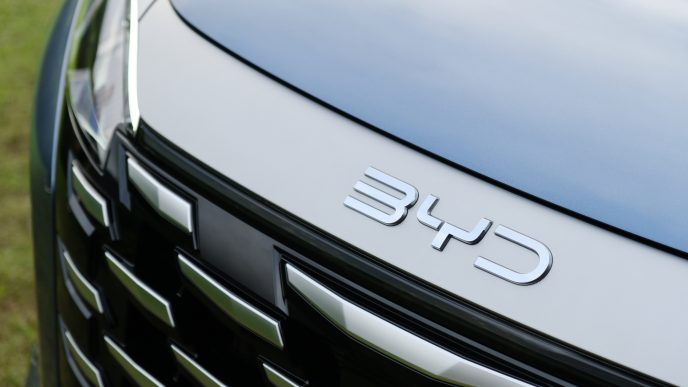
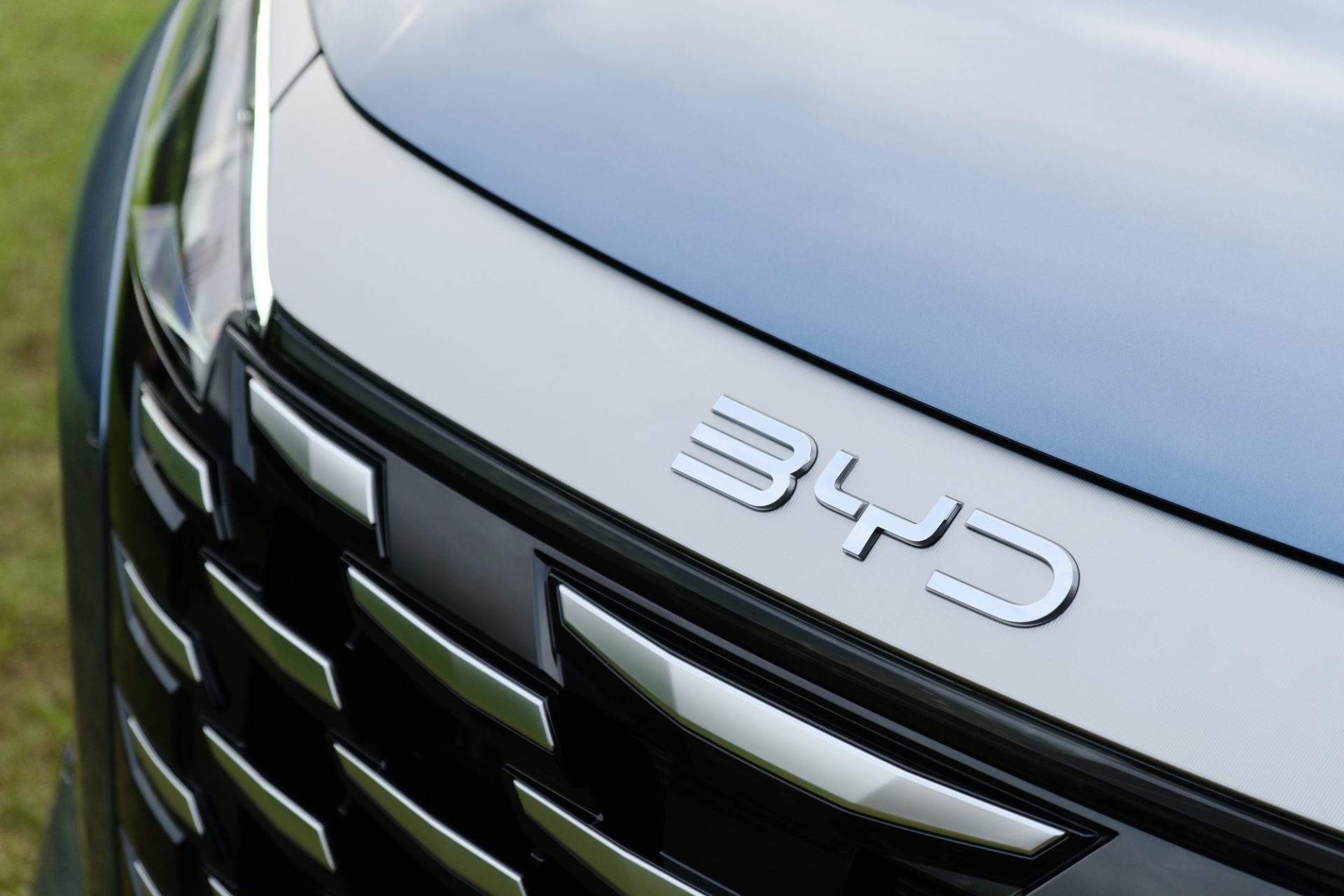
BYD finally beats Tesla in the EV race after narrowly beating them in 2024. Last year, Tesla only had around a 20,000-unit advantage over BYD but now, BYD beat them by a huge 620,000 margin. BYD moved 2.26 million EVs in 2025 while Tesla came up short with only 1.64 million, even less than their figures for 2024.
BYD’s overall sales rose by 28% despite a weaker Q4, especially in its home market in China. They recorded 4.55 million car sales in 2025 despite plug-in hybrids falling by 8%. They’re now planning to start a new production plant in Hungary to get away from the aggressive price competition in China.
While some expected a fierce competition this year, Tesla’s downfall has been accelerated no thanks to their own leader. Elon Musk started 2025 with an increased exposure of his politics that alienated his audience especially in the United States. US President Donald Trump’s decision to withdraw the subsidies for electric vehicles also helped in the decline of Tesla. In contrast, BYD beat them while still not being able to sell in the US.
Another factor that hurt Tesla in the US is the Cybertruck. Aside from the long time it took to be released to owners, Tesla also failed to fulfill their promises on that vehicle. It had a much higher starting price, much lower range than promised, and a questionable “durability” regarding its exterior and glass. Remember the Armor Glass failure during its launch? That wasn’t supposed to break, but it did, and no amount of excuse can cover that up.
As for BYD, they focused on where they perform best which is their vertical integration. Not only do they make their own cars, they also produce their own batteries, chips, and have control over raw materials needed for production. This resulted in pricing flexibility that end-customers enjoy and ability to make EVs that are truly affordable, something that Tesla still struggles with.
BYD was also able to expand in more markets compared to Tesla. This is because of the nature of their products. Tesla only has battery-electric vehicles and so they cannot compete in a country without a growing charging network. A good example is the Philippines where they only arrived late last year.
In contrast, BYD has hybrids in their lineup allowing them to go into markets that are yet to build their chargers. This, along with their diversity in products and range in pricing, translated to taking the lead in the EV race.
2025 will be a memorable year for BYD globally. They achieved the title for fastest EV production car in the Yangwang U9, the same car that was the fastest EV in the Nurburgring in the same year. They also had a record year for overall sales, and they climbed to the 91st spot in the Top 100 of Fortune Global 500.


