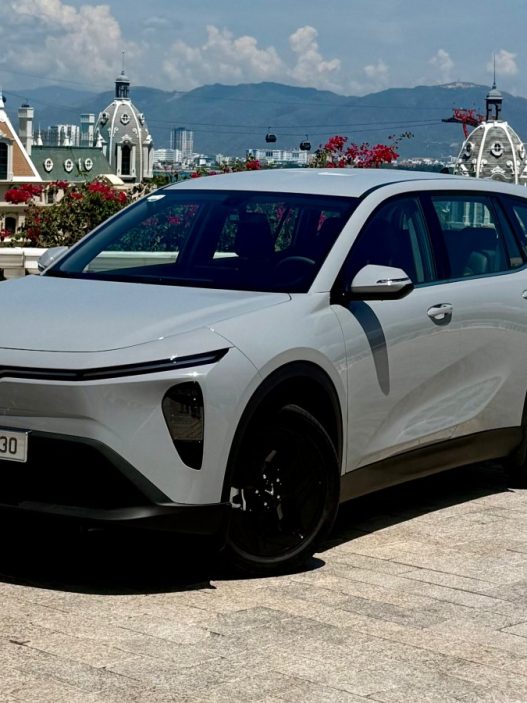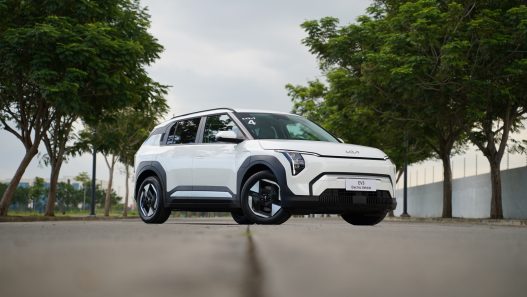






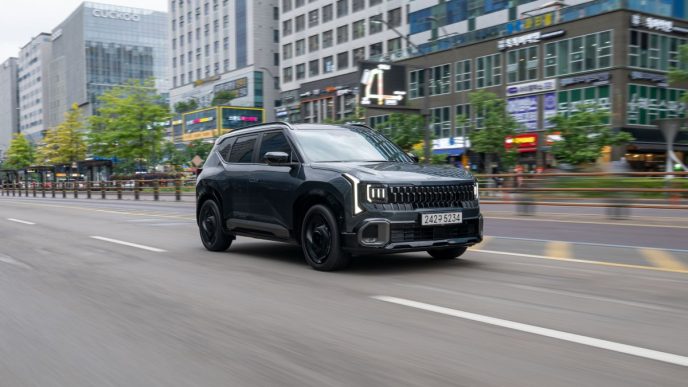
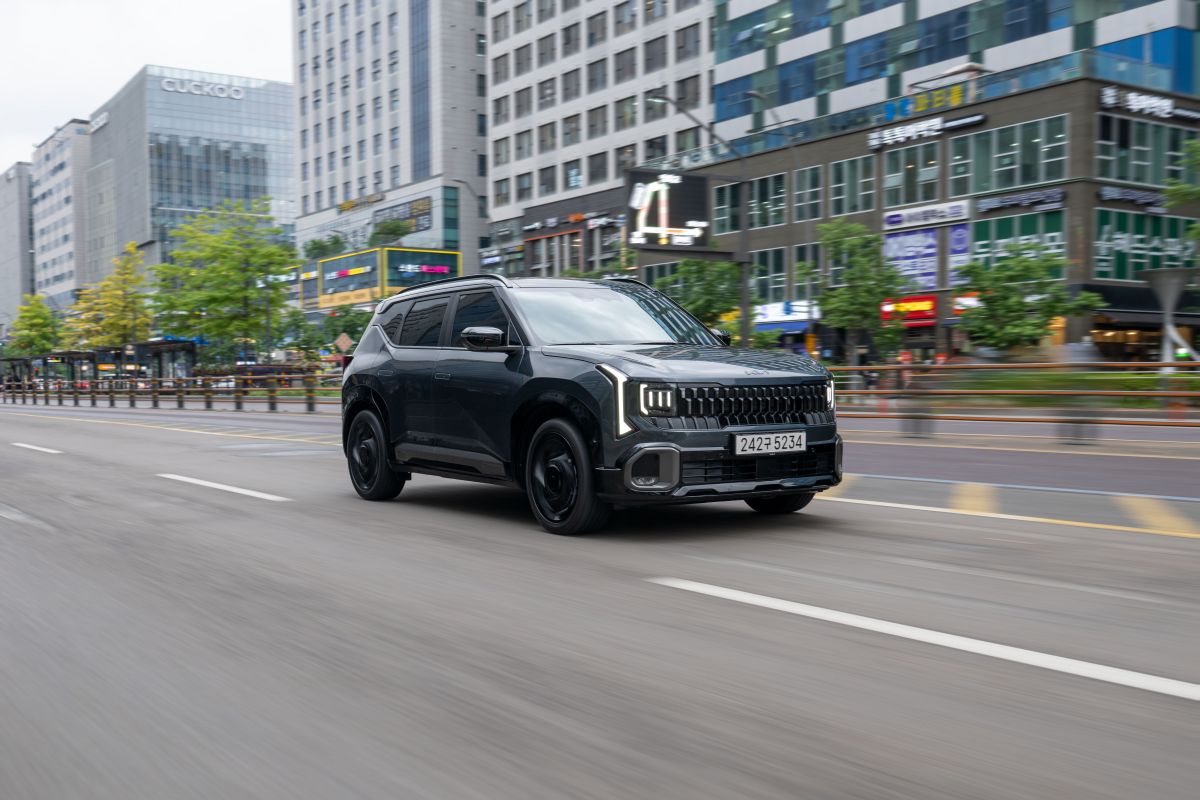
In one year BC (Before COVID), or 2019 to you and me, Kia introduced the Seltos. It was their first effort at a true global subcompact SUV that’s meant to compete in as many global markets as possible. By 2026, it’s sold in over 150 countries—more than the Stonic and the Sonet combined. But for all of its success, Kia admits that they were late to the small crossover game, and as a result, they’ve made compromises along the way. That all ends with the all-new, second-generation Seltos—a vehicle, Kia says, its tailor-fit to the needs and wants of SUV buyers, wherever they may be.
Being able to capture the attention of subcompact SUV intenders around the world seems like a tall order. Indeed, having to successfully bridge different tastes and sensibilities is difficult in that a buyer in Korea looks for something different than a buyer in the United States, or in China, or in the Philippines. However, in Kia’s research, they’ve identified three key points that seem to be universal: design, powertrain, and features.
In designing the Seltos, Kia didn’t start the usual way. Rather than using a carryover platform, the K2, and build on top of that, they switched over to the K3. This afforded Kia not only a larger canvas to work with (it’s 45 mm longer and 30 mm wider), but it also means much more high-strength steel (up to 60 percent) built in.
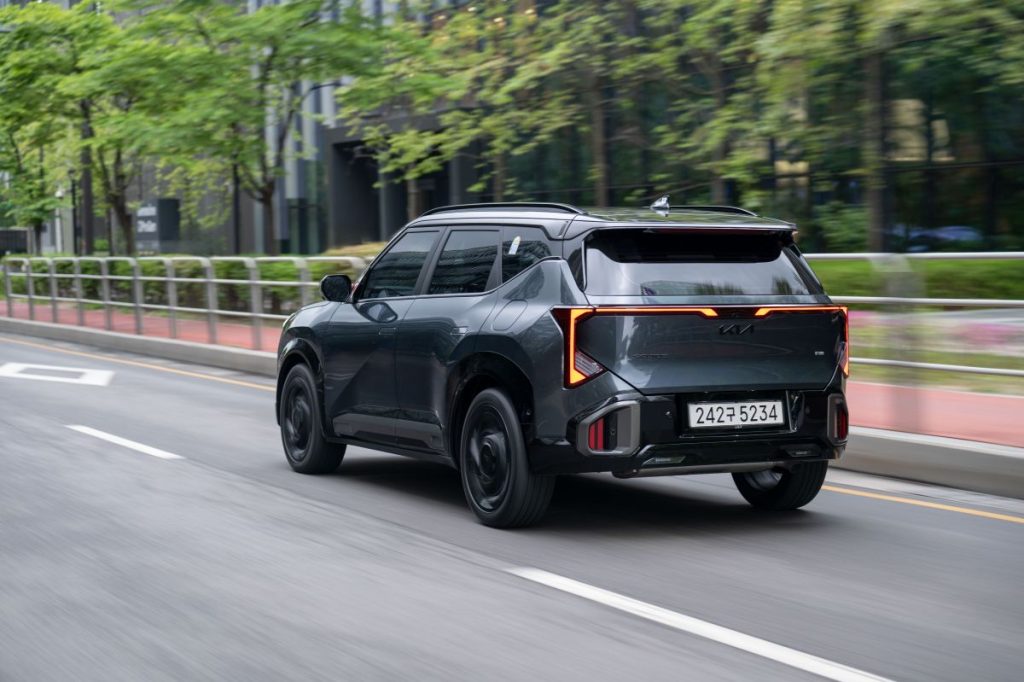
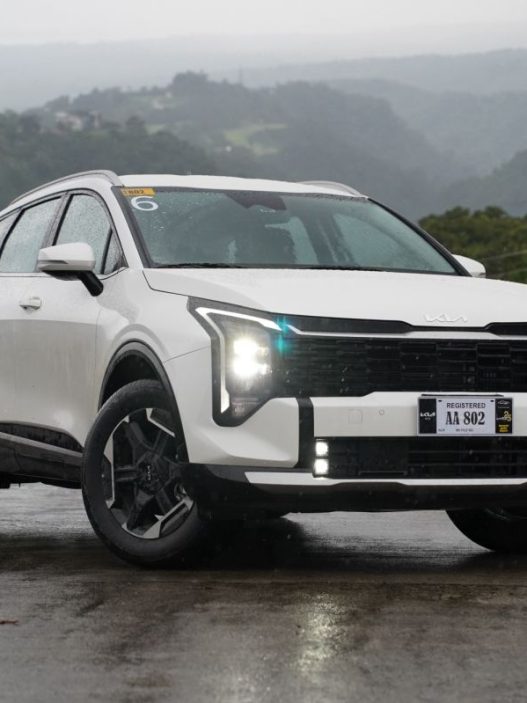
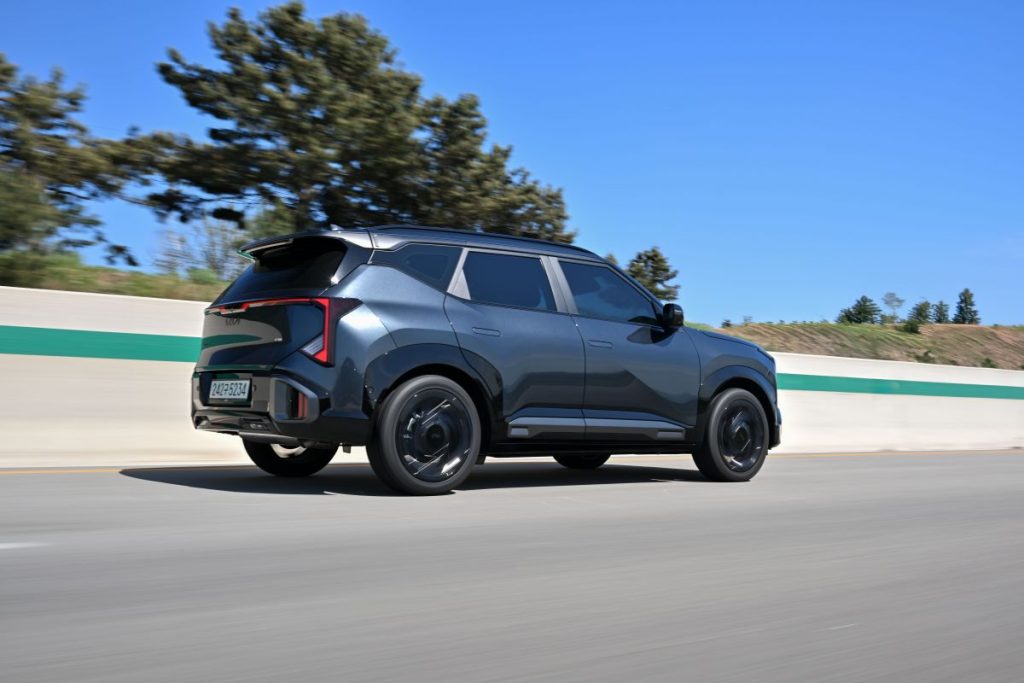
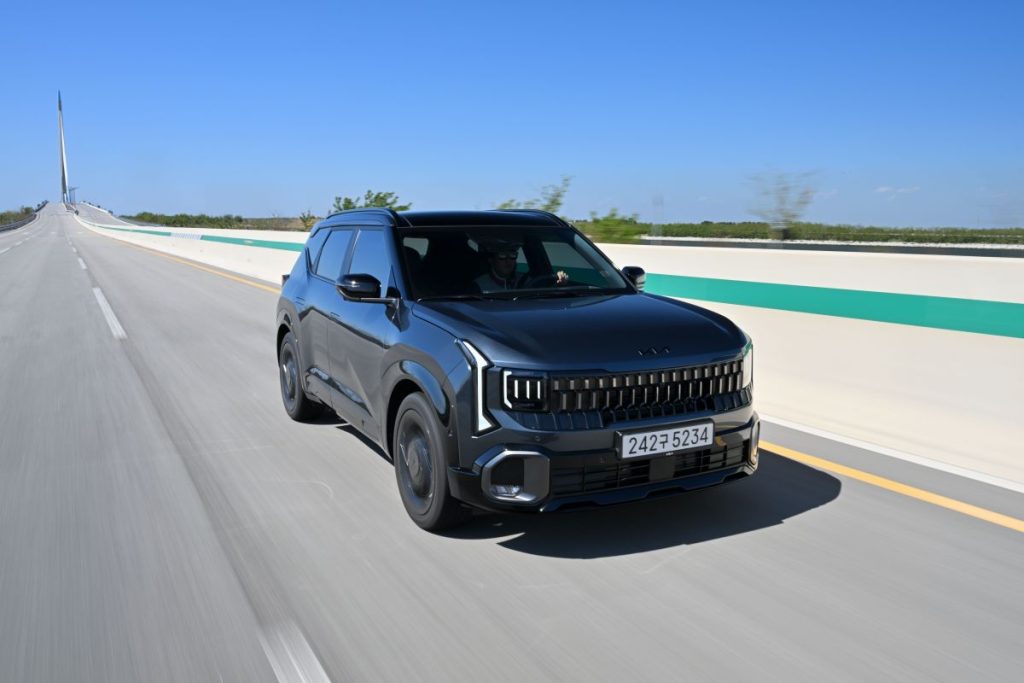
And that’s not to say that Kia’s lost their design touch. On the contrary, it’s made to stand out with its boxy, upright stance. When taken separately, its design details such as the hidden compound headlights, flush door handles, and geometric wheel pattern appear over styled; however, they work enough as a cohesive whole. Remarkably, Kia’s managed to make it more aero efficient than ever (0.31 co-efficient of drag versus 0.33).
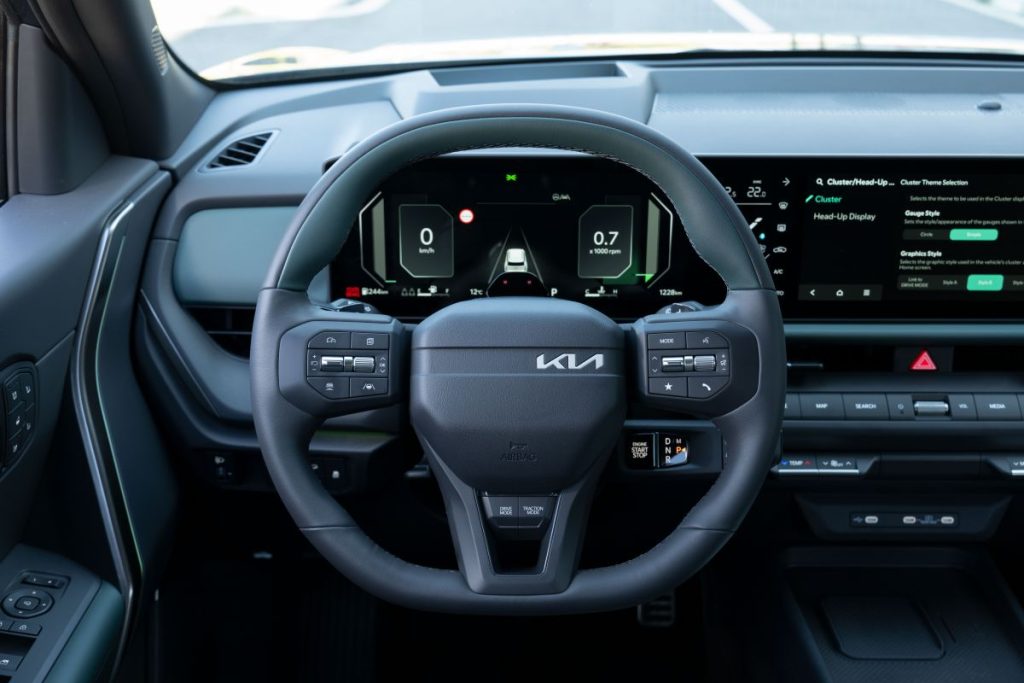
Kia also worked to give the Seltos a tech-focused interior. It’s a clear jump over its predecessor with the 30-inch flat panel type display, composed of two 12.3-inch screens and one 5.5-inch screen, serving as the focal point. After that, there’s a column-mounted e-shifter which also happens to house the push-button start-stop—very EV. At the center, there’s a wireless charger, two 100-watt USB Type C ports, and cup holders that tuck away neatly when not in use.
Thankfully, Kia hasn’t gone overboard when it comes to touchscreens. There are still plenty of tactile buttons scattered around the cabin including a roller wheel for the volume, toggles for the climate control, and even a Drive Mode selector located on the steering wheel. And as big volume driver, it comes with a long list of options, some of which read straight off a spec sheet in a vehicle a segment or two higher. There’s the panoramic sunroof, a 64-color mood lighting, ventilated and heated seats, and a choice between a Bose or Harman Kardon sound system.
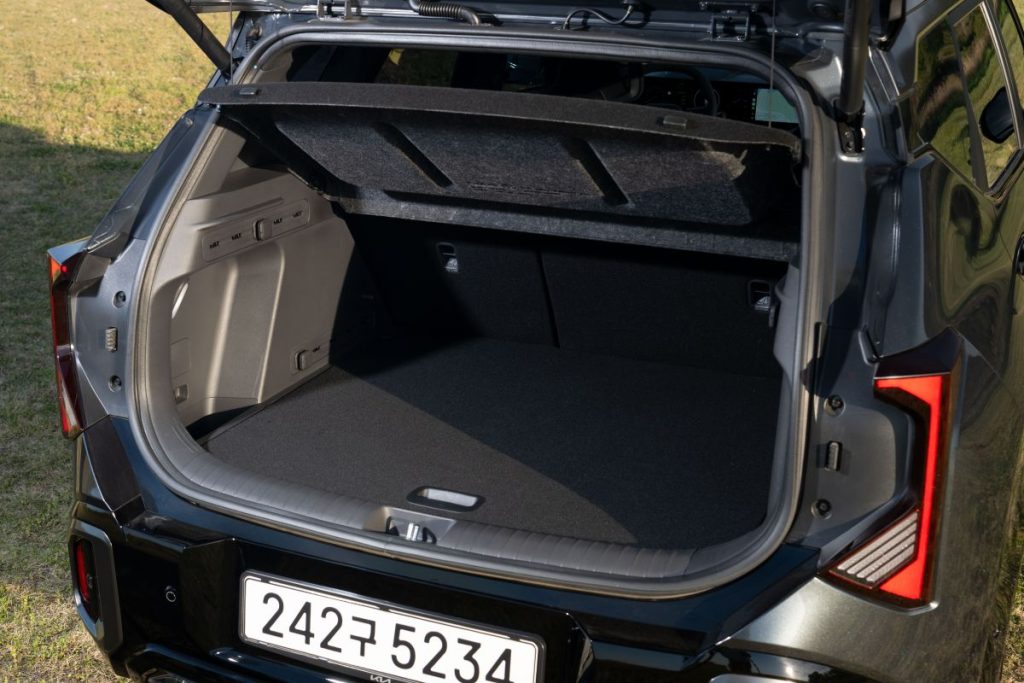
Beyond mere tech, Kia’s never forgotten the practical aspect. For one, it’s quite easy to get comfortable aboard the Seltos. Its driving position is just spot on thanks to ample adjustments to the steering wheel and seats. There’s also the additional head and legroom too. Like before, the rear seats are reclinable with up to 24 degrees of adjustment, but fold it down flat and the cargo hold’s much bigger than it once was.
Interestingly, at a time when other carmakers have gone the way of powertrain simplification, Kia went the complete opposite. In trying to cast the widest net possible, the Seltos is available in no less than seven 4-cylinder engines, six transmissions, two suspension configurations, and a choice between front and rear wheel drive. Not counting colors, appearance packages, and options, this alone has the potential to produce 168 possible combinations. That’s quite the product planning and production headache.
On this occasion, however, we happen to sample two powertrains available for the Korean market: the 1.6-liter T-GDI and the 1.6-liter HEV, both in the more rugged-looking X-Line trim.
Starting with the pure combustion version first, we set off from Seoul and heated to Gunsan, a 378-kilometer drive through a combination of urban streets, highways, and plenty of 30 km/h “pedestrian zones.” Despite having 193 horsepower and 265 Nm on paper, this Seltos felt just “alright.” Granted there’s no shortage of pull, it’s not exciting either. If anything, there was a telltale roughness to the shift quality where the 8-speed automatic felt like a dual clutch at times. Switching to Eco mode or hitting highway speeds seem to quell this. On the highway, it felt the most comfortable thanks to its naturally progressive steering and well-balanced ride.
After an overnight rest stop in Gunsan, it was time to switch over to the Seltos 1.6 HEV enroute to Gwanju. At 115 kilometers, this leg is much shorter, but it only took the first five to cement this as the powertrain combo to get. It produces less peak power (141 horsepower) and similar torque as the T-GDI, but the near-instant torque delivery was key to uplifting the entire driving experience. With the electric motor positioned by the dual clutch automatic, its all-electric running isn’t just limited to low-speed running either. Thus, it feels lively in almost every driving situation, be it puttering around the city or navigating around the occasional slow ajumma on the expressway. Weirdly, despite being the variant with the independent multi-link rear suspension, the ride is markedly firmer and more nervous when going over rough patches of pavement.
It must be remembered that Korea managed to conquer the world using its culture. The so-called Hallyu or Korean Wave meant that people the world over has embraced Korea’s unique entertainment, food, tech, and lifestyle. With the Seltos, Kia is going a different path. Instead of leaning heavily towards its Korean-ness, this subcompact SUV is positioning itself as a global citizen with chameleon-like properties. True enough, Kia espouses that European-spec models “prioritize agile handling and high-speed stability” while Korean spec models “focus on ride comfort and pitch control for urban conditions.”
In short, the Seltos may look the same, but will drive differently depending on where you’re from. Whether that’s the right call coming so soon from a full-on rebrand remains to be seen. Regardless, there’s no doubt that the Seltos does deliver practicality with style, individuality with confidence, functionality with comfort.