




Politics is everywhere, even in cars. When The Philippine STAR started in 1986, the country saw the Marcos family out of Malacañang and only around 3,000 new cars out of dealerships. Today, it’s estimated that we’ll have around 450,000 new cars out of dealerships by the end of the year and a different Marcos has returned to Malacañang.
The country has changed a lot since then and so did the cars. We’ve gone from boxy and carburetors to sleek and electrified. The decades-long supremacy of sedans have ended but it’s a waiting game on who will truly take over. While we wait for the heir, let’s take a look back at the cars that have defined each decade of The STAR.
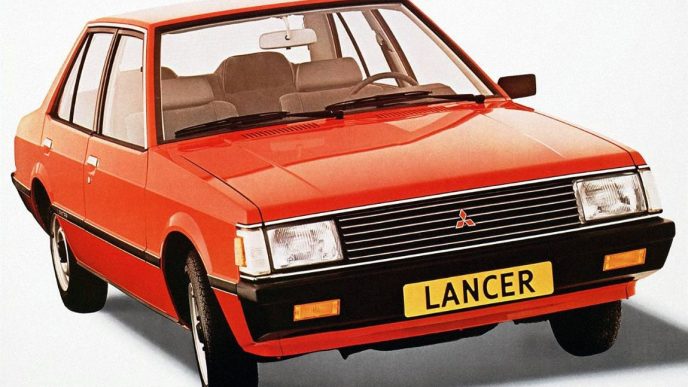
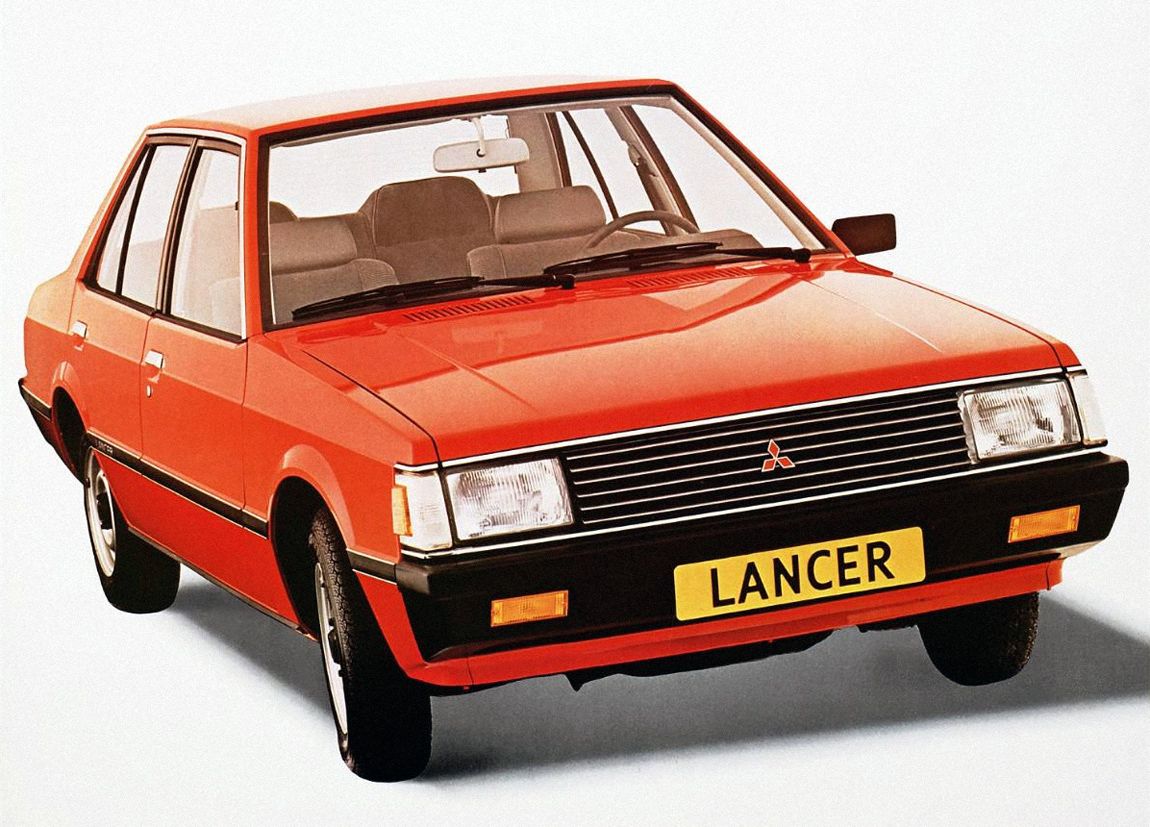
1980s – Mitsubishi Lancer “Box Type”
Many car brands left the Philippines during the chaotic times of Martial Law that led to a great economic downturn. Mitsubishi was one of the few that chose to stay which is why older Filipinos still lean towards them, even today. We are emotional like that.
The Mitsubishi Lancer was THE sedan of that generation. You can see it everywhere – families, offices, schools, churches, and movies. It was also our family’s first car and I remember wondering why there were many like it in our school’s parking lot. The “Box Type” isn’t an official designation but a moniker given by Filipinos, mainly to distinguish it from the later iterations of the car that were called singkit, itlog, and pizza pie.
1990s – Toyota Corolla Big Body
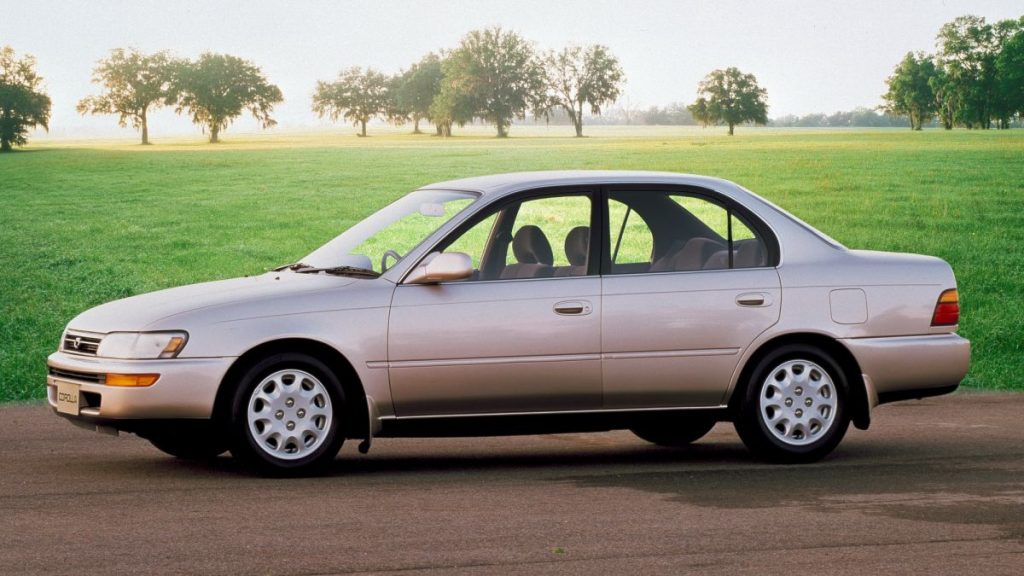
Toyota had a new partner in the Philippines in the late 80s and just a year later, they began selling and producing cars locally. One of them was the Toyota Corolla, dubbed as the “Big Body” after a later iteration introduced a smaller body. This big body started the legend of Toyota in the Philippines with its toughness, reliability, and plethora of parts availability thanks to fleet owners.
It’s these factors that made it a hit to Filipinos. It became a default family car, it was passed down to their teenage kids who were going to college, and was further circulated in the second-hand market. Even today, there are mint-condition Corolla Big Bodies plying on Philippine roads that look even better than my 2016 car.
2000s – Honda Civic
The Honda Civic was already popular with young car fans during the 90s thanks to the EG sedans and gray imports of EG hatchbacks. These proved to be fine tuning platforms for first timers looking to have their first taste of speed. It was then followed by the EK sedans in the mid 90s.
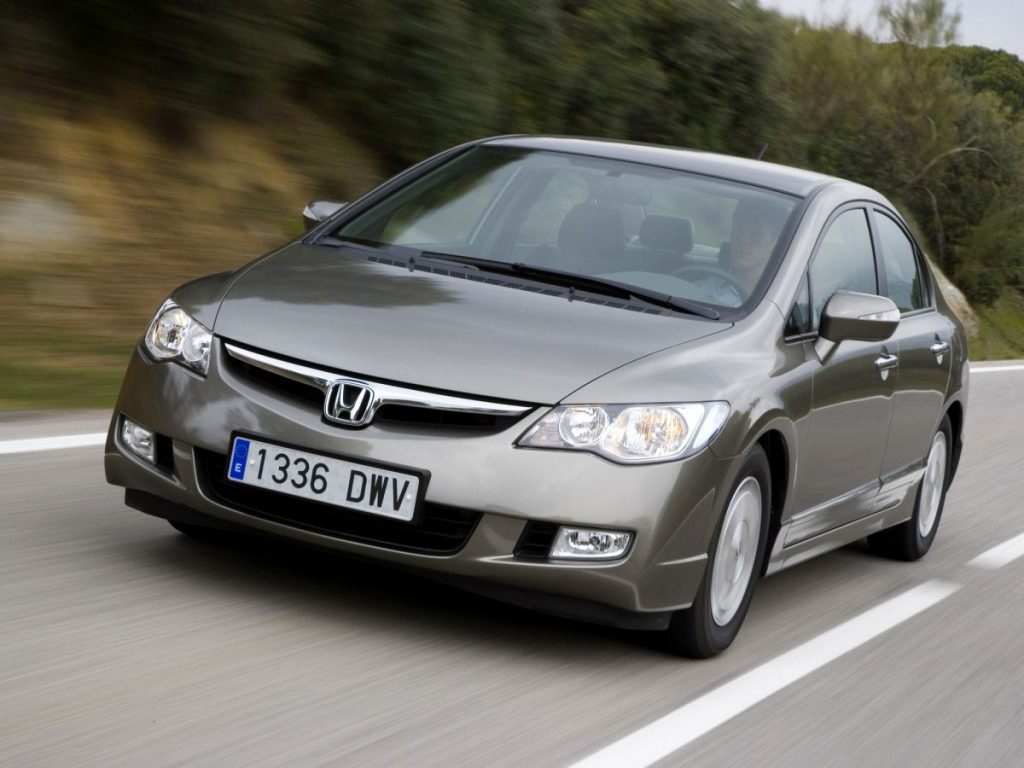
However, the Civic exploded in popularity when the EK SiR was launched in 1999. It was the first factory-tuned car with 160 horsepower and has a signature scream at the top-end of the rev range. It was this version that put the Civic in the history books that the following model, often called the Dimension launched in 2001, couldn’t hold a candle to the SiR’s fame. The next version – the FD that debuted in 2006 – was a return to form for the Civic, further securing this era.
2010s – Toyota Fortuner
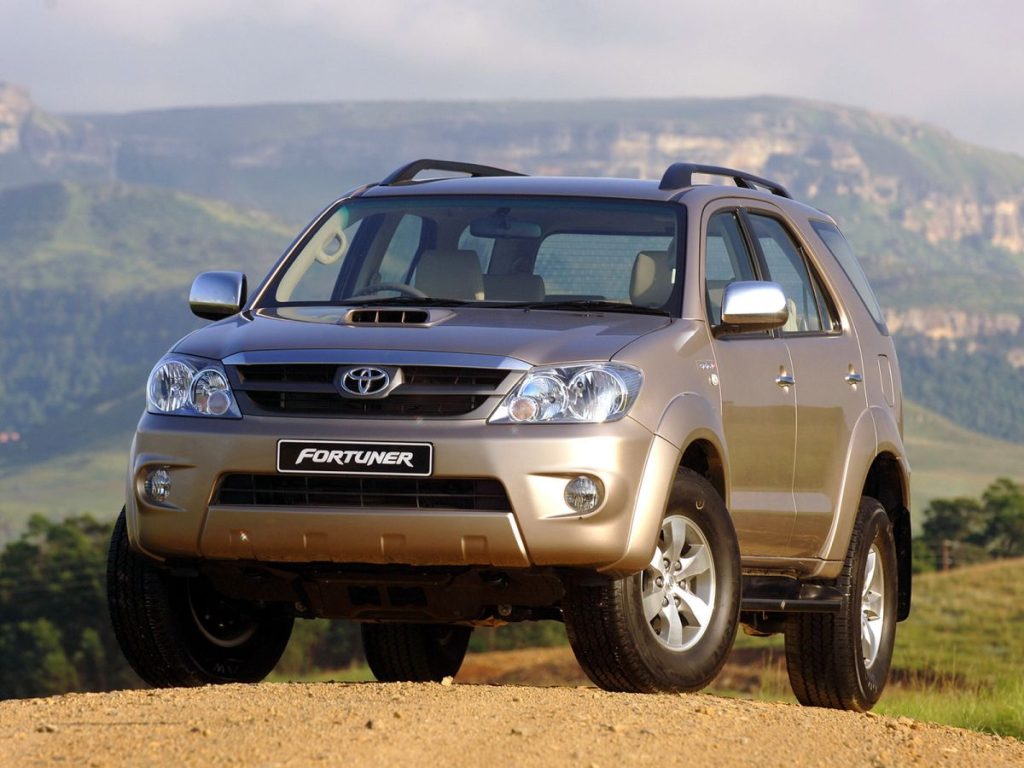
The Toyota Fortuner was originally launched in 2005. However, its popularity and dominance really started in the 2010s when the car matured and became more available in the second-hand market. It was further boosted by the legendary quality and reliability established by the Corolla Big Body, Tamaraw FX, and Revo.
The arrival of the second generation model in 2016 only helped the Fortuner appeal to more Filipinos. It became the face of its segment and was a popular choice for families upgrading their vehicle. As far as I’ve seen, it’s part of the reason why SUVs replaced sedans as family cars, especially those with extended family members.
2020s – Mitsubishi Xpander / BYD Sealion 6
The 2020s was a tricky one. It started with a global pandemic, followed by influx of new brands and electrified cars, then in the middle of the decade we were hit with a new oil crisis that we still feel today. It’s because of these factors that I’ll mention 2 cars that have defined this era so far.
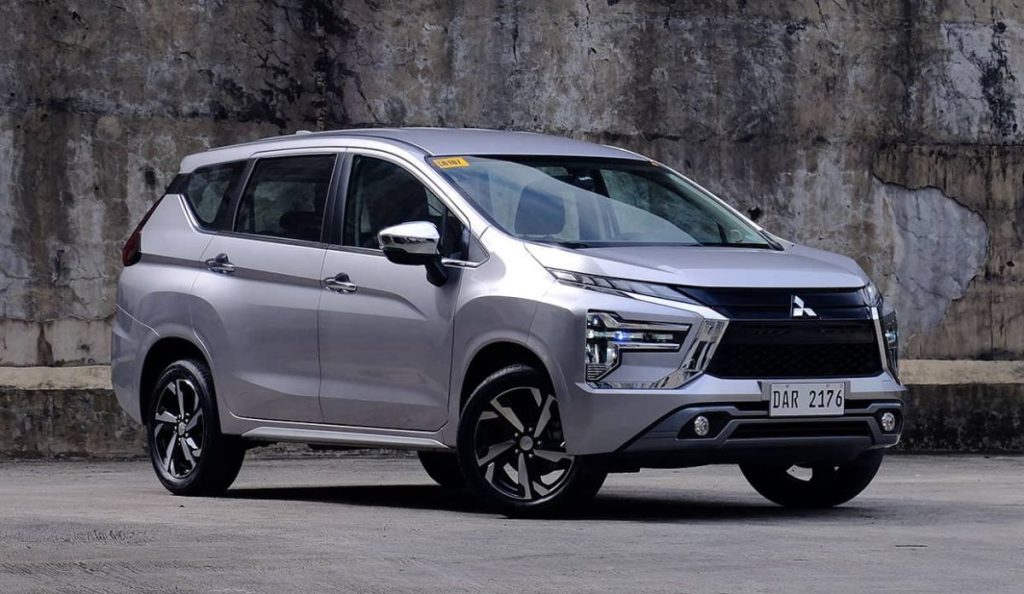
First is the Mitsubishi Xpander. The replacement for the beloved Mitsubishi Adventure was an immediate hit. After its launch in 2018, it reached the 5th place in the best-selling cars list. Mitsubishi was also relentless in updating the model locally, even introducing a more premium trim that helped it dominate the MPV segment. Just last year, the Mitsubishi Xpander was hailed as the best-selling car of 2025 here in the Philippines. It really owned the first half of the decade.
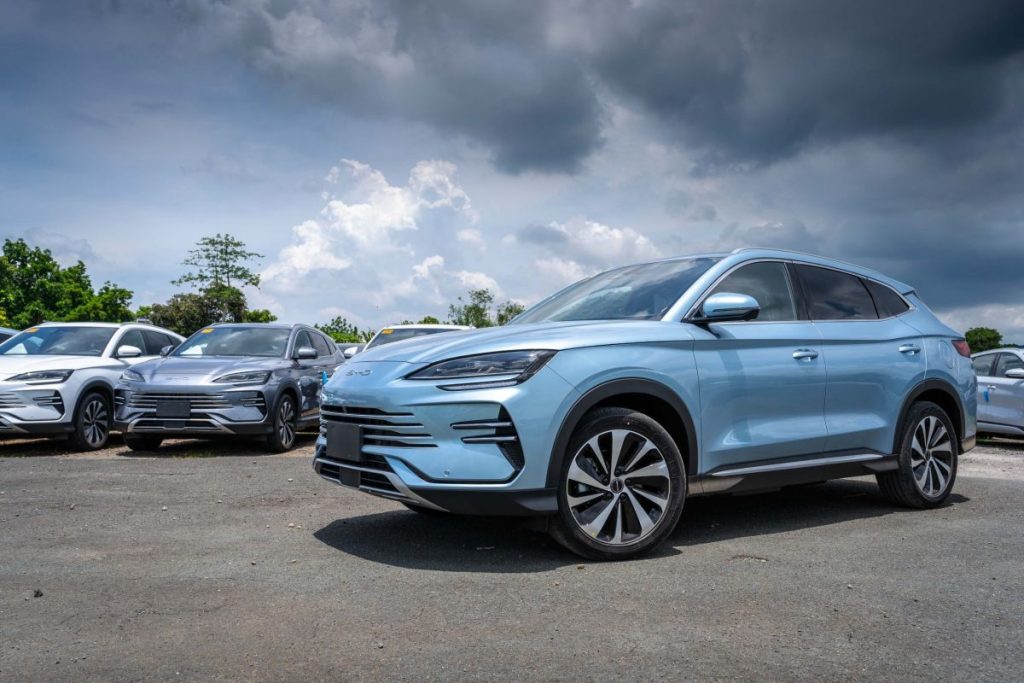
As for the second half, it looks like it will go to an upstart brand. BYD launched the Sealion 6 DM-i (plug-in hybrid) in 2024. It had a slow start but thanks to ACMobility’s efforts to educate the public, Filipinos started warming up to this hybrid crossover. So much so that it’s becoming the face of electrified mobility even as new electrified cars are launched every month.
Its biggest flex though is how it affected the brand. BYD ended 2025 as the third best-selling brand in the country, the highest a Chinese brand has gotten so far.
Cars have changed a lot in those 40 years but just the changes after the pandemic have been monumental. There are now more efforts to have public charging stations, and the oil crisis brought by the Iran war undoubtedly hastened the transition to a new generation of vehicles. The only question now is, will these new breed of cars, their brands, and their dealerships be able to back-up their technology? Or will we go back to seeing value in the relative simplicity of internal combustion engines?