





Unlike my other colleagues who have been around for almost a good part of the automotive industry’s history (sorry), I’ve only started getting involved in it fairly recently. However, anyone can get a love for cars as early as when memories can start forming.
So, here is how the last 40 years of cars can be viewed by someone who was born before the turn of the new millennium. Most of the knowledge that has been imparted to me comes from multiple other sources and experiences that I’ve been fortunate enough to have been through.
1980s
While most see the 80s as the era where automakers were embracing retro-futurism, in reality, this is where big changes started happening. The introduction of many basic safety systems that we take for granted nowadays, like ABS and traction control, fuel injection systems, and such, has led to better performance, fuel economy, and convenience features.
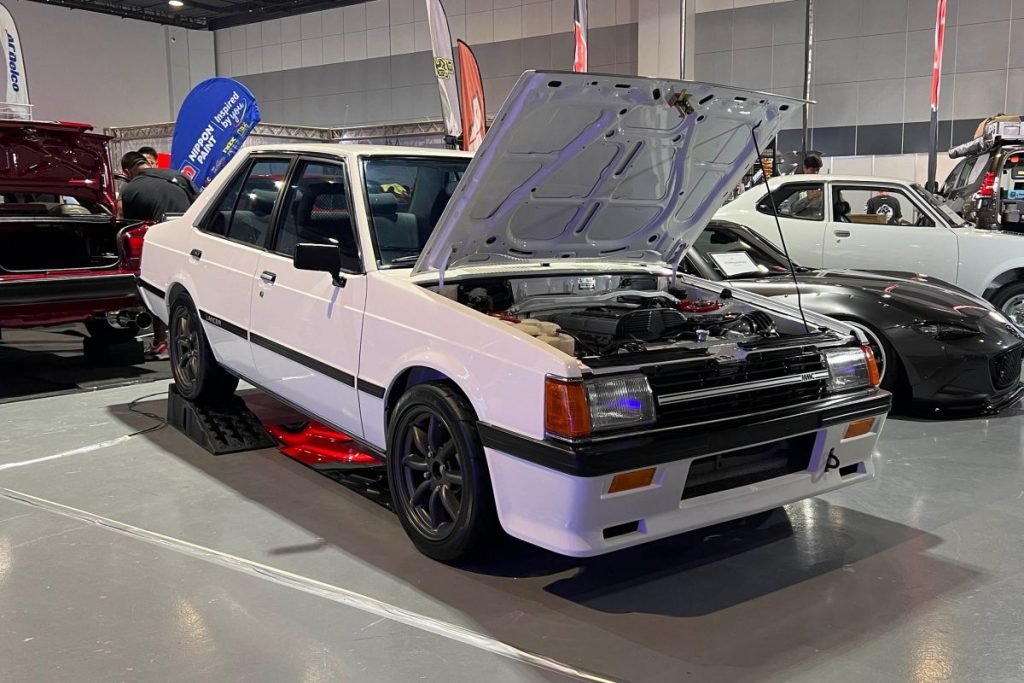
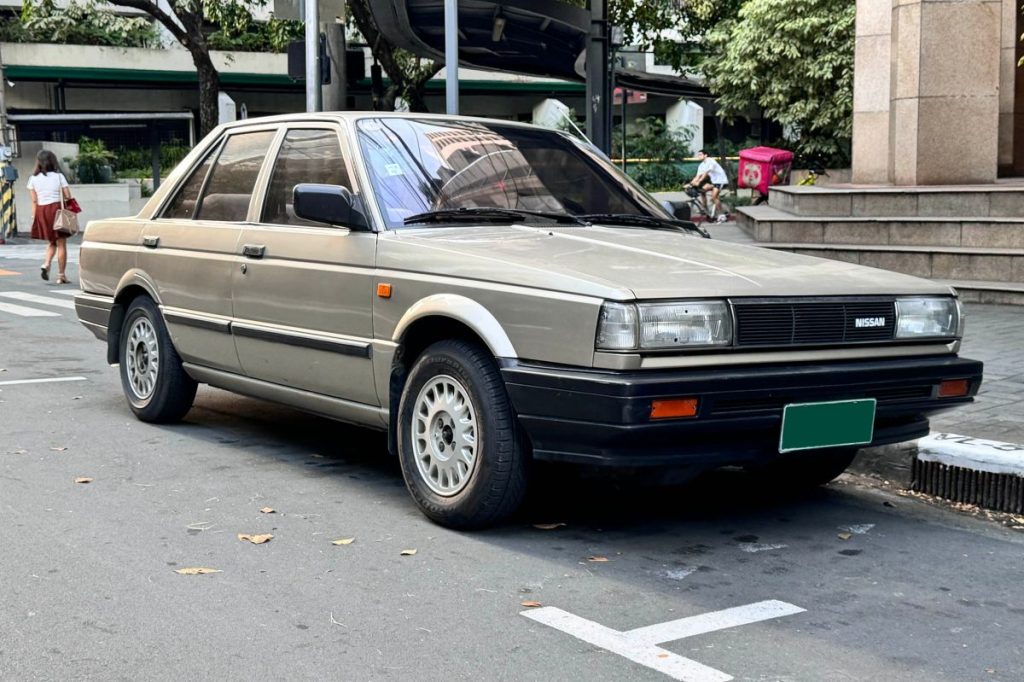
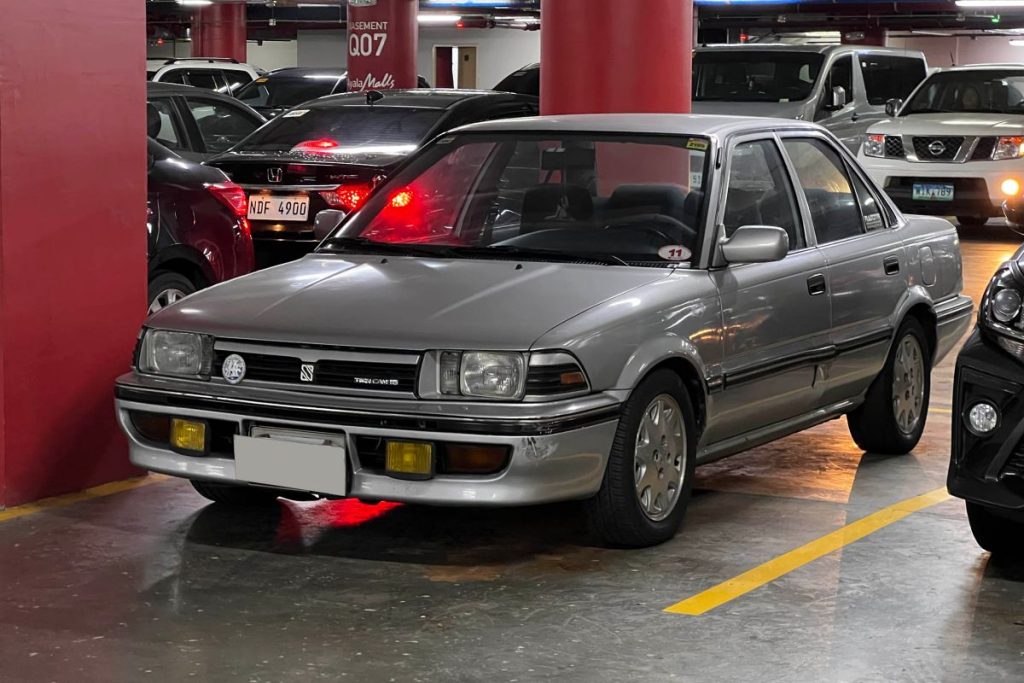
This was also a time when most of the cars roaming the streets of Manila were the likes of the boxy Toyota Corollas, Mitsubishi Lancers, Nissan Sentras, and such, alongside the iconic Toyota Tamaraw (the original) one. These cars, being produced locally, were one of the main reasons that they were very popular with consumers.
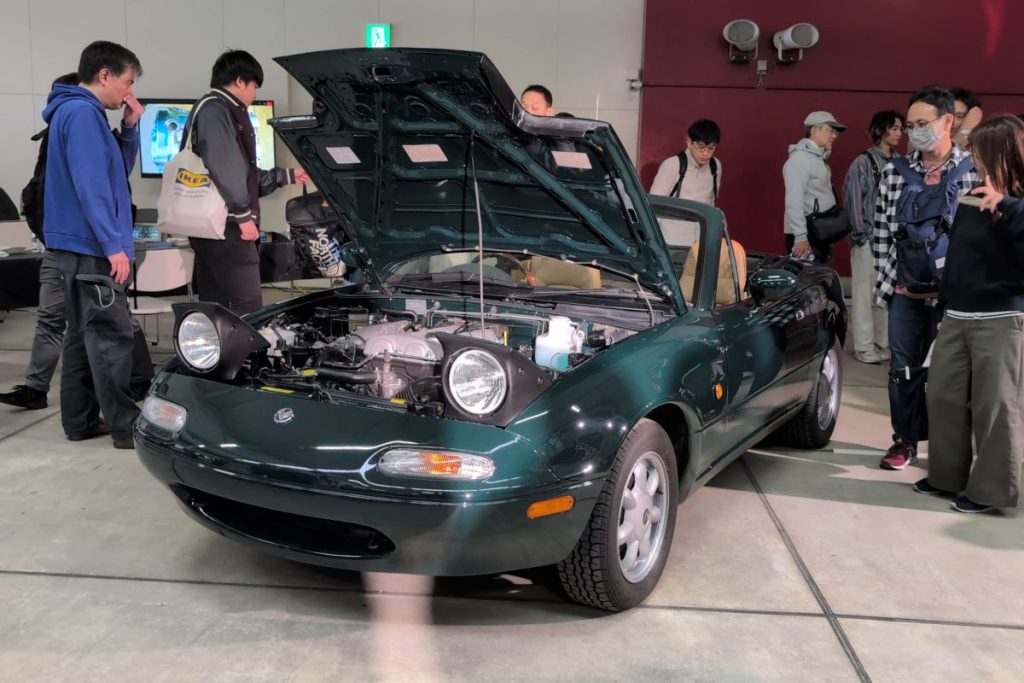
Several iconic nameplates started becoming, well, iconic or were introduced at this time, like the Mazda MX-5, Toyota MR-2, the Mercedes-Benz 190E, the Nissan Skyline GT-R (R32), and the Mitsubishi Pajero, but it can be argued that these bled into the early 90s.
Most of my knowledge of this era comes from research with media, and more importantly, the stories imparted to me by my older colleagues, elders, friends, and parents.
1990s
The generation that’s closest to my heart, full of cars that I’ve come to know and love thanks to the likes of video games like Gran Turismo, which felt more like a playable automotive encyclopedia versus an actual racing game.
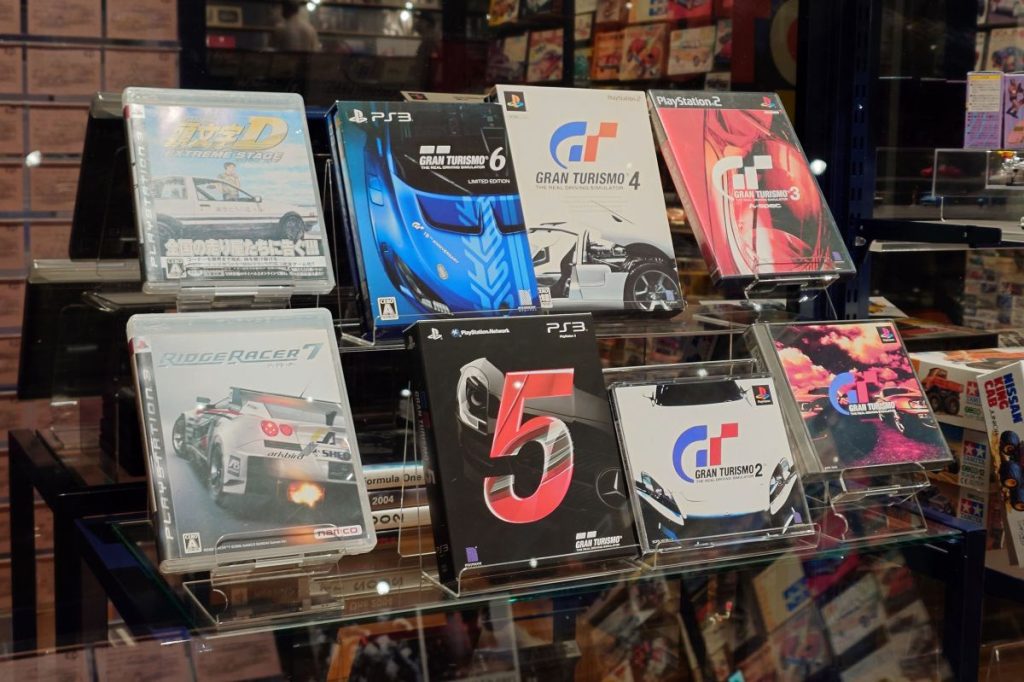
In an age where cars from pedestrian to exotic were all generally interesting, hard edges were ditched in favor of softer curves, many innovations came, and impractical yet cool cars existed that made people infatuated with those brands. Of course, one could argue that a lot of people see this generation through rose-tinted glasses, but there’s a reason that it’s very iconic to begin with.
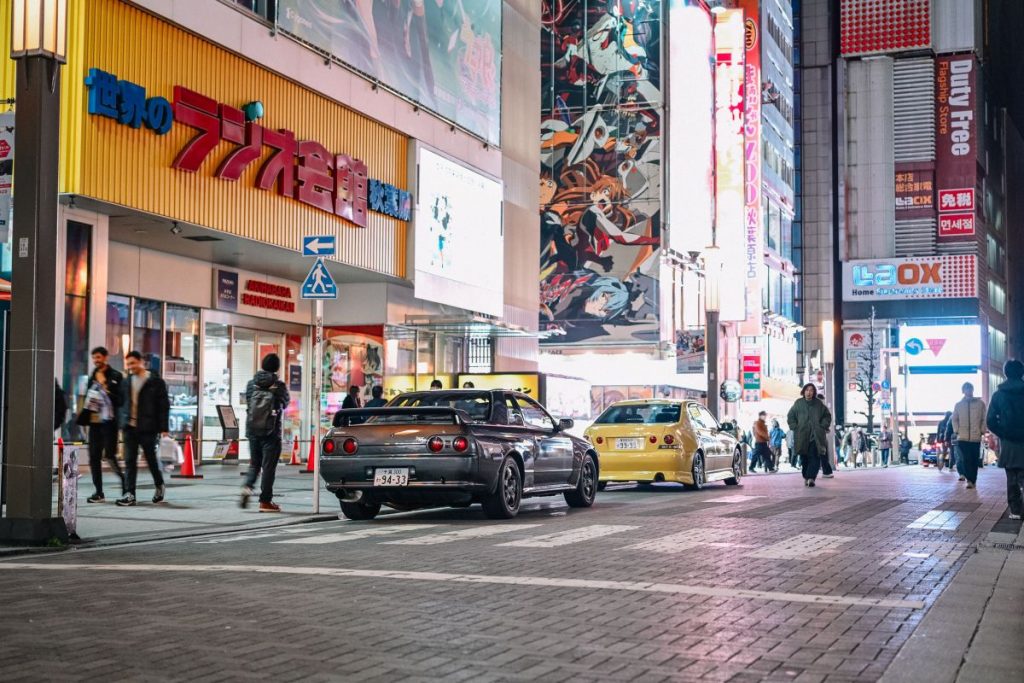
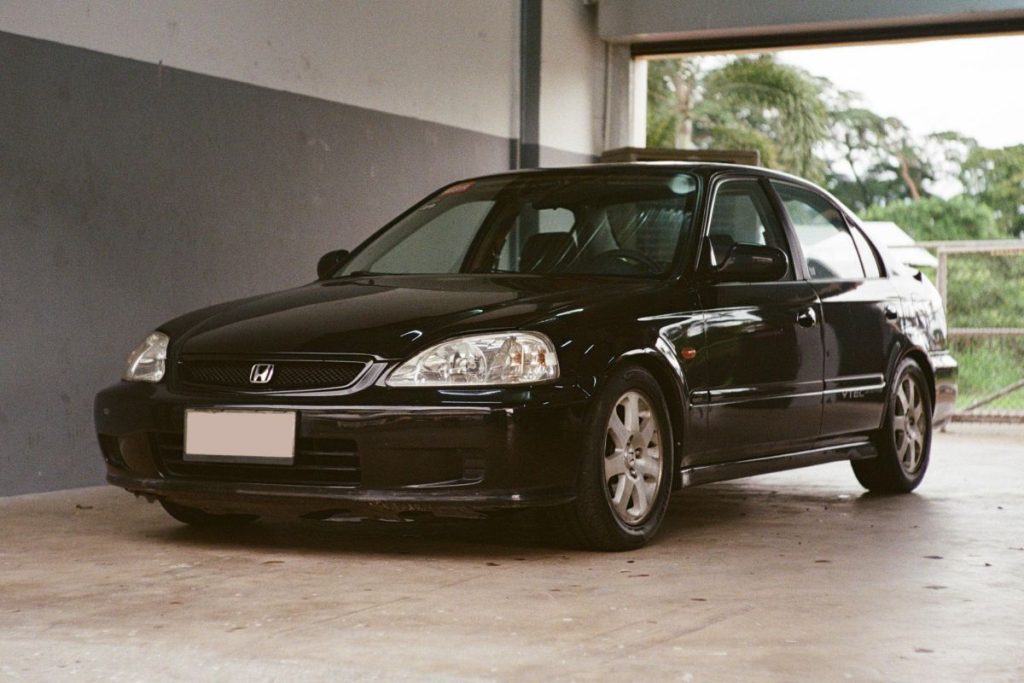
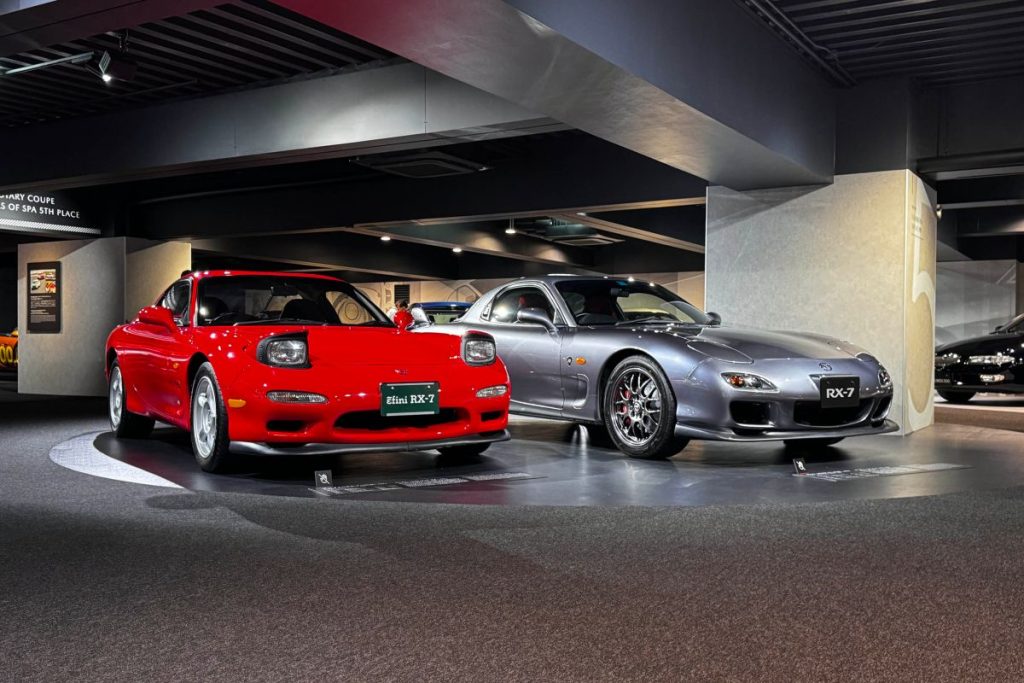
The countless number of cars coming out, ranging from affordable enthusiast cars like the legendary Honda Civic SiR, sporty affordable coupes coming out in troves like the Nissan Silvia, Honda Prelude, Mitsubishi FTO, Toyota Celica, legendary sports cars like the Nissan Skyline GT-R (R33), Toyota Supra (A80), and dozens of others that Gen Z enthusiasts grew up and formed an emotional connection with thanks to video games.
2000s
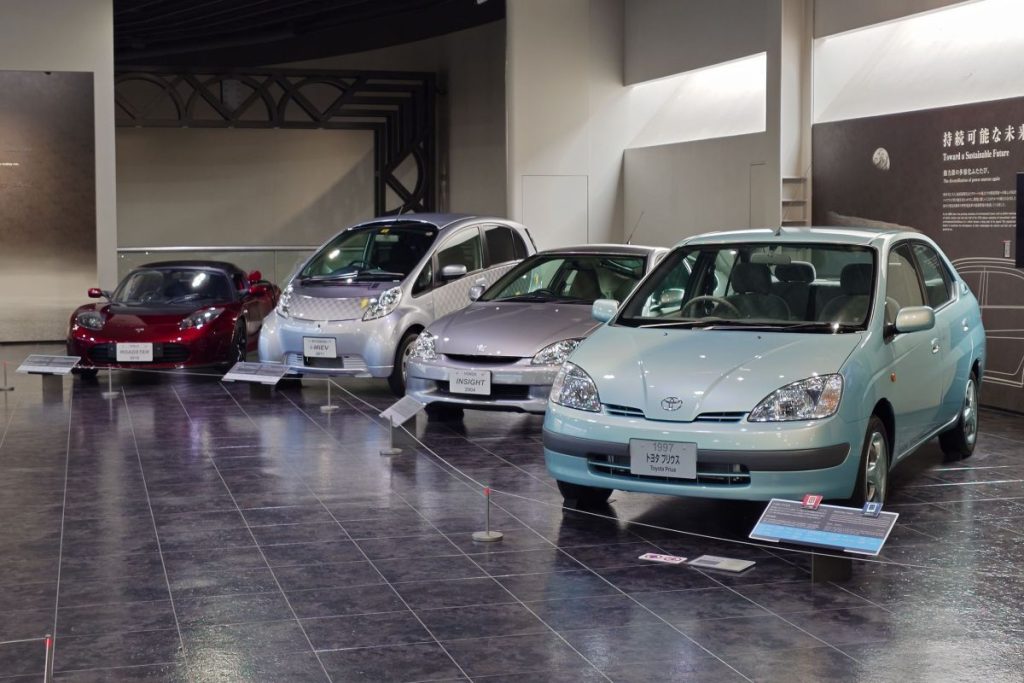
The turn of the new millennium had an air of “anything could happen”, where concept cars really felt like they were turning into the future with lots of new technologies being paraded around, and cars turned more into the blob-like commuter vehicles we Gen Z mostly associate with our childhoods.
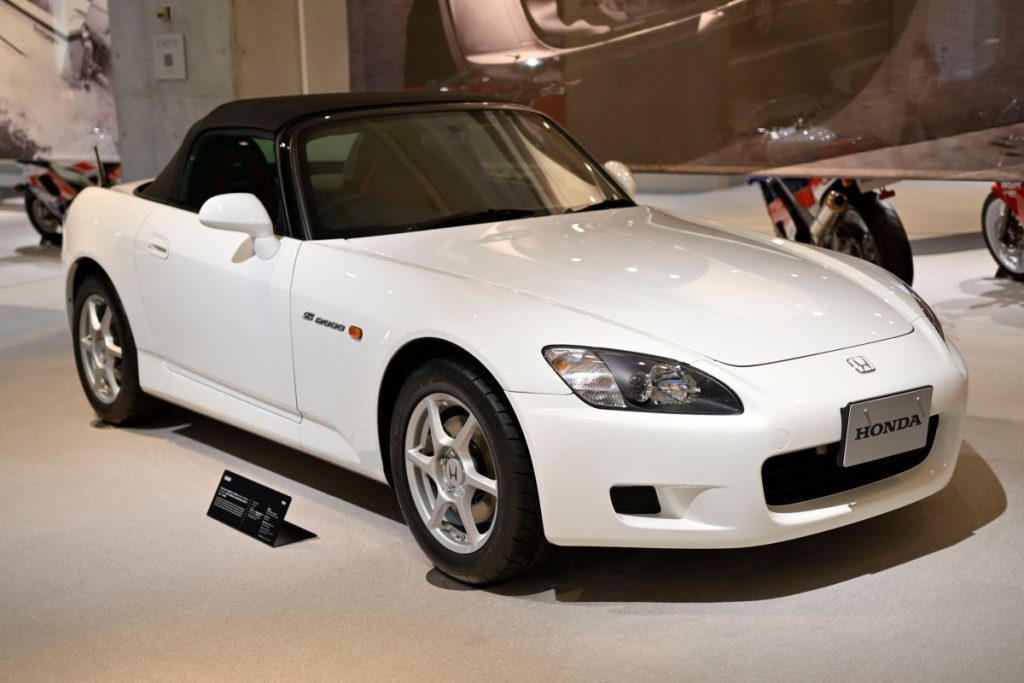
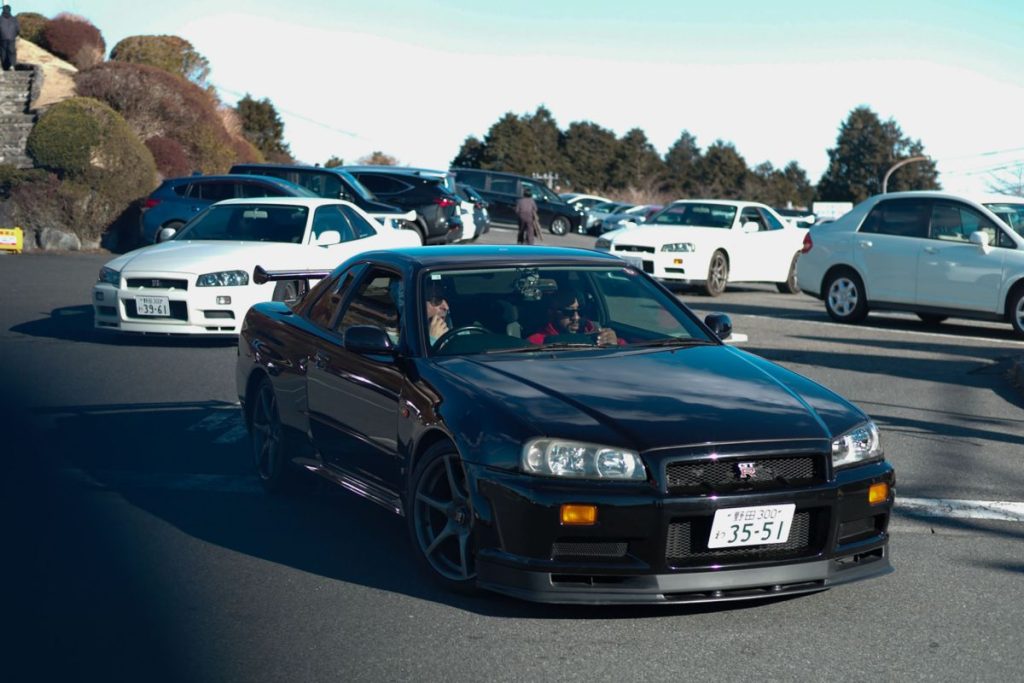
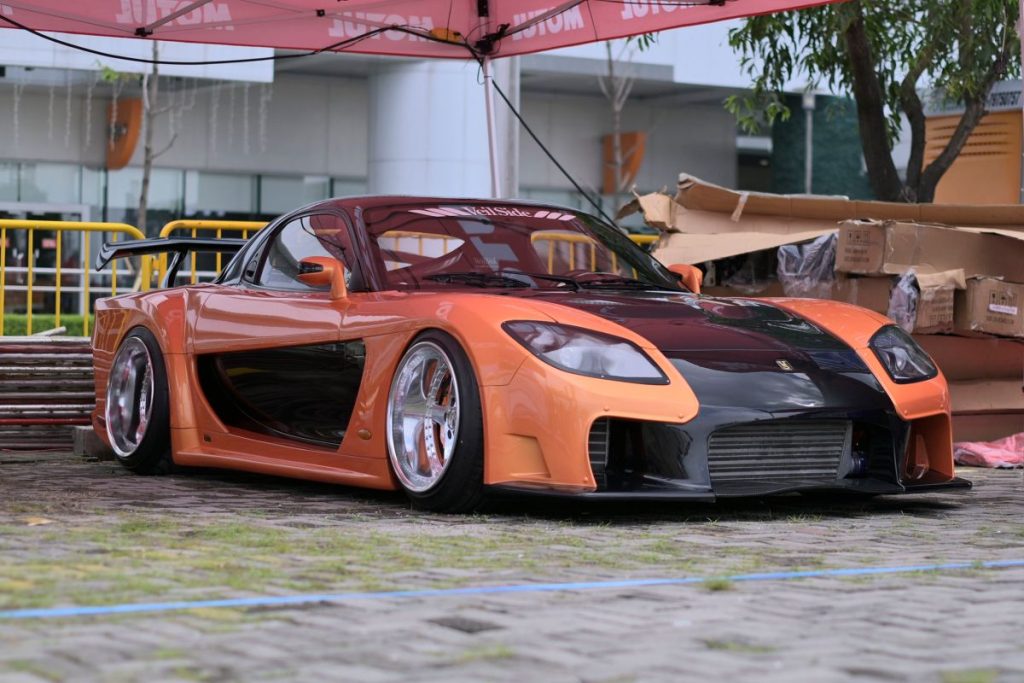
Cars such as the Nissan Skyline GT-R (R34), Honda S2000, the Mazda RX-7, multiple Mitsubishi Lancer Evolutions, and Subaru Impreza WRX STIs made a mark on enthusiasts of my age, while certified classics like the Toyota Camry, Toyota Land Cruiser 200, Honda Civic FD, Mitsubishi Lancers, and others appeared during this era.
Of course, we were exposed to the likes of the different media forms and publications.
Television was the main source of information and entertainment, where coming home from school would be greeted by the likes of BBC’s TopGear UK, the Japanese Best Motoring show, and most famously, the local Motoring Today that featured the late and legendary Butch Gamboa and Pocholo Ramirez.
Tuner culture and wild modifications came and blossomed during this time, where we’d see colorful cars with neon underglow, massive wings, outrageous wheels with spinners, just to name a few. All things made popular by the likes of Need For Speed, The Fast & The Furious, and aftermarket shows.
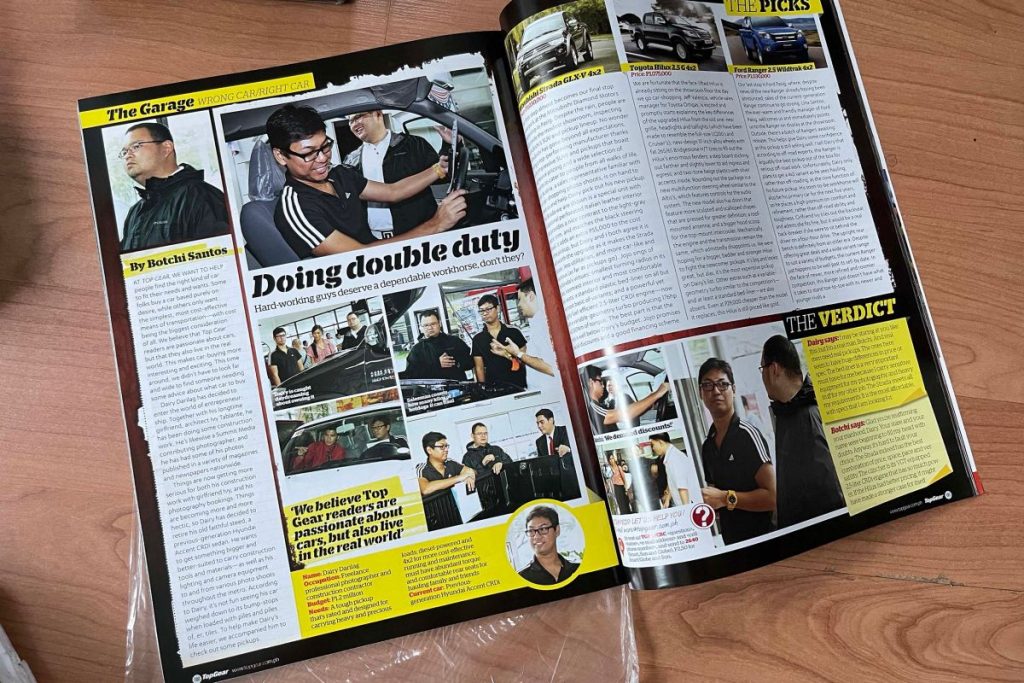
This was, of course, aided by the local magazines like TopGear Philippines, C! Magazine, and more. Seeing the photography, reading the stories, and learning about the specs all added an air of wonder to these vehicles, even if this turned out to be an era where innovations slowly stagnated.
2010s
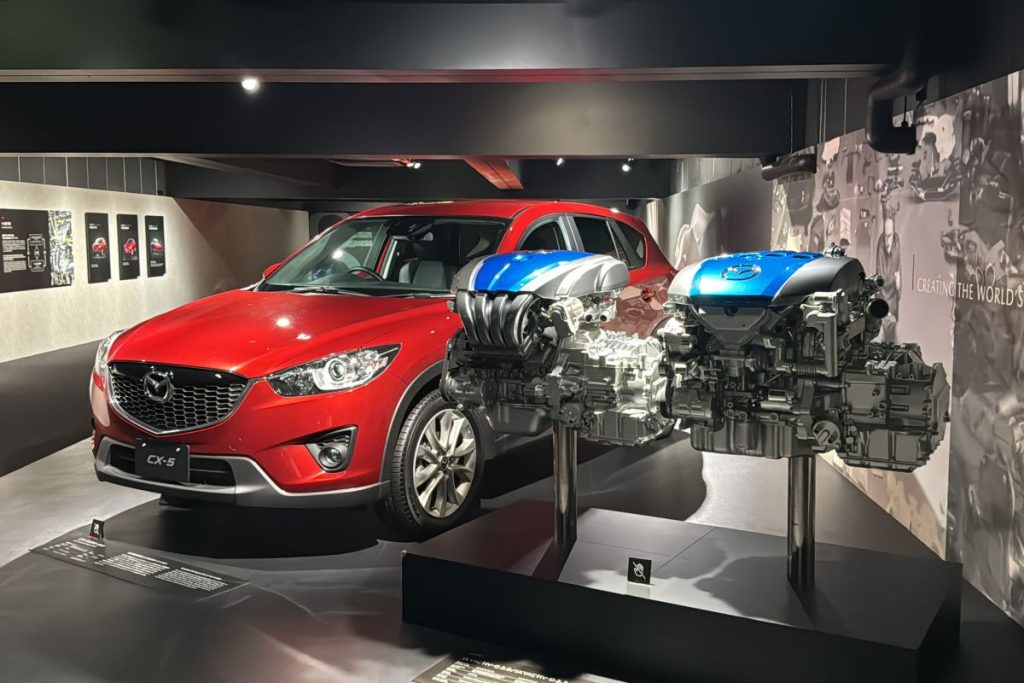
This is where the advancements started ramping up once again, especially after the financial crisis forced a lot of brands to rethink their strategies. Hybrid electric vehicles started popping up, and so did crossovers as well – two things that are pretty much a mainstay now.
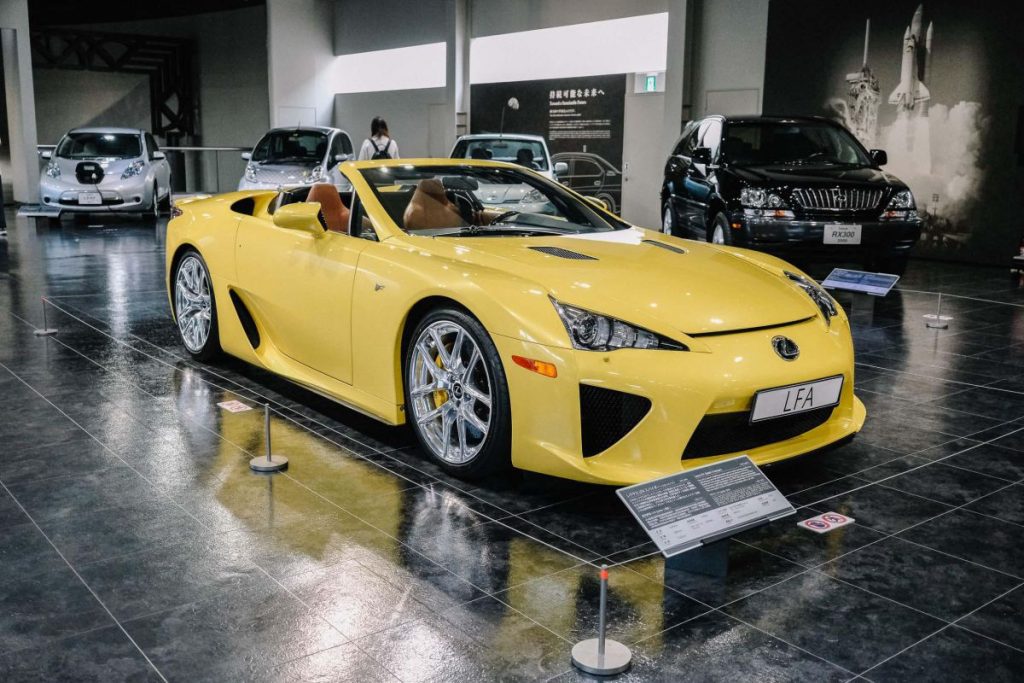
This decade was a mixed bag for enthusiasts, with many models being phased out, but we got a handful of iconic super and sports cars like the Nissan GT-R, Honda Civic Type R (FK8), Mercedes-Benz SLS AMG, Lexus LFA, and Audi R8, to name a few.
It felt like the era where the Japanese were reinforcing their identity of making reliable cars, while the Germans and Americans were engaged in either a luxury battle or a displacement war, where we saw crazy V8 or V10-powered super saloons slug it out.
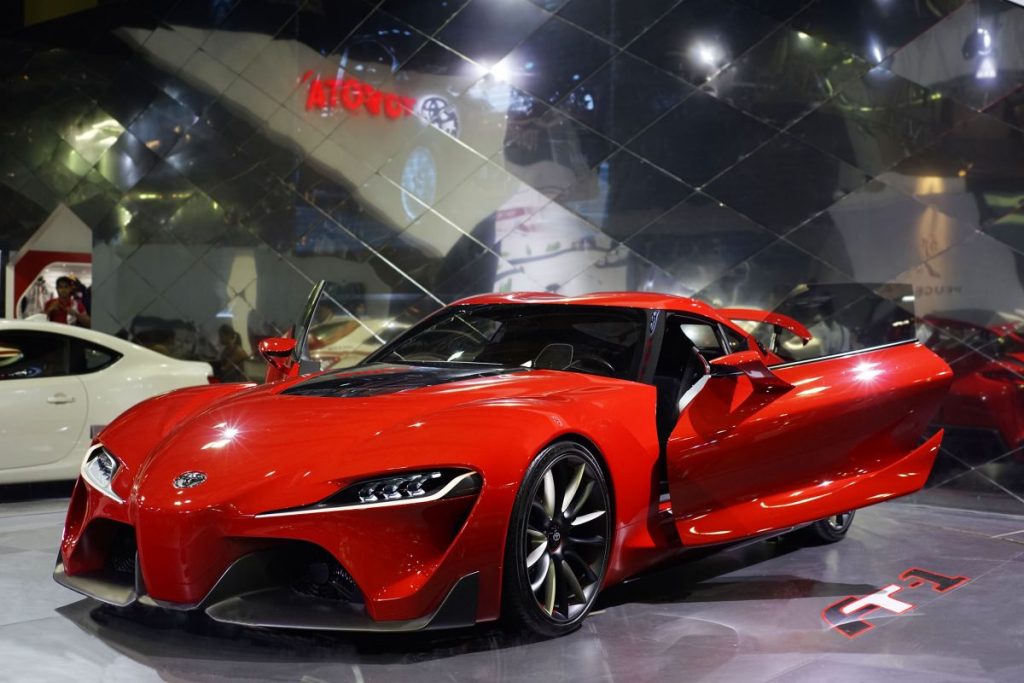
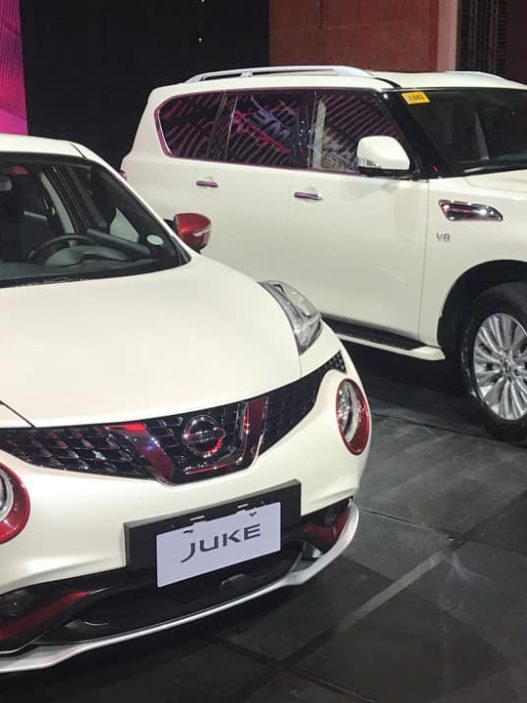
The Internet was more popular, and the media started shifting to online forms with the rise of YouTube. Of course, physical media was still there, also being enhanced by the power of digitalization, but nothing beats going to a physical motor show. The 2010s felt like the peak for these events, with local shows and events bringing in heavy hitters or even international concept cars.
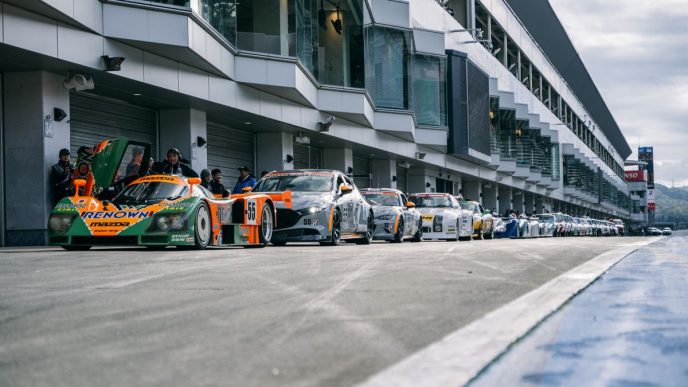
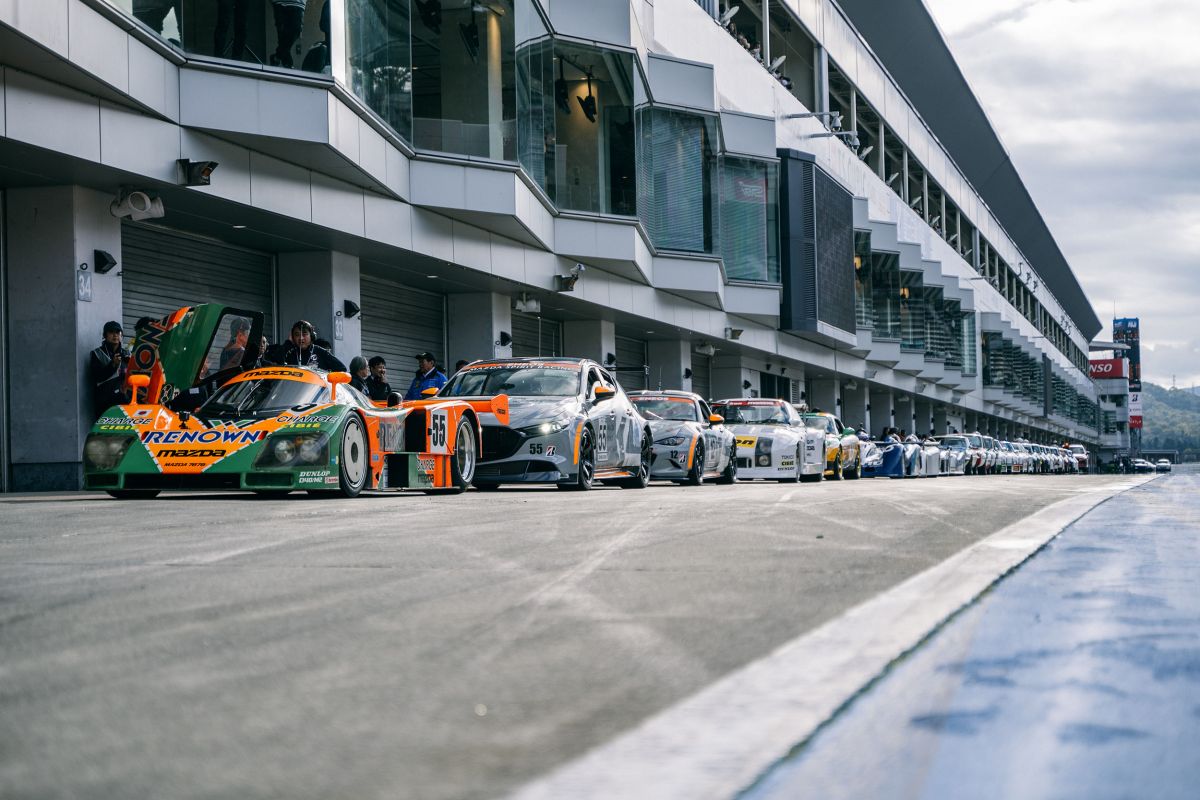
Motorsports was also becoming more accessible at this time, with Formula 1 becoming more popular towards the end of the decade, and while growing up, this really felt like a great time to be a young enthusiast getting to know the world of cars that would soon be an integral part of my generation’s daily lives.
2020s
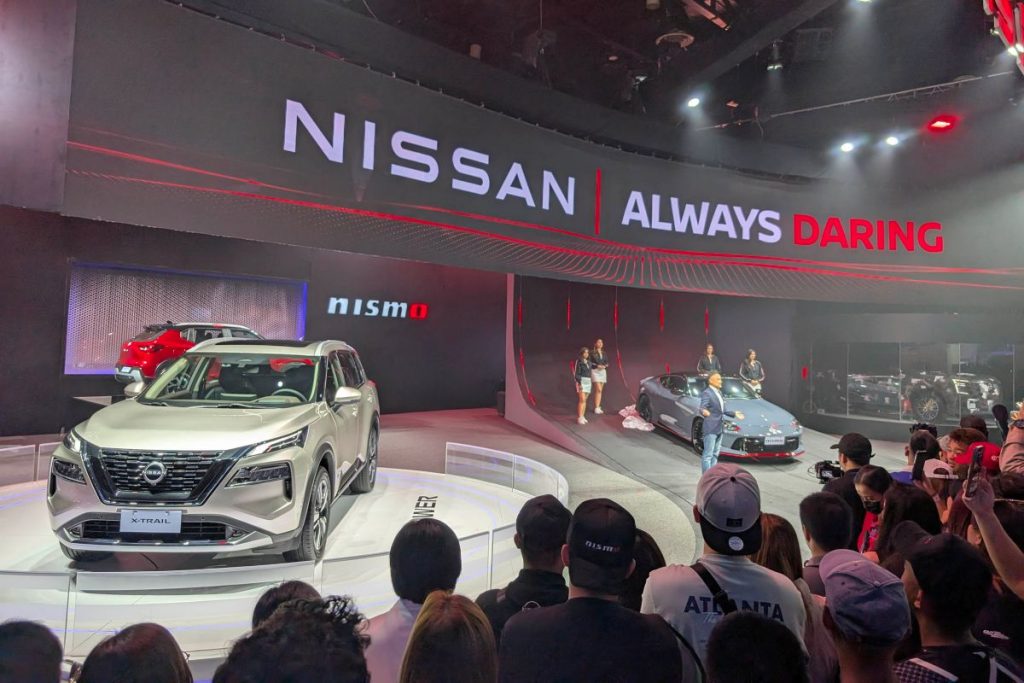
Thanks to the pandemic, life wasn’t truly normal for a few years. Everything ground to a halt, people couldn’t go anywhere, and for most of my friends that I know, we were essentially stuck in limbo. I was fortunate enough to be able to land a job in the automotive industry, and one thing I can say is that the past five years have been incredibly hectic and crazy for cars.
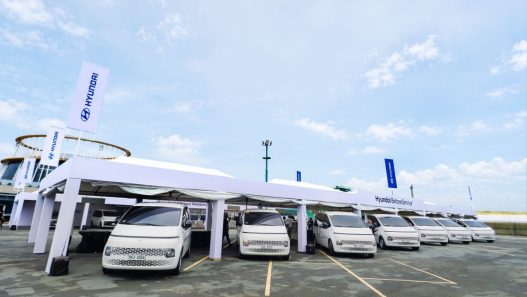
Seeing how everything essentially became digital changed a lot of things. Marketing shifted towards social media, a lot of physical media ended up sadly succumbing to the digital onslaught, and there was a brief period in time when car launches were being held in Zoom meetings.
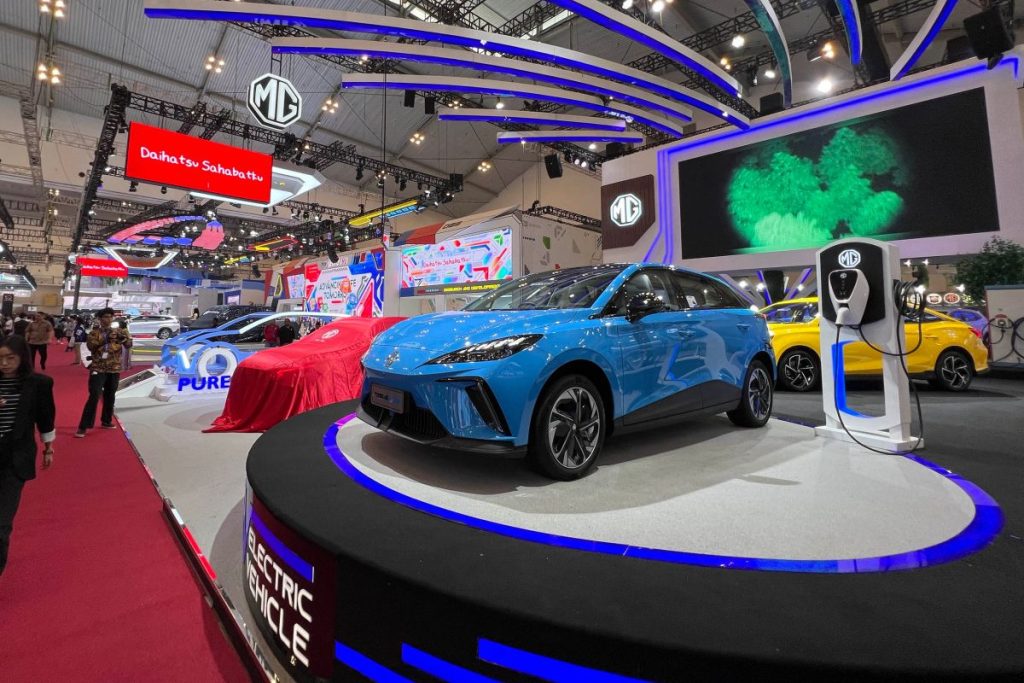
Suddenly, Chinese automakers exploded onto the scene. And it wasn’t just locally, but internationally as well, too. Aggressive pricing, new tech like advanced driver assistance systems, and the rapid electrification of everything, aided by the ongoing oil crisis and global climate concerns, made it look like a lot of legacy automakers were caught with their pants down.
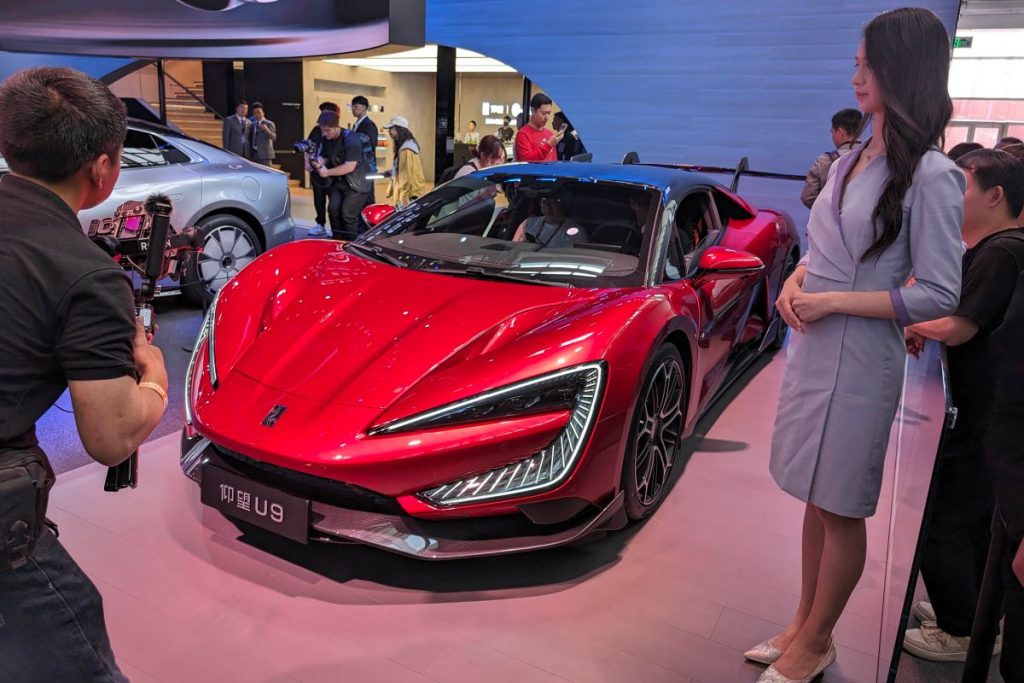
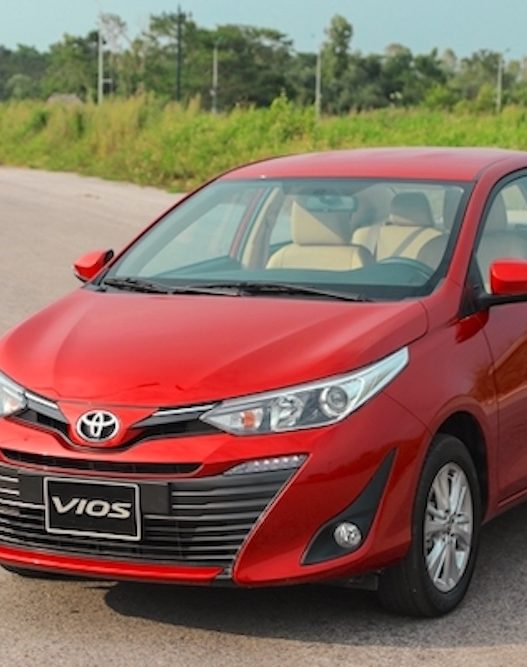
BYD is one brand that skyrocketed to where it is now because of that perfect storm, with multiple others from the Middle Kingdom effectively shaking up the industry. Even players like VinFast and Tesla are out for blood, taking the opportunity to fill in the gaps left behind. Of course, established players like Toyota are doing all they can, sometimes, even differently.
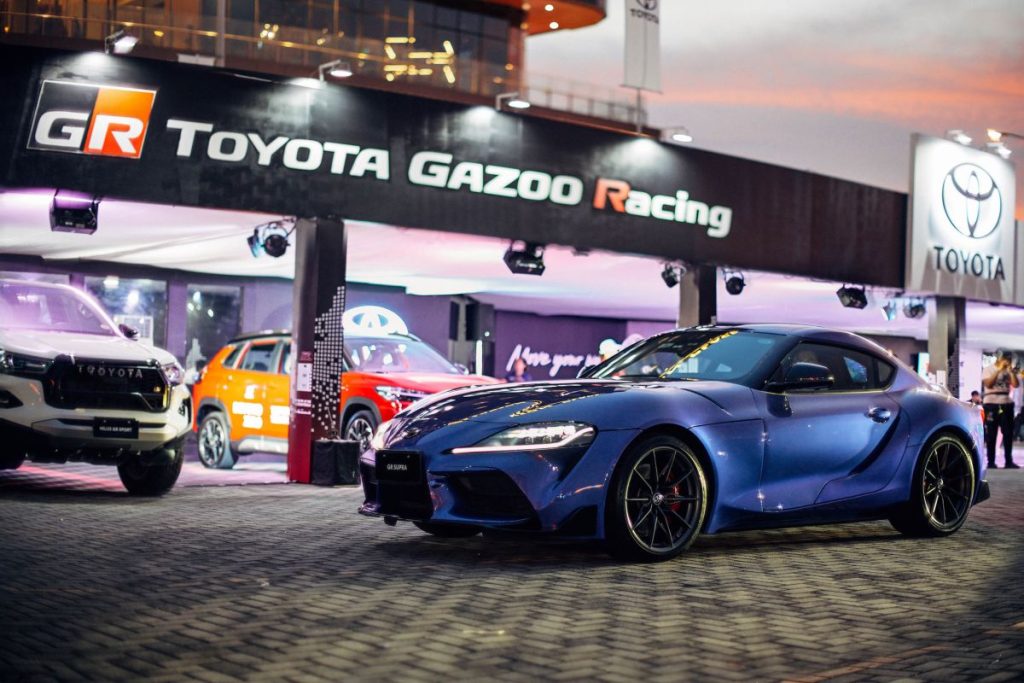
However, this decade is also shaping up to be a bit of a renaissance for enthusiasts, as a whole lot of driver-focused cars like the entire Toyota GR stable, the Nissan Z, Honda Civic Type R (FL5), and Prelude are coming back, and SUV nameplates that haven’t been updated in a while are getting updates, most notably the upcoming Mitsubishi Pajero.
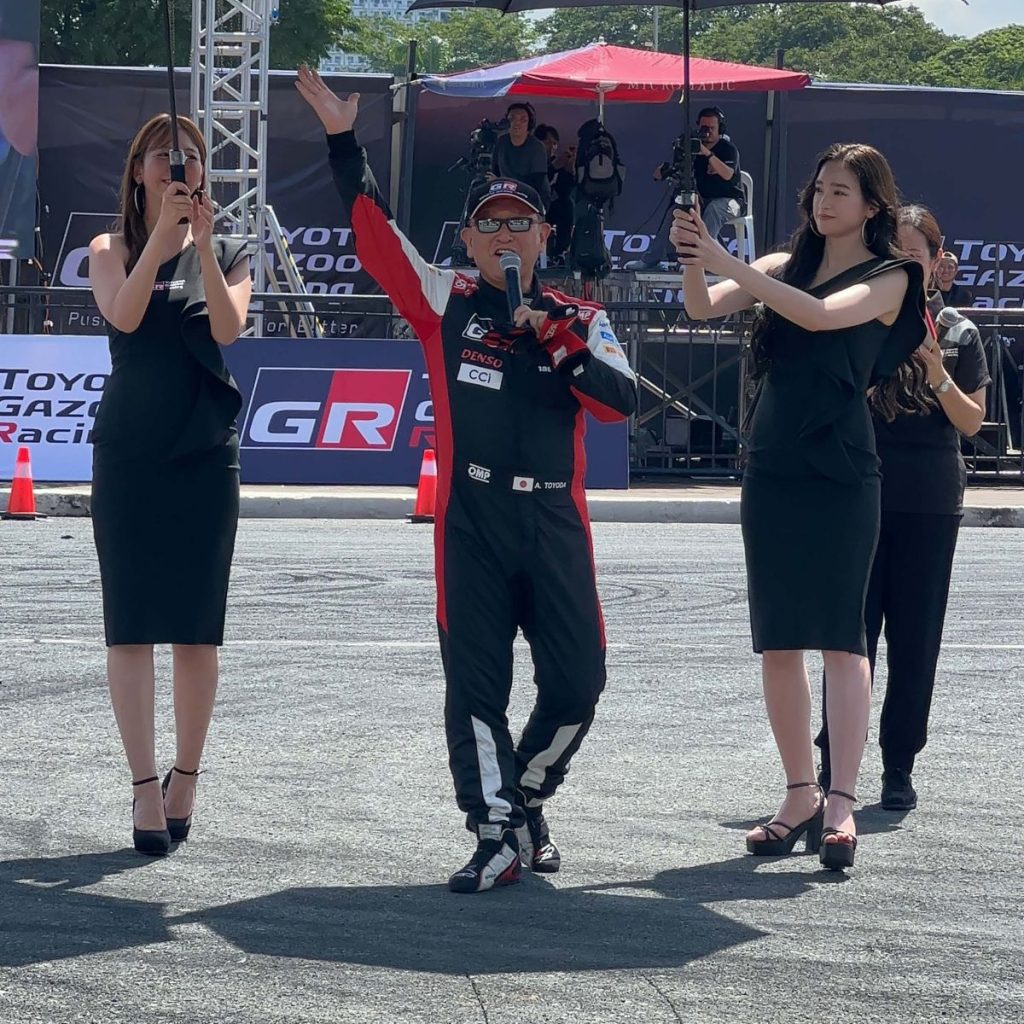
Of course, now understanding the inner workings of the automotive industry makes me realize so many things, but one of the nicest things that I learned there are always people within car companies trying to inject the emotional value within cars, such as Akio Toyoda and Hiroshi Tamura, while maintaining that precarious balance for making profits, and also trying to make the world a better place by reducing carbon emissions.
As with everything, there is still so much to learn, and it is genuinely interesting to see how the industry has shaped itself in the past four decades. It will be exciting to see what the future holds.