




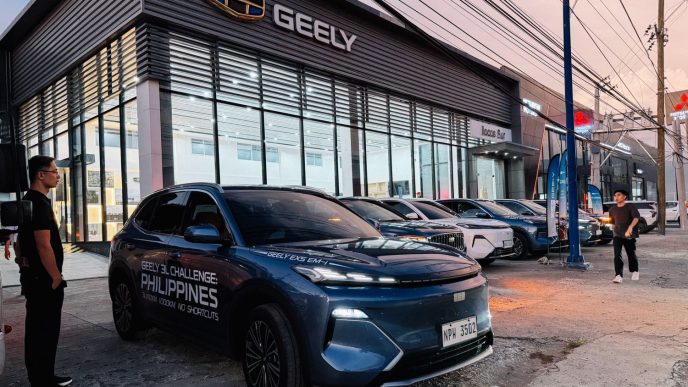
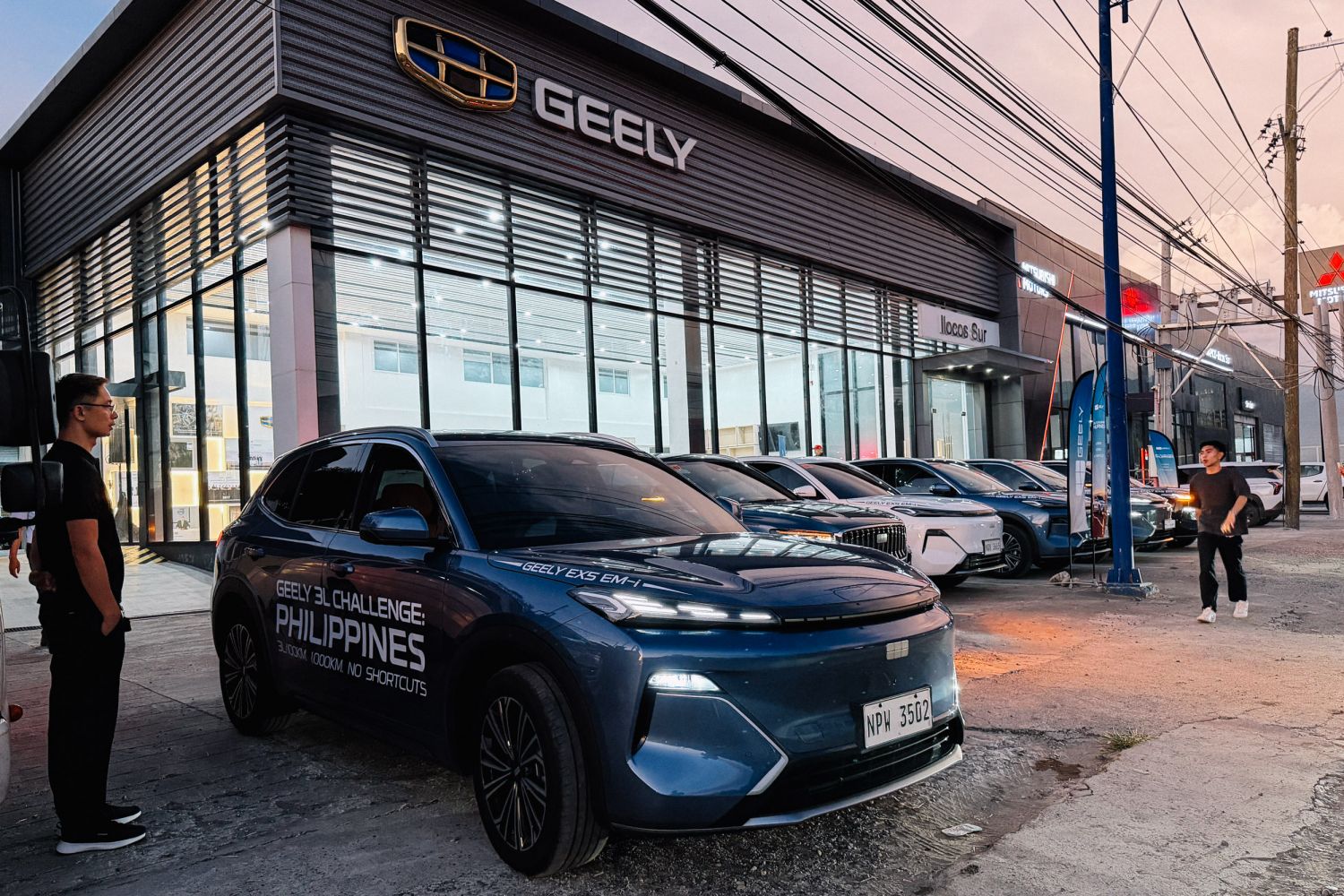
The plug-in hybrid segment of cars is becoming one of the most popular in the Philippines thanks to rising gasoline costs and how people aren’t fully ready to make the switch to pure electric cars. Hence, models like the Geely EX5 EM-i are becoming sales hits, even helping propel Geely Motor Philippines to a sales record of 1,023 units sold in September.
It also so happens to have a combined range figure of around 1,000km, so Geely Motor Philippines set off on the “3L challenge”, where the goal was to reach an average fuel economy figure of 3L/100km (or 33.33km/L) in the Philippines.
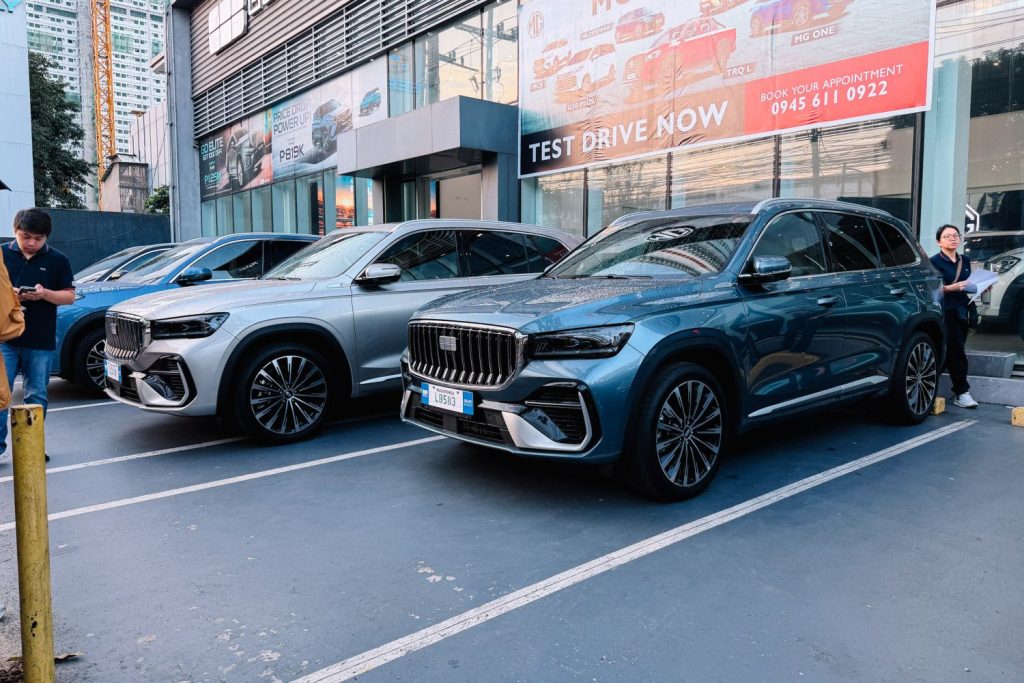
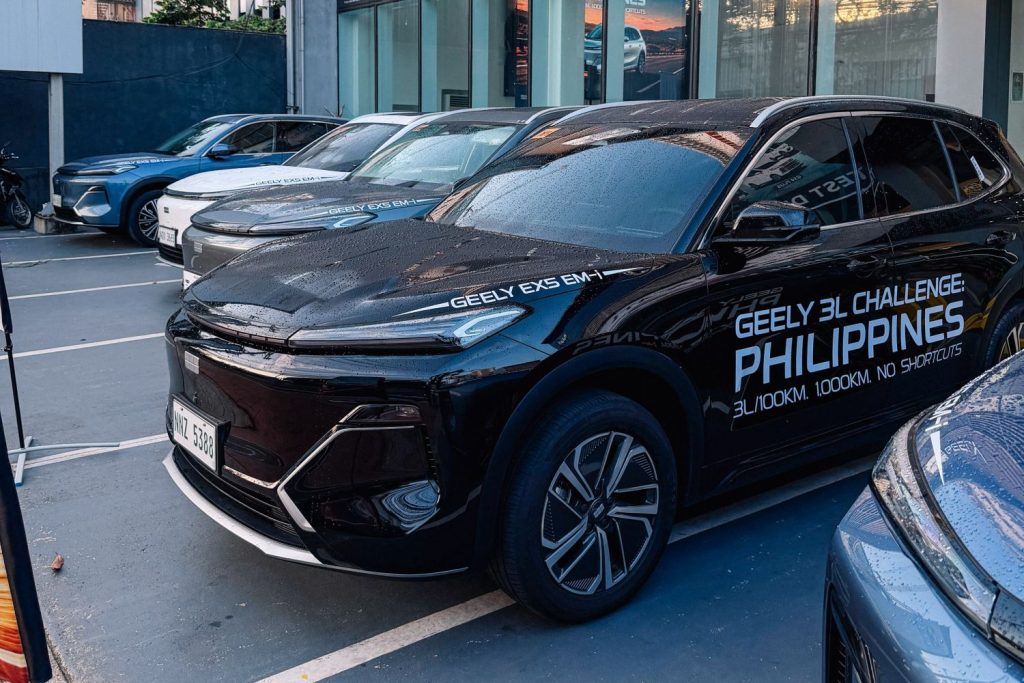
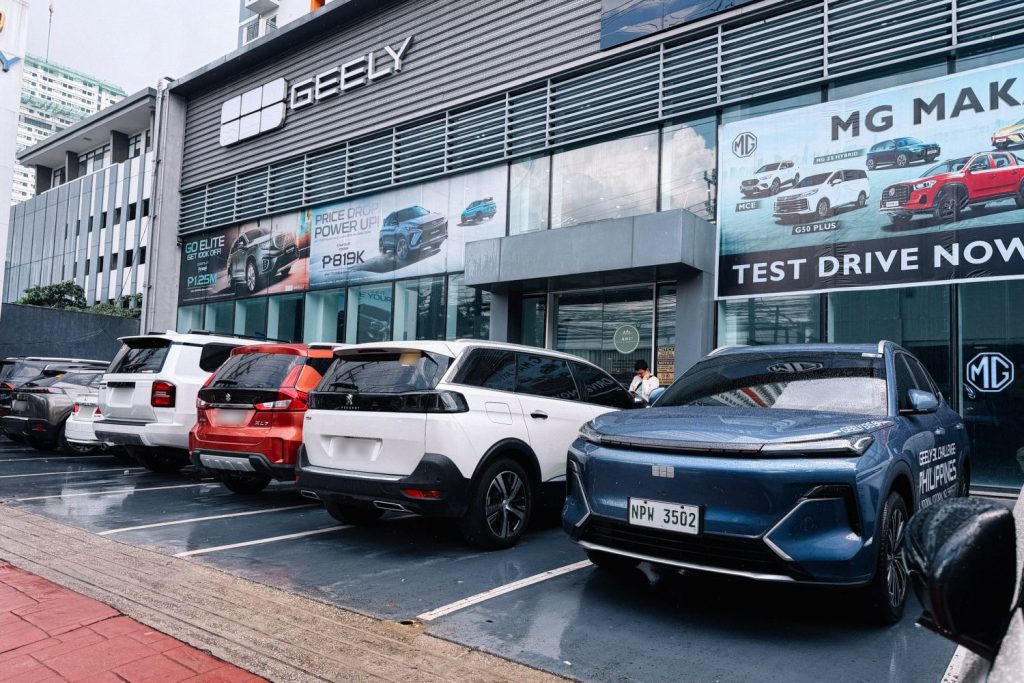
So alongside members of the media and representatives from the Automobile Association of the Philippines (AAP), the challenge was to reach, or at least attempt (for the rest of us), that figure in several Geely EX5 EM-is, alongside an unreleased Geely Monjaro EM-i serving as the lead car for the convoy.
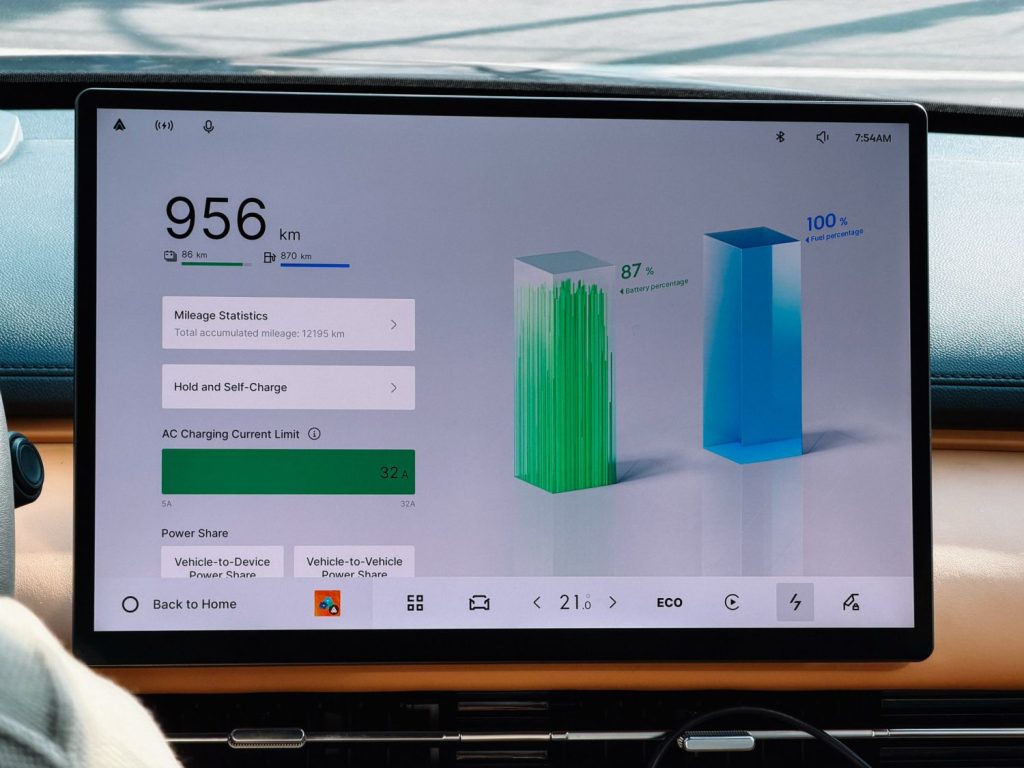
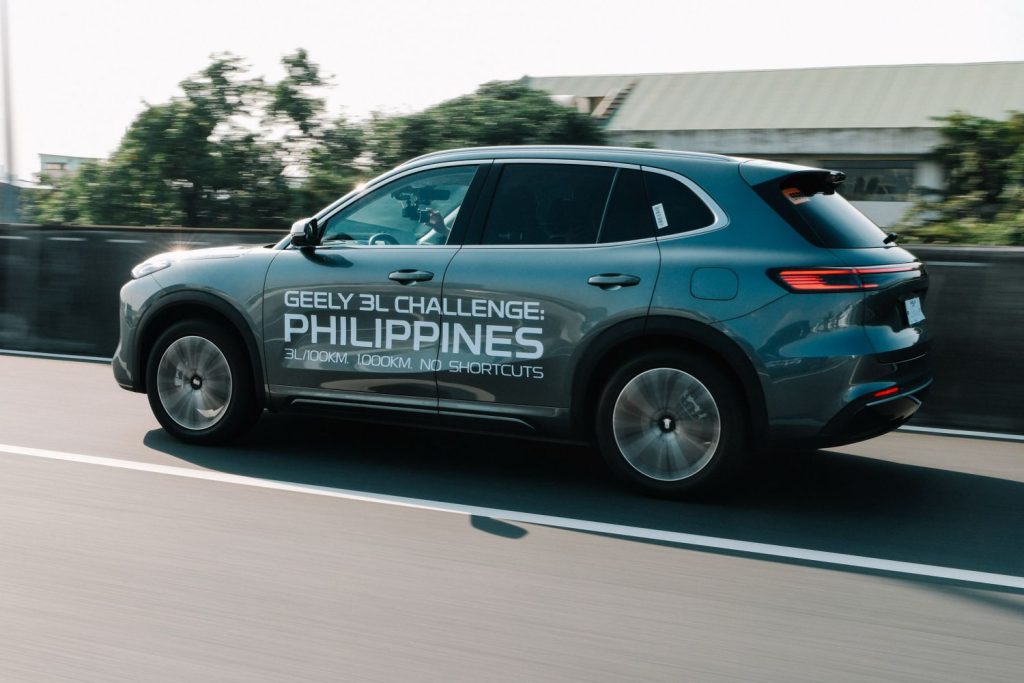
We started out with a full tank of gas, 87% charge from its 18.4kWh LFP battery, and an estimated 956 km of range from Geely Makati. The route would be worth around 1,000km of driving, with stopovers in NLEX, Rosario, Geely Ilocos Sur, and finally, Fort Ilocandia in Laoag.
The heart of the Geely EX5 EM-i is its plug-in hybrid powertrain, where a 1.5-liter four-cylinder naturally aspirated engine and an electric motor make a maximum power output of 217 horsepower (ps, 160kW) and 262Nm. Thanks to the usual benefits of electrified powertrains, getting up to speed and overtaking was an easy affair.
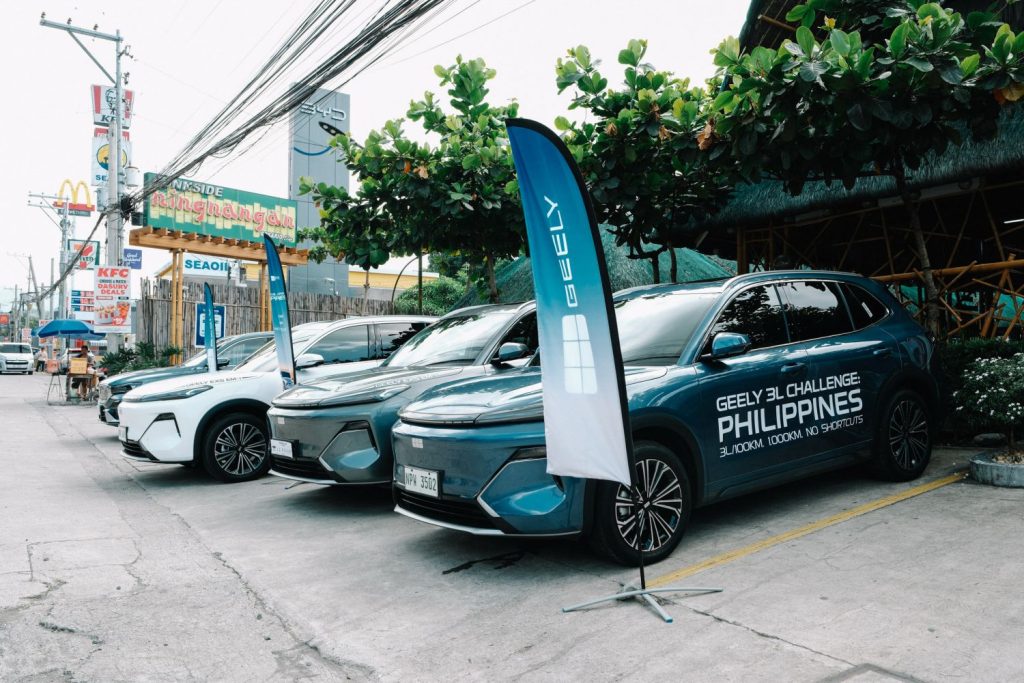
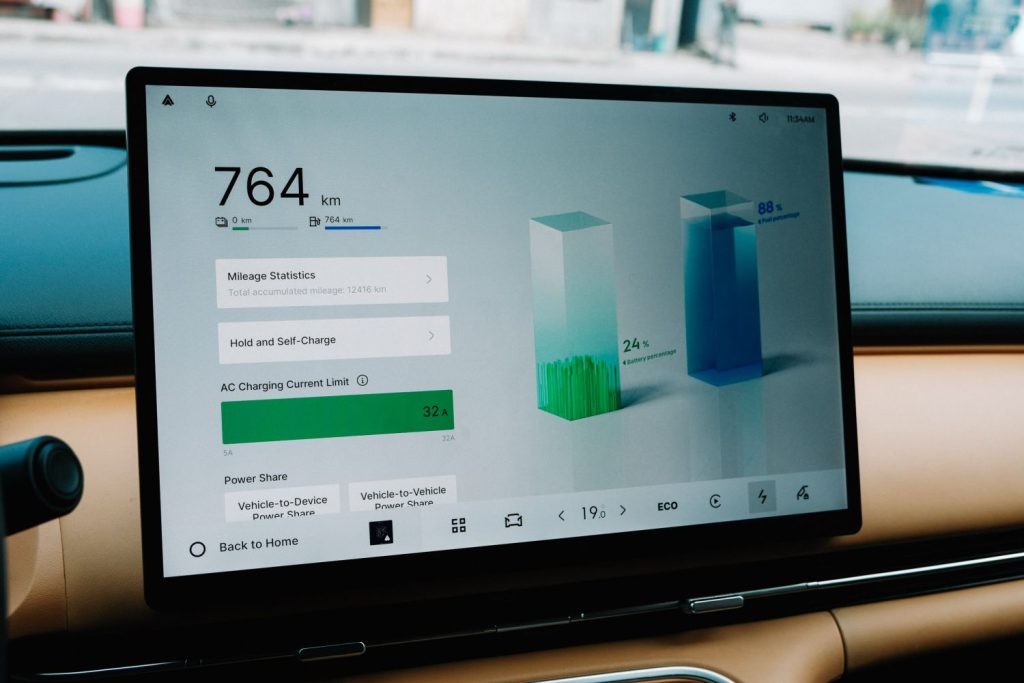
This allowed us to effortlessly reach our lunch stop in TPLEX Rosario, with the EX5 EM-i fully depleted of its usable electric range (the system limits the usable charge at 24% for power reserves), and 88% of our fuel left. The estimated range was pegged at 764km after traversing the city, expressways, and a rest stop at Petron Lakeshore NLEX.
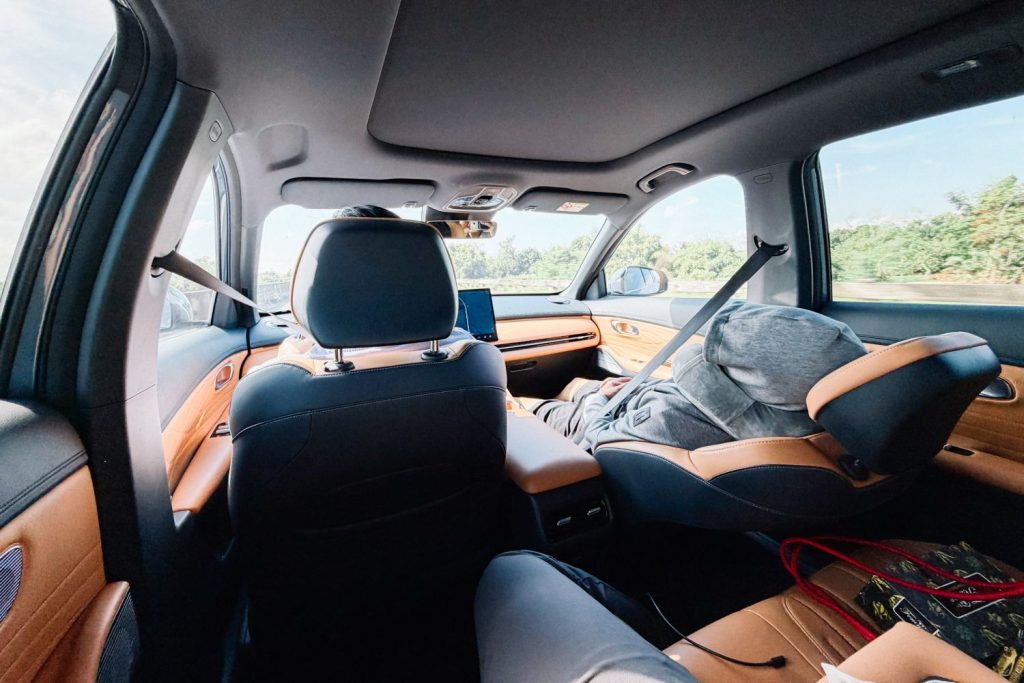
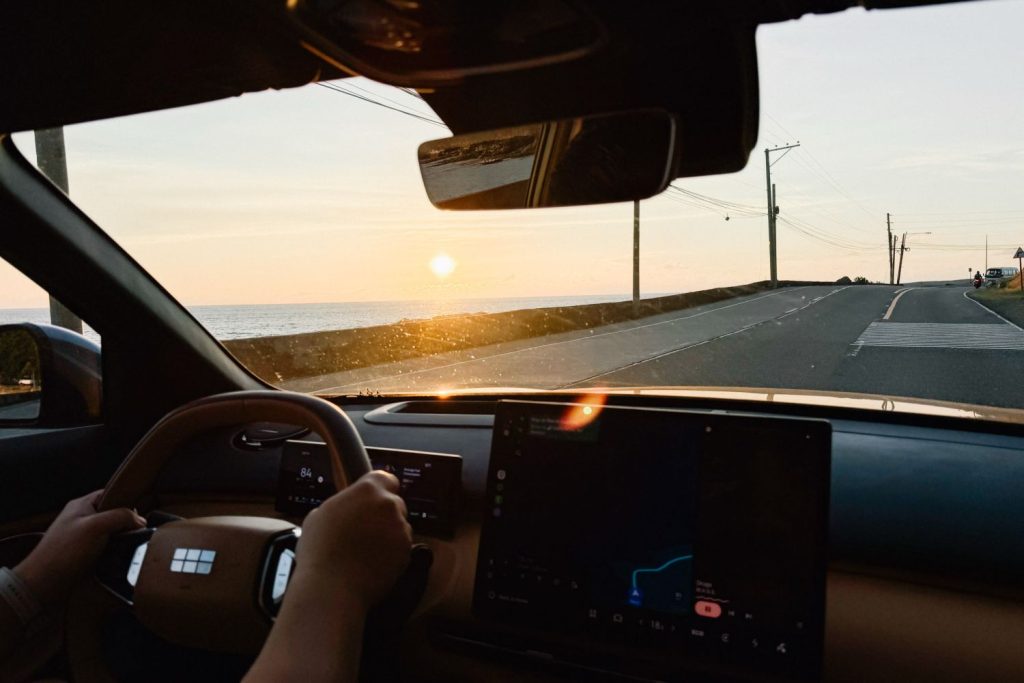
The EX5 EM-i Max comes with a handful of luxuries like a two-tone leather interior, panoramic sunroof, ventilated front seats, 19-inch wheels with better tires (Goodyear EfficientGrip), and a 16-speaker Flyme Sound audio system that make it worth the SRP of Php 1,468,000, over the base variant’s Php 1,288,000 asking price.
There’s a lot of space within the cabin, especially in the rear seats with an almost flat floor, making it a good place to take quick naps on the eight-hour journey. The cargo area also managed to comfortably swallow three adults’ worth of luggage and then some for a three-day journey, too.

The EX5 EM-i also comes with a complete suite of advanced driver assistance systems, but a few functions like the lane-keeping systems and speed limit warnings proved to be a bit annoying (and persistent, as they would reset between driver changes), requiring them to be turned off every single time between driver changes, as they would revert the moment the door opens.
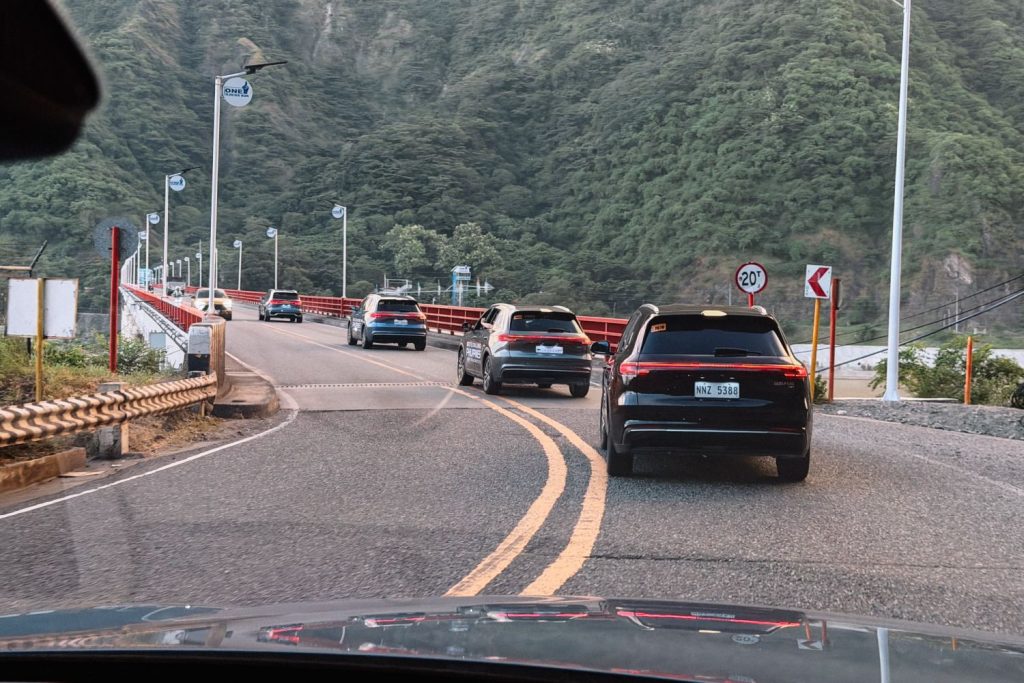
The EX5 EM-i has a bit of a dual personality with its ride comfort, a common trait with Chinese vehicles. Within the city and on expressways with manicured roads, it’s a very comfortable cruiser that almost feels like you’re gliding and wafting. However, that very same suspension tuning did end up making passengers (and even the driver) dizzy.
Within the curves, corners, and pockmarked roads with less than ideal conditions on the provincial highways leading up to Ilocos Sur, the car feels very bouncy and can be nauseating at most, but it’s still capable of handling itself pretty well, with regenerative braking that feels smooth with a good transition to the hydraulic brakes.
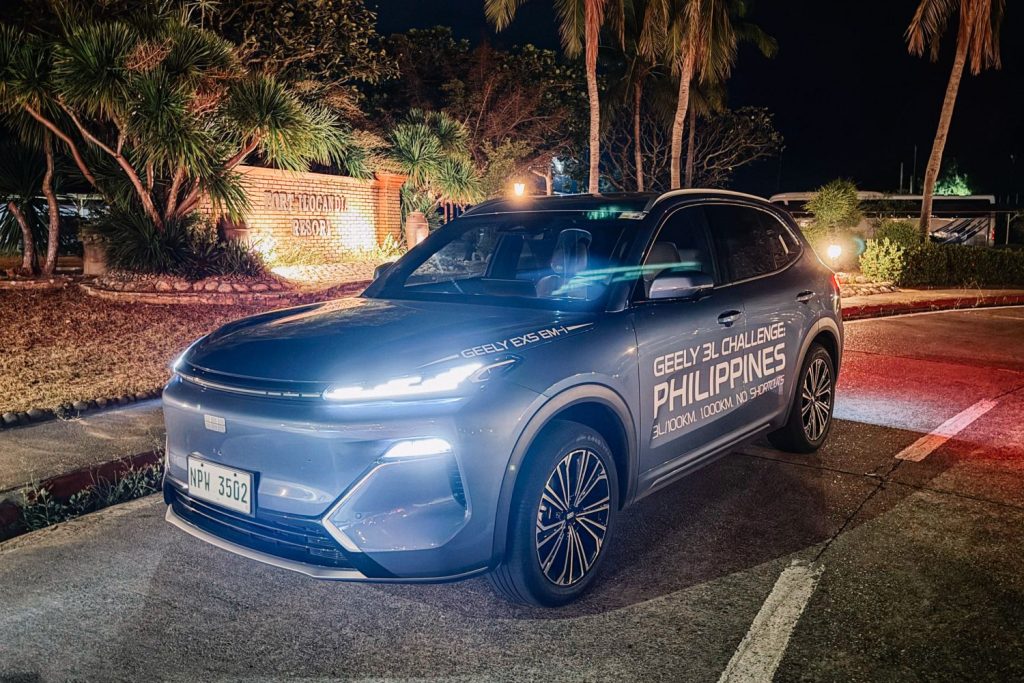
Arriving at Fort Ilocandia, we wrapped up our first leg after 501km of driving. The EX5 reports that we have 356km of estimated range, 75% charge, and 34% fuel left. We used 33.66L from the 51L fuel tank, with 17.34L left, achieving a fuel economy figure of 14.884km/L (6.719L/100km) on our first leg of driving, with all the weird slowdowns and hitches that one doesn’t normally encounter on a road trip.
The increase in fuel economy was due to us also enabling the self-charging function, which uses the engine to help replenish the battery without having to stop at a charging station– a convenient feature to have if you have nowhere to charge, and to also prevent the gasoline in your gas tank from going stale.
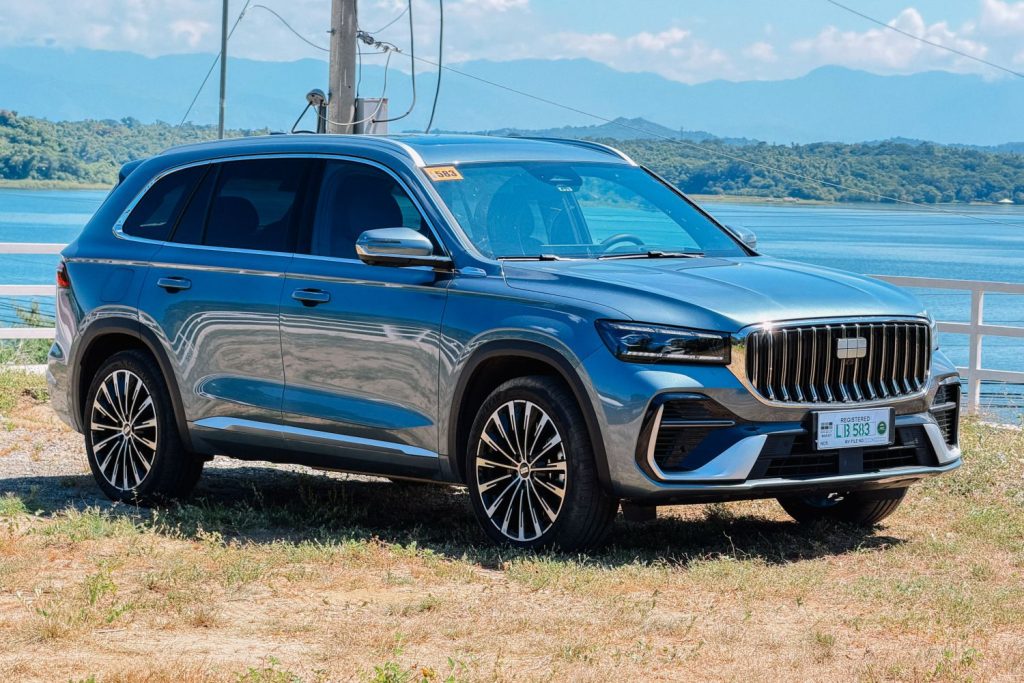
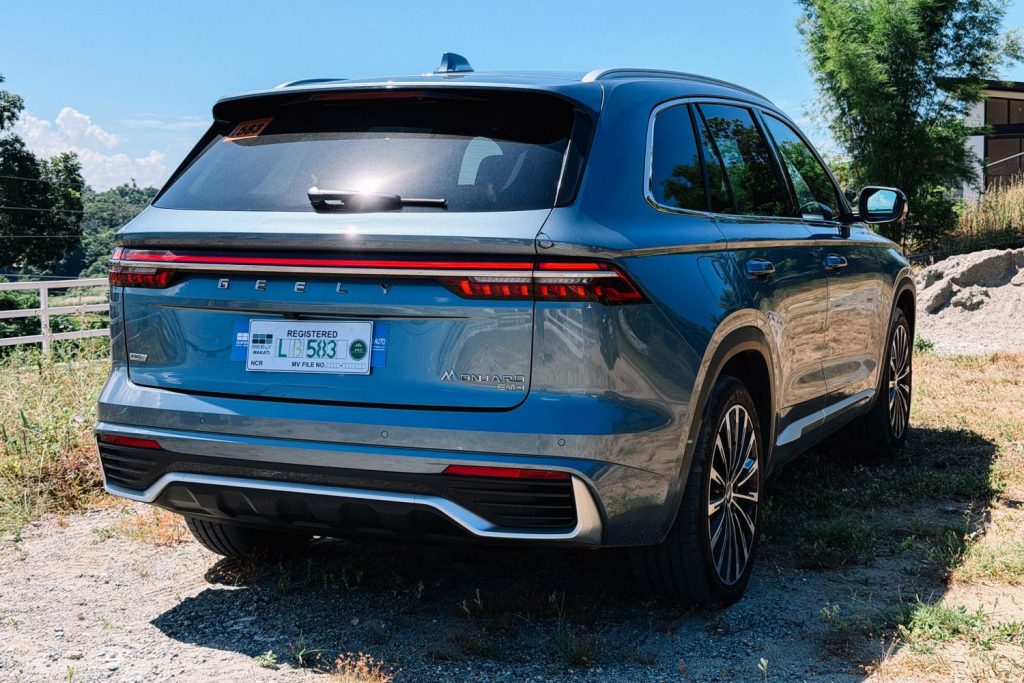
On the second day, we got to spend some time with the upcoming Geely Monjaro EM-i, the brand’s flagship SUV that has yet to be launched officially (as of this writing). We didn’t get to drive it extensively due to time constraints, but the short time I spent behind the wheel showed me how agile and refined the Monjaro EM-i felt.
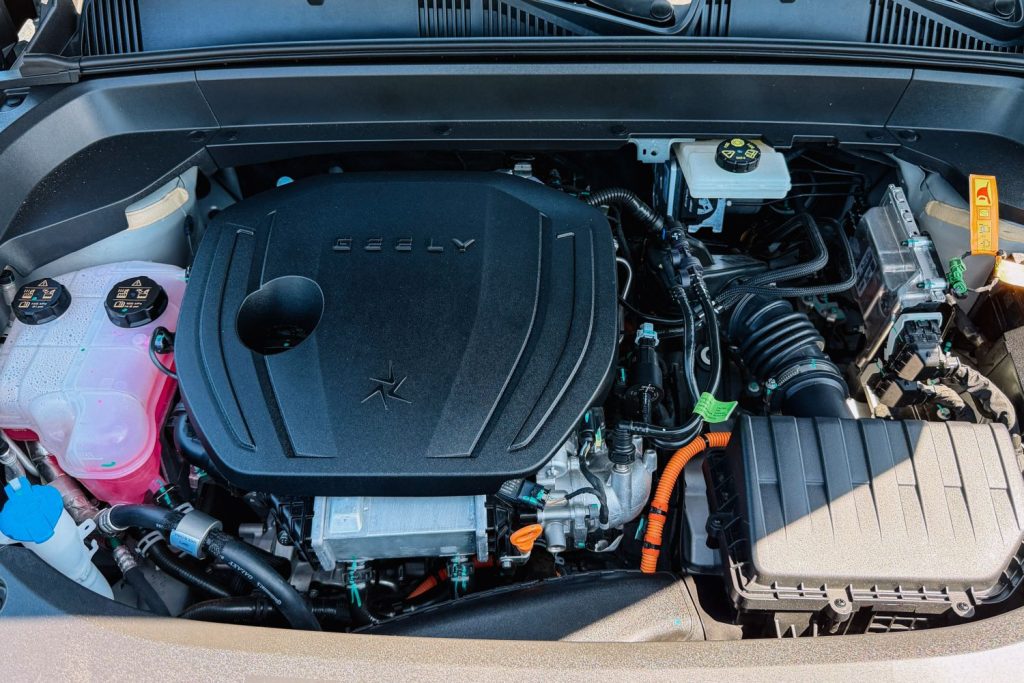
The EM-i plug-in hybrid powertrain mates a 1.5-liter turbocharged engine and dual electric motors for all-wheel drive, with a total output of 340 horsepower (ps, 250kW) and 667Nm of torque, allowing the car to get up to overtaking speeds with ease, and the Continuous Damping Suspension made it ride and handle like a European crossover.
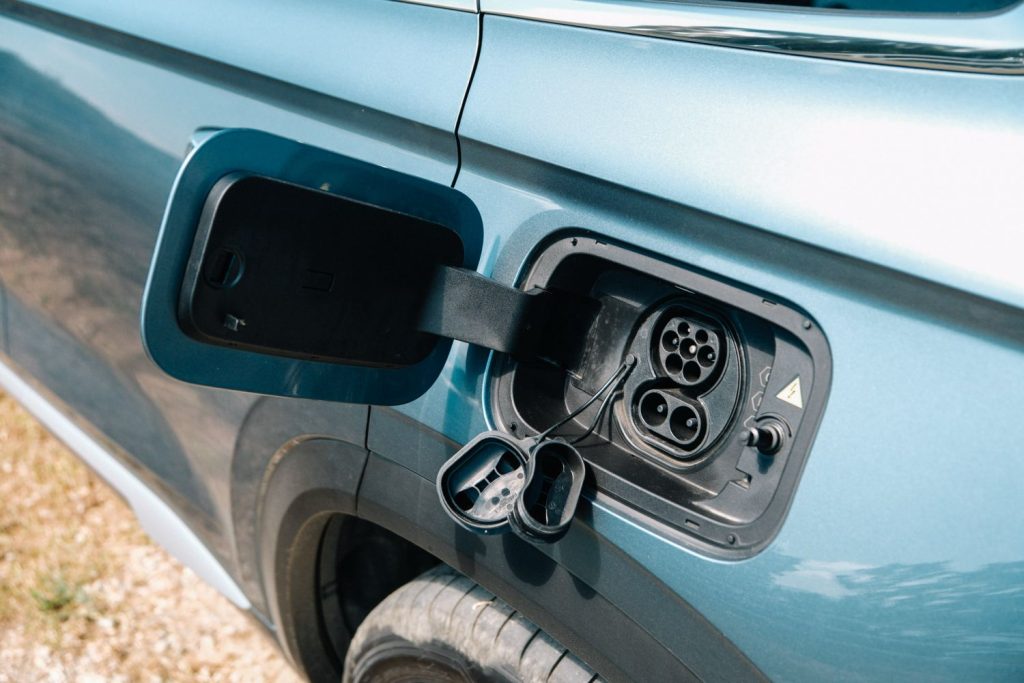
The 29.8kWh LFP battery allows it to drive up to 116km (WLTP) on pure electric power, and up to 1,020km (WLTP) combined. It can be topped up with DC fast charging at speeds of up to 78kW, with AC charging and V2L (vehicle-to-load) capabilities at speeds of up to 6kW.
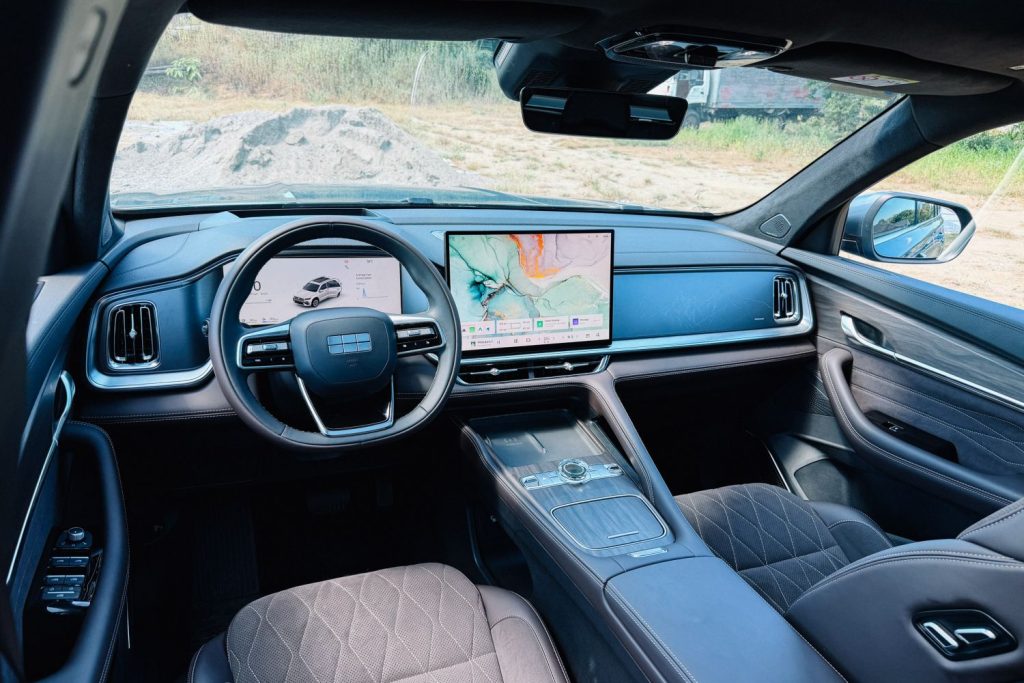
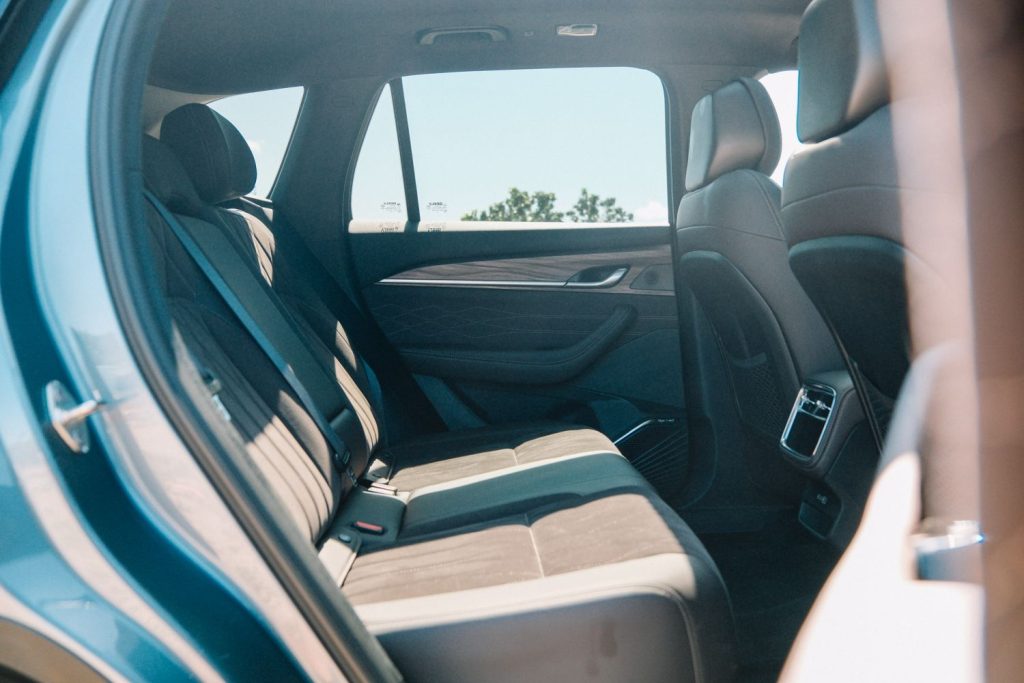
Of course, the exterior has a lot of road presence, and the interior’s build quality is top-notch, with luxurious materials all around, including ventilated massaging front seats and a second row with impressive legroom. It’s powered by the Flyme Auto suite of technology, with the 15.4-inch infotainment screen being responsive, and it supports Apple CarPlay and Android Auto, a full advanced driver assistance suite, and sound is pushed out courtesy of a 16-speaker Flyme Sound audio system.

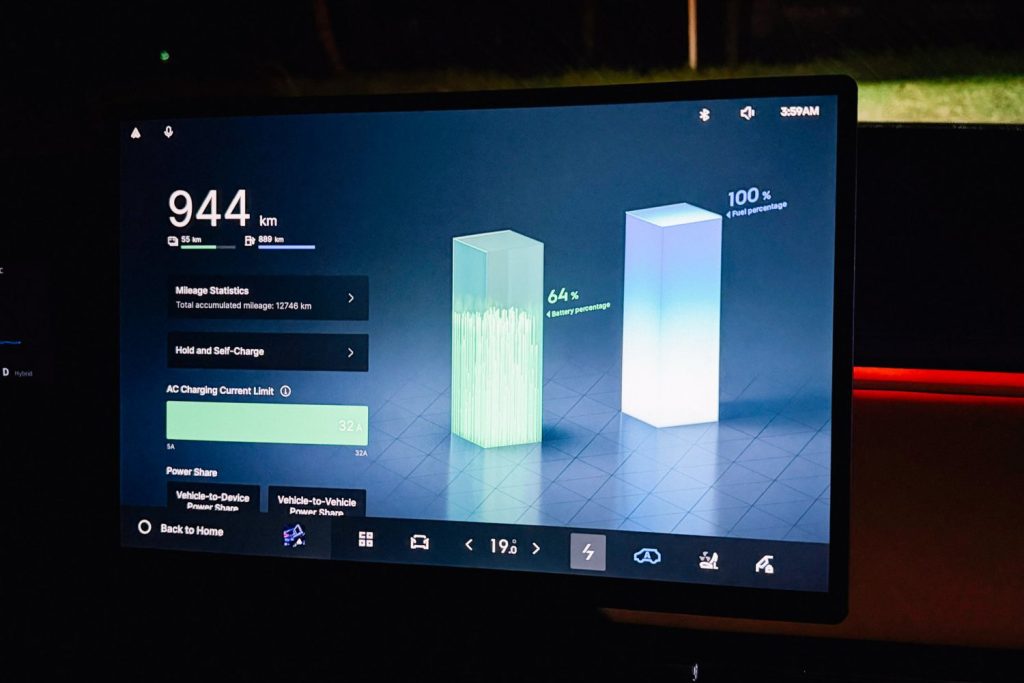
But back to the EX5 EM-i, we weren’t making the trip back to Geely Makati on a single tank of gas, so each was topped back up to a full tank for safety (the cars had been used for content creation the day before). Having set off at an earlier time versus the rest of the convoy, we started off with 944km of combined range, a full tank of gas, and 64% battery left.
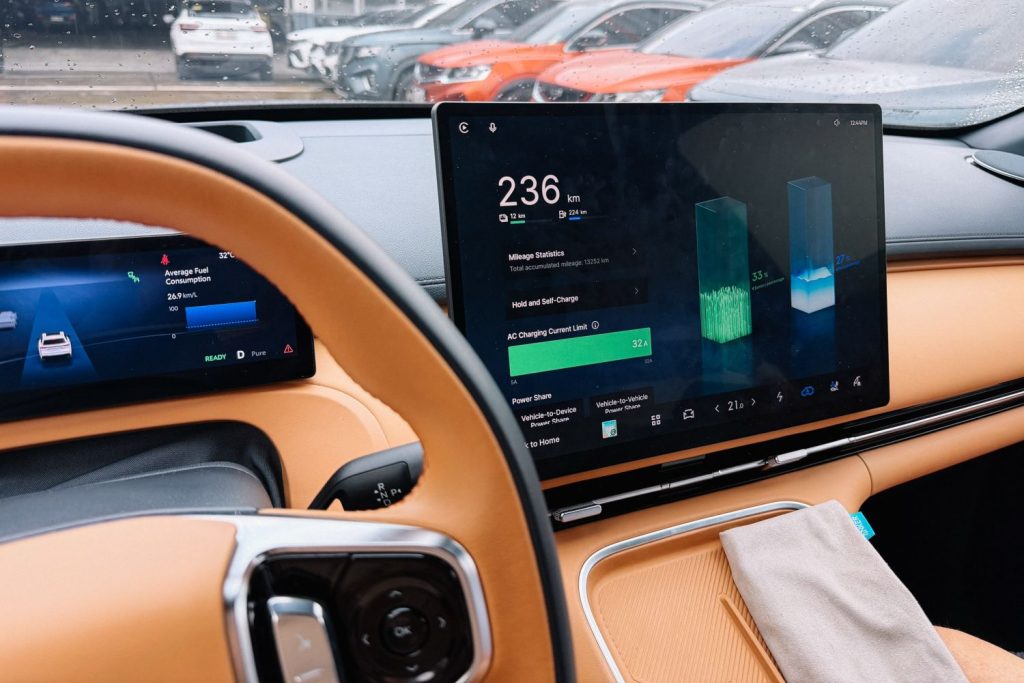
Reaching Geely Makati after another eight hours and 505.9km of driving with a few driver changes, we finished with 236km of estimated range, 33% battery charge, and 27% fuel left in the fuel tank—13.77L left and used 37.23L. The second day had an average fuel economy figure of 13.589km/L or 7.359L/100km,
Granted, these are not ideal results, and we’re quite far from Geely’s ideal result across both trips, but we’re still waiting on the full results taken from the AAP in their EX5 EM-i (which are still not available as of this writing), which will most likely be able to achieve that figure.
However, this showed that the Geely EX5 EM-i is a car that you can easily bring out on a road trip as long as this, all without having to worry about excessive gas consumption or space constraints, and that the upcoming Monjaro EM-i is a model that’s worth getting excited over once it officially launches in the Philippines.