



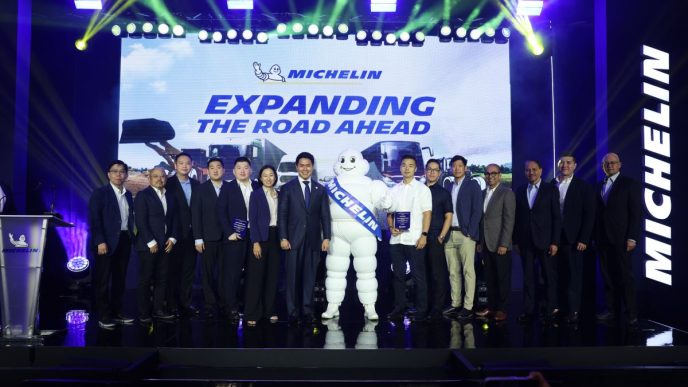
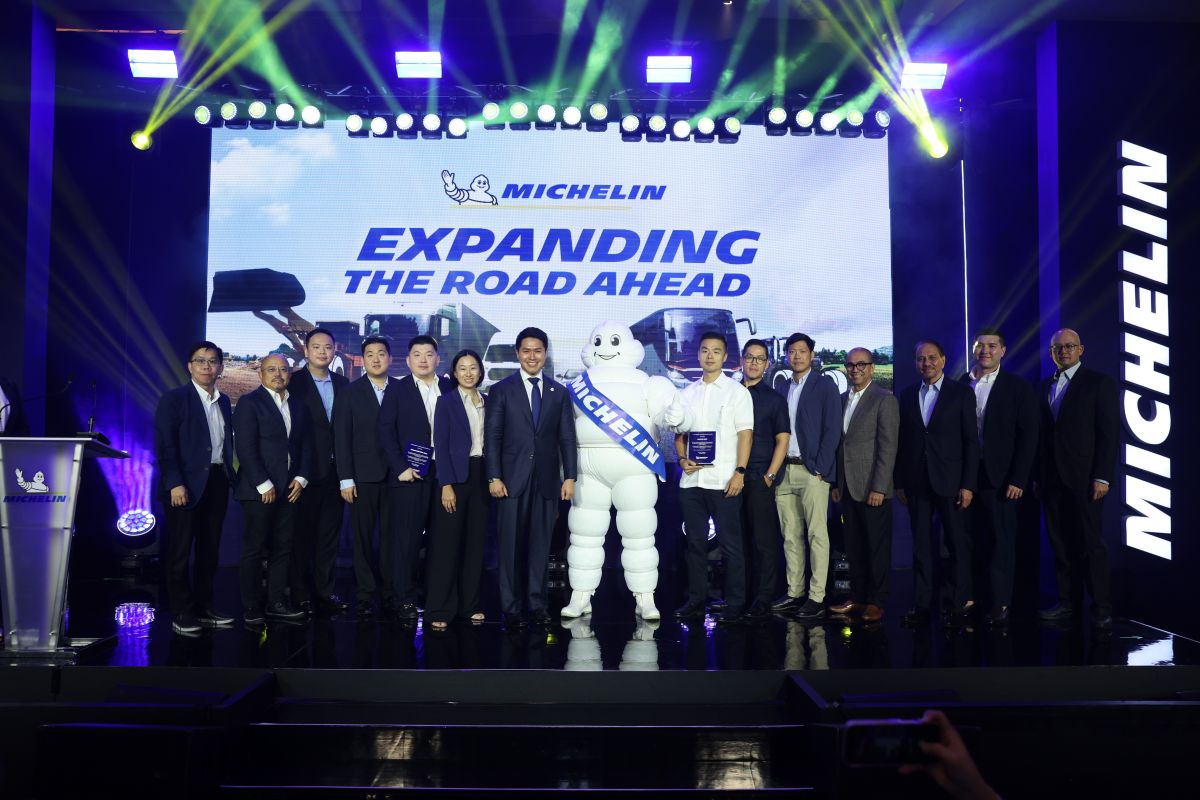
Global tire brand and innovation company Michelin recently reiterated its commitment to the Philippine market with a “strategic expansion” of its distribution network here – expected to lead to “greater expertise, stronger support, and improved customer access across every mobility segment.”
In a speech, Michelin APAC Mining and Regional Leadership Team Vice President Antonio Mello emphasized the girth of the company’s global workforce and what it means. “We employ more than 122,000 employees, supported by 6,000 research and development professionals operating across 75 production facilities and 48 polymer composite solutions sites. But what these figures really represent is something much more important.”
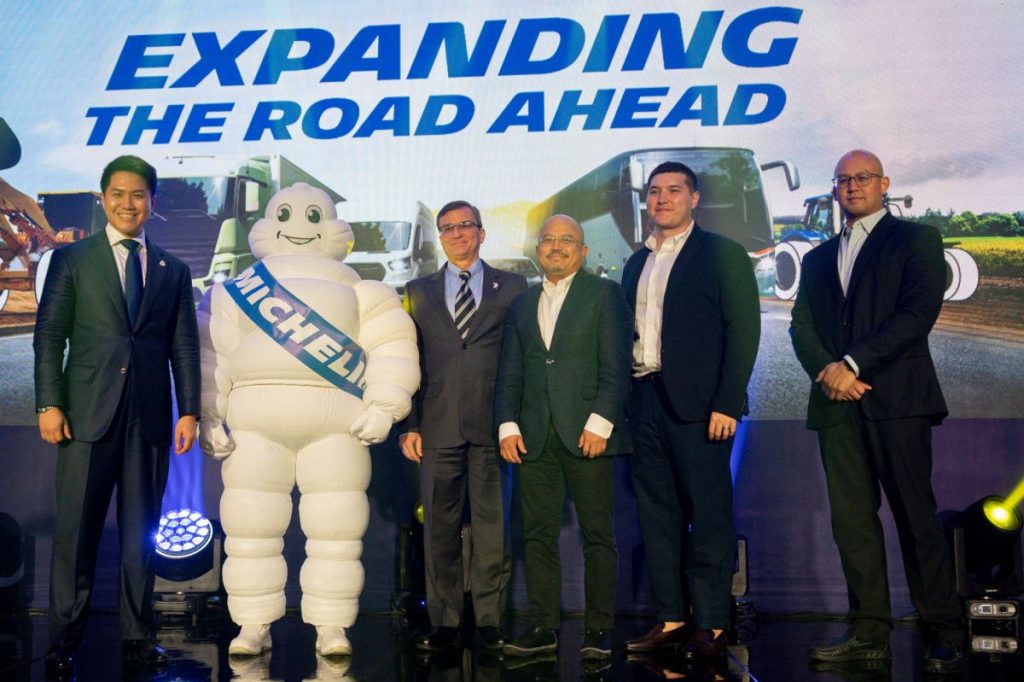
He insisted that these embody “generations of expertise, the pursuit of excellence, and a commitment to delivering value for our customers, our people, our innovation capabilities, and our manufacturing footprint.”
While Michelin is a truly global company, it professes to remain agile and responsive to what organization describes as a “rapidly evolving mobility landscape.” In a release, it said that “growing vehicle ownership, expanding logistics networks, increased infrastructure activity, and rising industrial investment are creating new opportunities across passenger mobility, commercial transportation, construction, mining, agriculture, and beyond-road operations.”
Amid a diversified business here, Michelin is buckling down for the long haul through what it describes as an improvement of route-to-market capabilities toward a “more responsive, customer-focused, and future-ready mobility ecosystem.”
The new business model enlists parties who will operate and focus on their own areas of the business – each more keenly giving attention to specific verticals or segments. The envisioned result is a “specialized ecosystem” aligning expertise with customer needs specific to segments. It’s about dispensing with a cookie-cutter approach – supplanting it with one that is more sensitive and reflective of “how customers buy, operate, maintain, and manage their vehicles and equipment.”
Stressed Michelin Philippines Managing Director Jonathan Kong: “This expansion reflects our long-term commitment to the country and our confidence in its future. By strengthening our distribution ecosystem, we are bringing greater expertise, stronger support, and more relevant solutions closer to the industries and communities that keep the Philippines moving.”
Michelin in the Philippines insisted that the “expanded ecosystem complements (its) existing importer-distributor network, strengthening overall market coverage while preserving the partnerships that continue to play an important role in the company’s Philippine business.”
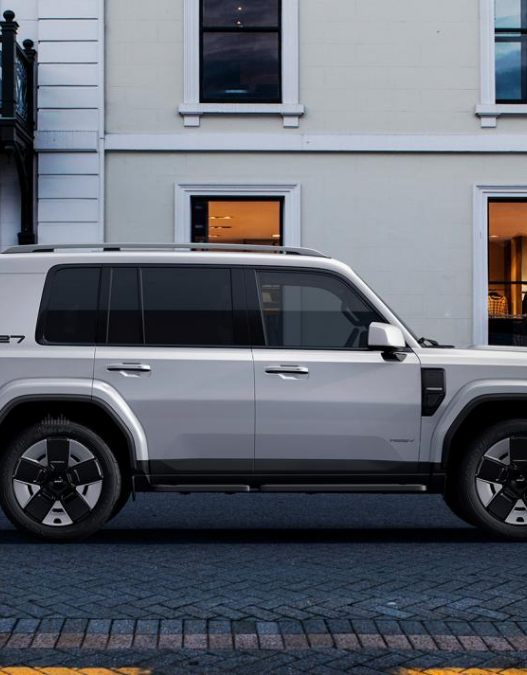
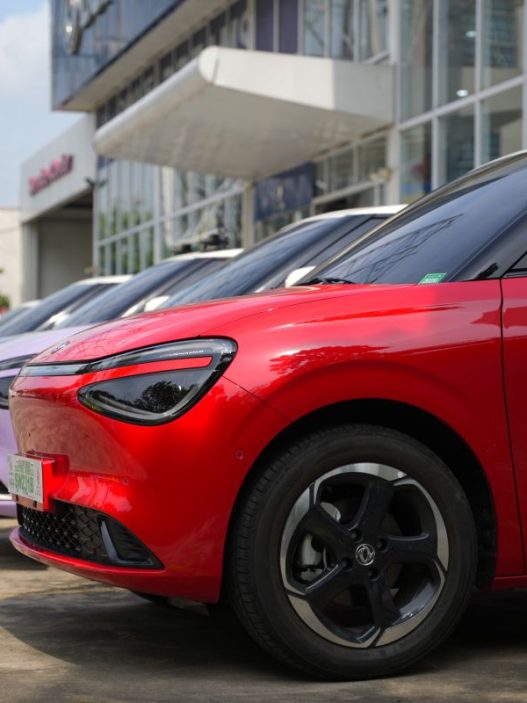
For instance, Bermaz Auto Philippines, headed by Steven Tan as its president, will take care of supplying Michelin tires to car brands here with Michelins as original fitments. While the so-called “casa” hasn’t traditionally been a place to replace tires (because of a perception of higher prices), Tan has promised pass-on pricing that will be very competitive versus traditional third-party retailers. Bermaz will also carry Michelin-owned BF Goodrich tires.
Explained Kong, “A construction company operates differently from a mining company, and different mobility segments require different capabilities, expertise, and service models. To address these differences, Michelin must become increasingly focused in the way we serve the market, and that is why we continue to evolve our go-to-market model. We believe the strongest approach is now built around an ecosystem of capable partners with complementary strengths, an ecosystem that combines market reach, technical expertise, customer proximity, and industry knowledge.”