



In a world where legacy brands have long defined what a motorcycle festival should look like, CFMOTO is quietly rewriting the script.
CFMOTO Day isn’t just another brand activation—it’s a statement. A signal that a company once seen as a challenger is now building something deeper: a global riding culture. And like any real culture, it needs a place to gather.
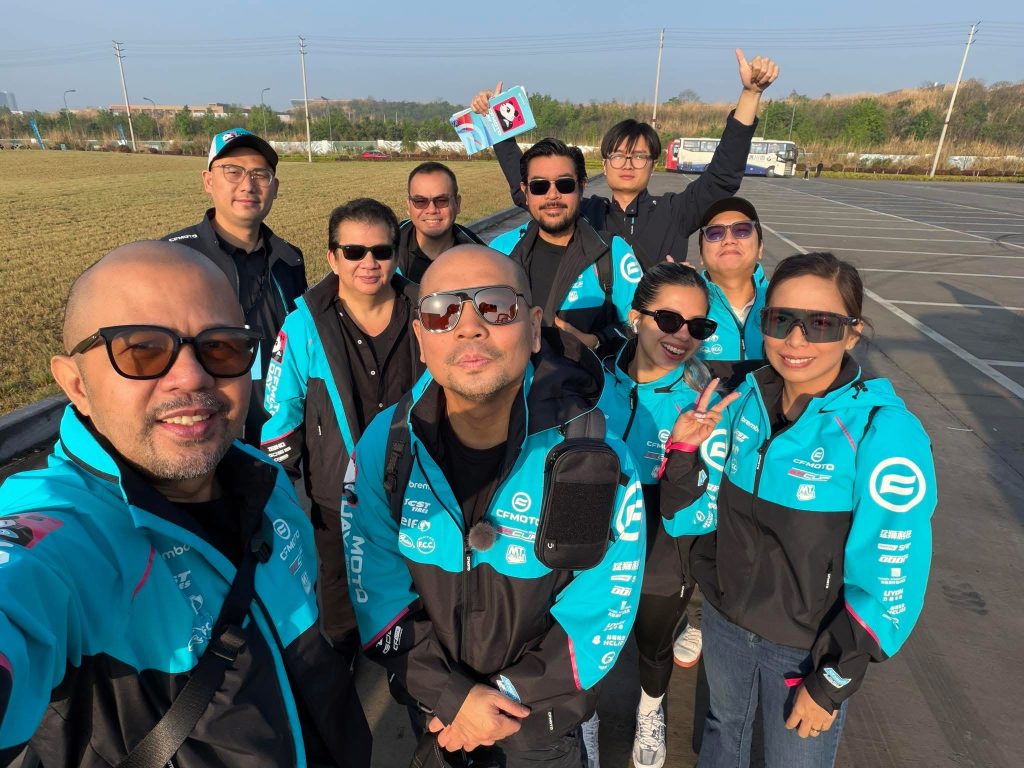
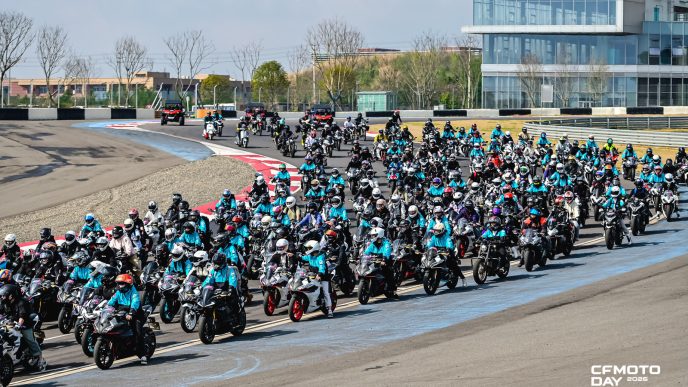
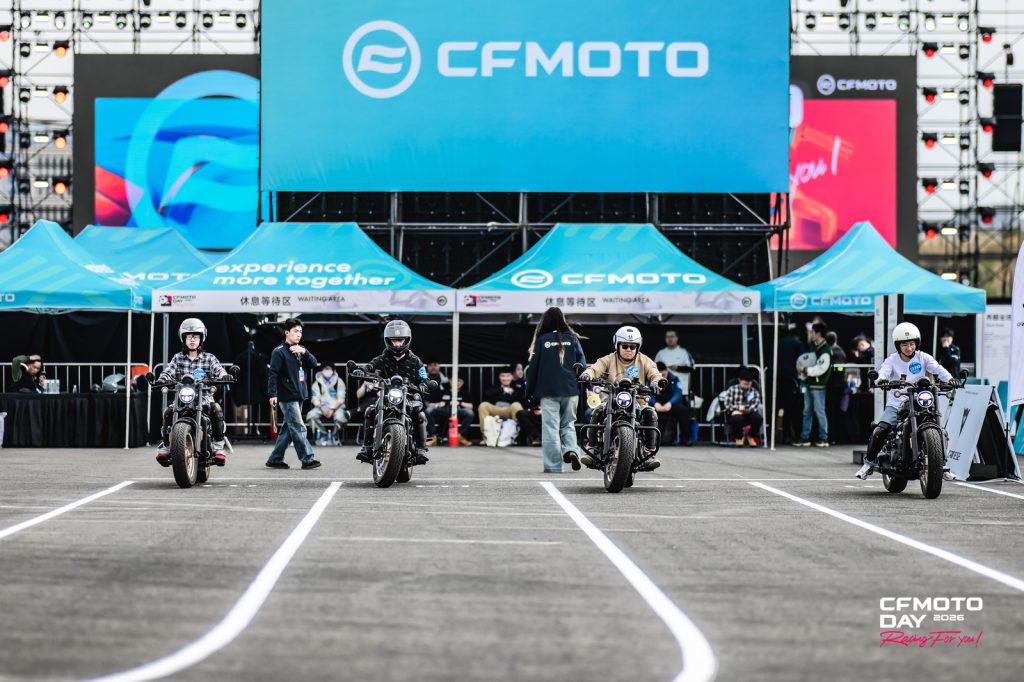
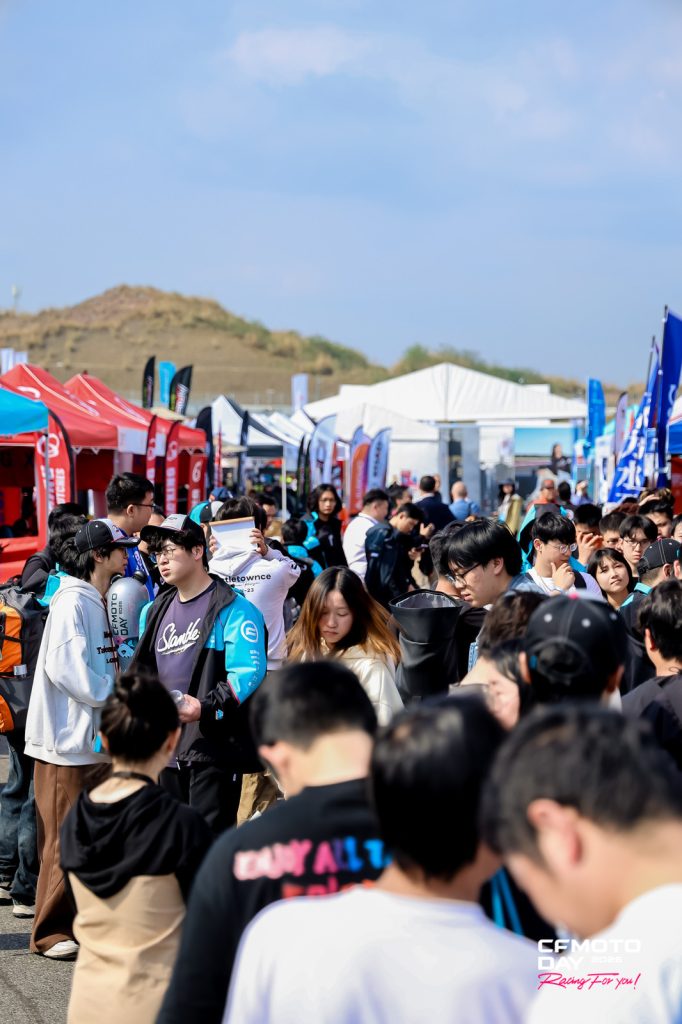
At its core, CFMOTO Day is a large-scale community festival—part motorsport event, part product launch, part music festival. It’s where riders, media, and fans come together not just to see the brand, but to experience it. You don’t just observe—you participate. You ride, you engage, and you become part of the ecosystem the brand is trying to build.


While CFMOTO held earlier versions of the event before 2020, the modern era of CFMOTO Day really began with its large-scale revival in 2023. After a pandemic-induced hiatus, the brand brought the event back in a much bigger way, staging it at major venues like the Zhuzhou International Circuit in China. From there, it didn’t just return—it evolved.

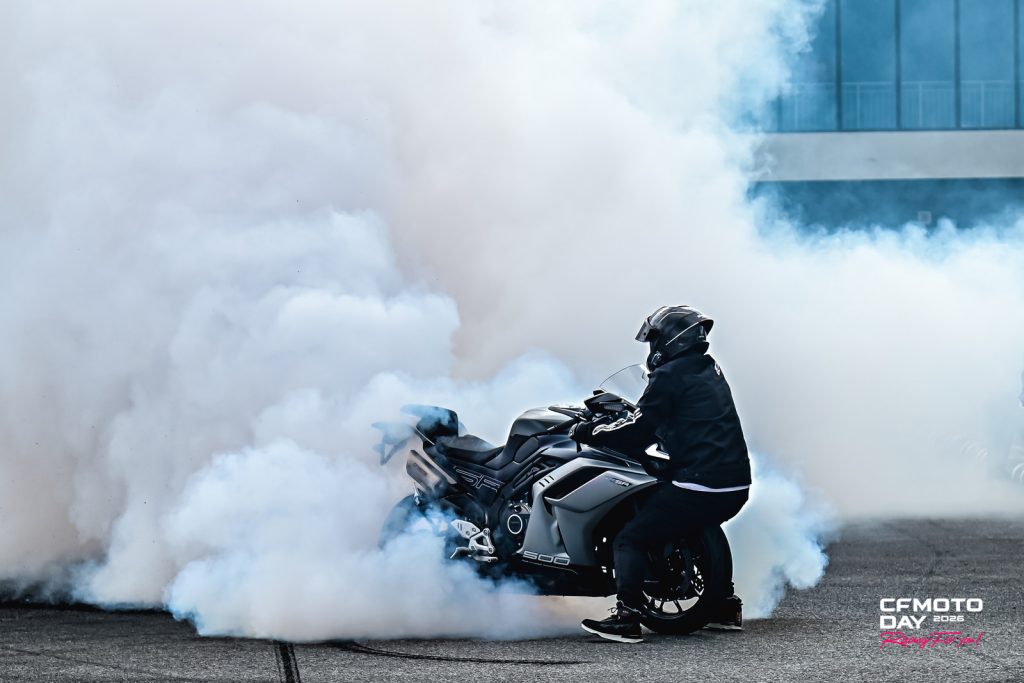
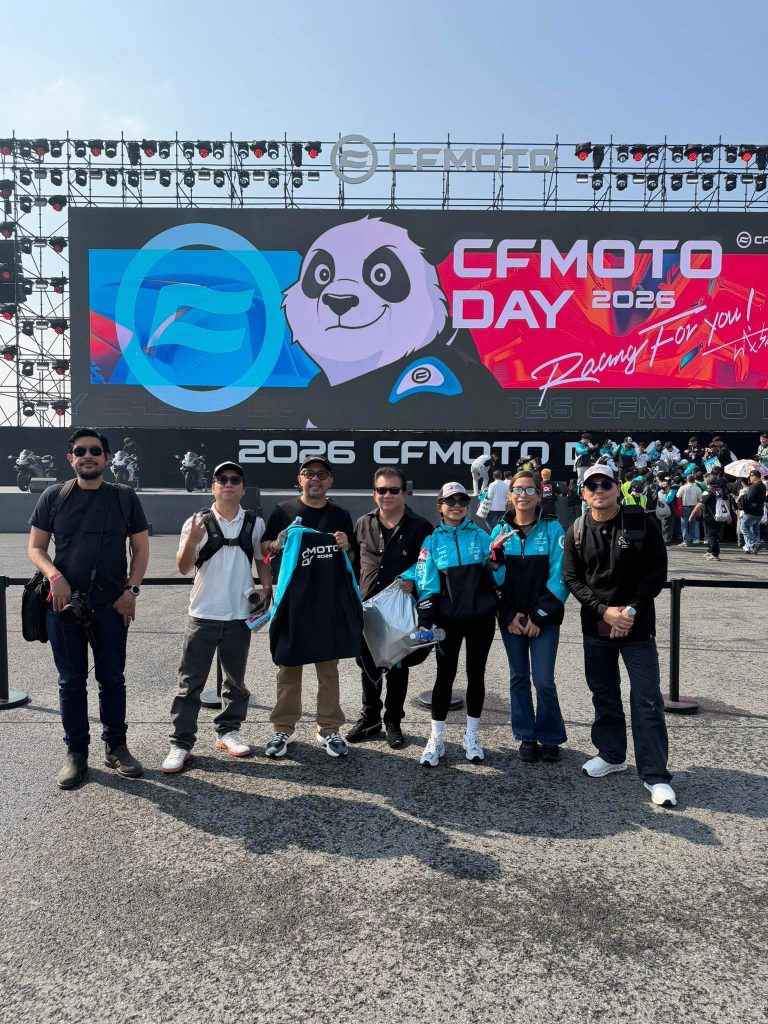
By 2024 and 2025, the event had grown not only in scale but in ambition. The experiences became more immersive, the global participation expanded, and regional editions began to take shape outside of China. This year, the main event was held at the Tianfu International Circuit in Chengdu, where CFMOTO made serious noise. The 500SR, a screaming inline-four sportbike, was officially launched—and some of us even got to push it on track. At the same time, the brand teased the 1000SR V4 in action. Even without a ride opportunity, it became the centerpiece of attention—the kind of presence that felt more like a celebrity sighting than a product reveal.

Traditionally, the flagship CFMOTO Day takes place in China, often at purpose-built circuits close to the brand’s home base. Tracks like Zhuzhou have become synonymous with the event, offering the ideal mix of infrastructure and scale. But what truly sets CFMOTO Day apart is its expansion strategy.
The brand has begun rolling out regional versions of the event in key markets, including Europe, where iconic circuits like Spa-Francorchamps have hosted their own editions. Southeast Asia (hopefully the Philippines soon) and other regions are beginning to follow suit, signaling that CFMOTO Day is no longer just a single annual gathering—it’s becoming a global franchise.


What makes the event work is how immersive it feels. This isn’t a static display of motorcycles and ATVs—it’s an environment designed for action. Riders can take part in track sessions, join parade laps, or explore off-road riding experiences. There are stunt shows, demo rides of the latest models, rider training programs, and interactive simulators that let you engage with the machines in multiple ways. Product launches and unveilings happen live, often in front of a buzzing crowd, while concerts and DJ sets keep the energy alive long after the engines cool down. It’s a blend of adrenaline and atmosphere—one moment you’re chasing apexes, the next you’re watching a new bike being revealed under lights and music.
What also stands out is its accessibility. Compared to more premium, exclusive gatherings, CFMOTO leans heavily into participation. It’s less about prestige and more about involvement. The barrier to entry feels lower, but the energy remains just as high—if not higher.

Of course, CFMOTO Day doesn’t exist in a vacuum. Every major motorcycle brand has its own way of bringing its community together. Ducati, for instance, has World Ducati Week, held at the Misano Circuit in Italy. It’s one of the most iconic motorcycle festivals in the world, deeply rooted in racing heritage and drawing Ducatisti from across the globe for a premium, performance-driven experience.

Triumph Motorcycles approaches it differently. While it doesn’t have a single flagship festival, it plays a major role in Distinguished Gentleman’s Ride, a worldwide event focused on style, heritage, and charity. It’s less about speed and more about culture, with riders dressed in classic gear riding for a shared cause.
Meanwhile, Harley-Davidson leans fully into lifestyle. Events like Harley-Davidson Homecoming and Sturgis Motorcycle Rally are built around identity—music, freedom, and the open-road ethos that defines the brand.


CFMOTO Day sits somewhere in between—but also outside all of them. It doesn’t yet have Ducati’s deep racing heritage, Harley’s generational identity, or the thematic clarity of DGR. Instead, it represents something newer: a performance-driven, community-first festival for a brand that is rapidly on the rise.
Founded in 1989, CFMOTO has grown into a global player, now present in over 100 countries. But beyond sales figures and product development, the company is investing in something less tangible yet arguably more important—community. CFMOTO Day is a reflection of that effort.

It’s not just about showcasing motorcycles. It’s about creating shared experiences, building loyalty, and giving riders a reason to feel connected to the brand beyond ownership.
If World Ducati Week feels like a cathedral, and Harley rallies feel like a religion, then CFMOTO Day is something different.
It’s a movement still being defined.
And in many ways, that’s exactly what makes it exciting.