




You remember the math. Leave by three in the morning, arrive in Baguio before noon. That is, if the car engine cooperated, if Kennon Road was dry, and if none of the four other people you were traveling with needed a comfort stop in Gerona. The 1980s road trip to the City of Pines was often not so much a journey, but more like a negotiation: with time, with the weather, with the old geometry of a two-lane highway threading through every town between Metro Manila and the mountains. Six hours was optimistic. We drove in the dark, arrived in the cold, and called it a vacation. We did not yet have this network of expressways – but we had patience, a cooler full of sandwiches, and somehow… we still loved it.
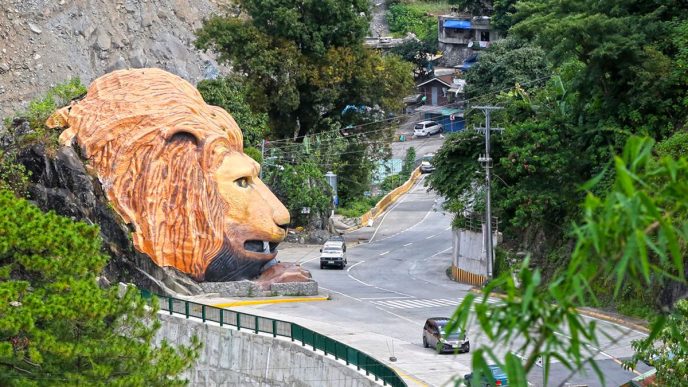
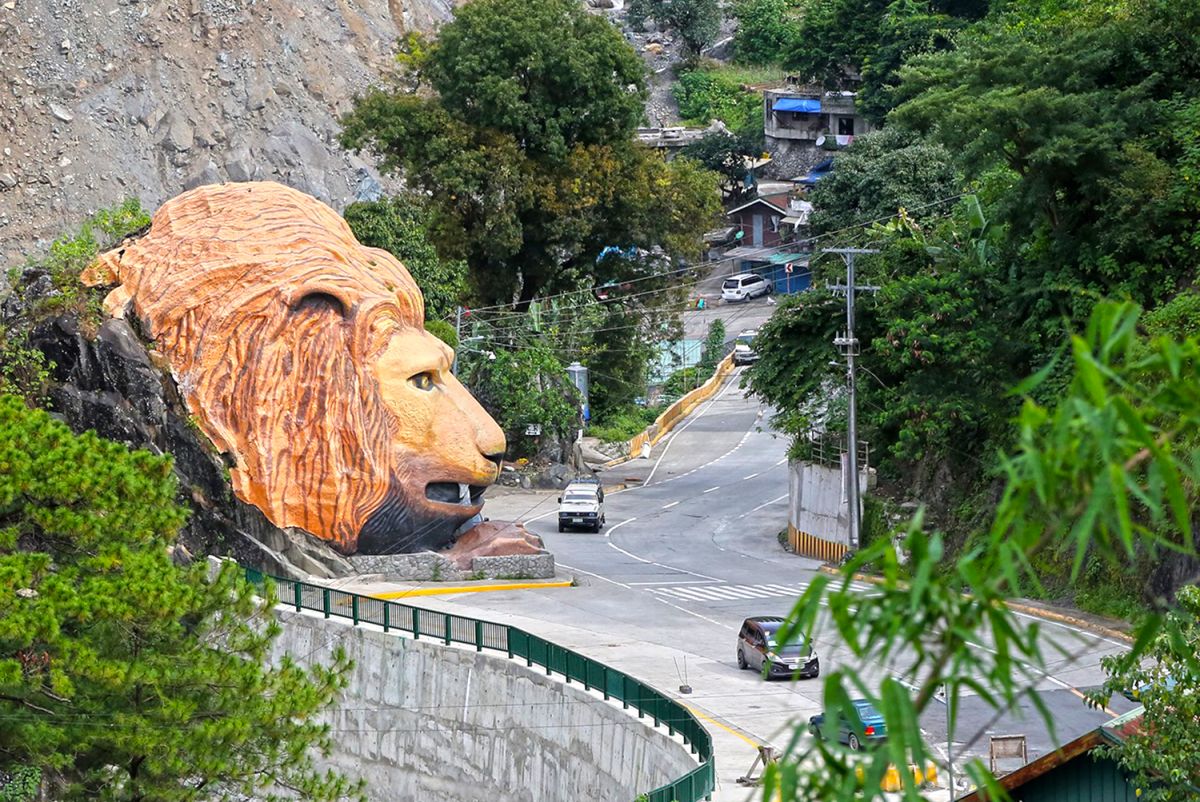
I have fond memories of Kennon Road. That gorgeous, treacherous corkscrew of asphalt cut into the Benguet mountains courtesy of an American Army colonel in 1903 – reportedly built with a combination of ambition, colonial will, and the lives of hundreds of workers who never made it home from the mountains. Forty kilometers of hairpin turns, crumbling shoulders, and the very real possibility of a truck coming at you from the other direction on a road that was never quite enough for two. That was the Philippines of our parents and grandparents.
Some thirty years later, my phone tells me four and a half hours!
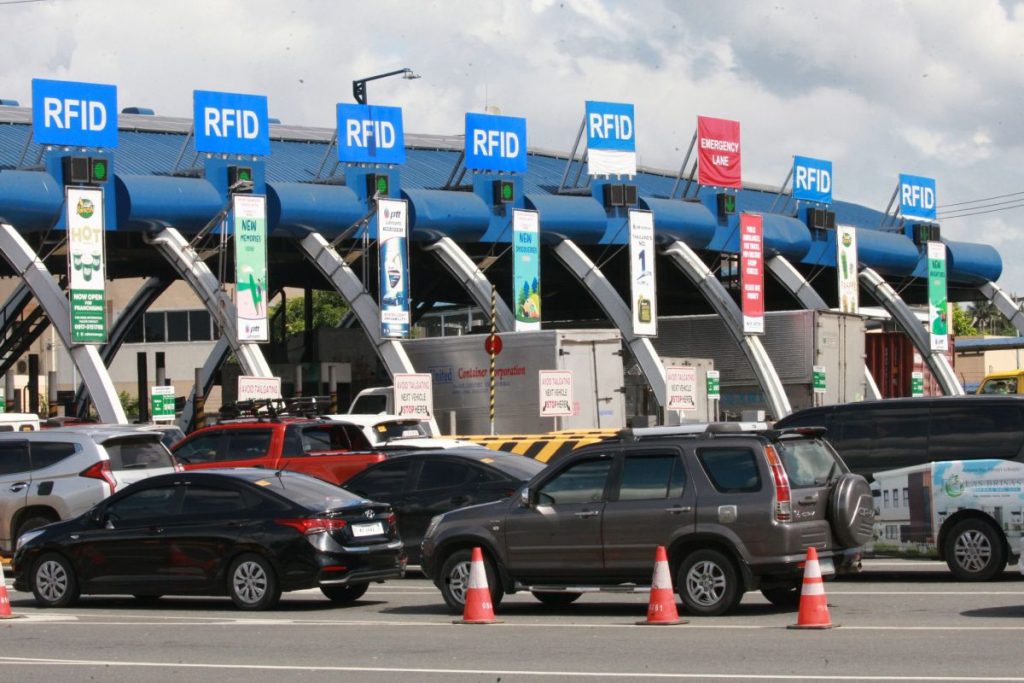
I want to sit with that for a moment, because I think we have been so busy driving on these roads that we have not stopped to fully appreciate what they mean. Four and a half hours from Balintawak to Baguio City on the NLEX-SCTEX-TPLEX expressway corridor that now stitches Metro Manila to the highlands of the Cordillera in an unbroken thread of controlled-access highway. And you just drive it straight. No towns, no market vendors spilling onto the road. No chicken crossing the road. Just asphalt, air getting fresher, and the gentle beep of your RFID at every toll plaza.
Of course, the transformation did not happen overnight, and that is perhaps the most underappreciated part of the story. It happened in increments, in the grinding bureaucratic poetry of public-private partnerships and Build-Operate-Transfer schemes and congressional lobbying from Pangasinan representatives who spent years arguing that the North deserved more than just the macArthur Highway.
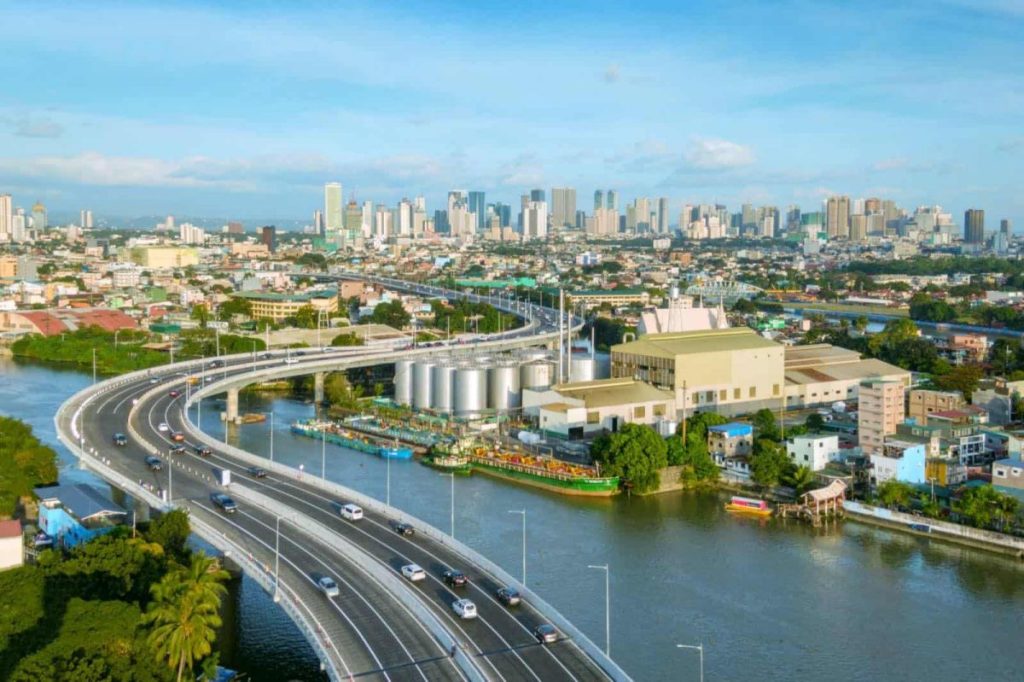
Then came Skyway Stage 3. This reduced travel time between SLEX and NLEX down to just 20 minutes – about the amount of time it takes to listen to a podcast.
Go South, and the same revolution quietly happened there too. The South Luzon Expressway was always there, stretching from Magallanes to Calamba, but it has been joined now by the STAR tollway reaching deep into Batangas, by the Cavite-Laguna Expressway opening new corridors through the CALABARZON heartland. Expressways now cover over 500 kilometers across Luzon, with plans to add approximately another 350 kilometers.
What does this mean now for the average Filipino? Not the car enthusiast, not the road tripper with a vlog and a GoPro, but the ordinary Filipino with a four-day weekend and a family packed into a Montero Sport, who have a cousin in La Union who has been asking them for the longest time, when they could come visit?
It means that La Union is now a realistic Friday afternoon drive. City people could easily transform into weekend warriors and choose adventure on a whim.
Land travel has always been the most democratic form of adventure in this country. Once you have a vehicle, all you need is a tank of gas, a playlist, and a willingness to share a car with people you enjoy being with. There is no airfare to be booked months in advance. The road asks only that you show up, and it will meet you there. And now, crucially, it does not ask you to get up at three in the morning!
But let us not be so Luzon-centric about this, because the other regions of the Philippines have their own stories to tell.
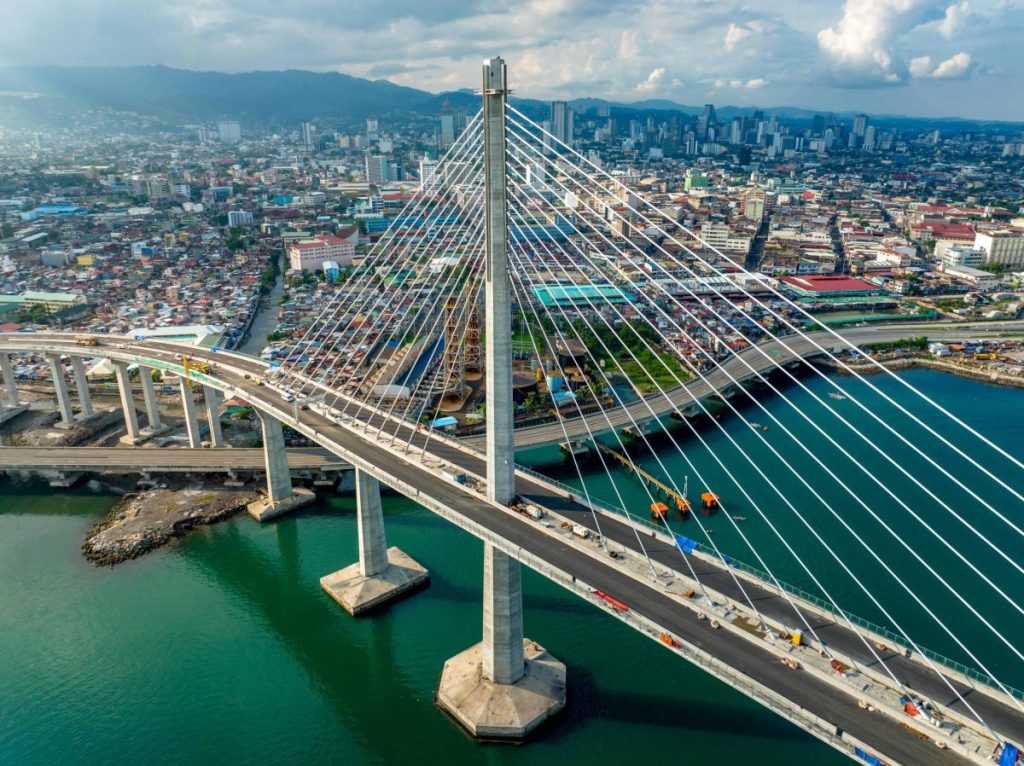
In Cebu, the road revolution came from a bridge. The Cebu-Cordova Expressway, or CCLEX was inaugurated on April 2022, coinciding with the 501st anniversary of the Battle of Mactan. It was the first expressway and toll road built outside of Luzon, and at 8.9 km spanning the Mactan Channel, it became the longest bridge in the Philippines the day it opened.
CCLEX not only cut travel time to Mactan Airport, but it also became a gateway to Cebu’s major tourism spots to the south, like whale shark watching in Oslob and cayoneering in Badian.
Meanwhile, the Panguil Bay Bridge opened in September 2024, and it reduced travel time between Tubod in Lanao del Norte and Tangub City in Misamis Occidental. What used to be 1.5-2 hours of travel (including time spent queueing at the port), shrank to an amazing seven minutes of transit. The bridge was funded through a Korean development loan and built over years of feasibility studies.
And what else is in store for us? The Davao-Samal Bridge has already been more than 50% complete as of early 2026, and is slated to be a 3.98-km cable-stayed bridge that will one day reduce the ferry crossings between Davao City and the Island Garden City of Samal. Then there are the Panay-Guimaras-Negros Island bridges, the proposed 32-km Bataan-Cavite Interlink Bridge across Manila Bay. Who knows how much more ‘inter-island road trips’ could be possible in the not-so-far future.
I have driven many roads in this country. I have done the Baguio trek in the pre-dawn dark; I have gone diving in Mabini, Batangas on a whim. I have taken the TPLEX northward past Urdaneta and felt that the far North was no longer so far away.
This is what infrastructure does – it does not just move goods, but also people. It moves families to visit provinces they left twenty years ago. It moves the idea that land travel leisure is indeed very achievable.
The long way home has never been this short! And the short way home has never been this good. Mabuhay ang Kalsada! Long Live the road.