


In the past, Filipinos traveled on foot or on animal-pulled carts until the American colonial period brought with it automobiles and motorcycles – shipped to Manila beginning 1901 through trading companies. History has it that a certain Dr. Juan Miciano was the first-ever Filipino to buy and operate a private automobile – a French-made Richard-Brasier – in that same year. American marque Locomobile, introduced by Erlanger and Galinger, followed next in 1902.
Before World War II, the Philippine car market was already beginning began to thrive. Dealerships appeared on Escolta in Manila. The choices then were, understandably, comprised largely of a mix of American brands — Ford, Buick, Chrysler, Studebaker, and Packard. Prior to the war, the cars we drove were right-hand drive; we only shifted to the present system post war, when it was mandated by government.
It’s interesting to note that the Philippine automotive industry already had a thriving assembly business in the past – enabled and supported by government. This was first seen in the Progressive Car Manufacturing Program (PCMP), established in 1973 under the Board of Investments (BOI). Participating companies that included Delta Motors Corporation (Toyota), Ford Philippines, General Motors Pilipinas, DMG/Volkswagen, and Chrysler Philippines (a joint venture of Mitsubishi and Chyrsler) were required to locally make auto parts – not just import and assemble them.
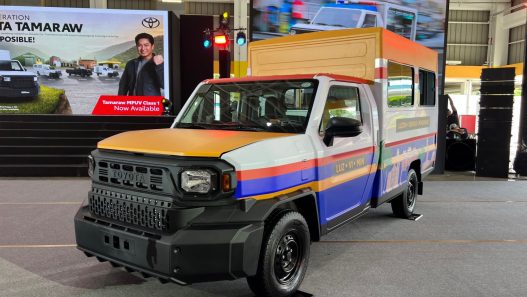
Significantly, this program led to the creation and rise of the so-called Asian Utility Vehicle (AUV) – with the Toyota Tamaraw and Ford Fiera leading the way. And remember the Mitsubishi Cimarron, GM Harabas, and VW Trakbayan?
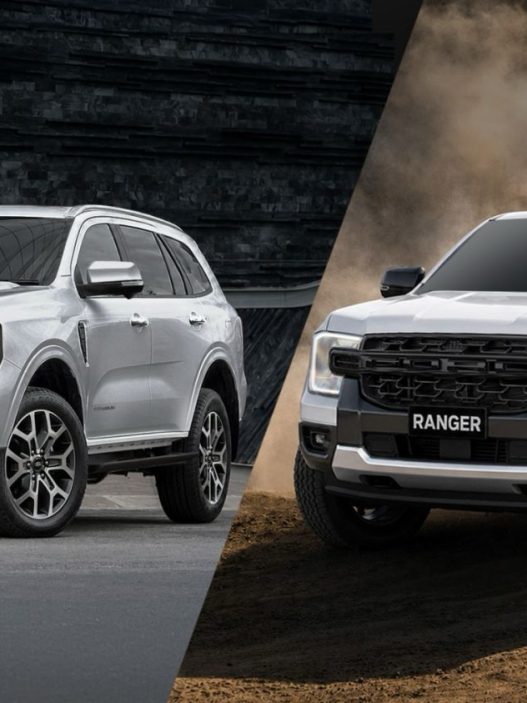
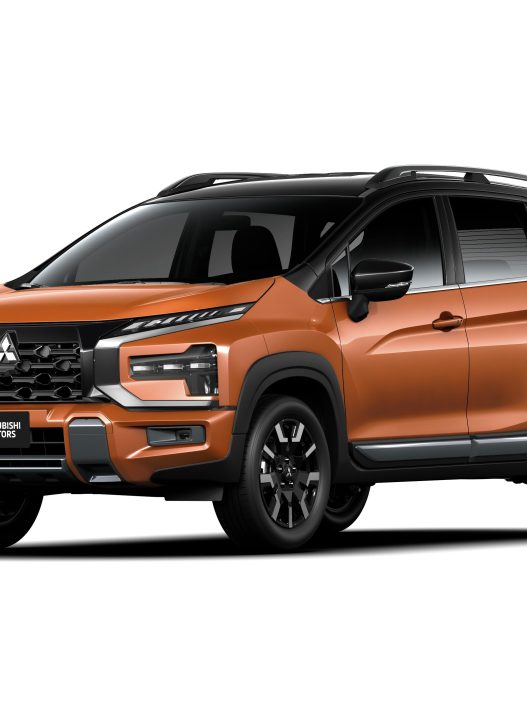
Aside from developments like these, rising income and ready financing products allowed vehicle ownership to cross the line from luxury to necessity – bringing with it opportunities for more brands via a more segmented market. Discriminating customers more keenly knew what they wanted – be it compact cars, sedans, pickups, multipurpose vehicles, crossovers, sport utility vehicles, premium vans, lifestyle trucks, and, later, hybrids, and electric vehicles. Each new preference created room for new badges.
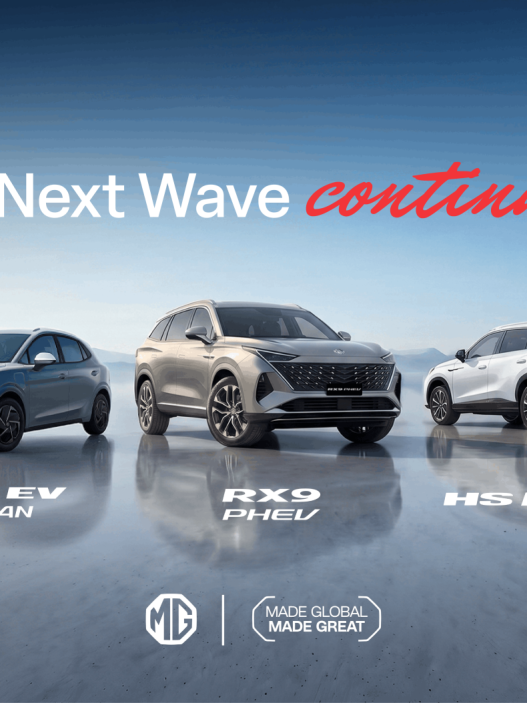
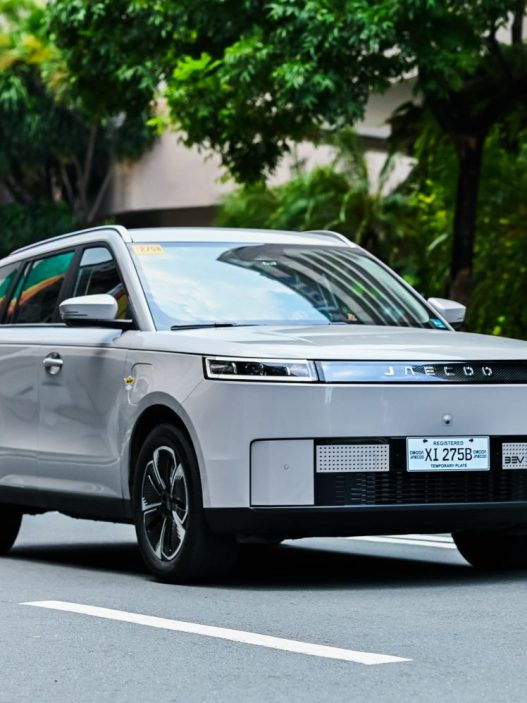
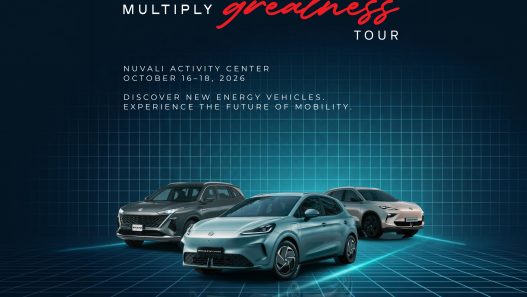
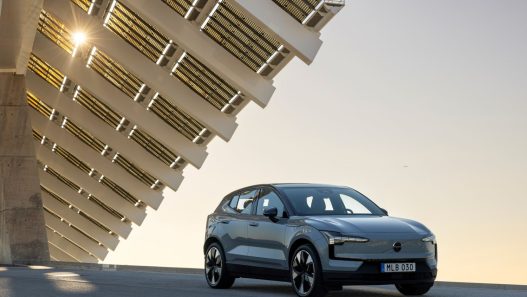
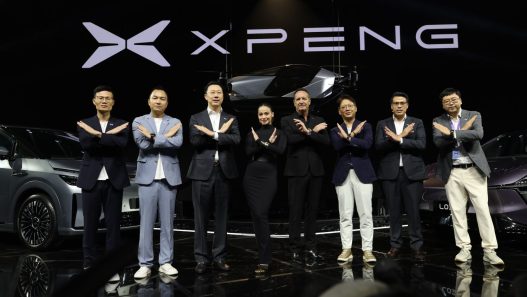
With legacy brands Toyota and Mitsubishi still dominating, a widening field was seen, even with regard to price points. More recently, with the rise of so-called new energy vehicles from a surfeit of Chinese brands, the Philippines has proven an enticing market because of our proximity to our large neighbor in the north, and left-hand-drive compatibility.
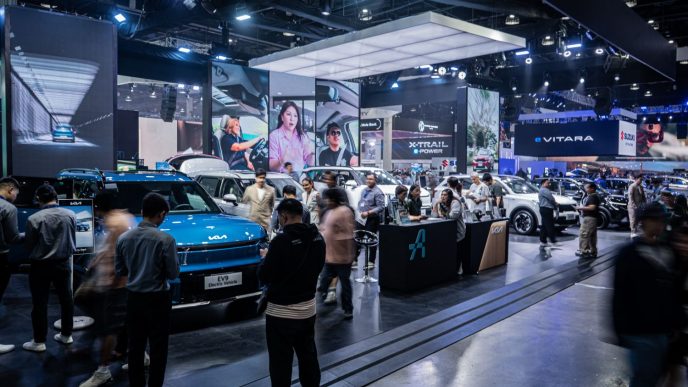
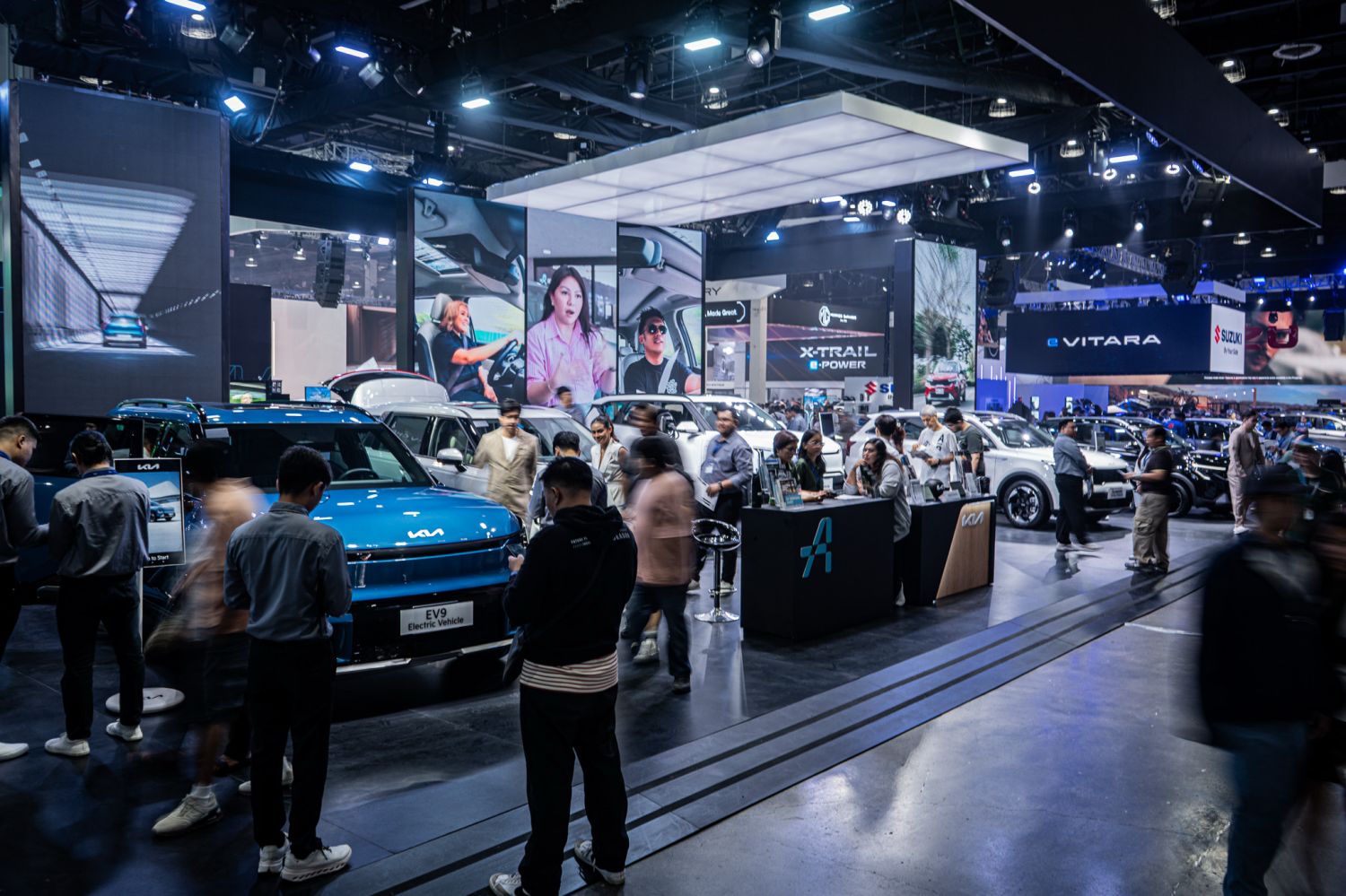
All told, the market today has more than 50 brands – an embarrassment of choices for the car browser. As competition heats up, additional players ultimately mean more value for money in the form of offerings and ticking boxes for less. First-time buyers don’t need to be constrained to “entry-level” products as we’re also seeing impressive products sold for less the usual prices.
However, not everything is straightforward. Consumers also need to be more discriminating as many of the new marques do not yet have an established presence here. Is the technology proven? Is the after-sales service sound? Will spare parts be readily available? How is the warranty like? Will it hold its value over time? There are many questions, and the answers may not be easy to come by.
Still, a market spoiled for choices will ultimately redound in benefit for a population still lagging in motorization. Inevitably, history shows that mismanaged or unworthy brands will fall by the wayside sooner or later, but this attrition will surely help improve the list of choices so that only those which are deserving of our attention and funds will be left with the pleasure and honor to serve our mobility needs.