





I’ve said it a number of times before that I love hatchbacks and its ultimate form, wagons (or estate for strict European fans). They are the most practical car unless you always bring something smelly in the cargo area. However, the country does not share my liking for the 5-door form.
Hatchbacks seemed to be doomed in the country. The Honda Jazz bid farewell in 2021 instead of bringing in its latest iteration. Toyota axed the Yaris, while Suzuki quietly wiped the Celerio and Swift from their list in the website. Meanwhile, the Mitsubishi Mirage is stuck in limbo in its current form with no update on the horizon, and Honda still has the City hatchback but who knows for how long given the fuel prices.
New hatchbacks came with the first wave of electric cars in the Philippines. We saw the likes of the Jetour Ice Cream, Bestune Pony, Changan Lumin, and BYD Seagull. There are also bigger choices in the BYD Dolphin, Dongfeng Nanobox and Dongfeng Nammi.
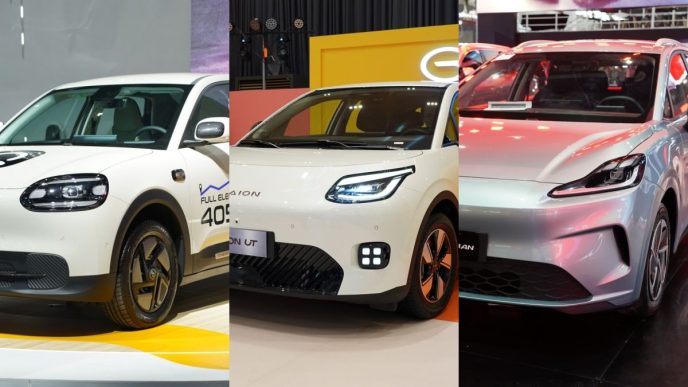
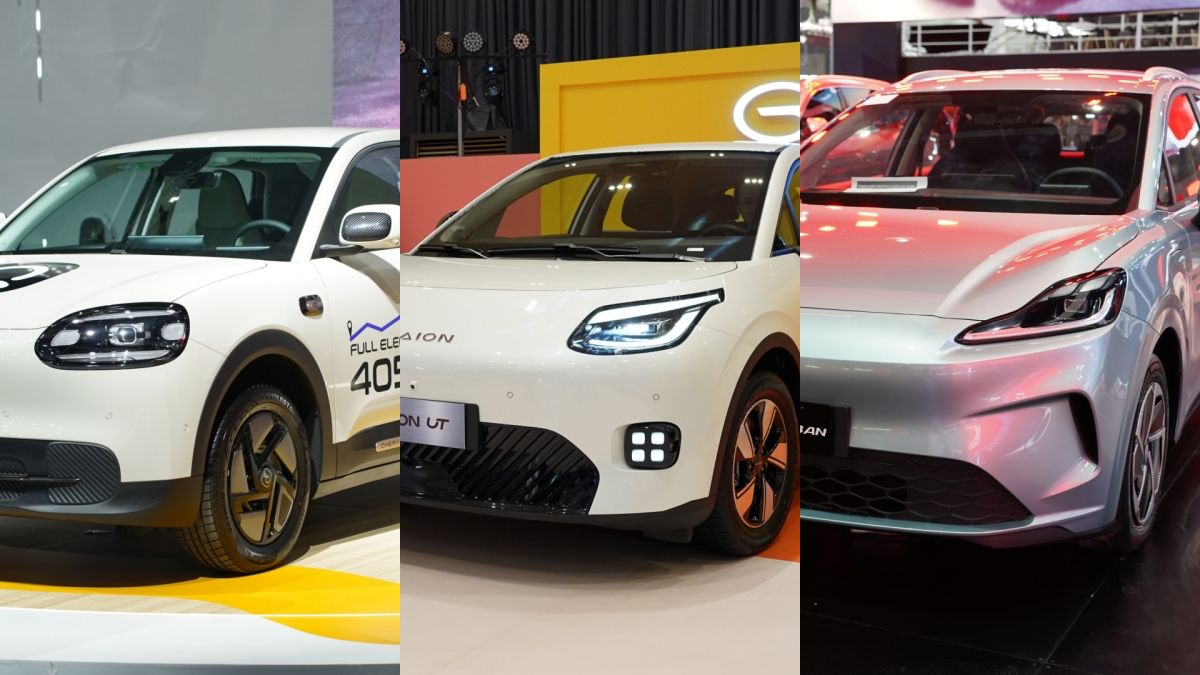
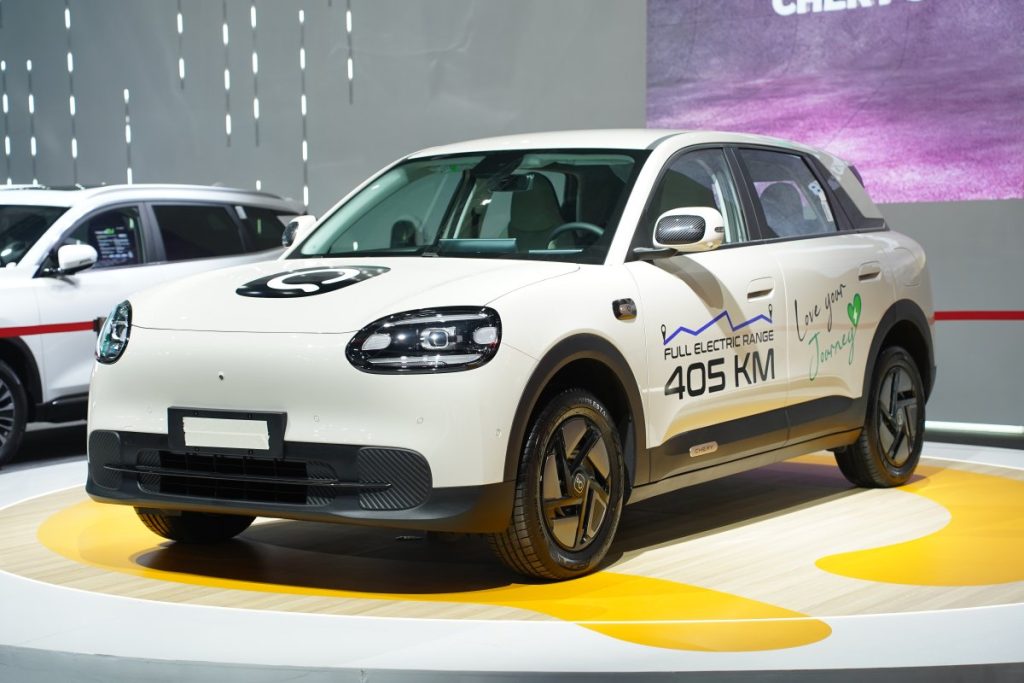
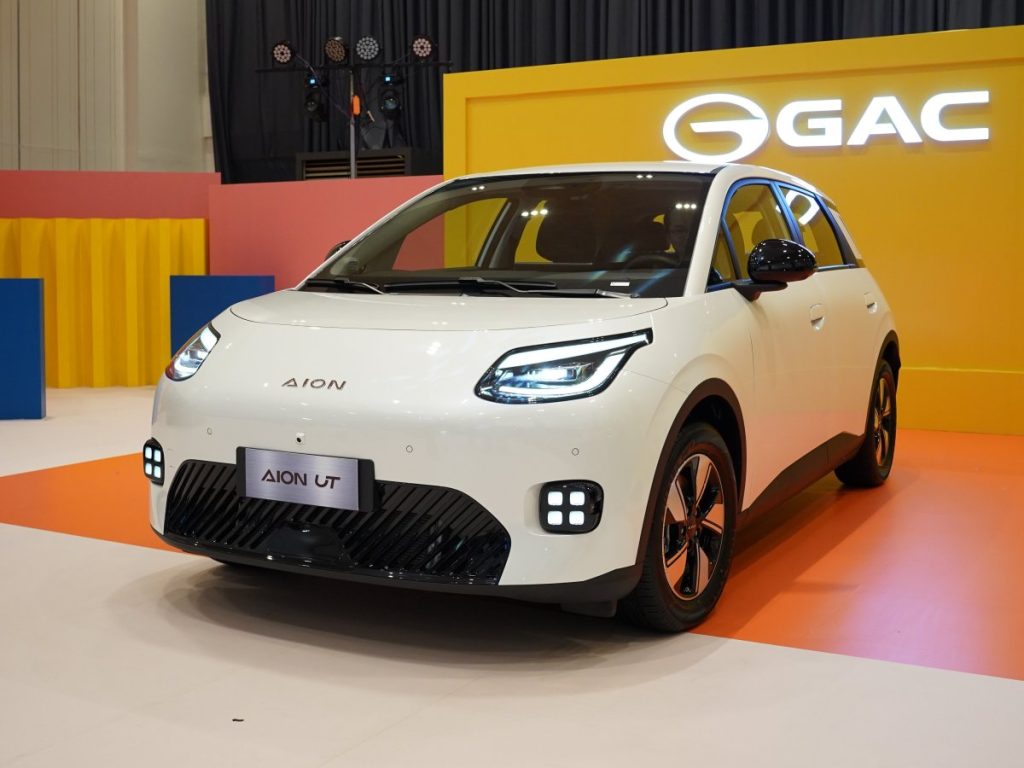
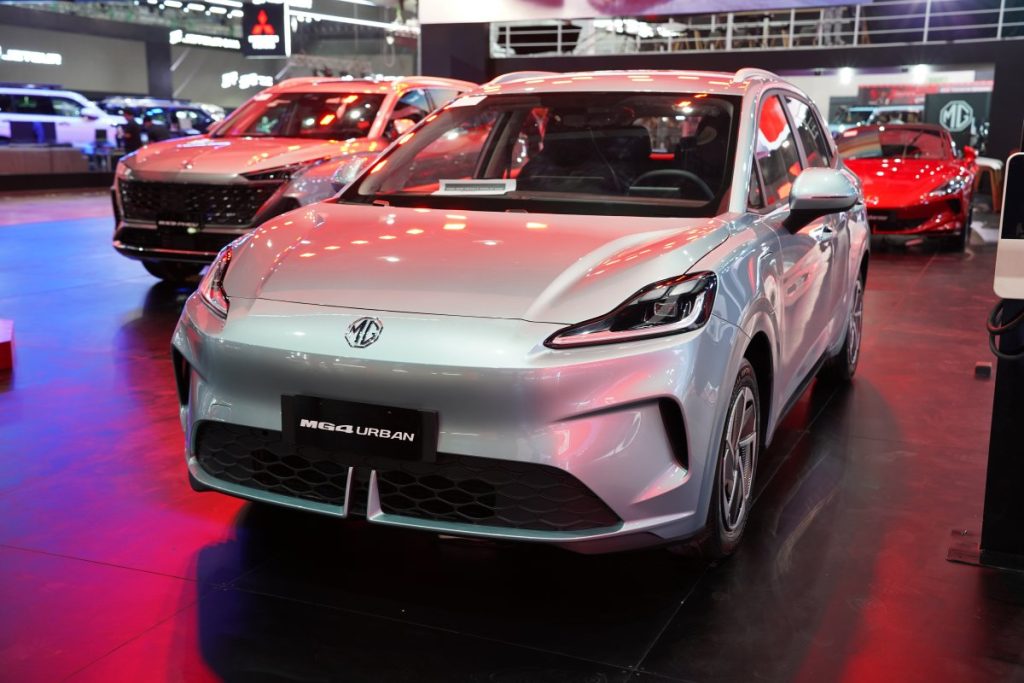
Recently, GAC unveiled their AION UT which is at PHP 1,068,000 (or PHP 998,000 introductory price) putting the BYD Seagull’s proposition to a real test. This was followed by 2 new cars that debuted at the 10th Philippine International Motor Show – the Chery QEV at PHP 1,120,000 and MG4 Urban EV at PHP 1,198,888.
You might be curious why hatchbacks and not sedans are coming into the EV scene now, especially at the attainable price point. It all goes back to how the 5-door is a better fit for any EV platform.
Battery packs of EVs are usually stored under the floor. That means having a taller floor height, and so your knees would be higher up especially at the rear. Some EVs put the battery only up to under the front seats so that front occupants can still have a decent sitting position. Meanwhile, the rear passengers would have their knees higher up.
To offset this, you would need to raise your seat height. If you do that, you’ll need a taller ceiling for your car to accommodate headroom, which will make a sedan less aerodynamic. This would be reminiscent of box type cars in the 80s. In a hatchback, you can simply have that taller ceiling since it doesn’t taper off to a trunk and instead, falls off at the tailgate.
It also gives you 2 benefits. First is a more versatile cargo area that can accommodate taller things. Second is a bigger space in the main cabin since the engineers won’t have to think about a trunk.
This is why hatchbacks are a hit in other markets. China has the Geely EX2, Wuling Hongguang mini EV, and the Tesla Model 3 as their top sellers. Europe – a hatchback region – has the Renault A290, Skoda Elroq, and the Volkswagen ID.3 on top. It’s only in the Philippines where hatchbacks were relegated to being entry-level cars and family cars were mainly sedans, before jumping to a choice between an MPV like the Mitsubishi Xpander, compact crossover like the BYD Sealion 6, or SUV like the Toyota Fortuner. Given that, the situation in the Philippines is more of a global trend arriving, rather than an innate change in consumer preference.
Are hatchbacks here to stay this time? I think so. Its now EV form could change the way Filipinos think about their car. It’s not a sedan vs hatchback anymore (given the lack of attainable EV sedans) but more of what has the most range in a certain price point. Take the AION UT’s 400 km, the Chery QEV’s 420 km, and the MG4 Urban’s 325 km. Combine this with their price and size and these new breed of 5-doors could really be enticing even to non-hatchback fans.