









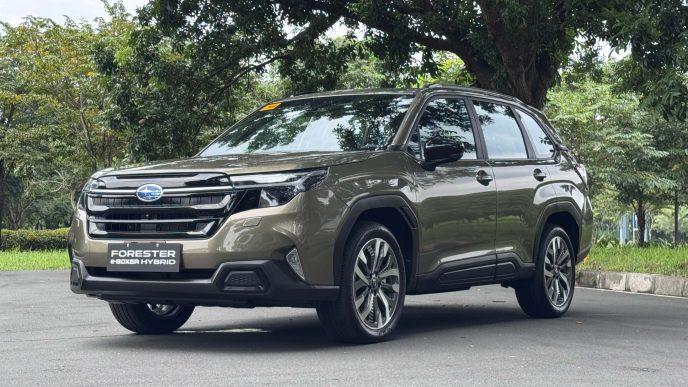
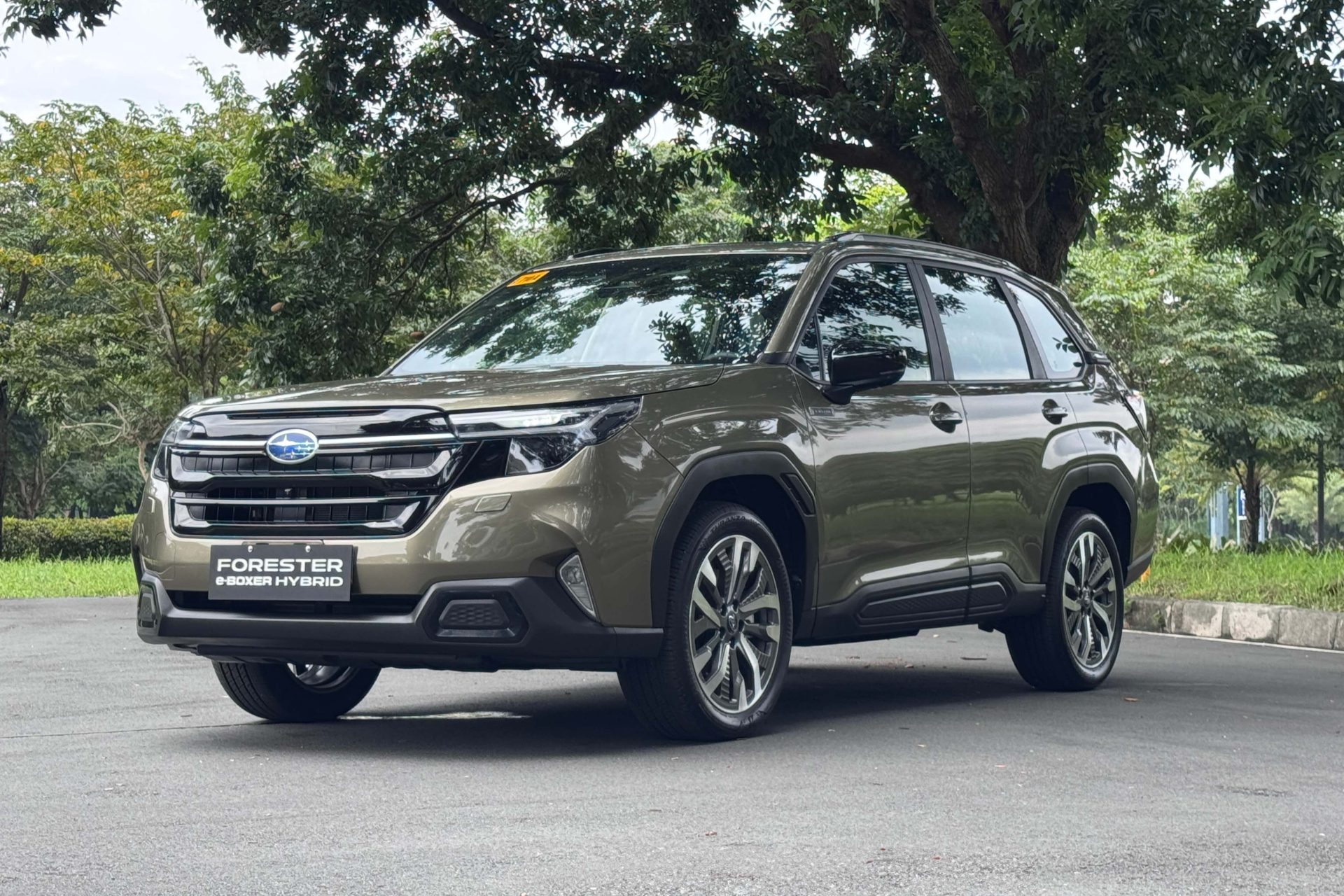
Jokes about Subaru’s fuel economy, or lack thereof, will be thing of the past thanks to the introduction of the e-Boxer Hybrid powertrain. Now standard in the all-new, sixth-generation Forester, it’s time we look at the technology in greater detail.
Contrary to popular belief, e-Boxer isn’t a new term per se. The first-generation e-Boxer was introduced in other global markets, including Motor Image (the exclusive distributor of Subaru)’s other markets such as Taiwan and Singapore in 2019. At the time, it was a mild-hybrid setup, meaning it offered pure electric driving but only during limited scenarios. And while it did improve the overall emissions of the trademark horizontally-opposed engine, it only provided a 10 percent improvement in fuel consumption; not much considering the added complexity and weight of the system.
This led to Subaru to go back to the drawing board. Soliciting the help of Toyota, the recognized leader in the hybrid space, it took them five years to develop the second-generation e-Boxer. Also known as the Strong Hybrid Electric Vehicle (SHEV) in Japan, this system, used by the all-new Forester, is far removed from its predecessor in both power delivery and efficiency.
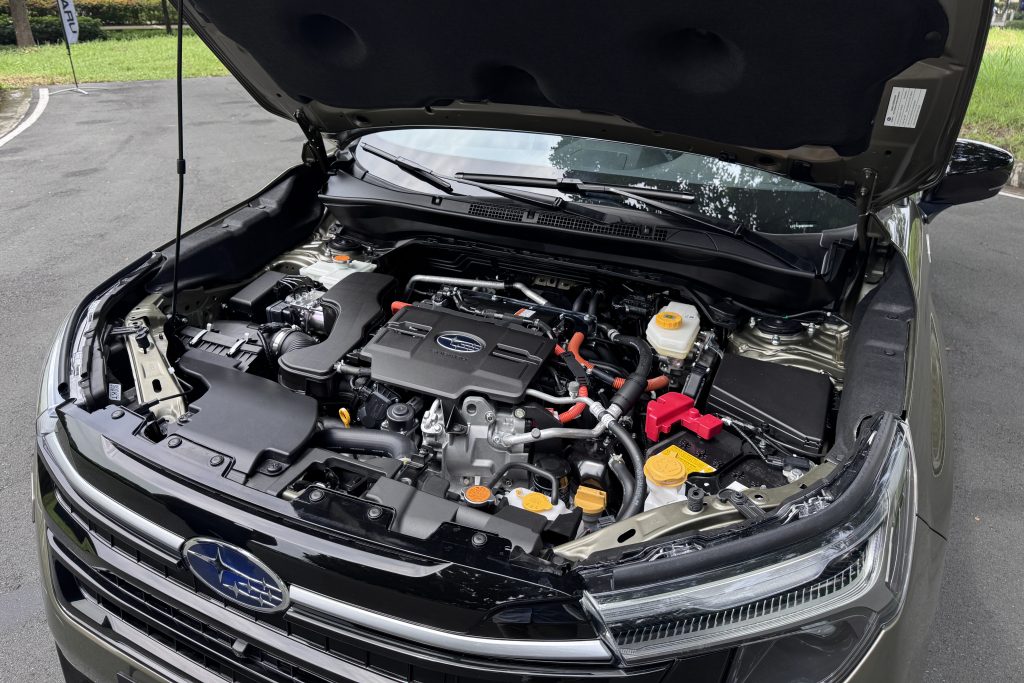
For starters, the e-Boxer Hybrid is now a series-parallel strong or full hybrid system. At its heart is a 2.5-liter horizontally-opposed 4-cylinder engine mated to two three-phase AC synchronous electric motors (one providing traction, the other a generator).
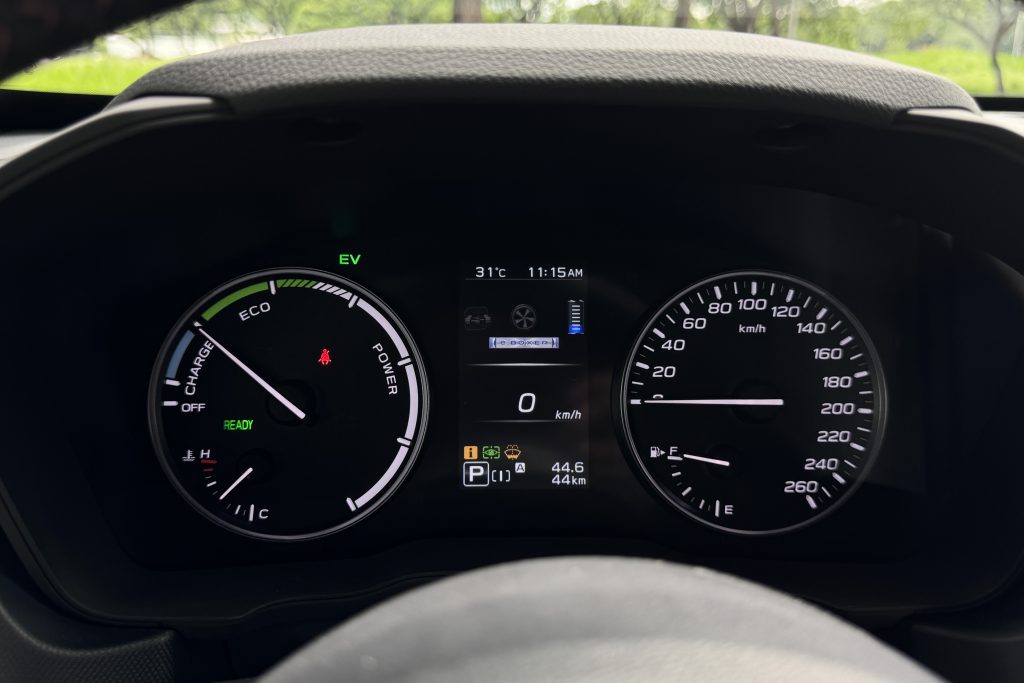
The FB25 engine, used also in the likes of the local market Outback, has been made to run on the lean Atkinson/Miller Cycle allowing it to generate 164 PS and 209 Nm on its own. The addition of the electric motors, meanwhile, provide an additional 120 PS and 270 Nm of torque. Together, the Forester e-Boxer Hybrid puts out 197 PS—the highest in terms of peak output since the discontinued turbocharged Forester XT.
The Lineartronic CVT itself has been updated, integrating both electric motors—the drive motor and power generation motor—as well as the front differential and electronically-controlled coupling. This compact design allows the e-Boxer Hybrid to maintain an optimal weight distribution while reducing overall energy losses.
The compact nature of the boxer engine as well as the gearbox also allowed Subaru to locate the power control unit on top of the engine, feeding power stored in the high-voltage 1.1-kWh lithium-ion battery. Overall, the second-generation e-Boxer helps boost the fuel economy by 40 percent, but the efficient packaging also allowed them to retain the Forester’s 63-liter fuel tank. This allows the Forester e-Boxer Hybrid to go up to 1,000 kilometers on a fuel tank.
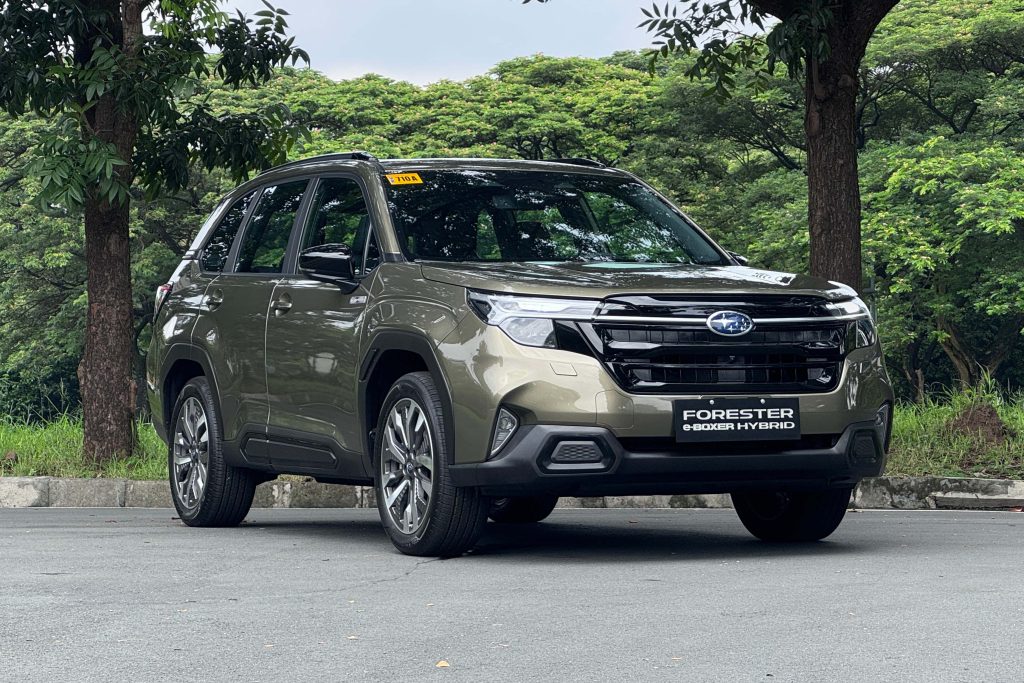
And despite the electrified powertrain, Subaru has kept its trademark Symmetrical All-Wheel Drive layout. With the engine, gearbox, fuel tank, and battery pack all placed along the Forester’s central axis, it gives it safe and secure handling. What’s more, the system itself keeps its front and rear ends mechanically coupled using a propeller shaft. This allows for sure-footedness across a variety of terrain, while offering Forester standard features such as Dual X-Mode, Hill Descent Control, and Active Torque Vectoring.


