



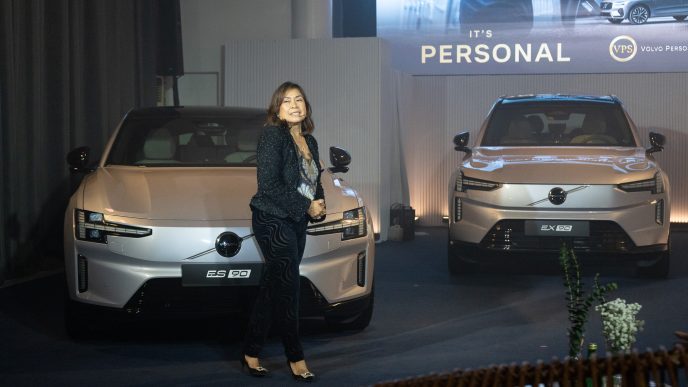
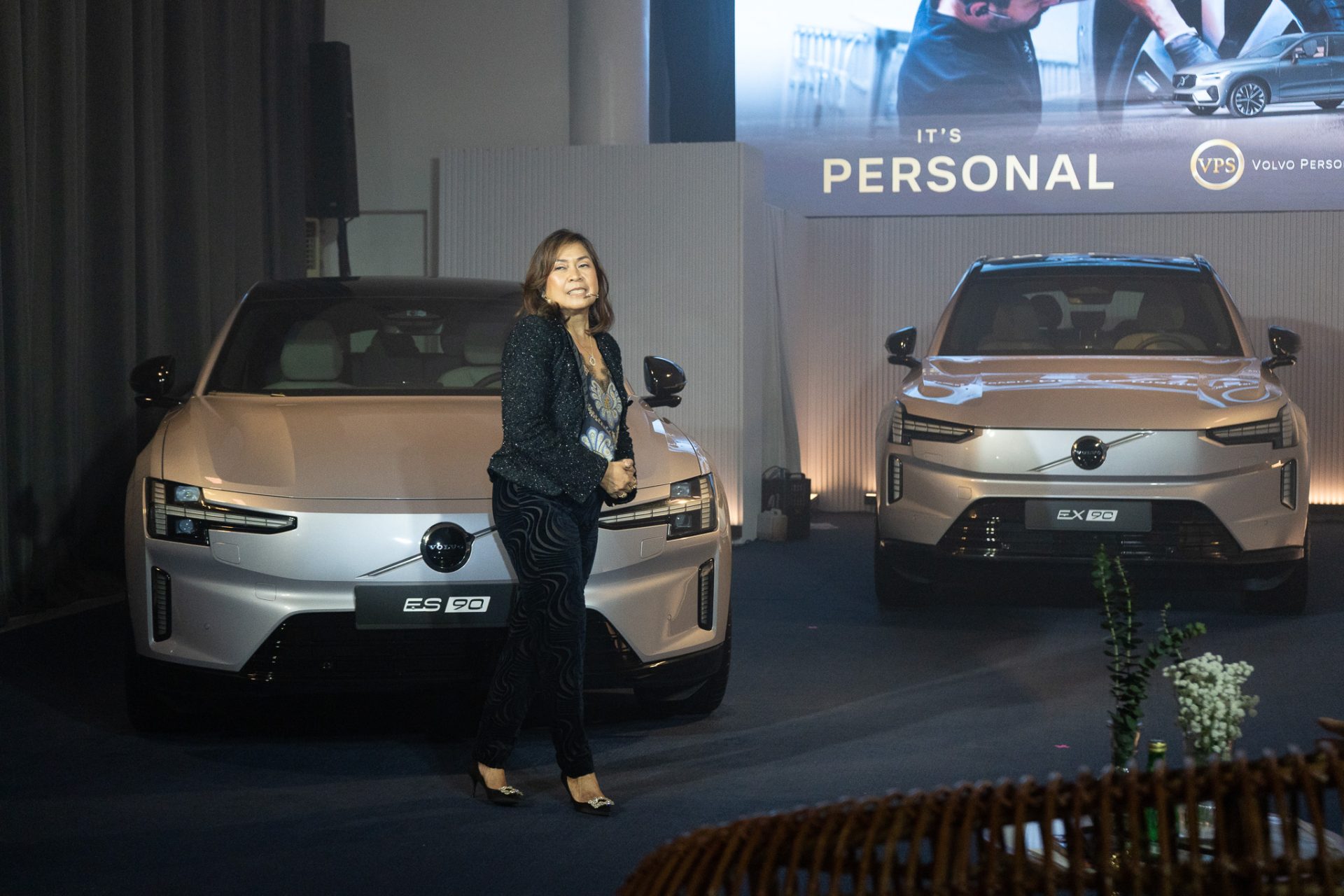
The ubiquity of electric vehicles is “inevitable,” insisted Hariphil Asia Resources, Inc. (HARI) Vice-Chairman, President, and CEO Maria Fe Perez-Agudo, who recently oversaw the launch of what the exclusive Volvo cars distributor calls “flagship models” in its twin battery electric vehicle (BEV) products: the Volvo ES90 and EX90.
“When you do your cost-benefit analysis, (a BEV) provides you with a very minimal cost of ownership,” she said in an exclusive interview with this writer after the unveiling at Volvo Cars Makati on Chino Roces Ave., Makati City. However, Perez-Agudo conceded, “That will take time,” referring to wider adoption of full-electric mobility.
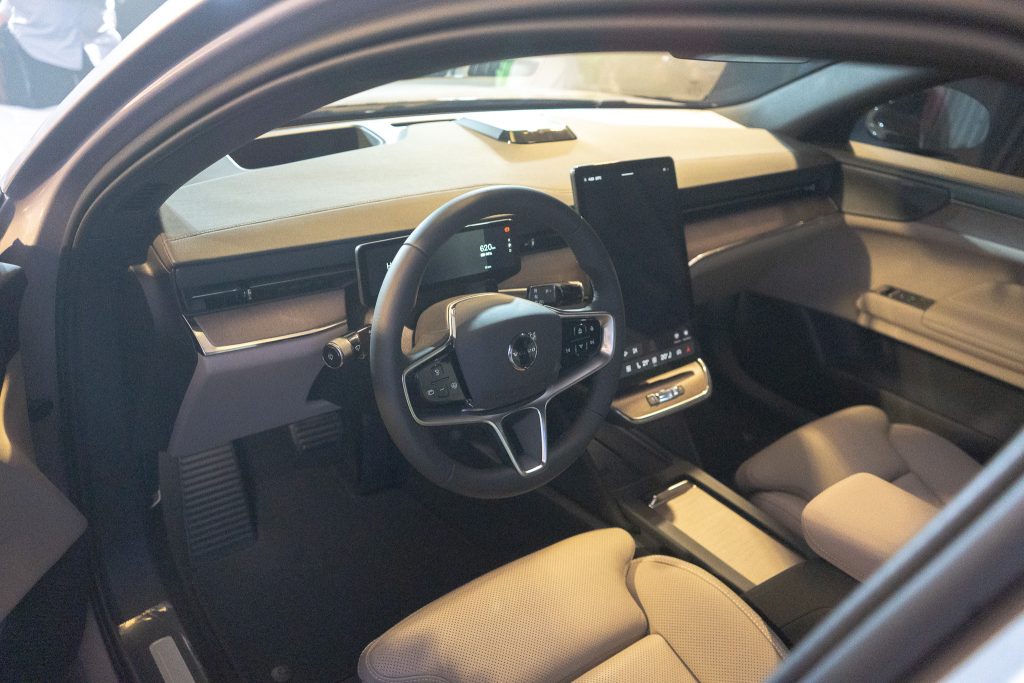
Still, Volvo in the Philippines is about providing choices to car buyers, she added. And the ES90 and EX90 represent the most current technologies of the brand known for its safety innovations. In a release, HARI said that both vehicles are “engineered with next-level advanced safety innovations, modernized digital features, and passenger comfort.”
The Volvo ES90 Ultra BEV (P5.265 million) is an executive electric sedan said to exude “quiet authority, seamlessly blending the elegance of a classic sedan with the versatility of a fastback to deliver refined sophistication.” Engineered for efficiency as well as safety and convenience, the ES90 gets a low drag coefficient (0.25Cd), made possible by, among other design elements, a flat underchassis, flush door handles, and a closed-off front grille – the last integrating safety technology such as radar, ultrasonic sensors, and ADAS (advanced driver assistance systems) cameras. Additionally, an automatic spoiler shutter at the lower half of the fascia helps cool the high-voltage battery.
The sound-insulated cabin, according to HARI, is a Scandinavian living-room-inspired affair, with “natural light from its panoramic electrochromic roof, with power-adjustable, ventilated, heated front seats with massage function and rear reclinable and ventilated passenger seats delivering tailored comfort on every journey.” Interior space is maximized through a 3,102mm wheelbase.
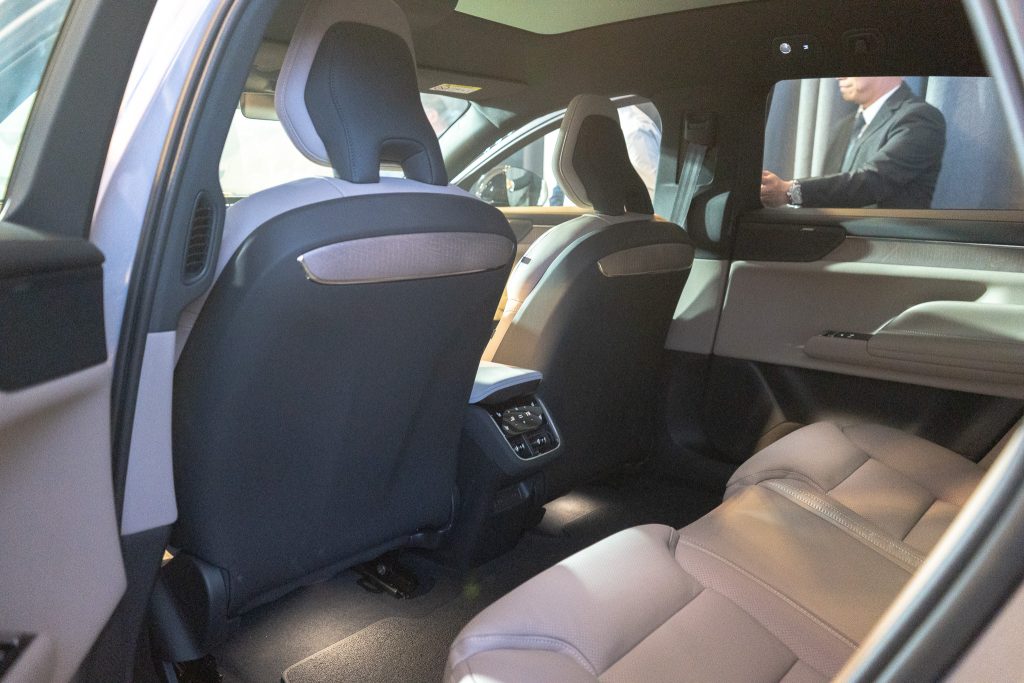
The Volvo ES90 Ultra BEV is the first sedan of the brand to feature 800-volt EV architecture. This enables faster DC charging, and enhanced thermal efficiency “ensures a reliable and efficient electric driving experience, while a WLTP range of up to 700km provides credible long-distance capability, making the ES90 Ultra BEV an ideal choice for executive travel.”
On the other hand, the EX90 (P5.99 million) is a World Car Awards-winning model positioned as “more than an EV counterpart” of the similarly platformed XC90. The BEV’s Driver Understanding System was named by Time Magazine as one of 2024’s Best Inventions. The three-row, seven-seat family SUV also banners the Scandinavian Living Room interior philosophy along with a flat floor, FSC-certified backlit wood décor, and “sustainable, high-quality materials.”
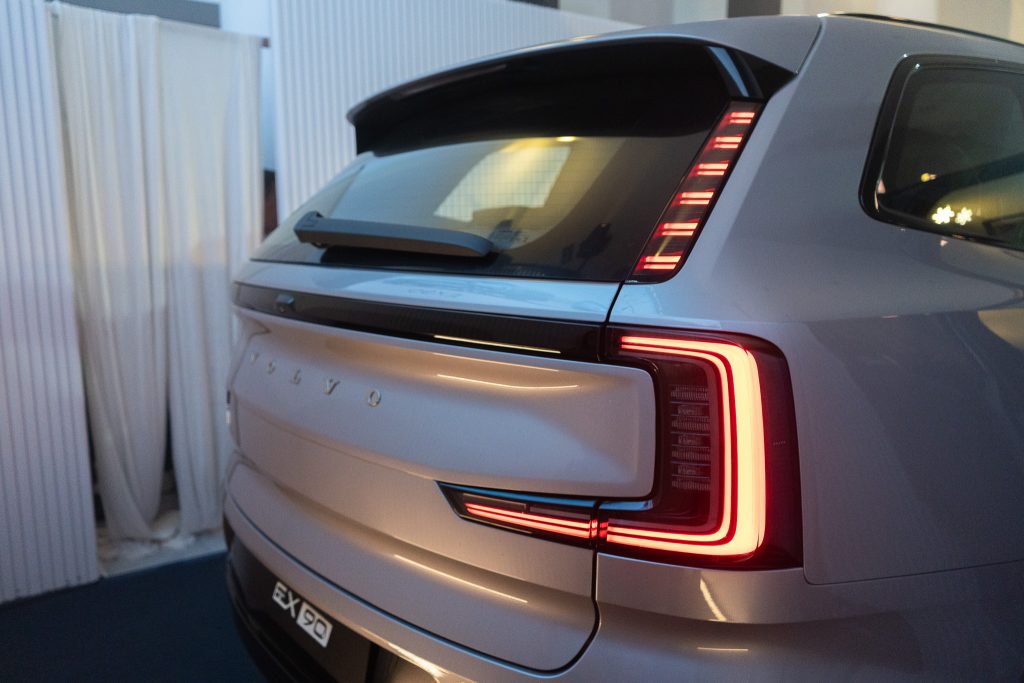
The EX90 receives individually adjustable first- and second-row seats, cinema-style seating, power-folding rear seats, and USB-C ports in all rows – in addition to advanced LED lighting that “mimics natural sunlight,” four-zone climate control, and PM2.5 air purification. Numerous, generous storage underscores enhanced utility as well.
Safety comes by way of seven cameras, five radar units, and 12 ultrasonic sensors for comprehensive awareness of the road, obstacles, and other vehicles. “At its core, Next-Generation Pilot Assist provides Lane Keeping, Adaptive Cruise Control, and Navigation Support, enhancing situational awareness, reducing driver stress, and ensuring a safer, smoother, and more confident driving experience,” said HARI.
The EX90’s twin-motor AWD drivetrain promises a range of 624km, courtesy of a 111kWh high-voltage battery, and supports ultra-fast DC recharge. At peak charging (at 350kW), it can enable 10% to 80% state of charge in about 22 minutes. A 300kW (456 hp) powertrain produces 770Nm, letting the vehicle sprint from a standstill to 100kph in 5.9 seconds, onto an electronically limited top speed of 180kph. It has a towing capacity of 2,200kg.
“There is a growing confidence when it comes to EV adoption,” continued Perez-Agudo to The STAR. “Whether we like it or not, the Philippines has to upgrade its infrastructure in order to also really become global. We cannot be left behind. We may be slow, but in time, we will be able to catch up. So I believe that electrification will happen.”
So, for now, HARI is taking the stance that consumers need to have a range of options in powertrains – from the traditional internal combustion engine (ICE), plug-in hybrids, to BEVs. “As I’ve said, it’s just a matter of time. Timing is key,” concluded the executive.