




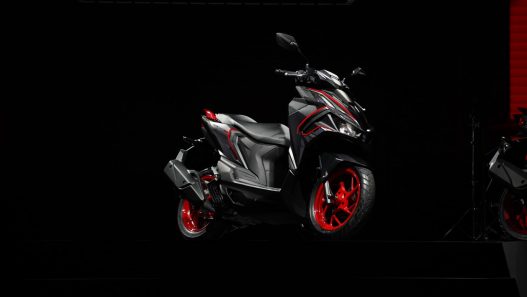
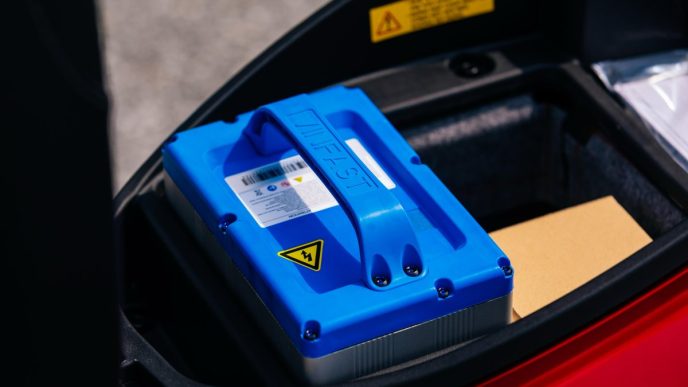
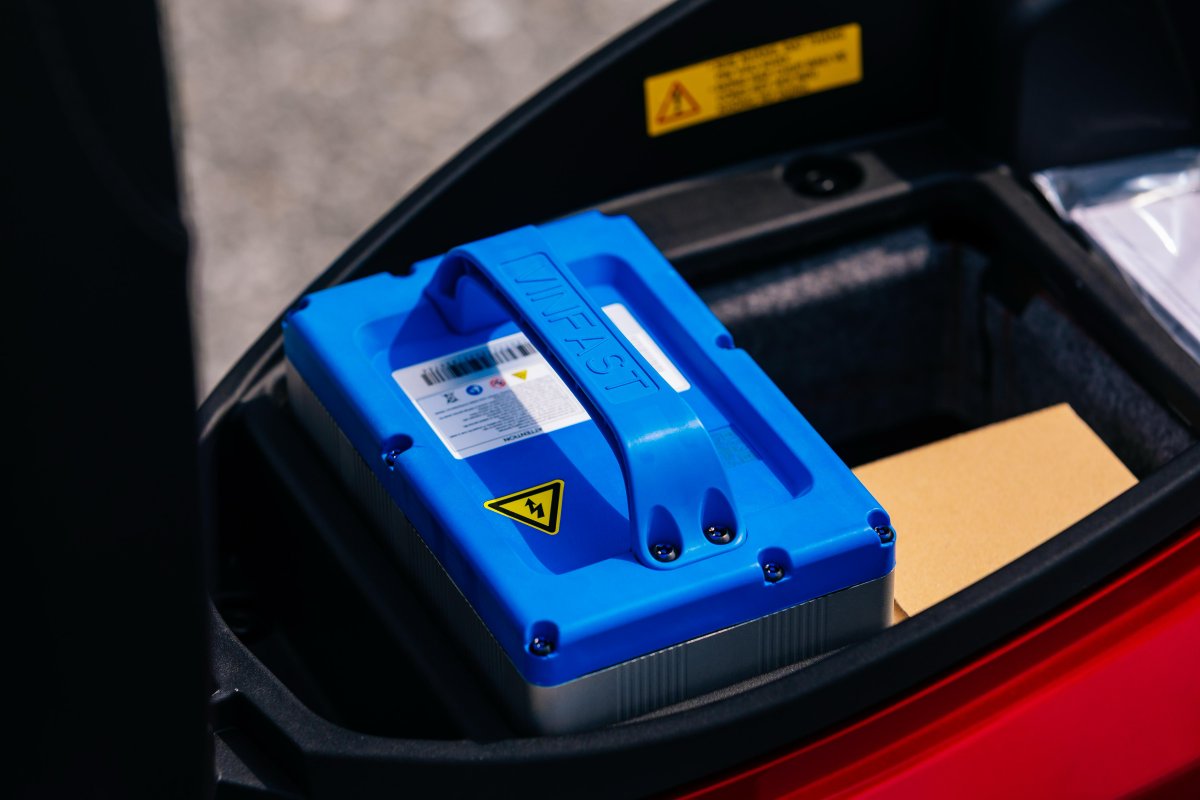
From home charging to battery swapping stations, here’s everything riders need and want to know about VinFast’s battery subscription and ownership options for the Evo, Feliz II, and Viper.
Buying an electric motorcycle is already a new experience for many Filipinos. Then along comes a phrase like “battery subscription,” and suddenly things can feel a bit confusing.
After all, most of us are used to buying a motorcycle, filling it with fuel, and riding off. The idea of subscribing to a battery instead of owning it right away isn’t something riders see every day.
That’s why VinFast’s new e-motorcycle lineup, which includes the Evo, Feliz II, and Viper, comes with a few questions. How does battery swapping work? Can you still charge at home? What happens if you buy the battery instead? And where do those swapping stations fit into the picture?
The good news is that the system is actually much simpler than it sounds. Unlike traditional ownership models, customers can choose whether to purchase the battery outright or subscribe to a battery service that gives them access to VinFast’s battery-swapping network. Riders can also charge their batteries at home using standard household outlets.
Here’s a closer and simple FAQ that shows how the system works.
Q1: How does the battery subscription program for VinFast e-motorcycles work?
A: VinFast offers two ownership options.
Option 1: Battery Subscription
Customers purchase the e-motorcycle without buying the battery and instead pay a monthly battery subscription fee. This option gives riders access to VinFast’s fast-growing battery-swapping network while still allowing them to charge at home.
The regular subscription fee is PHP 439 per battery per month.
As an introductory offer, customers who sign up for the battery subscription program on or before July 31, 2026, will receive:
• Free battery subscription for one battery during the first 12 months
• Up to 20 free battery swaps per month during the promotional period
Option 2: Battery Ownership
Customers may also purchase the battery outright. In this case, there are no monthly subscription fees, but battery swapping will not be available. The battery can be charged at home using compatible charging equipment.
Q2: Where can riders charge these e-motorcycles? How is the battery charged? Can it be charged using a regular household outlet?
A: VinFast’s e-motorcycle lineup is designed around a battery-swapping ecosystem, complemented by home charging capability.
Owners will be able to:
• Swap batteries at designated VinFast battery-swapping stations
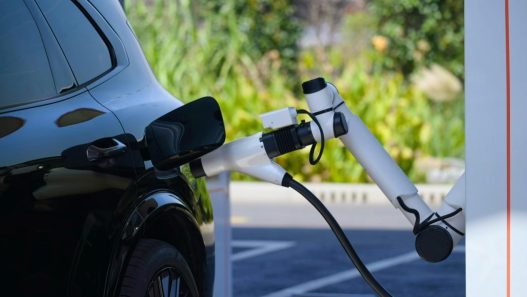
• Charge batteries at home through standard residential electrical outlets using the official 400W charger that comes with the e-motorcycle. A 1,000W fast charger is also available as an after-sales option.
According to V-Green, VinFast’s global charging partner, the company plans to deploy approximately 30,000 battery-swapping stations nationwide. The initial rollout is expected to begin through VinFast dealer locations before expanding further.
Q3: If I own the battery, can I still use battery-swapping stations?
A: Battery swapping is exclusively available to customers enrolled in the battery subscription program. Here is a simple comparison table:
| Ownership Option | Home Charging Capability | Access to Battery-Swapping Stations | Other Fee(s) |
| Battery Subscription (1 or 2 Batteries) | Yes | Yes | Monthly subscription fee |
| Battery Ownership (1 or 2 Batteries) | Yes | No | None |
Q4: How long does a full home charge take? Are batteries interchangeable across all models?
A: Home charging typically takes:
• Approximately 3 to 4 hours for one battery
• Approximately 6 to 8 hours for two batteries
VinFast says the batteries are interchangeable across the Evo, Feliz II, and Viper lineup. The batteries can also be removed from the vehicle to be charged separately from the vehicle.
Q5: Are VinFast e-motorcycles road legal in the Philippines?
A: Yes. VinFast’s e-motorcycles are intended to be road-legal vehicles and are expected to undergo standard Land Transportation Office (LTO) registration procedures before operating on public roads.
As with conventional motorcycles, riders must comply with:
• LTO registration requirements
• A valid driver’s license with the appropriate restriction code
• Helmet and road safety regulations
Q6: Can these e-motorcycles handle steep roads or mountain routes with two passengers?
A: Yes. The Evo, Feliz II, and Viper are designed as full-fledged electric motorcycles rather than low-power electric bicycles.
Actual hill-climbing performance depends on several factors, including:
• Vehicle model
• Combined rider and passenger weight
• Road gradient
• Battery charge level
• Weather and road conditions
Q7: Are financing options available?
A: Yes. Financing packages are available through authorized VinFast dealers.
Interested customers may visit their nearest dealership, where sales representatives can provide details on financing plans, requirements, and application procedures.
Q8: How can customers reserve one?
A: Reservations may be placed through:
• VinFast dealerships nationwide
• The official VinFast Philippines website
The Early Booking Program runs from June 10 to July 18, 2026, with a booking fee of PHP 3,000.