




The original Hyundai Kona was one of those vehicles that immediately stood out in traffic.
When it first arrived in the Philippines in 2018, its unconventional styling, sporty demeanor, and youthful character helped it carve out a loyal following in the highly competitive small crossover segment. It was already a good-looking and capable vehicle. The challenge for Hyundai, therefore, was how to improve on a winning formula.
After spending time behind the wheel of the all-new second-generation Kona (which is now a Hybrid with a starting price of P1,528,000 for the GLS), the answer becomes clear: Hyundai made it more upmarket, more stylish, and more refined—without losing the fun-to-drive personality that made the original a huge success.
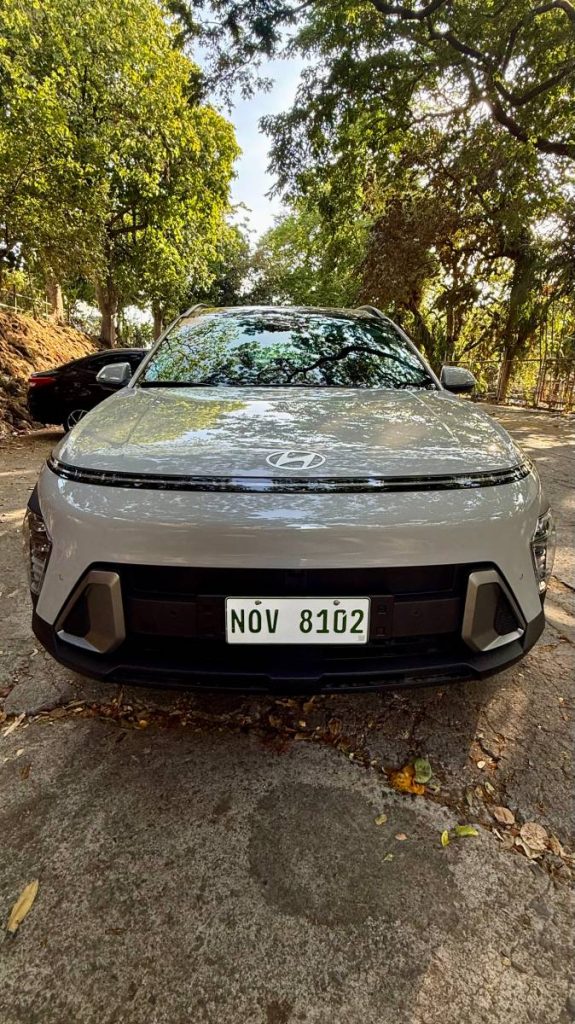
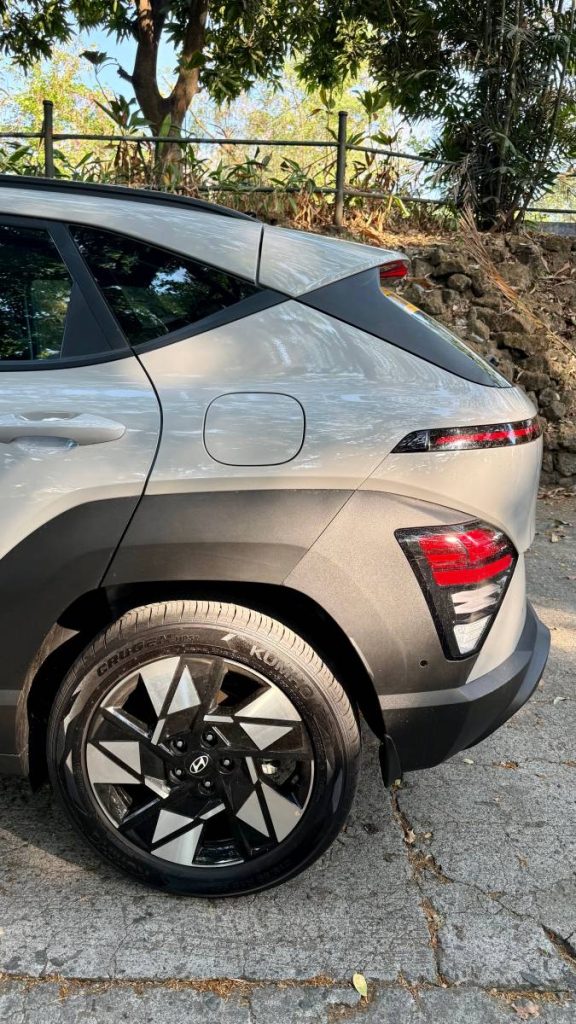
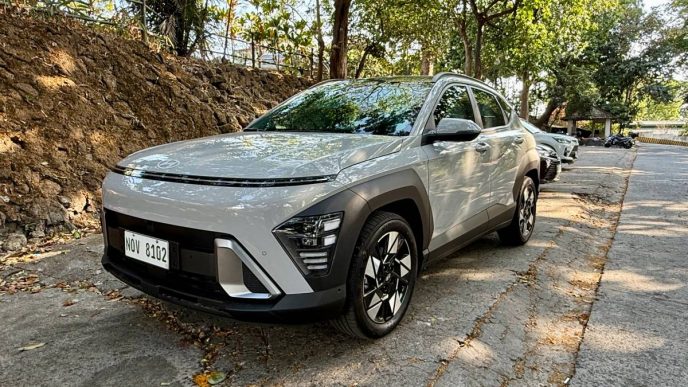
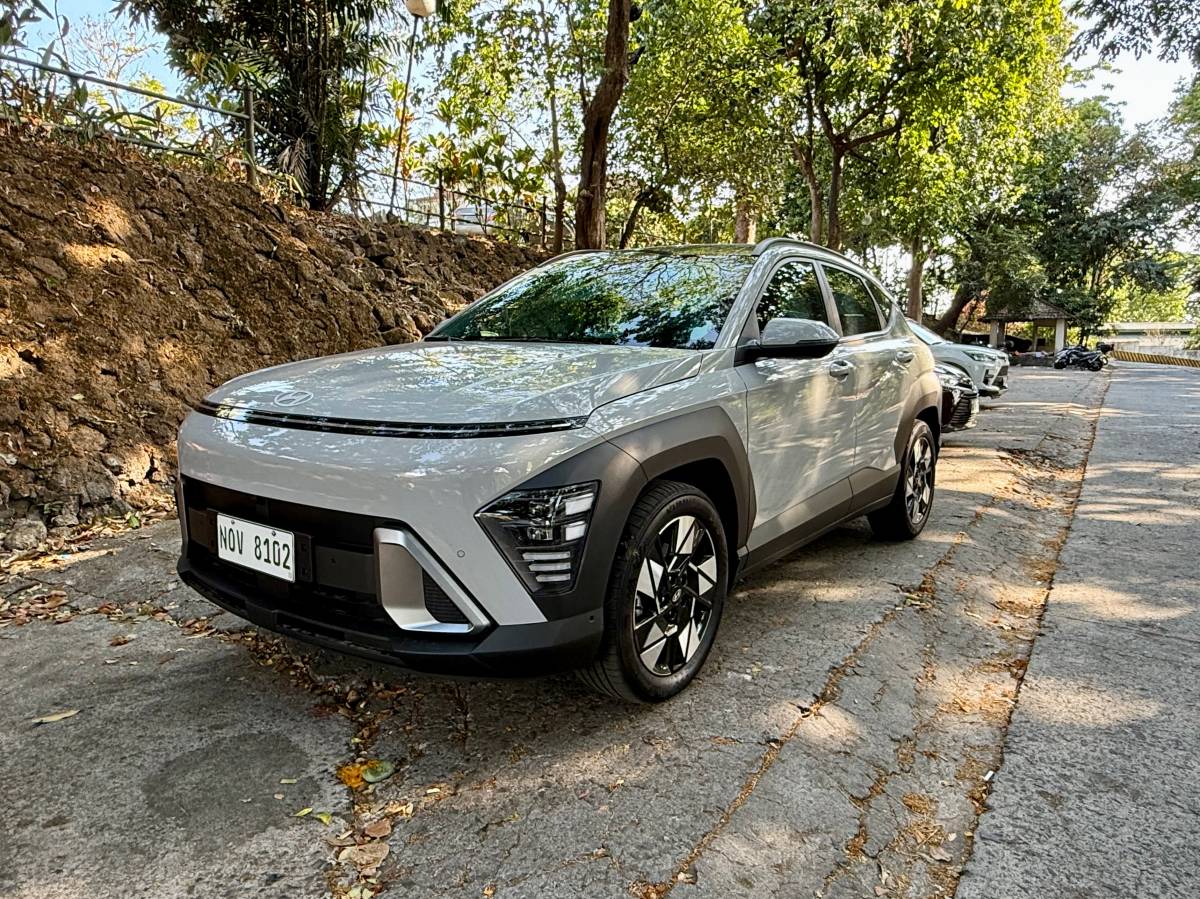
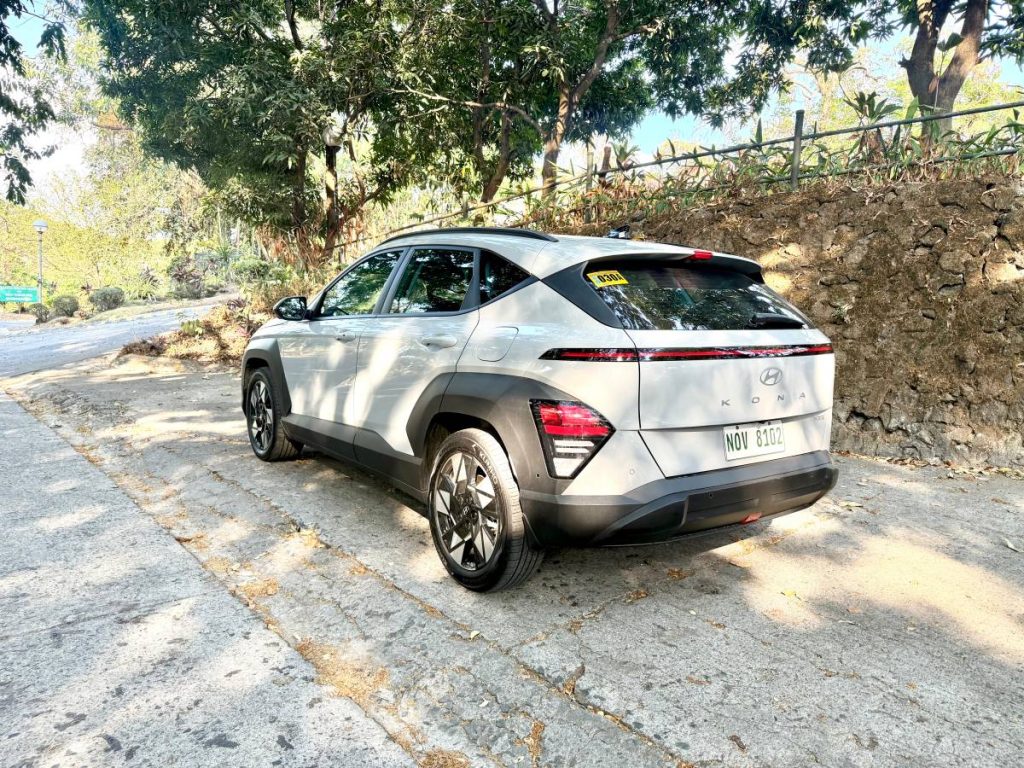
The first thing you notice is the dramatic new design. While the new Kona retains some familiar cues from its predecessor, including the slim daytime running lights and bumper-mounted headlamps, the overall execution is significantly more sophisticated. The seamless full-width light bar across the front gives the crossover a futuristic appearance, while the sharply sculpted bodywork, geometric lines, angular wheel arches, and larger proportions lend it a more premium presence on the road. It looks like it belongs in a class above traditional subcompact crossovers.
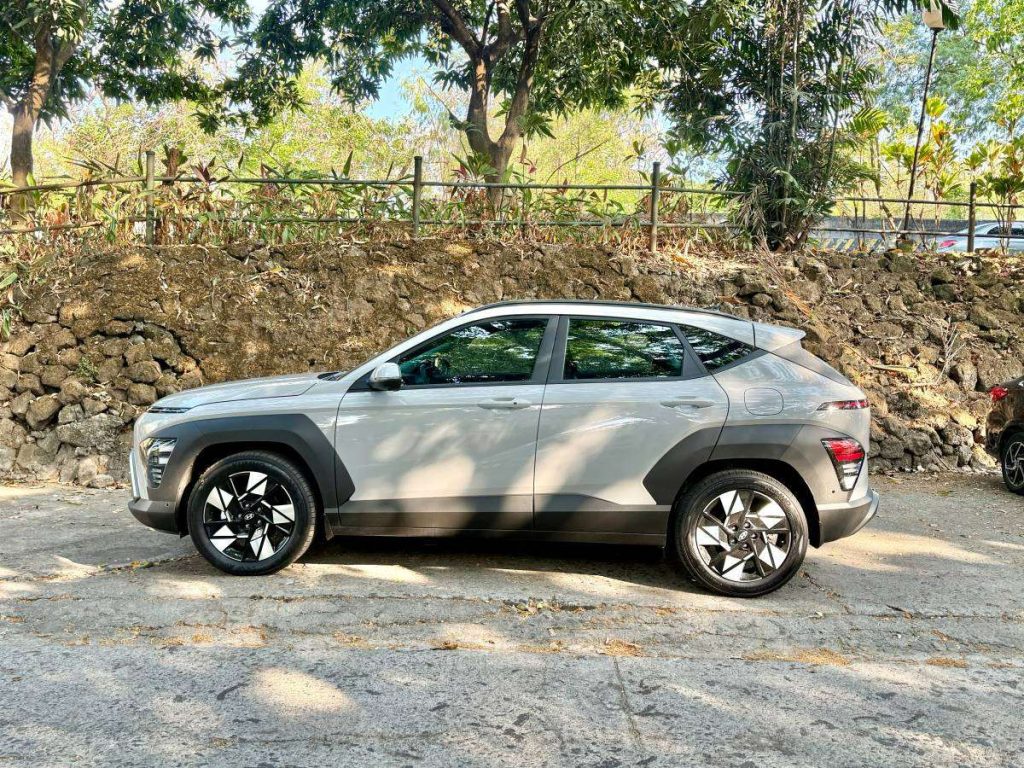
That one-class-higher observation is bolstered by the tale of the tape. The new Kona measures 4,350 mm long, 1,825 mm wide, and 1,585 mm high, riding on a 2,660 mm wheelbase. The increased dimensions translate into a more substantial road presence while also delivering meaningful gains in passenger and cargo space.
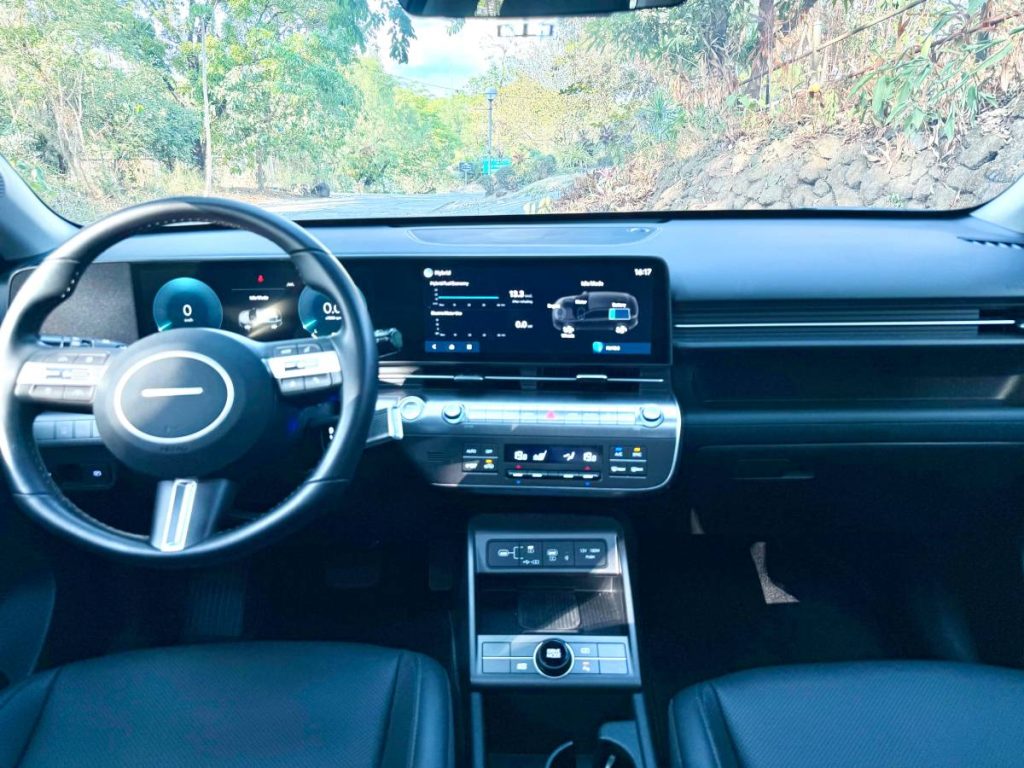
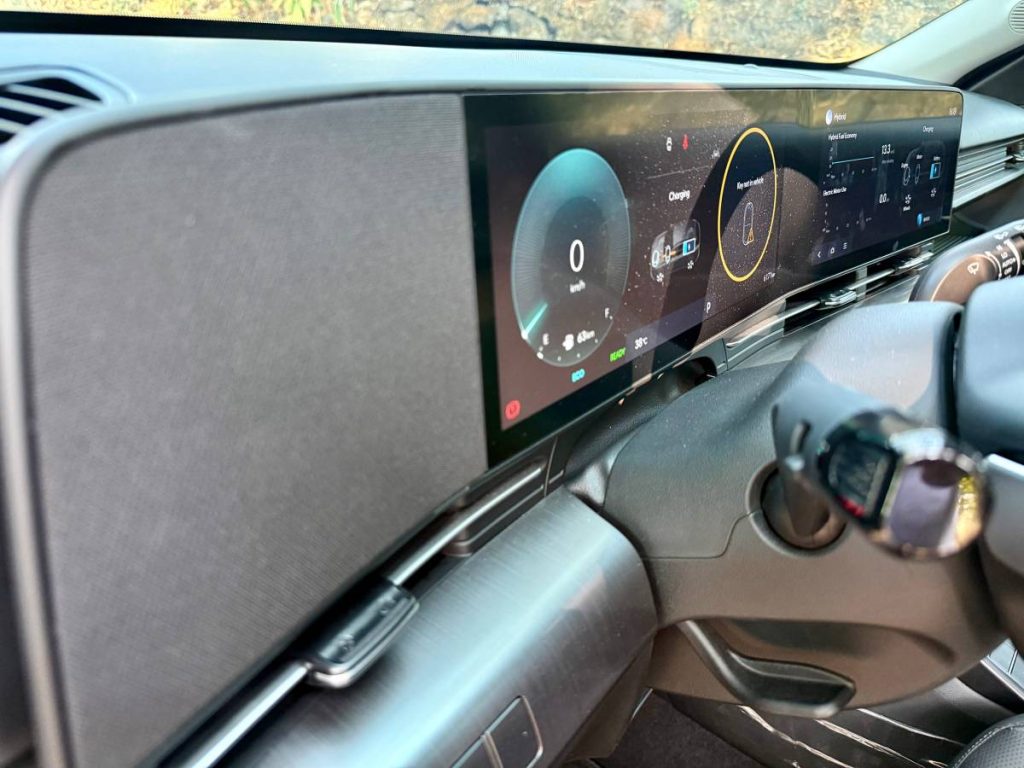
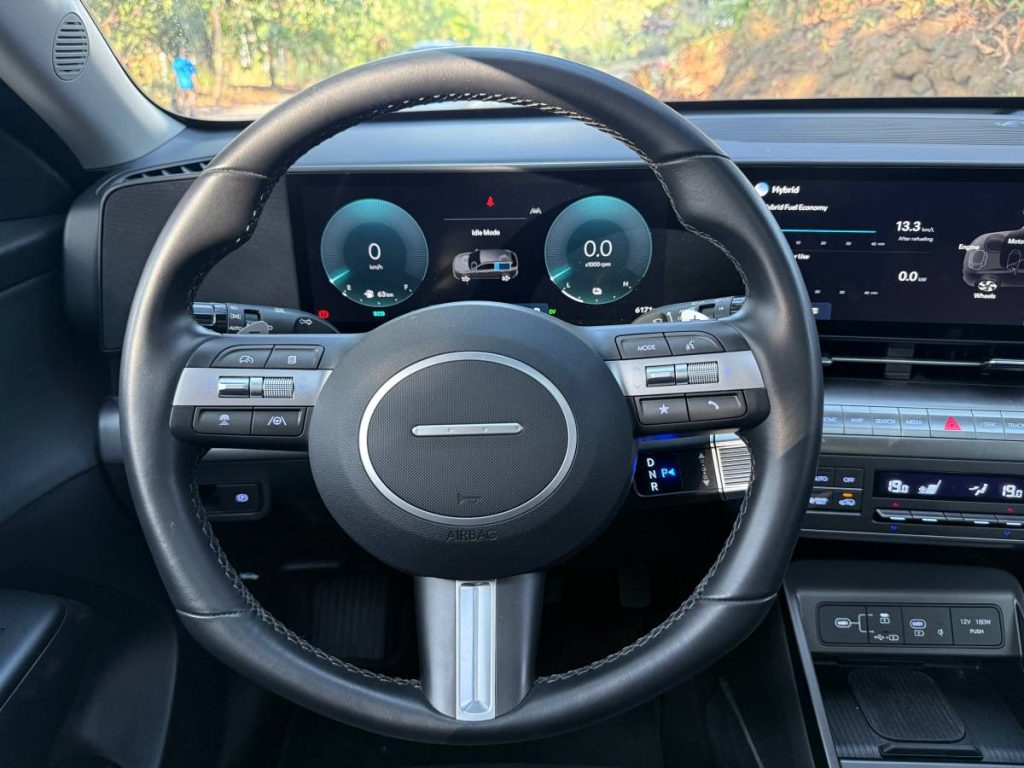
The growth spurt continues inside. Hyundai has transformed the cabin into a thoroughly modern space that feels more expensive than its price tag suggests. Dominating the dashboard is a pair of 12.3-inch displays that combine the instrument cluster and infotainment system into a sleek panoramic setup, mimicking the ones found in the larger and more expensive Hyundai models. The design is clean and driver-focused, with thoughtful ergonomics and excellent visibility.
Compared to the bestselling subcompact hybrid, the Toyota Corolla Cross, the Kona is more than half a foot shorter and is slightly lower, but shares the same width as the Toyota. Surprisingly, the Kona is noticeably more spacious inside, especially in rear legroom (thanks perhaps to better packaging and a slightly longer wheelbase), although the Corolla Cross has a slightly larger cargo area.
More importantly, the Kona’s cabin feels exceptionally well-built. Material quality has taken a noticeable step forward with its soft-touch surfaces and plush-feeling faux leather, solid and seamless panel fit, and the smooth, precise switches and buttons. Wireless Apple CarPlay and Android Auto, wireless charging, USB-C ports, an electronic shift-by-wire selector, power-adjustable driver’s seat, and a smart power tailgate make the Kona feel fully featured and thoroughly contemporary. The Php1,688,000 Premium variant further adds features such as a surround-view monitor, adaptive cruise control, lane-keep technologies, ambient lighting, rain-sensing wipers, and a sunroof.
On the road, refinement is perhaps the Kona’s biggest improvement over the first-gen model. The hybrid powertrain combines a 1.6-liter gasoline engine and an electric motor to produce 141ps and 144Nm of torque, delivered through a smooth-shifting six-speed dual-clutch transmission.
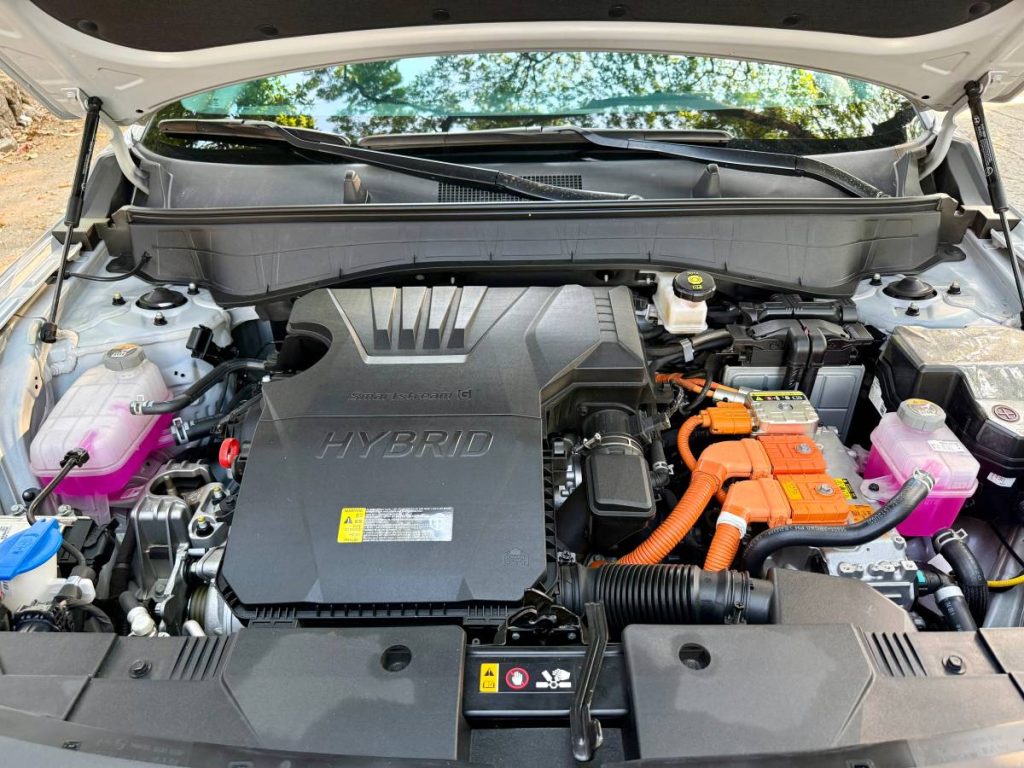
The result is a smooth and seamless drive whether navigating city traffic or cruising on the highway. Hyundai’s Smart Regenerative Braking and e-Motion Drive systems further enhance the electrified driving experience.
What impressed me most was the vehicle’s ride quality. The all-new Kona delivers a notably smoother and more composed ride than its predecessor. Road imperfections are absorbed with confidence, while cabin noise is kept impressively low. It feels mature and polished, qualities that make it particularly pleasant during long drives.
Yet Hyundai has wisely preserved the Kona’s playful side. Despite its newfound sophistication, the crossover remains genuinely enjoyable to drive. Steering response is direct, body control is well managed, and the chassis feels eager when tackling a series of bends. The hybrid system provides energetic acceleration from a standstill and responsive performance during overtaking maneuvers, giving the Kona a lively character that many buyers will appreciate.
This balance between comfort and agility is perhaps the new Kona’s greatest achievement. It is refined enough to satisfy buyers moving up from mainstream subcompact cars, yet engaging enough to remind drivers why the Kona became popular in the first place.
Safety technology is equally comprehensive. Hyundai SmartSense comes standard and includes adaptive cruise control with Stop & Go, Forward Collision Avoidance Assist, Lane Following Assist, Lane Keeping Assist, Blind Spot View Monitor, and Surround View Monitor. These systems not only enhance safety but also reduce driver fatigue during everyday commutes and long-distance travel.
Hyundai has successfully reinvented one of its most recognizable nameplates. The new Kona is more upmarket, more stylish, and significantly more refined than the model it replaces. Its smooth ride, premium-feeling interior, generous equipment list, and engaging driving dynamics make it one of the most compelling hybrid crossovers currently available in the Philippine market.