




There is something rather embarrassing about being an FIA-accredited journalist and admitting that, at 24, I had never been to a race weekend in my home country.
I have watched Formula 1, 2, 3, and E cars race through the streets of Monaco, followed the same cars across countries, and spent weekends interviewing drivers whose careers unfold at least 300 kilometers per hour. I have stood in garages, attended team briefings, and learned to recognize the particular rhythm of a race weekend in places where motorsport is practically a second language. Yet, until recently, I had never attended a race at home.
My first was at the Clark Festival of Speed, just a month ago, where I was invited by Marlon Stockinger. In the Philippines, his name is practically synonymous with speed. He is the farthest a Filipino driver has gone in motorsport, having competed on the international stage at a level less than a handful from the country have reached. Today, he is putting that experience to work closer to home, leading the local racing scene and helping build opportunities for the next generation of Filipino motorsport.
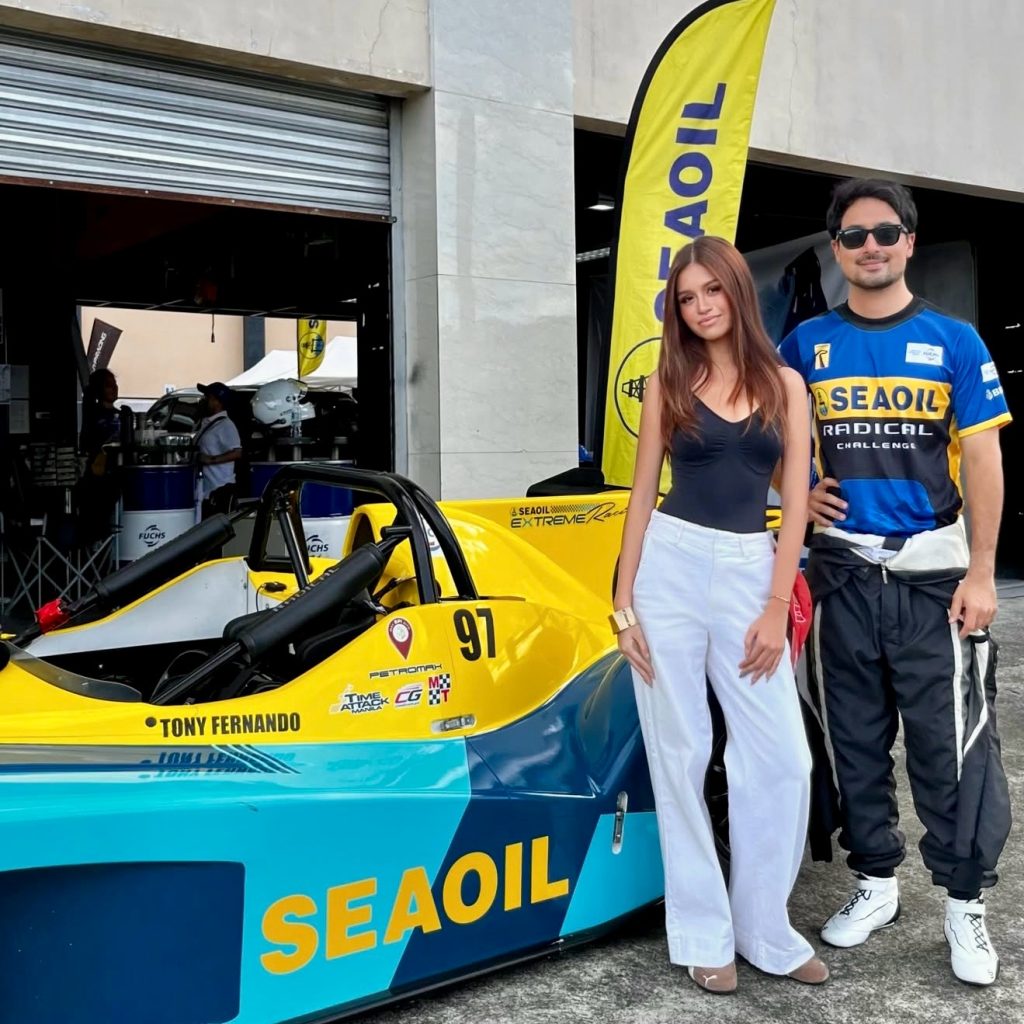
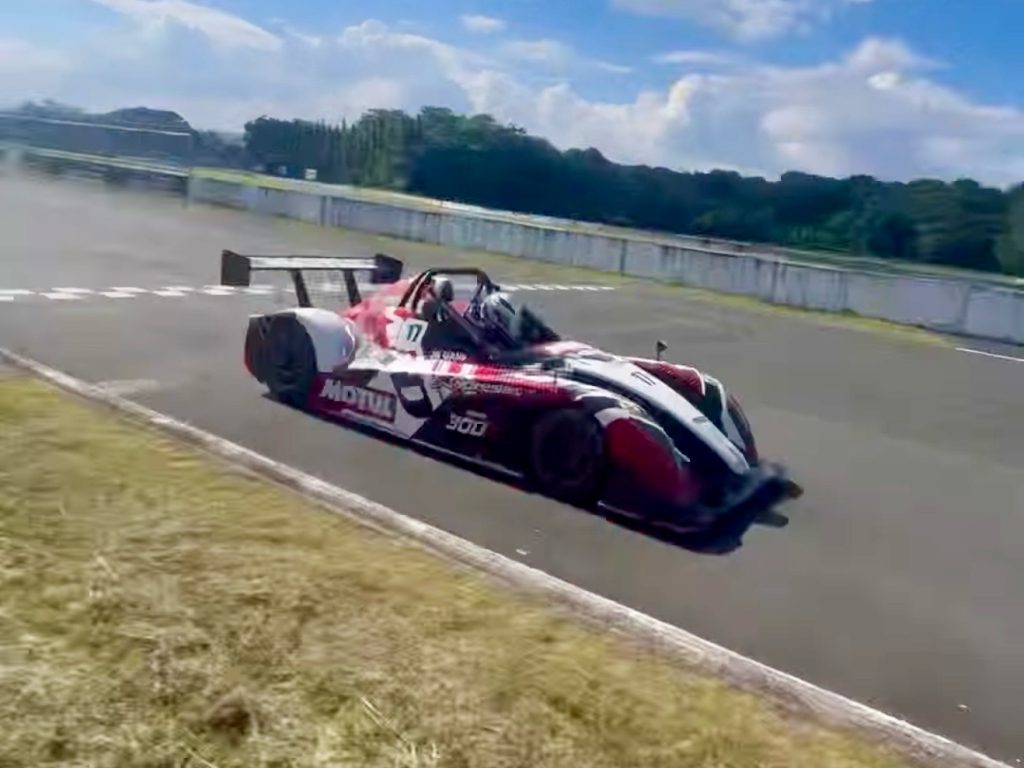
The weekend featured Radical Motorsport’s SR1 and SR3 cars, and, rather unexpectedly, became one of my top three race weekends of the year. I say unexpectedly not because I doubted the racing, but because I had arrived with the unconscious expectations of someone who had spent so much time looking outward. I knew what an international paddock looked like. I knew what serious racing sounded like. I had somehow convinced myself that the experience at home would be different. It wasn’t.
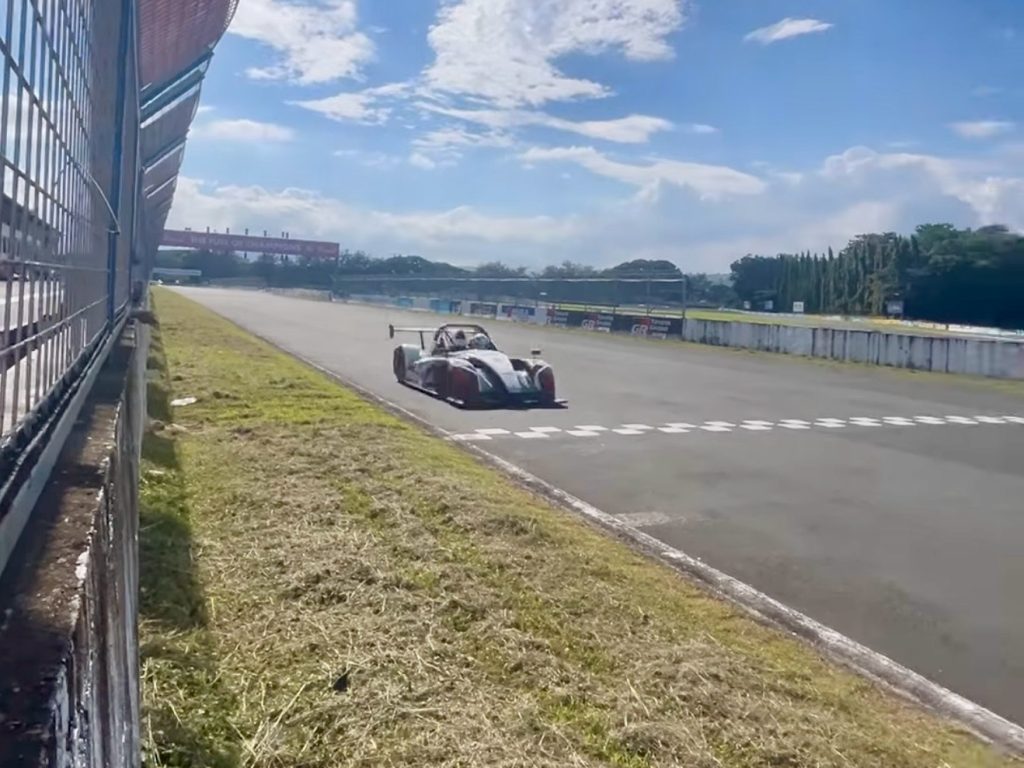
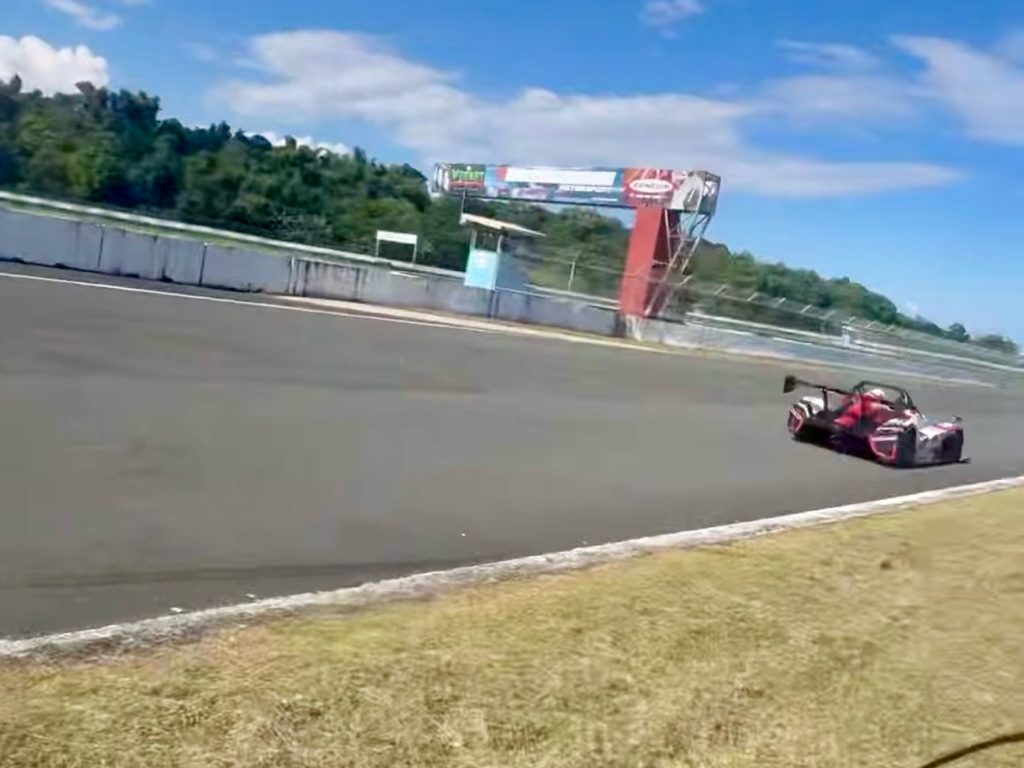
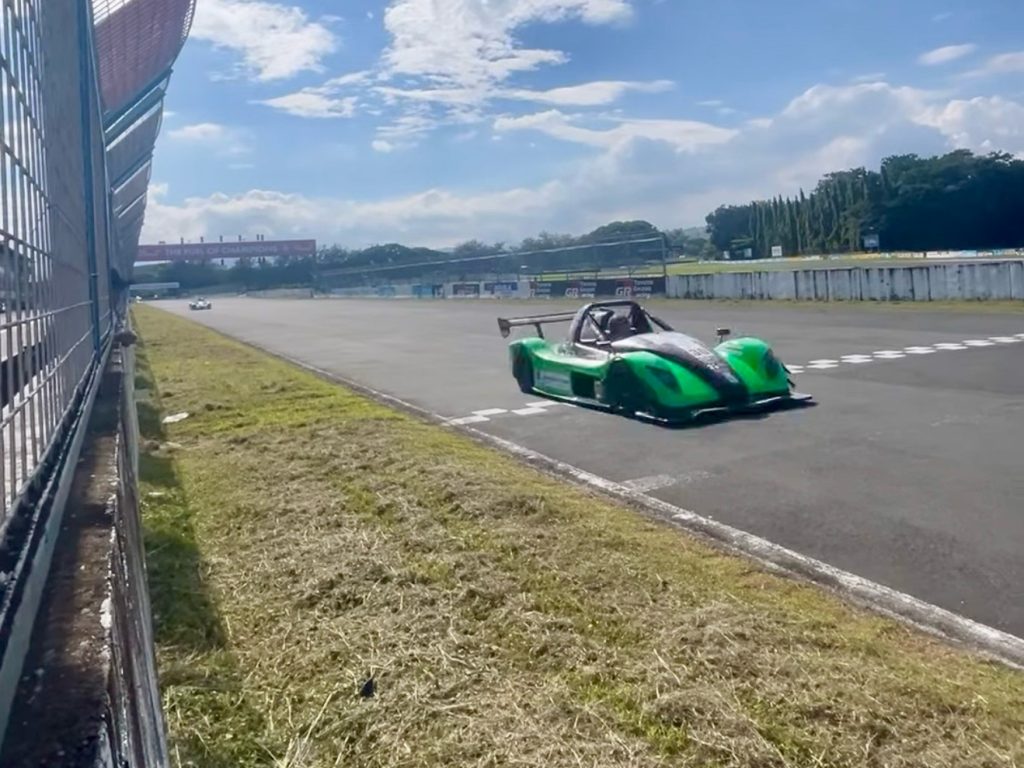
The drivers were animated in a way that made the racing impossible to ignore. The championship battle had all the ingredients of an international series: competitive personalities, genuine tension, and enough unpredictability to keep you interested between sessions. The current championship leader, JR Gan, was a rookie. Very few things are as entertaining as watching someone arrive in a championship and immediately become the person everyone else has to beat.
The cars were compelling, too. The SR1 and SR3 offered two distinct racing experiences, and the drivers made the most of them–both were extremely fast, with the SR3 being the faster of the two. There was none of the sense that this was merely a local approximation of something happening elsewhere. The competition was real, the stakes were real, and the people involved cared deeply about what they were doing. In no time, so did I.
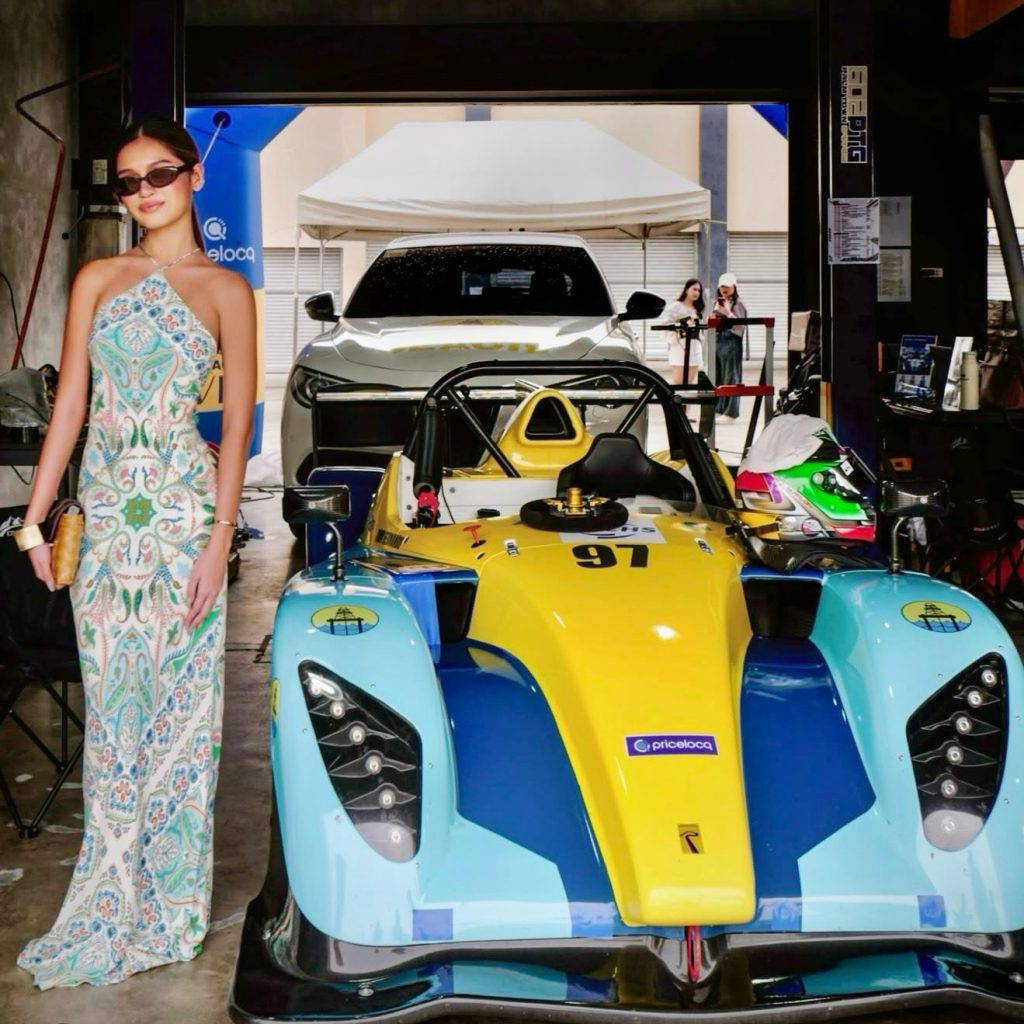
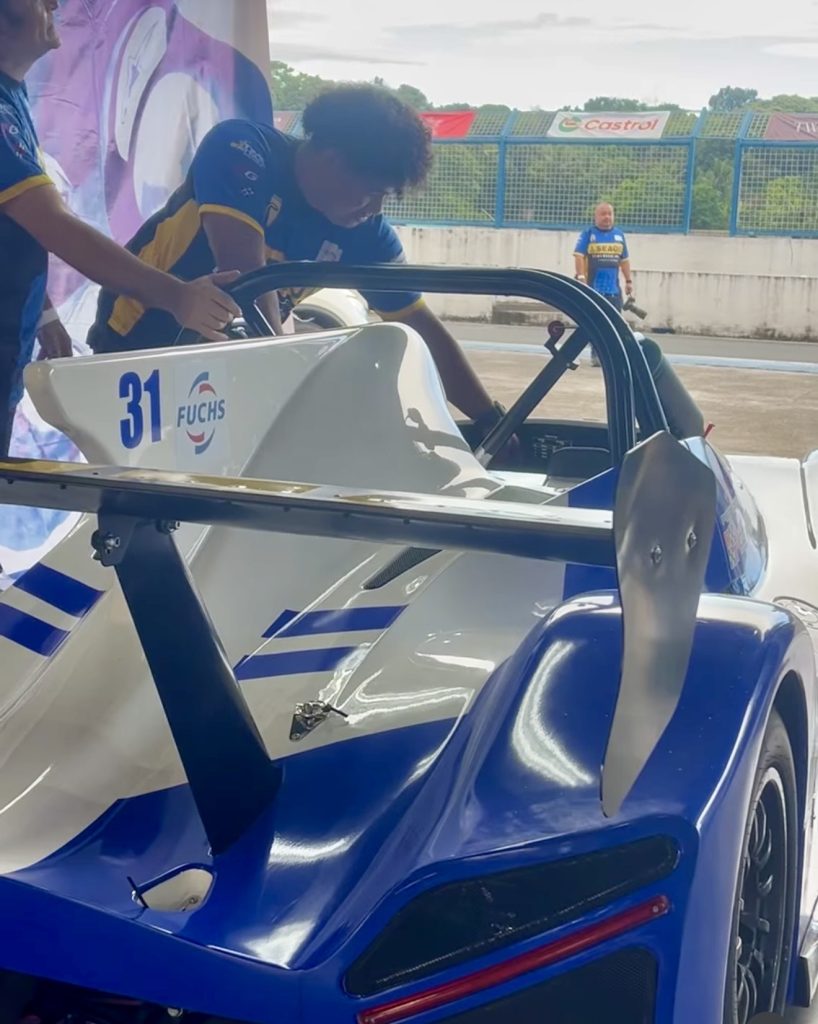
The engineers and mechanics were just as serious. They worked with the same concentration I had come to recognize in international pit walls and garages, and, in many cases, had experience in international racing series themselves. The familiar details were all there, and the language of motorsport, it turns out, does not change much between countries. What I hadn’t anticipated was how much it would tug at my heartstrings to hear that language spoken in the Philippines.
What struck me most was how accessible everyone was. Drivers, mechanics, and team personnel were willing to entertain questions, explain their work, and spend time with people who were curious. There were students asking about careers in racing, fans wanting to understand the cars, and people simply trying to figure out how they could become part of the sport. Nobody seemed particularly interested in guarding the paddock from them.
That is something Filipino motorsport fans are missing out on.
There is a tendency among the average Filipino Formula 1 fan to treat watching the Grand
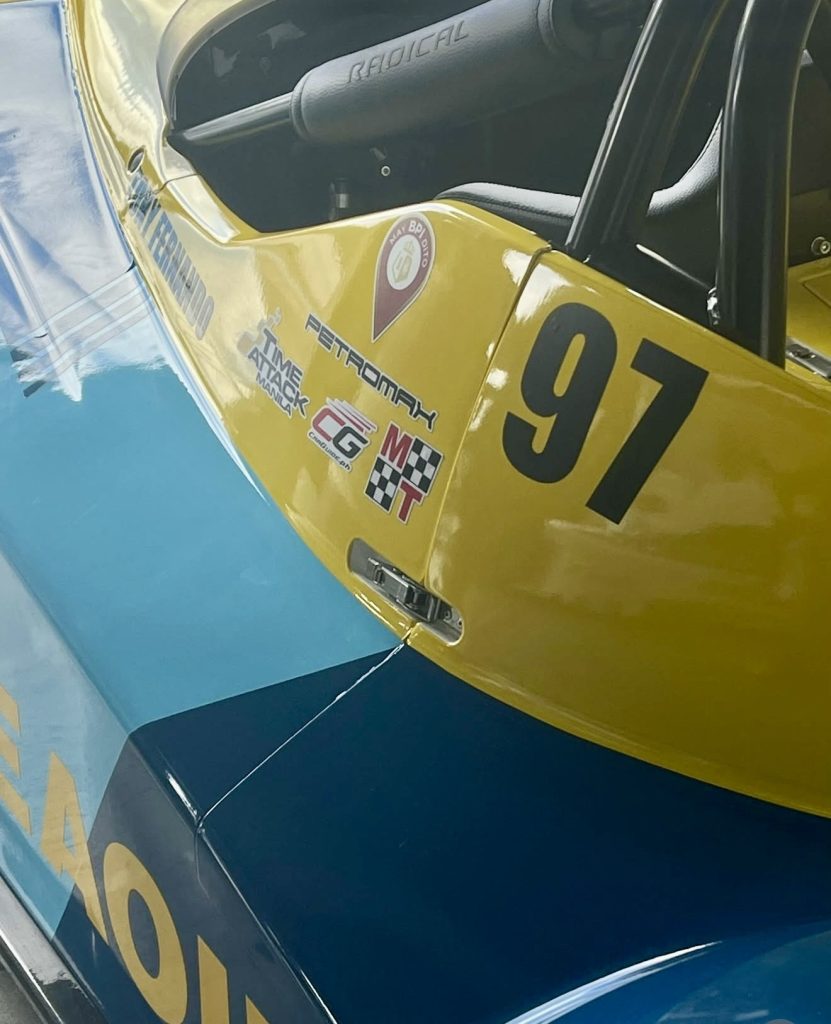
Prix as the beginning and end of their relationship with motorsport. Even following the feeder series can be uncommon, never mind exploring championships such as Formula E, the European Le Mans Series, or the World Endurance Championship. I understand the appeal of Formula 1. It is the pinnacle of the sport, with an enormous global audience and a production that makes every race feel like an event. But motorsport is much bigger than the championship most people happen to watch on Sundays.
And some of it is happening practically in our own backyard.
Local racing offers something that watching an international series on television cannot: the opportunity to get close enough to understand how the sport actually works. You can speak to the people building and preparing the cars, ask drivers about their decisions, and learn from coaches and engineers who are willing to share what they know. You can see that a career in motorsport does not have to begin and end behind the steering wheel.
I often hear people ask why the Philippines does not host more international racing events. It’s a reasonable question, but perhaps we should ask another one first: what kind of motorsport community are we building here to support them? You cannot expect to bring an international championship to Manila if there is not a sufficiently strong community supporting motorsport at home. International racing requires more than a venue and a government announcement. It needs an audience, infrastructure, local expertise, commercial investment, and people who understand why the sport deserves to exist beyond a weekend of entertainment. The closest many Filipinos will get to international motorsport is through experiencing the local scene first.
Stockinger understands this better than most. International motorsport opened its doors to him, but he has not left that door as he found it. During the weekend, I watched him move between fans, mechanics, drivers, and students with questions about how to enter the industry. His hospitality was unmatched, but what stayed with me was the consistency of his attention. He treated everyone with respect, regardless of their position in the paddock or how much they knew about racing.
There is something so noble about becoming the person you needed when you were younger. Stockinger is now helping create opportunities for Filipinos to enter motorsport through Radical, and not exclusively as drivers. The industry needs engineers, mechanics, technicians, administrators, communications professionals, and journalists. It needs people who can build a career around racing even if they never become the person climbing onto the podium. As someone who has spent years trying to establish herself in international motorsport, I find that particularly meaningful. Opportunities for people like me do not materialize simply because we are passionate. Someone has to make room for us.
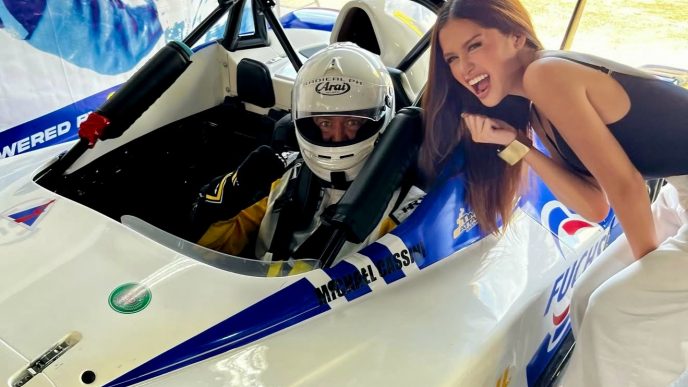
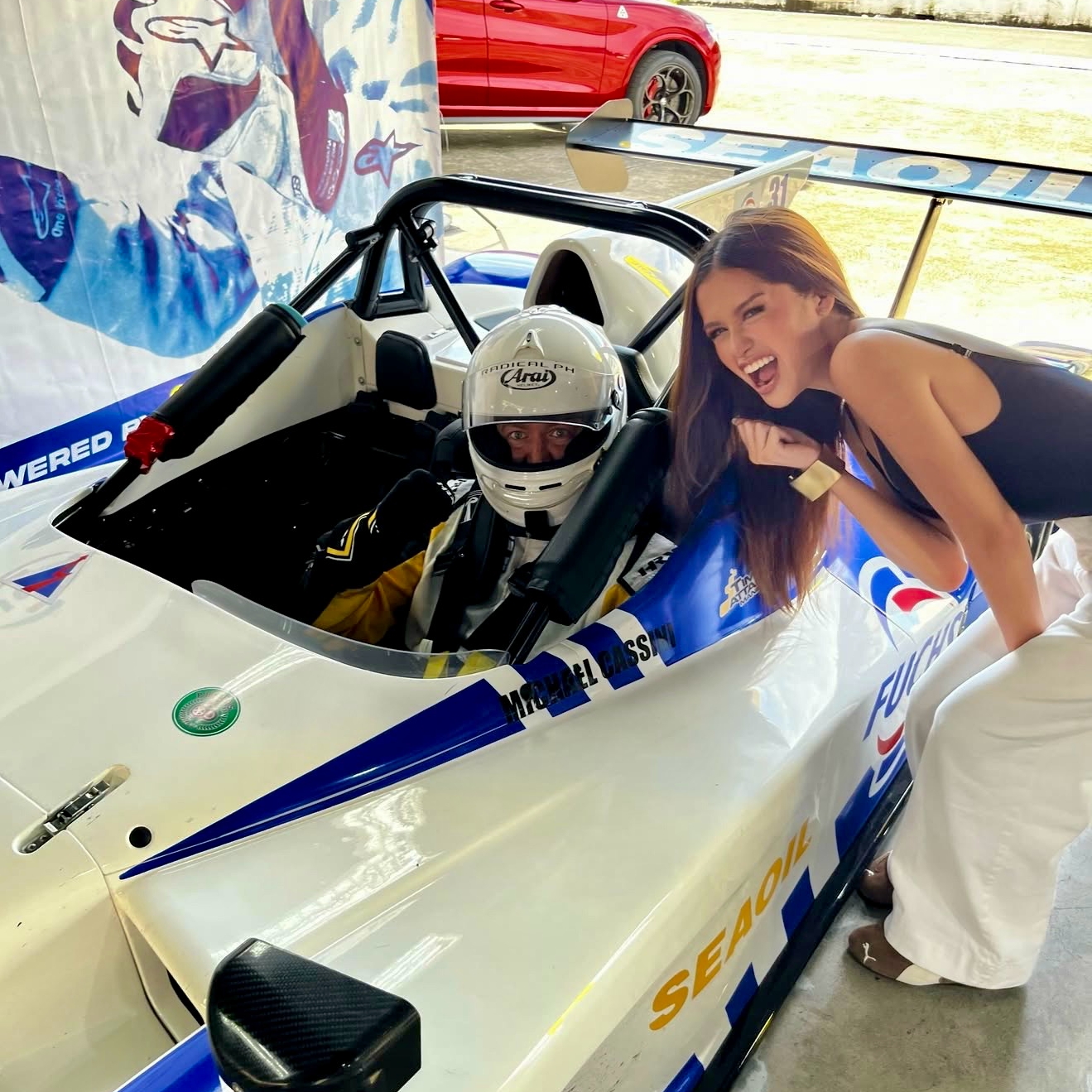
At Clark, I saw someone trying to do exactly that. At one point, Stockinger took me for a hot lap. I remember being so embarrassingly terrified before we set off. I had spent enough time around race cars to understand what they could do, which was perhaps precisely why I was nervous. He told me not to worry. I was in the safest hands.
He was right. By the time we returned, I was asking for another one. It was a small moment, but it felt fitting for a weekend that had challenged so many of my assumptions. The future of Philippine motorsport, I thought, might be in the safest hands after all. Not because one person can guarantee its success, but because people who have experienced the opportunities of international racing are beginning to make those opportunities more accessible to others.
Like most race weekends, the Festival of Speed ended with fireworks. I watched them light up the sky above Clark and immediately thought of Larvotto Beach, where fireworks after a Monegasque race weekend have become a familiar sight. I had seen that particular kind of spectacle before, thousands of miles away, with the Mediterranean in front of me and Monaco glowing behind it.
But standing in Clark, the fireworks felt different. They did not look like the grand finale of a race weekend so much as the glow of a porch light left on for someone coming home. For all the circuits I had traveled to, all the paddocks I had learned to navigate, and all the races I had watched elsewhere, this one felt like a welcome home.
I am still a little ashamed that it took me 24 years to attend a race in my home country. I cannot quite explain why I had spent so much time looking for motorsport elsewhere without first making an effort to understand what was happening here. Perhaps I had mistaken international recognition for a measure of quality. Perhaps I had simply become accustomed to traveling toward the sport rather than looking for it where I came from. Whatever the reason, I am glad I finally went.
The Clark Festival of Speed reminded me that a racing community is not built exclusively by the people who win championships. It is built by the people who turn up, the people who keep the cars running, the people who teach the next generation, and the people who make a newcomer feel that there is room for them in the paddock.
We are very good at celebrating Filipino winners. We should become just as good at supporting the people who make those wins possible. I went to Clark expecting to watch a race. I left wanting more Filipinos to experience one. And, for the record, I would happily take another hot lap.