


A profound transformation is taking place on Philippine roads. For years, electrification seemed like a distant destination — an automotive future waiting for charging networks, cleaner energy and more accessible technology to catch up. Today, that future is no longer confined to concepts and long-term promises. It is now in showrooms in an increasingly diverse selection of hybrid electric vehicles and battery electric vehicles designed for different lifestyles, budgets and driving environments.
And now, Toyota and Lexus, having pioneered electrification in the Philippines (Toyota introduced the Prius here in 2009 while Lexus brought in the CT 200h in 2011)), are presenting a united front under their Multi-Pathway Approach to carbon neutrality. It is a massive undertaking that recognizes a fundamental truth about the country: there can be no single solution for a nation as diverse as the Philippines.
Instead of requiring every motorist to follow the same road, Toyota is opening several pathways toward cleaner mobility — and inviting more Filipinos to begin the journey from wherever they are today.
Electrification built around Philippine realities
The transition to carbon-neutral mobility presents distinct challenges in the Philippines. Traffic conditions, driving distances, electricity access and charging infrastructure vary greatly between Metro Manila, provincial cities and communities spread across the archipelago.
A battery electric vehicle may already be practical for a driver with access to home or workplace charging. Another customer may need the extended flexibility of a hybrid that does not depend on an external charger. Businesses, families and individuals also have different requirements in terms of passenger capacity, cargo space, performance and affordability.
Toyota’s Multi-Pathway Approach responds to these realities by offering several types of powertrain instead of relying on a one-size-fits-all solution. Filipino customers can choose among gasoline, diesel, hybrid electric and battery electric vehicles according to their location, lifestyle and readiness to adopt a particular technology.
Toyota Motor Philippines describes this strategy as one built around the country’s road conditions, infrastructure preparedness and customer usage patterns. The principle is straightforward: the most effective environmental solution is one that people can realistically use and adopt at scale.
Hybrid electric vehicles consequently remain an important part of the transition. Their self-charging operation allows motorists to experience electrified driving, improved fuel efficiency and reduced emissions without depending on a charging station.
For customers who already have reliable access to charging, Toyota and Lexus now offer fully electric alternatives with zero tailpipe emissions and quiet, responsive performance. Rather than treating hybrids and EVs as opposing choices, Toyota positions them as complementary parts of the same movement.
Toyota brings electrification to more Filipinos
Toyota began laying the foundation for electrified mobility in the Philippines with the introduction of its first hybrid, the Prius, in 2009. What started with a pioneering hybrid has since grown into a broad portfolio covering some of the country’s most relevant vehicle categories.
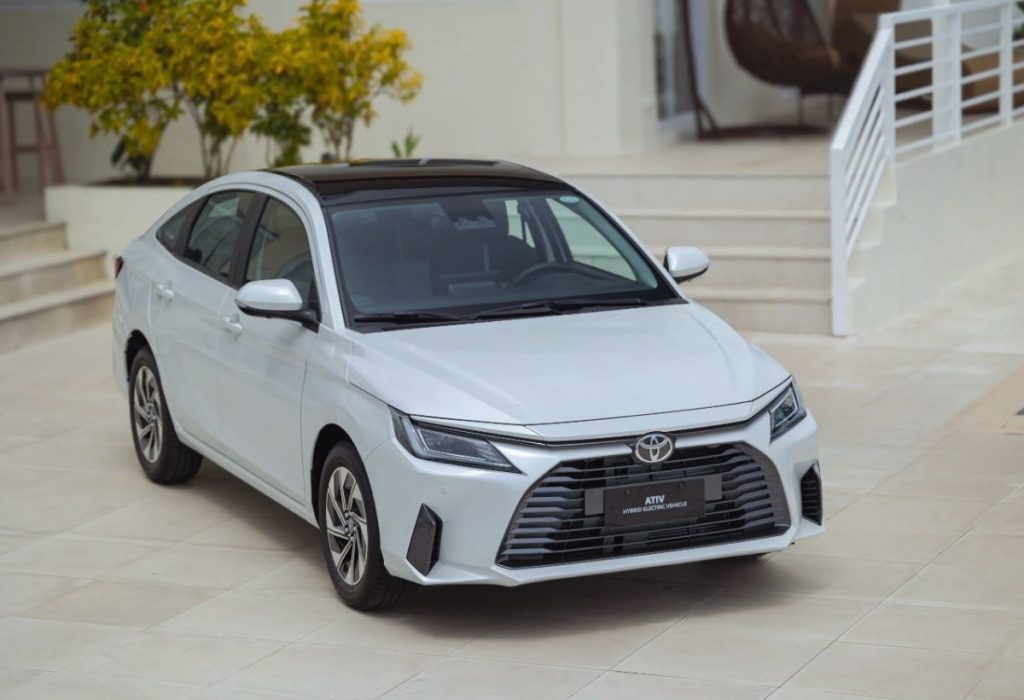
Today, Toyota hybrid technology can be found in vehicles created for a wide range of customers. The selection stretches from accessible passenger cars and crossovers to executive sedans, family MPVs and premium people movers.
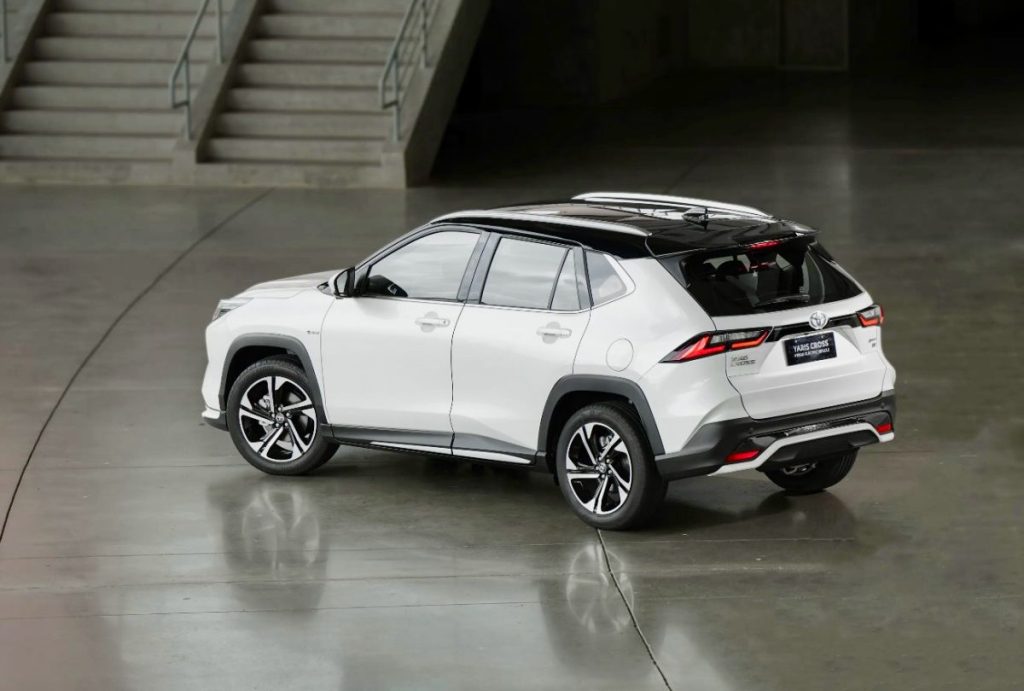
Models such as the Ativ HEV and Yaris Cross HEV help bring electrification closer to mainstream motorists. The Corolla Altis HEV and Camry HEV apply the technology to two of Toyota’s most established sedan nameplates, while the Corolla Cross HEV and all-new RAV 4 HEV answer the strong demand for versatile electrified SUVs.
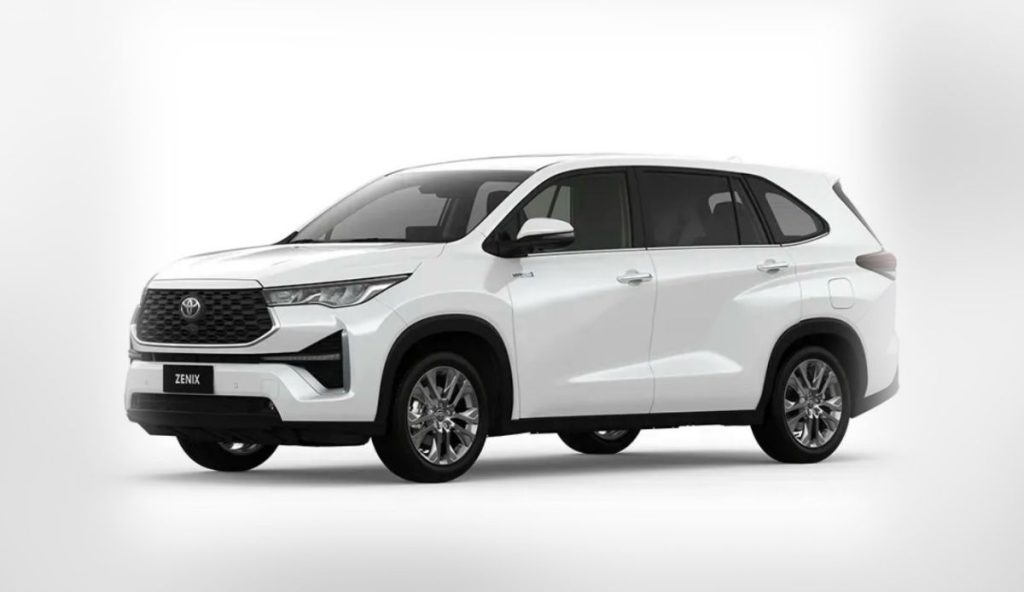
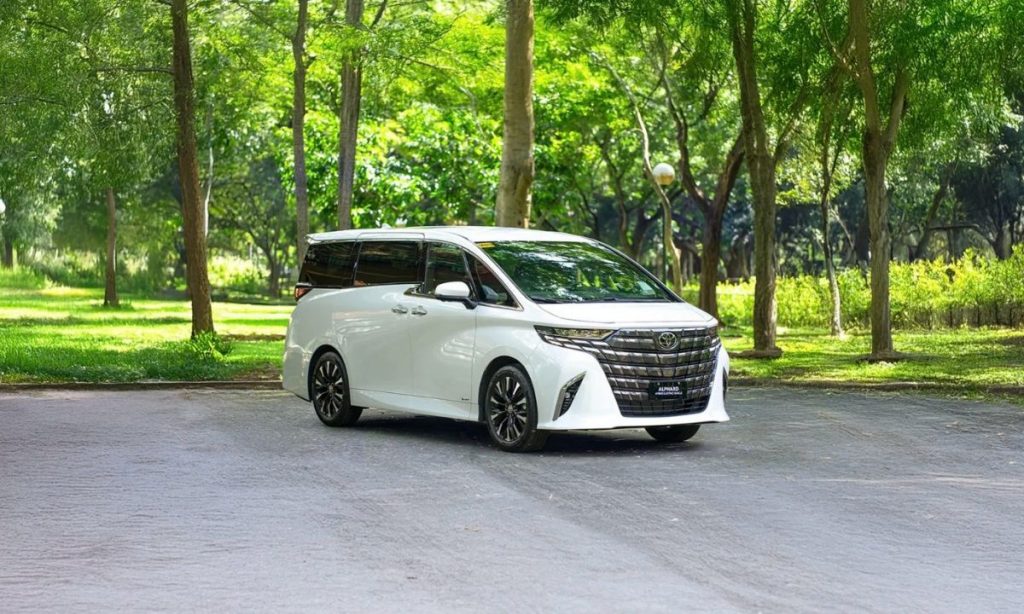
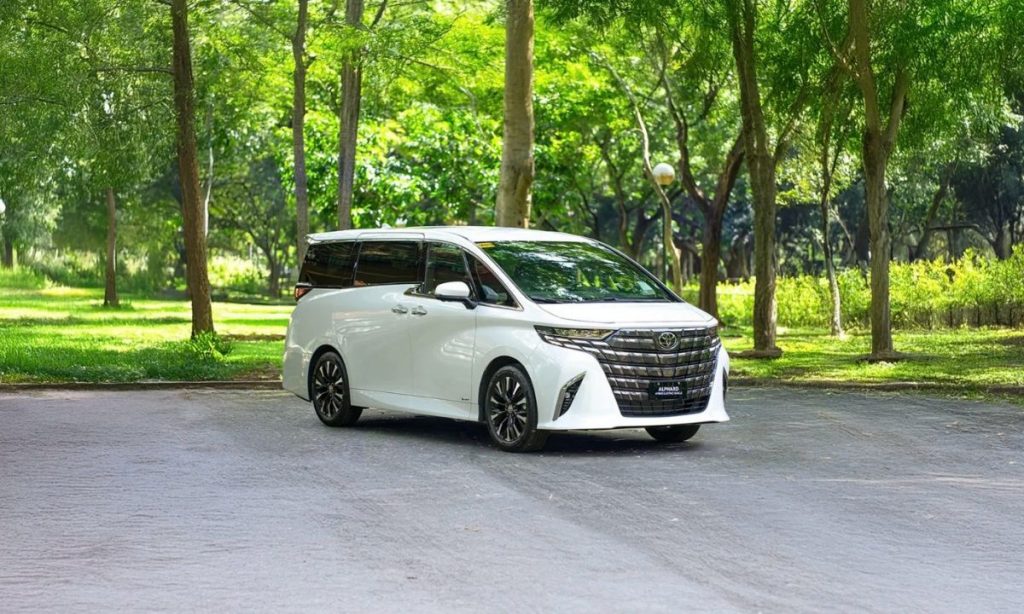
For larger families, the Zenix HEV offers the space and flexibility of a modern multipurpose vehicle. At the upper end of the range, the Alphard HEV combines an electrified powertrain with the comfort expected of Toyota’s flagship luxury MPV.
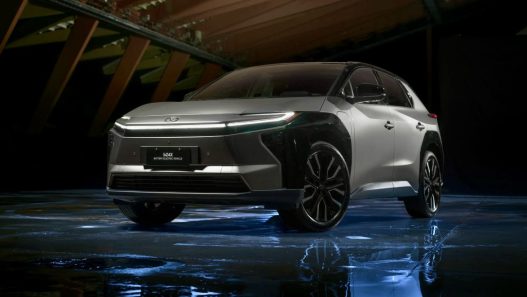
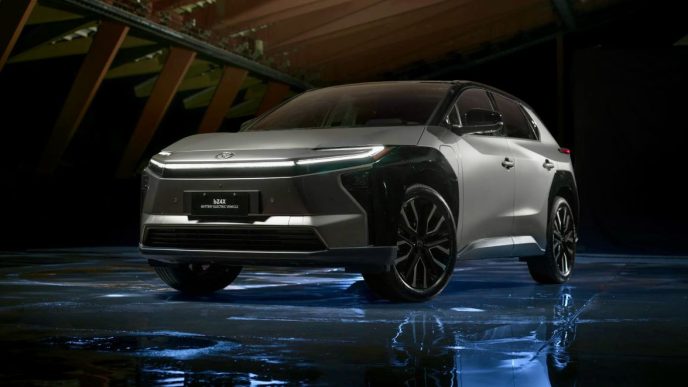
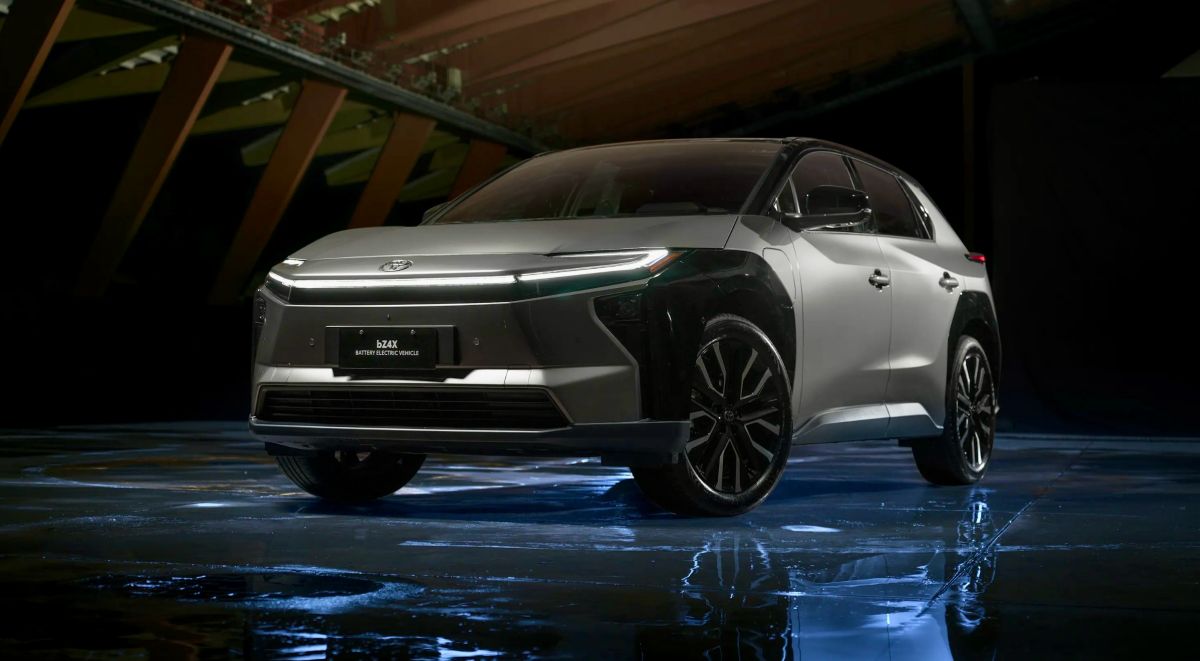
The arrival of the bZ4X in December 2025 marked another historic step: Toyota’s entry into the Philippine battery electric vehicle segment. Its dual-motor all-wheel-drive system, 73.11-kWh lithium-ion battery and claimed range of up to 570 kilometers demonstrated that Toyota’s local electrification campaign was expanding beyond hybrids.
That momentum continued with the Urban Cruiser BEV. Designed as an electric SUV for urban life, it offers a claimed driving range of up to 475 kilometers from its 61.1-kWh lithium-iron battery. Together, the bZ4X and Urban Cruiser give Toyota two distinct battery electric propositions—one with the size and all-wheel-drive capability of a larger SUV and another shaped around the requirements of modern city driving.
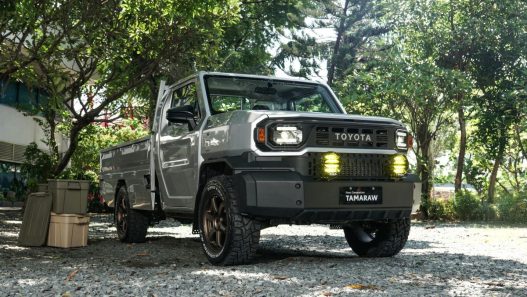
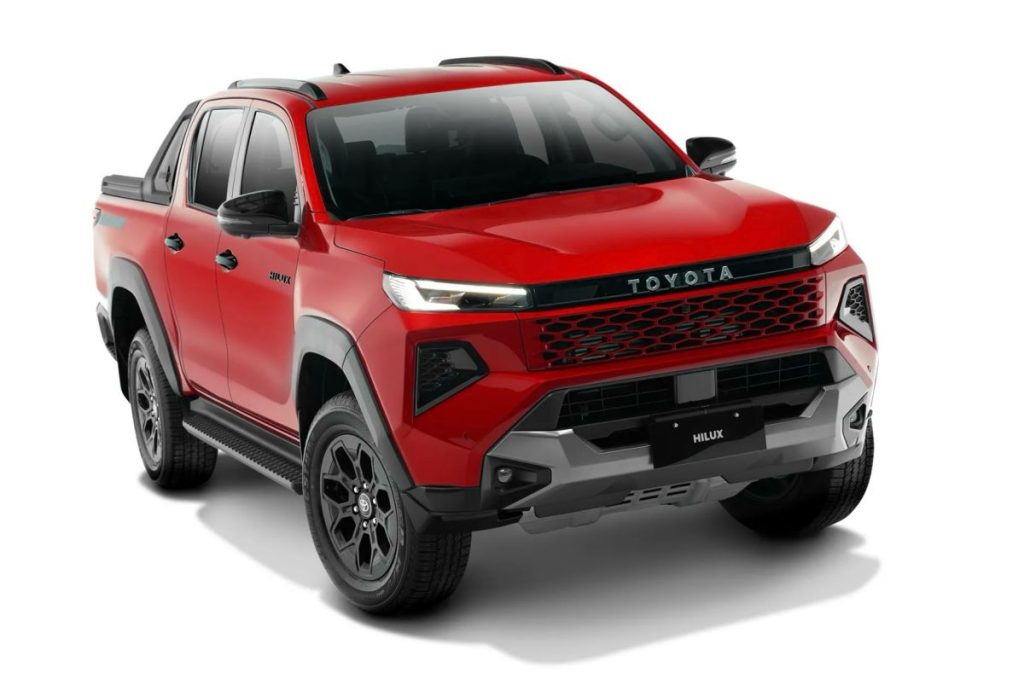
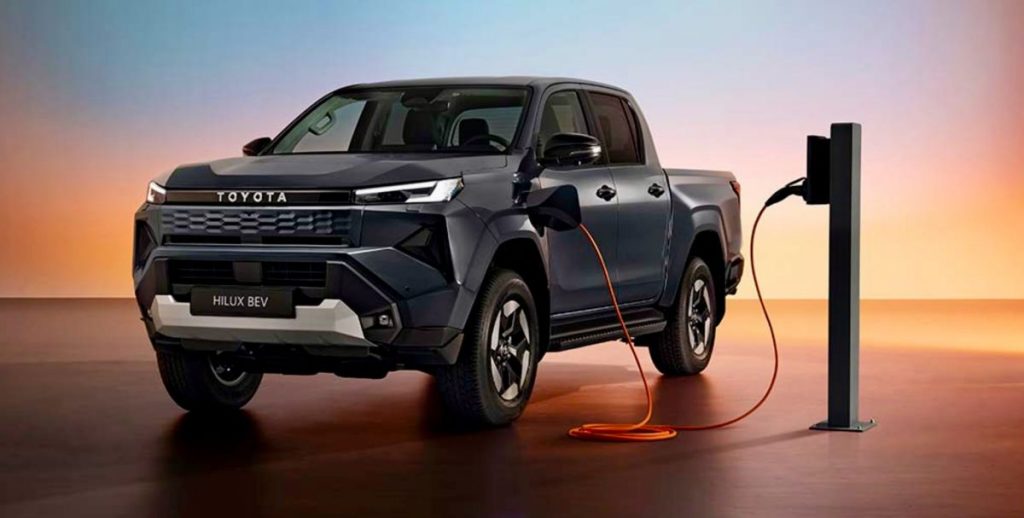
Toyota has even extended electrification into the pickup segment through the Hilux BEV, showing how the Multi-Pathway Approach can eventually reach vehicles associated not only with personal mobility but also with work, enterprise and nation-building.
Lexus joins the charge
The significance of this moment extends beyond the Toyota badge. Lexus is advancing alongside Toyota under the Beyond Zero vision, adding performance, craftsmanship and distinctly premium experiences to the group’s electrification campaign. Its participation transforms the initiative from a collection of individual models into a far-reaching movement that covers both mainstream and luxury mobility.
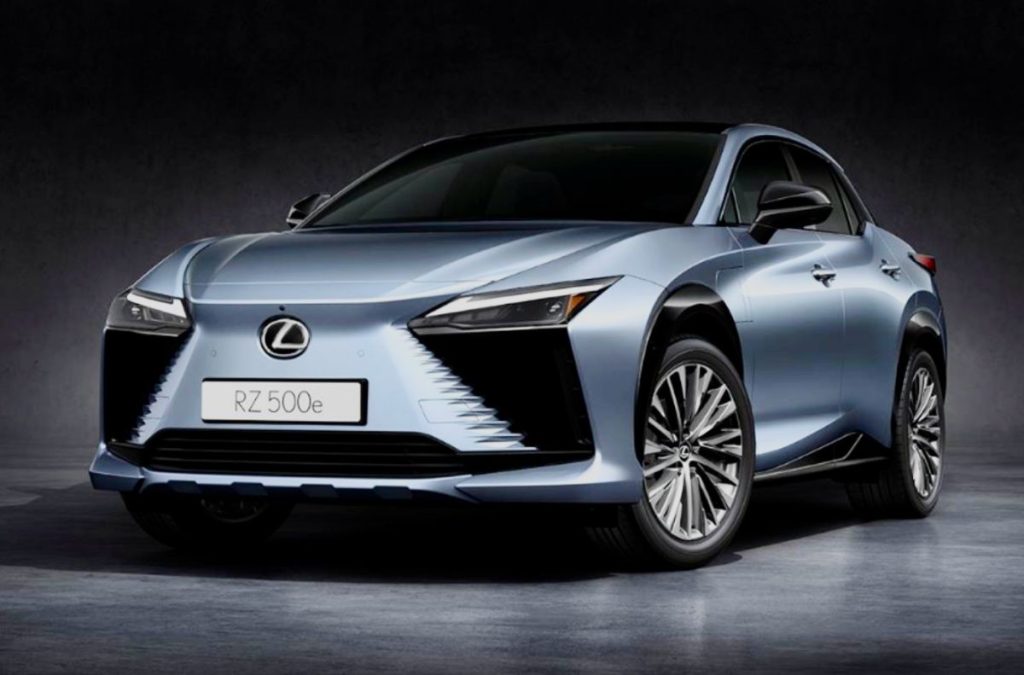
Lexus helped establish the group’s battery electric presence in the Philippines through the RZ BEV SUV before the technology reached the Toyota brand with the bZ4X. In this sense, Lexus served as an important bridge — introducing full-electric motoring to customers prepared to embrace it and helping lay the groundwork for wider adoption.
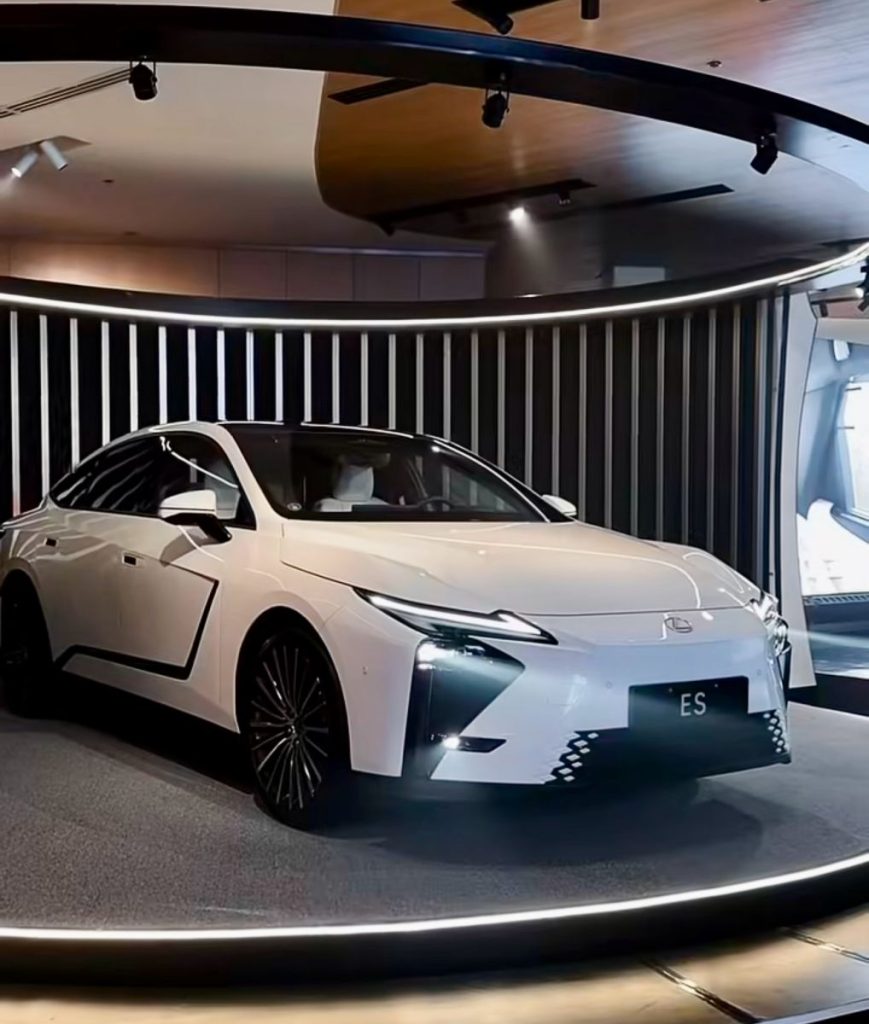
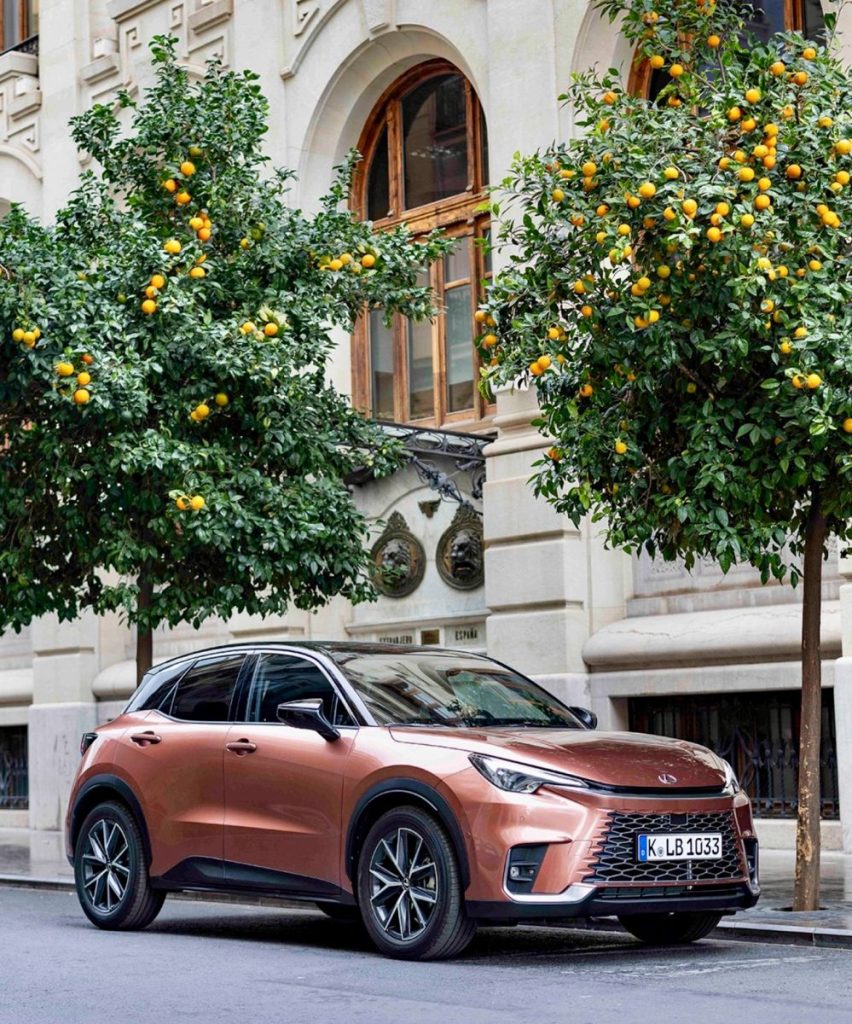
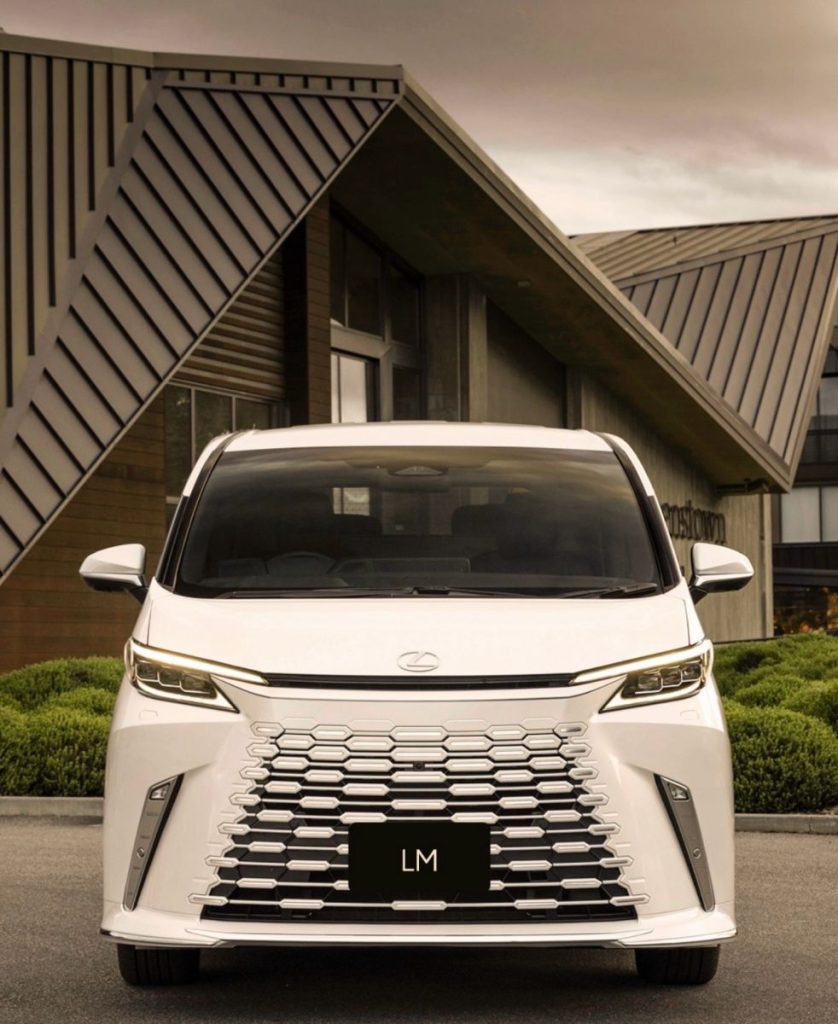
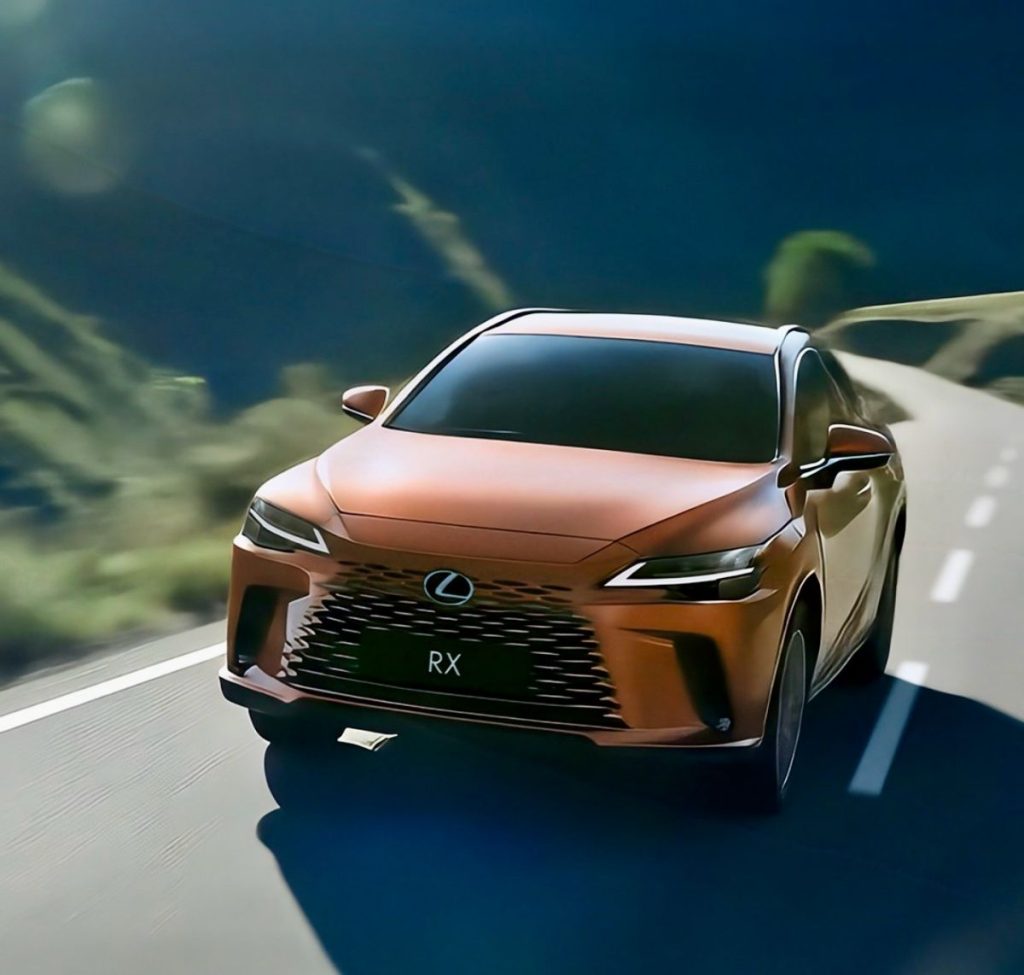
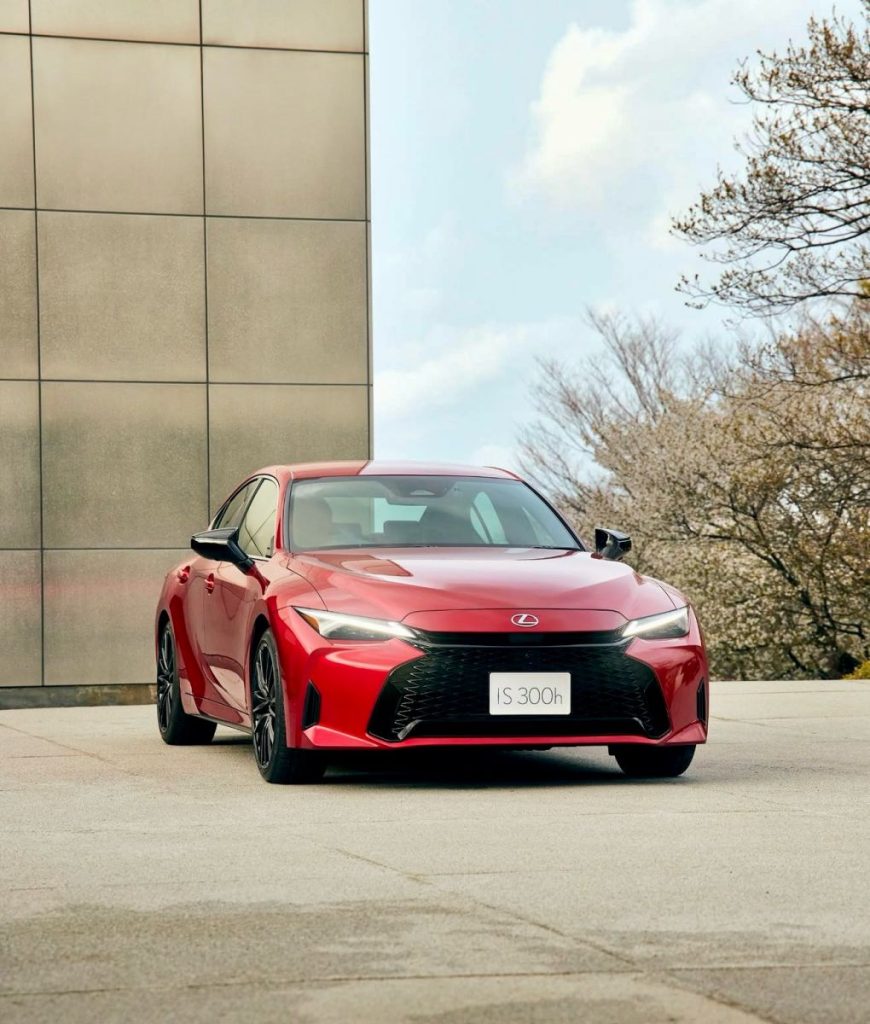
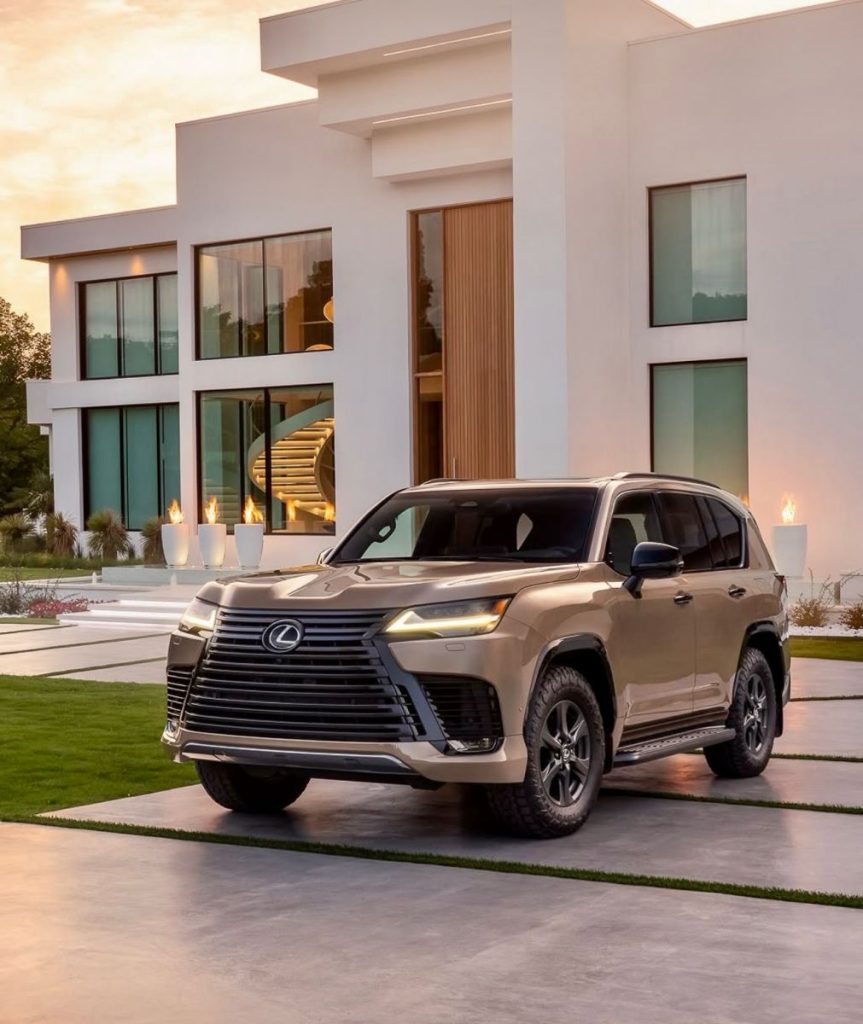
At the same time, Lexus has developed an imposing hybrid range. Vehicles such as the LBX, UX, NX, RX and LX bring electrification to different luxury crossover and SUV segments, while the IS, ES and LS extend it to premium sedans. The LM 350h demonstrates how hybrid technology can serve a spacious luxury people mover, combining efficiency with the comfort and refinement for which the Lexus brand is known.
Out of 12 Lexus models, 10 are electrified.
Toyota and Lexus have increasingly appeared together at Philippine electrified-vehicle displays and test-drive events. The sight carries symbolic weight. On one side is Toyota, making electrified mobility more accessible across high-volume and family-oriented categories. On the other is Lexus, proving that lower-emission mobility can also deliver luxury, sophistication and emotional appeal.
The power to choose—and to participate
By the end of November 2025, Toyota Motor Philippines had recorded combined sales of almost 17,000 Toyota and Lexus electrified vehicles, representing 45-percent year-on-year growth. At the launch of the bZ4X, the company reported a combined portfolio of 22 electrified models across the two brands.
The importance of those figures lies not only in their scale, but in what they represent. Every hybrid placed on the road can contribute to reduced fuel use and emissions without waiting for a nationwide charging network. Every battery electric vehicle gives a prepared customer the opportunity to eliminate tailpipe emissions altogether.
The Multi-Pathway Approach therefore turns consumer choice into collective participation. A first-time hybrid owner, a family moving into an electrified MPV, a luxury customer choosing a Lexus HEV and an early adopter driving a Toyota or Lexus BEV can all contribute to the same objective — even if they follow different routes.
It is a more inclusive vision of automotive progress: ambitious enough to pursue carbon neutrality, but practical enough to recognize that the transition will happen at different speeds and different timelines for different people.
A defining chapter for Philippine mobility
Toyota’s Beyond Zero vision is ultimately about going further than reducing emissions. It seeks to create positive value for society while allowing people to retain the freedom of mobility. Toyota and Lexus are not simply preparing for the future of Philippine mobility. With every new model, every new customer, and every additional pathway opened, they are bringing that future decisively into the present.