





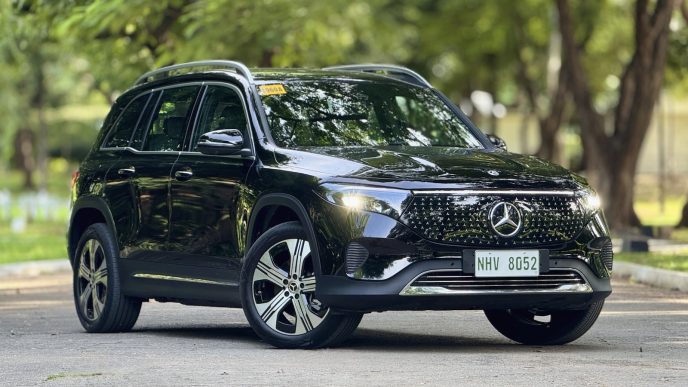

The Mercedes-Benz EQB 250 is one of the more accessible entries in the brand’s electric portfolio. Based on the GLB compact SUV, it keeps the familiar upright stance, boxy lines, and a seven-seat layout, but under the skin, it’s fully electric. What you get is a premium EV with the usability of a family SUV, packaged with a good mix of luxury, comfort, and efficiency.
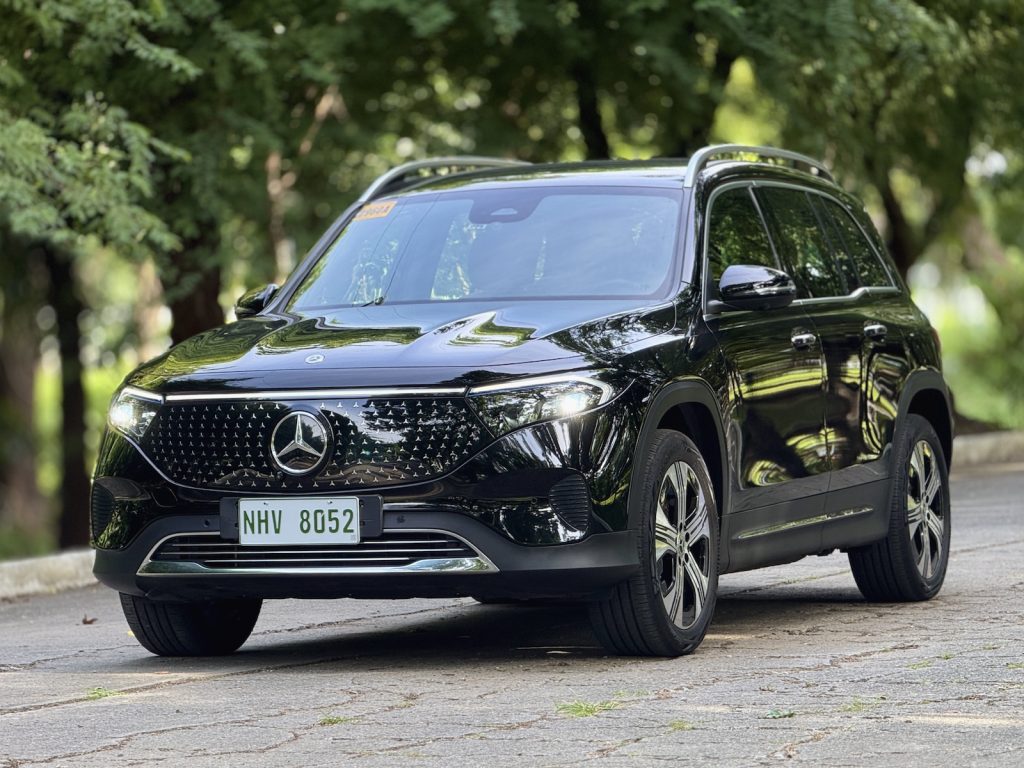
On paper, the EQB 250 brings solid credentials. It uses a 70.5 kWh battery, delivering 190 horsepower and 385 Nm of torque through a front-mounted motor. Performance isn’t sports car material, with a 0–100 km/h time of 8.9 seconds and a top speed of 160 km/h, but the point here is range and refinement. The WLTP rating puts it between 464 and 535 km, which is impressive for a vehicle in this class. DC fast charging up to 100 kW is supported, which means a 10–80% charge is possible in around half an hour under ideal conditions. For daily use, 11 kW AC charging keeps things practical for home or office setups.
Those are just numbers on paper. For the EQB’s real-world merit, read along.
Don’t Expect a Sporty Drive
Behind the wheel, the EQB 250 is an easy car to like. Power delivery is smooth, predictable, and tuned more for comfort than raw excitement. The strong regenerative braking deserves credit – it provides confident deceleration without feeling grabby or awkward. For drivers who want to maximize range without constantly fiddling with drive modes, this makes the EQB 250 a stress-free partner in city driving and highway runs alike.
Handling is commendable, too. Despite its size and weight – over two tons – the EQB masks its bulk reasonably well. Steering is light but accurate, making it approachable even in tighter city streets.
That said, there are compromises. Even in its sportiest DYNAMIC SELECT setting, the suspension tuning errs on the softer side. This setup works in its favor for ride comfort, especially on broken tarmac, but it can feel floaty when pushed harder or during quick transitions. For those who prefer a tauter setup, the EQB may lean more toward comfort than engagement.
Noise levels are excellent. The near-silent powertrain, combined with great NVH insulation, makes long drives serene. The only real interruptions are from wind noise around the mirrors and tire noise at higher speeds, though never at a level that breaks refinement.
Boxy and Unmistakably a Benz
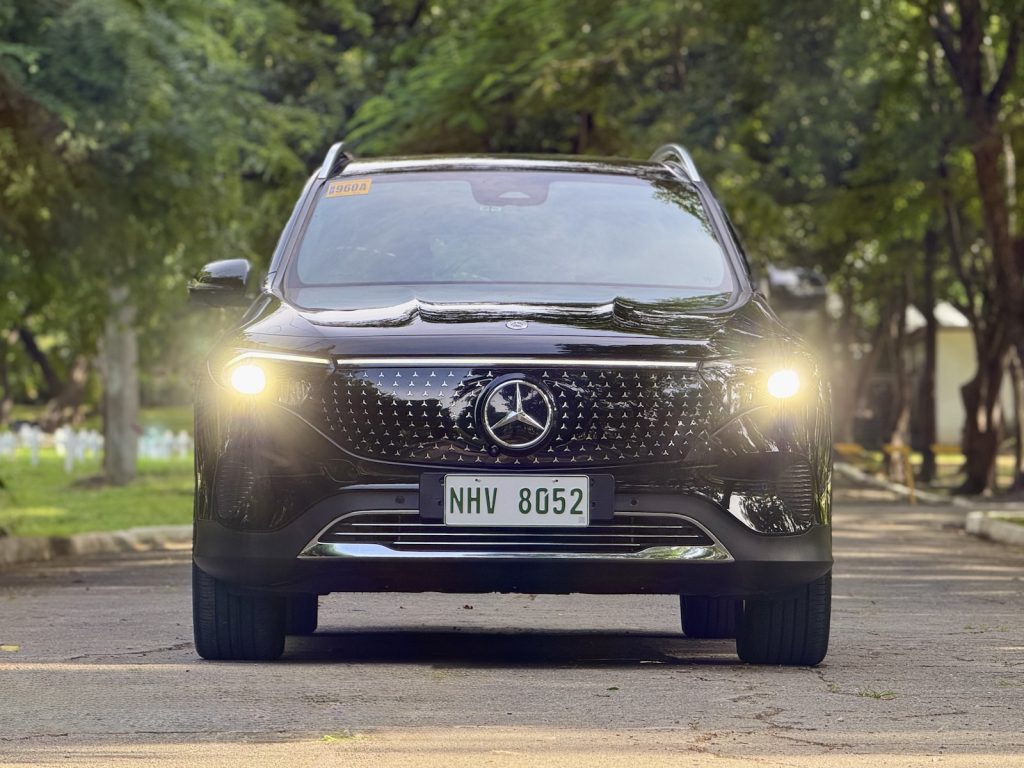


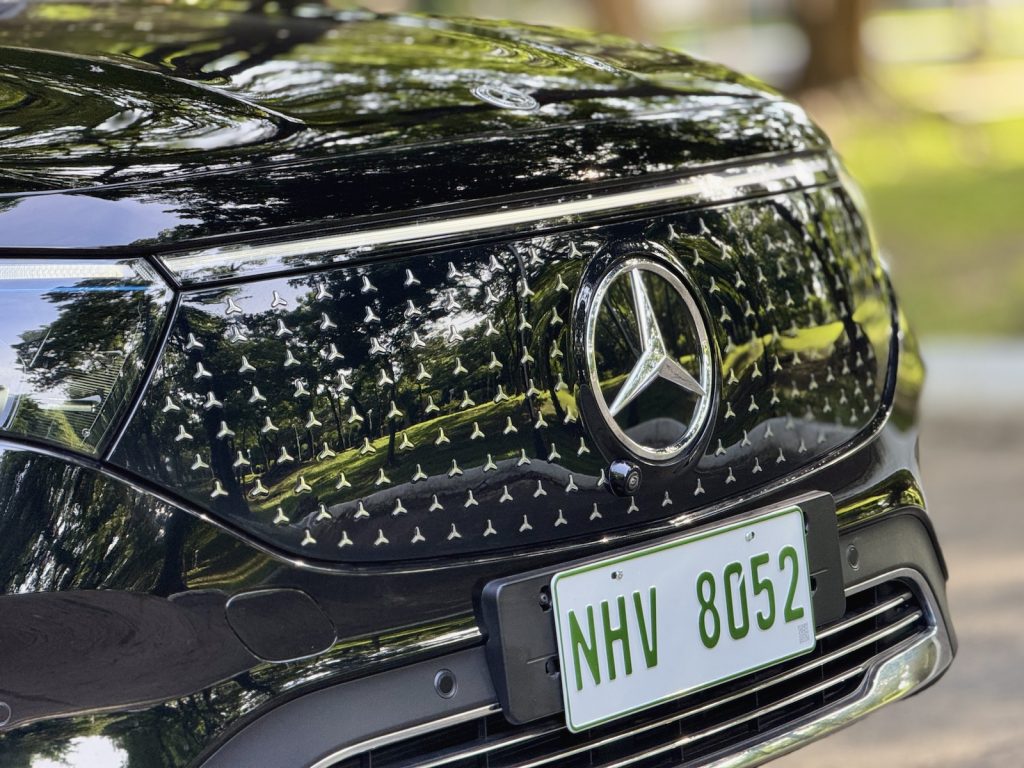
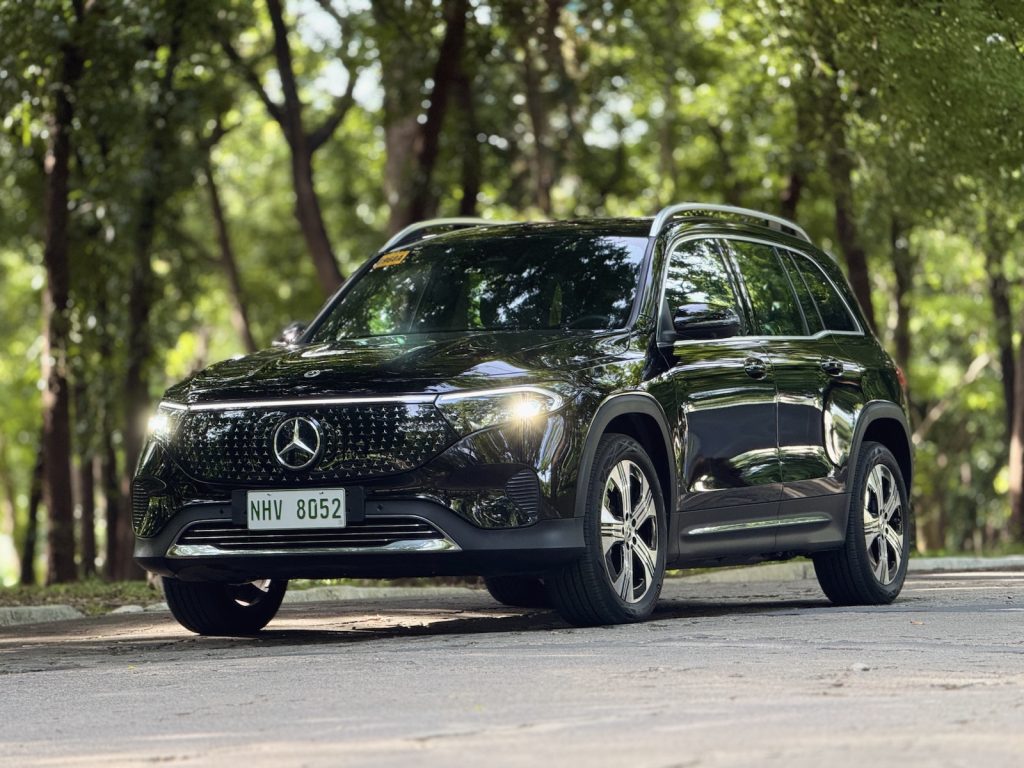
The EQB 250 carries over much of the GLB’s boxy practicality, but Mercedes has given it a subtle EV twist. Up front, the traditional grille has been replaced by a gloss black panel featuring the central three-pointed star, framed by slim LED headlights with EQ-specific blue detailing. A continuous light bar links the lamps, further distinguishing it from its combustion counterpart.
I absolutely adore the upright roofline and low body, giving the car its signature utility-focused stance – though be careful with ramps as clearance from the ground isn’t as high as a G-Class. Roof rails in an aluminum look hint at outdoor versatility (yes, they’re usable), also adding a dash of rugged style. At the rear, another light bar stretches across the tailgate, emphasizing width and tying it neatly into the EQ family’s design language.
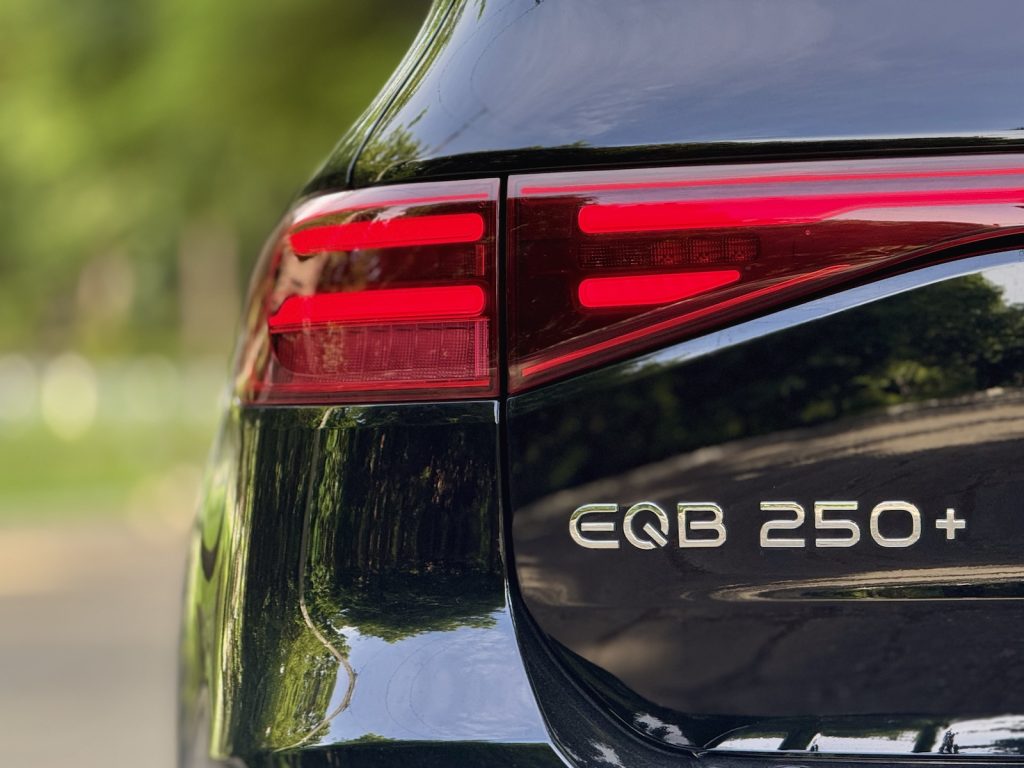
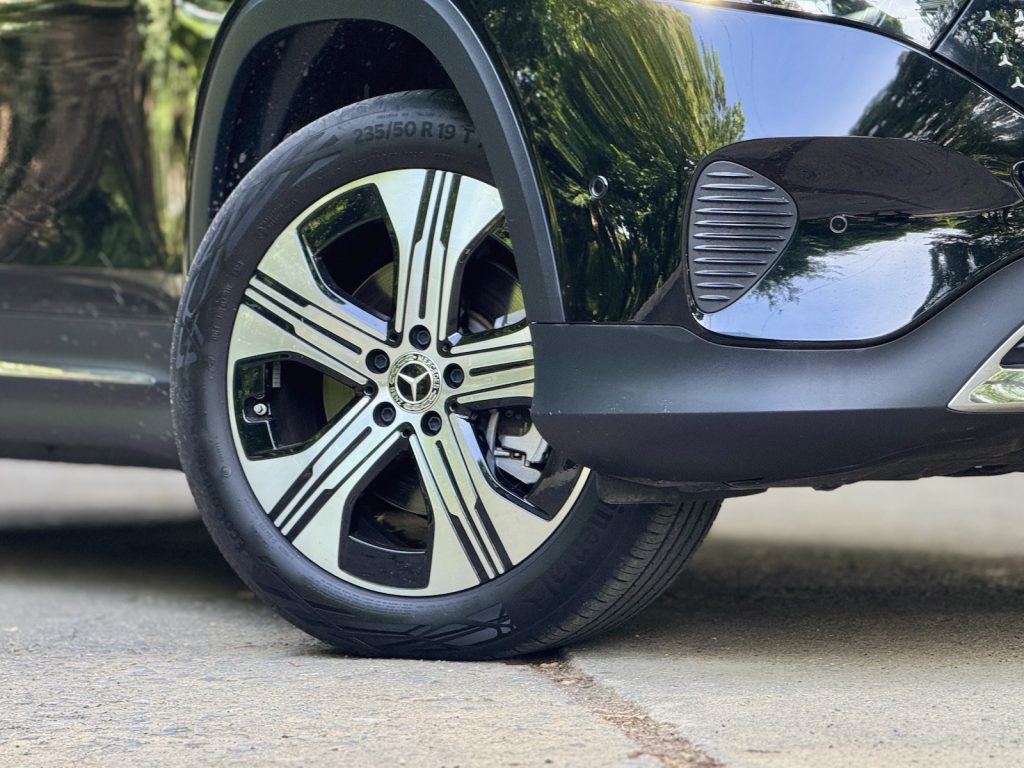

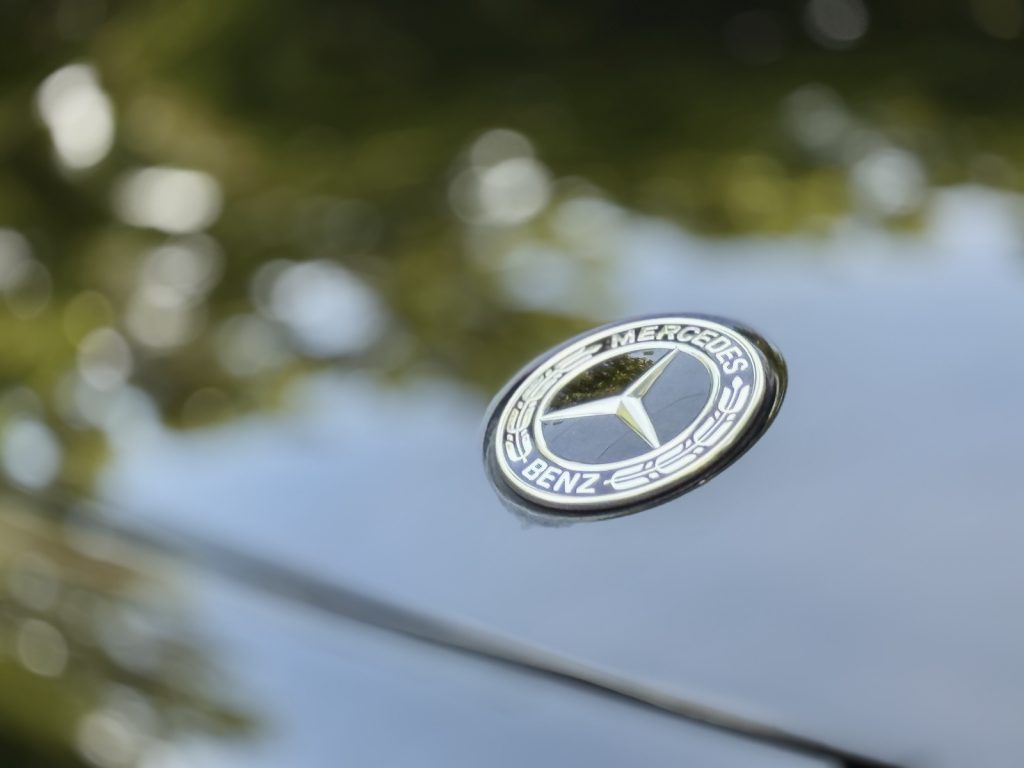
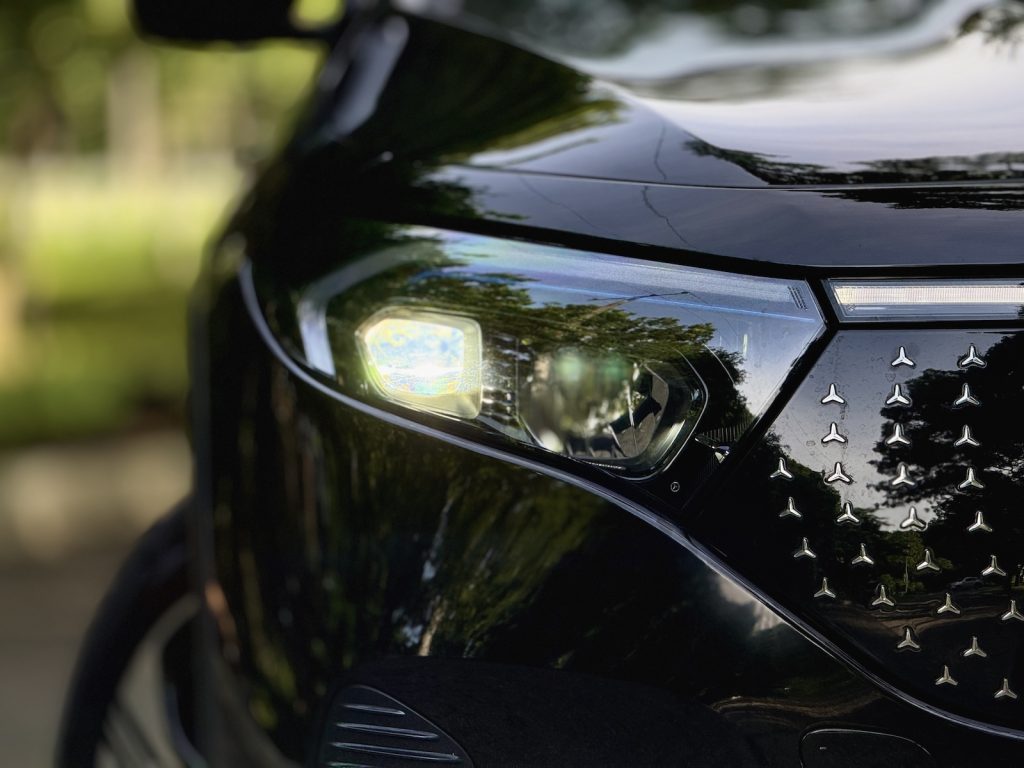
The EQB 250 Electric Art variant gets unique 19-inch five-spoke alloy wheels, which balance efficiency with presence. The proportions may not be as sleek as coupe-inspired rivals, but the upright shape translates directly to better headroom and usable interior space. For those who prioritize practicality but still want their EV to look premium, the EQB strikes a nice balance.
Posh & Practical With a Few Quirks
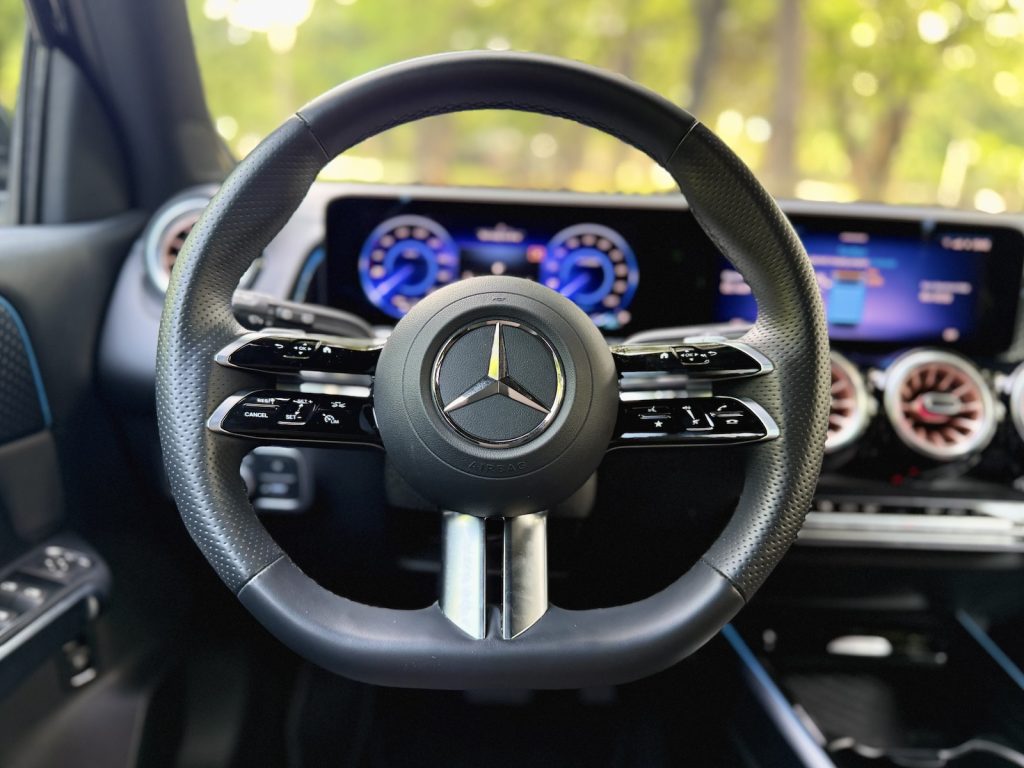
The EQB delivers the premium cues in the cabin as expected of a Mercedes. The Widescreen Cockpit dominates the dashboard, with a 10.25-inch digital instrument cluster paired with a matching central touchscreen running MBUX. The display isn’t huge by today’s standards, but it’s enough for what you actually need.

The Electric Art trim adds flair with rosé-gold accents, backlit star-patterned trims, and customizable ambient lighting. It feels modern, well-finished, and visually distinct from its gasoline-powered siblings.
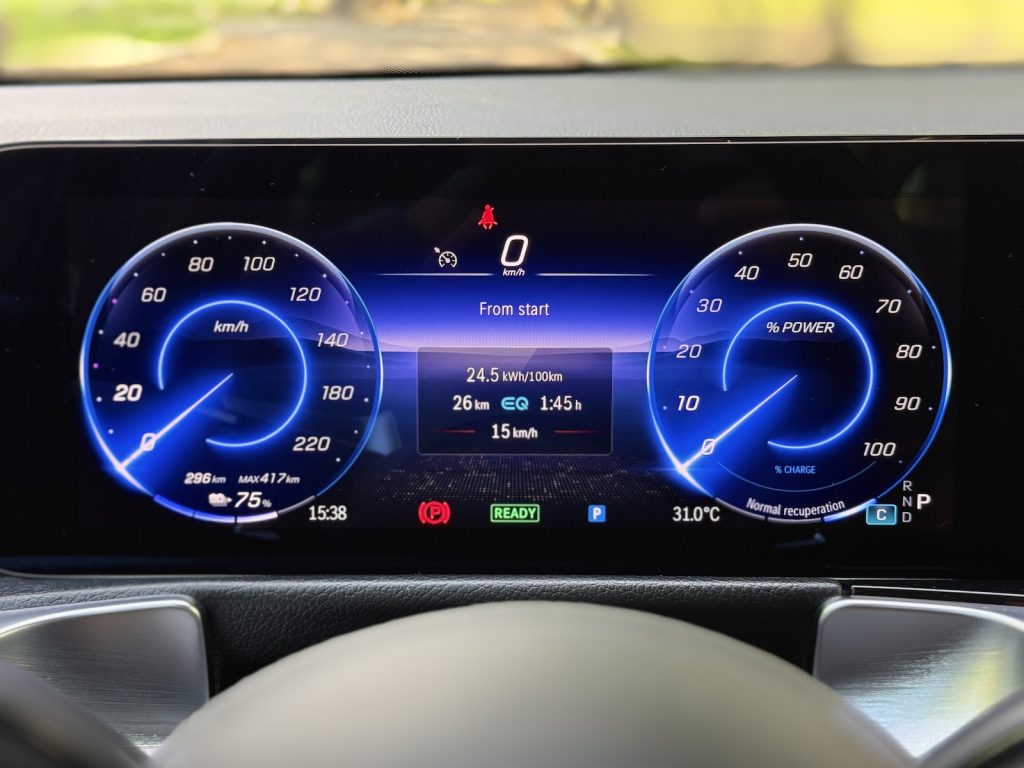
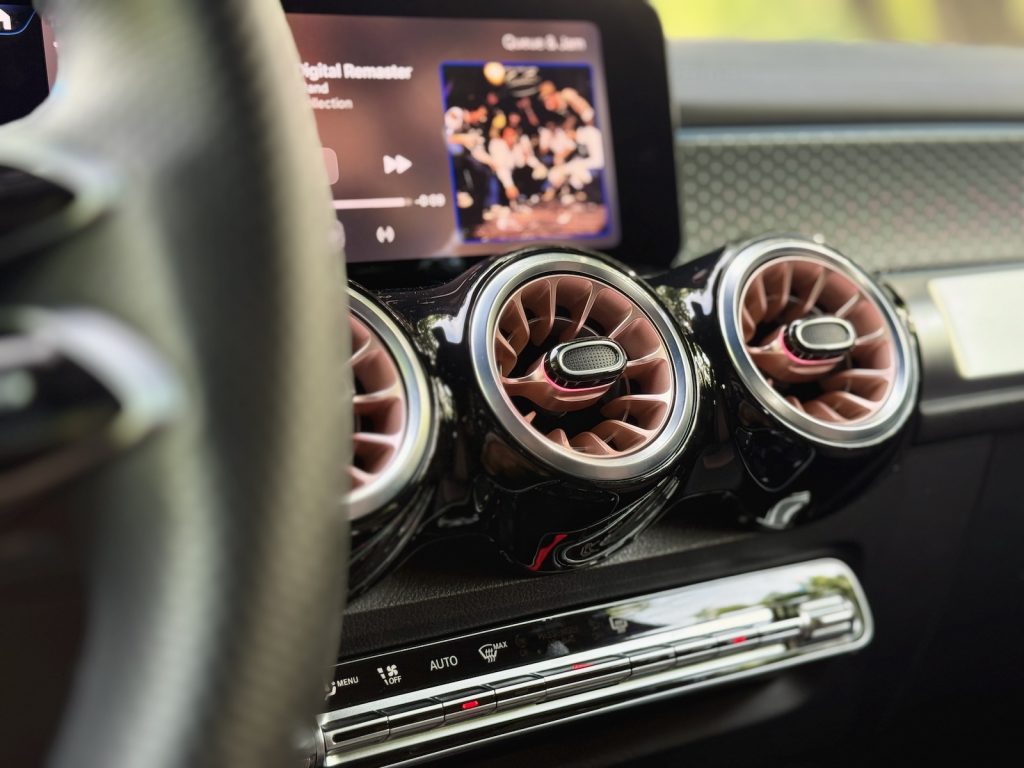
The seats, clad in a mix of ARTICO leather and Cupertino fabric, offer a balance of comfort and support, though leaning toward the stiff side. Power adjustment with memory functions, heated options, and the Seat Comfort Package are all standard, making it easy to settle in for longer journeys. Rear passengers benefit from good legroom and split-folding flexibility.
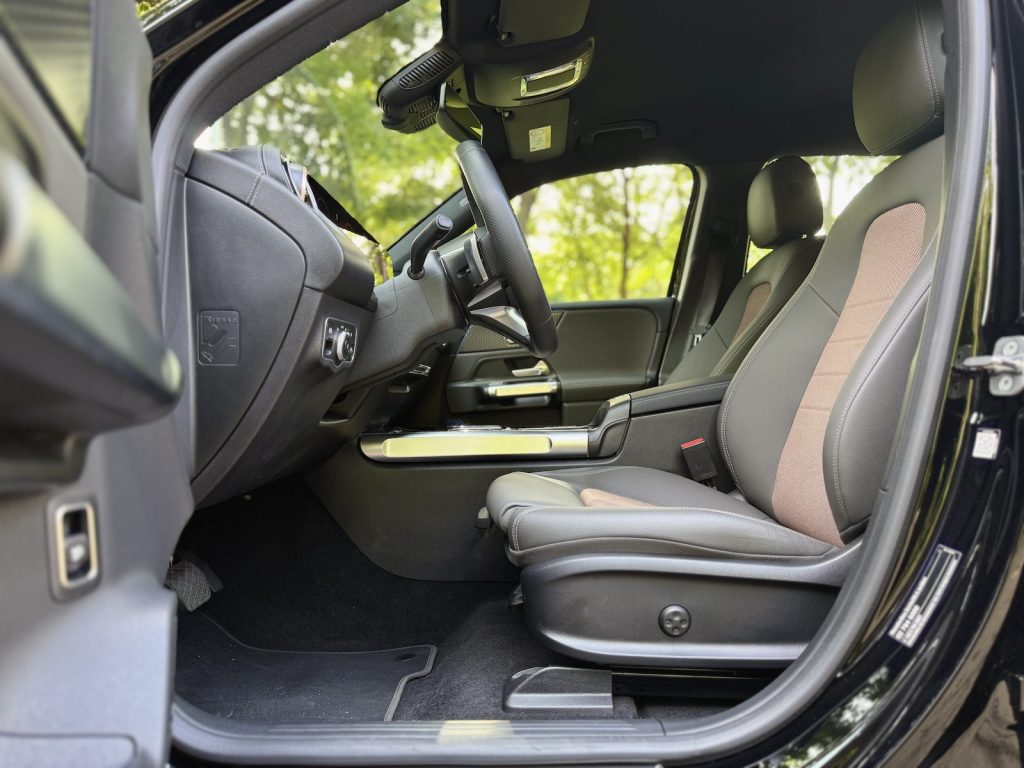
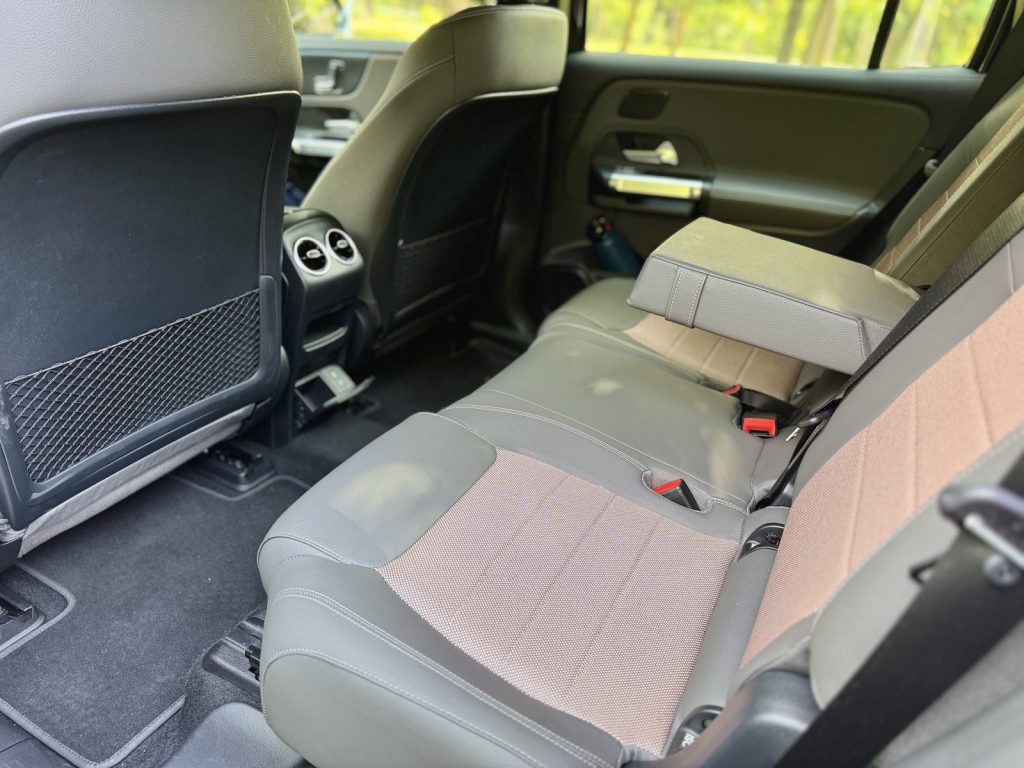
Where things get complicated is with the third row. Yes, the EQB offers up to seven seats, but the last row is best reserved for children. Adults will struggle with the limited legroom and upright posture, and when the third row is in use, cargo space becomes tight. Even loading luggage can be slightly inconvenient thanks to a high loading lip. Still, as an emergency option for occasional use, the flexibility is valuable.
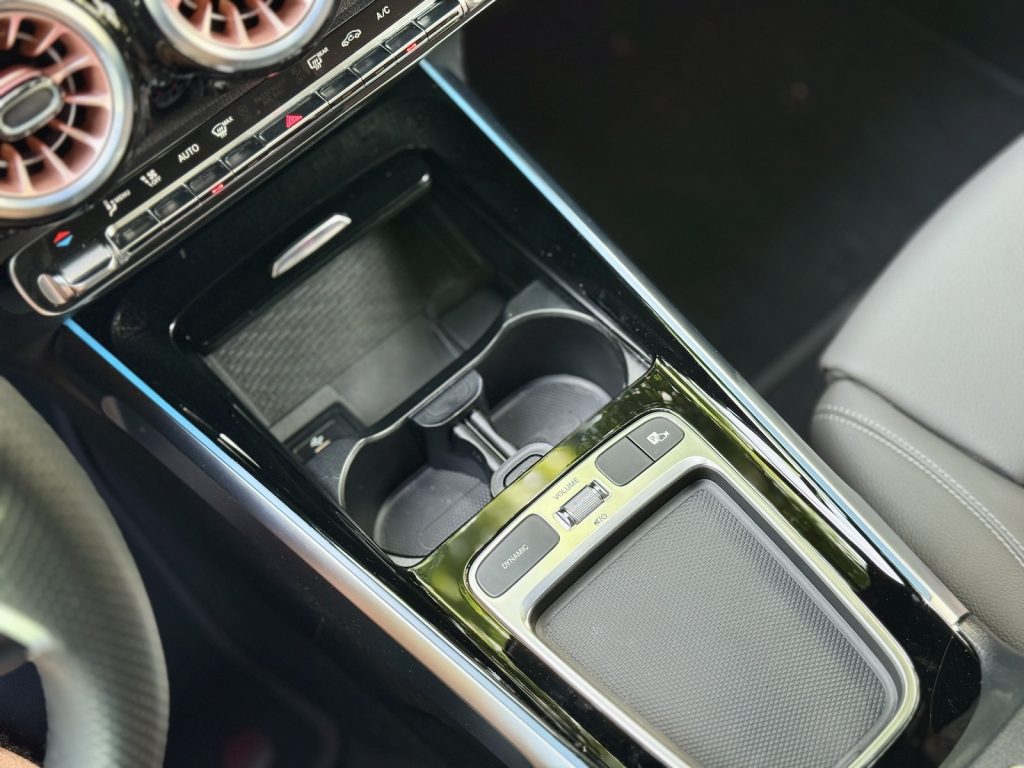
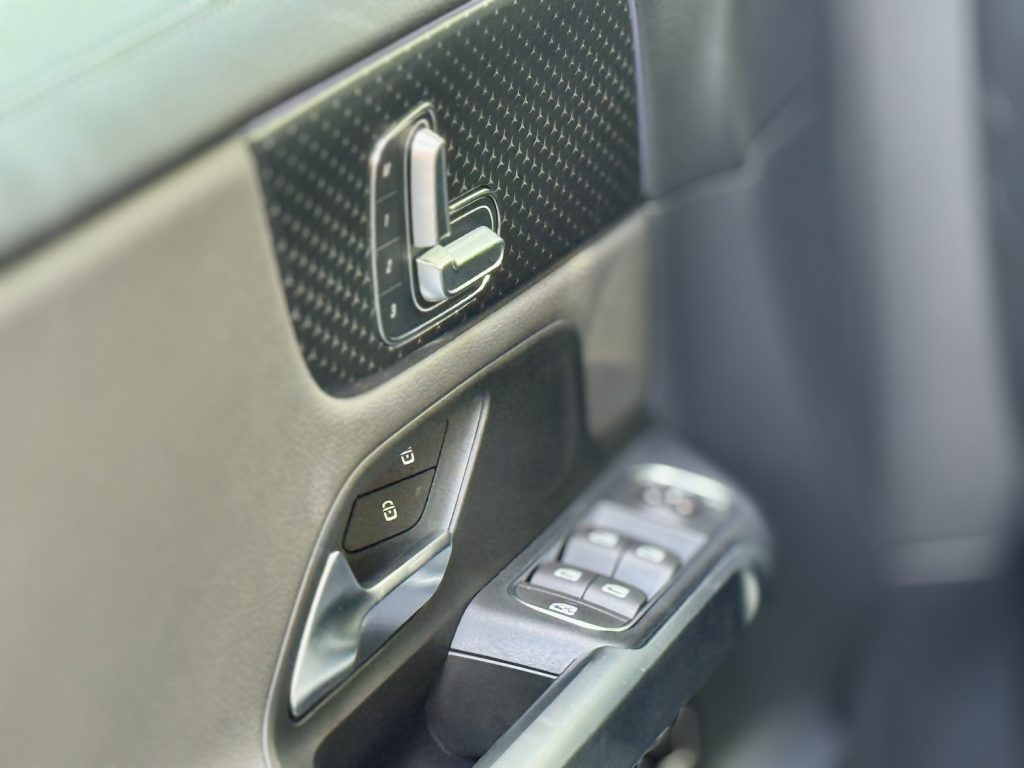
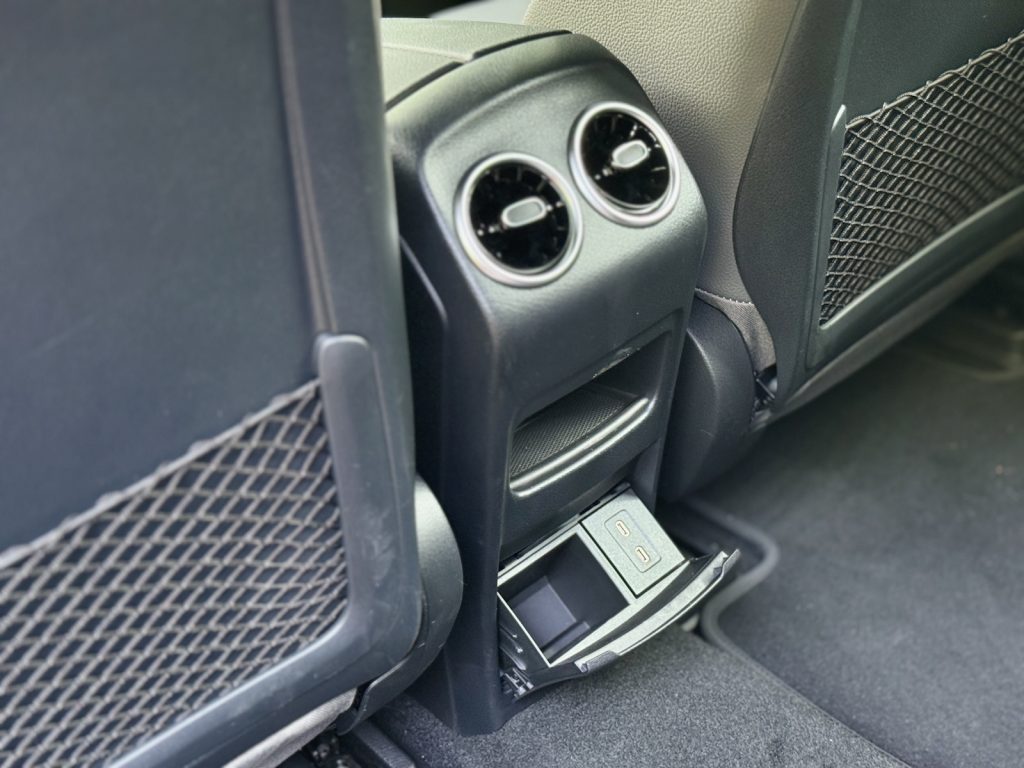
Technology and convenience features are well-rounded. Wireless charging, Apple CarPlay, Android Auto, and a 225-watt 10-speaker sound system all come standard. Safety equipment is equally comprehensive, including Blind Spot Assist, Active Brake Assist, Attention Assist, multiple airbags, and GUARD 360 vehicle protection. Parking is simplified with a 360-degree camera and Active Parking Assist – the former has what I believe is the clearest display in any vehicle I’ve tested.
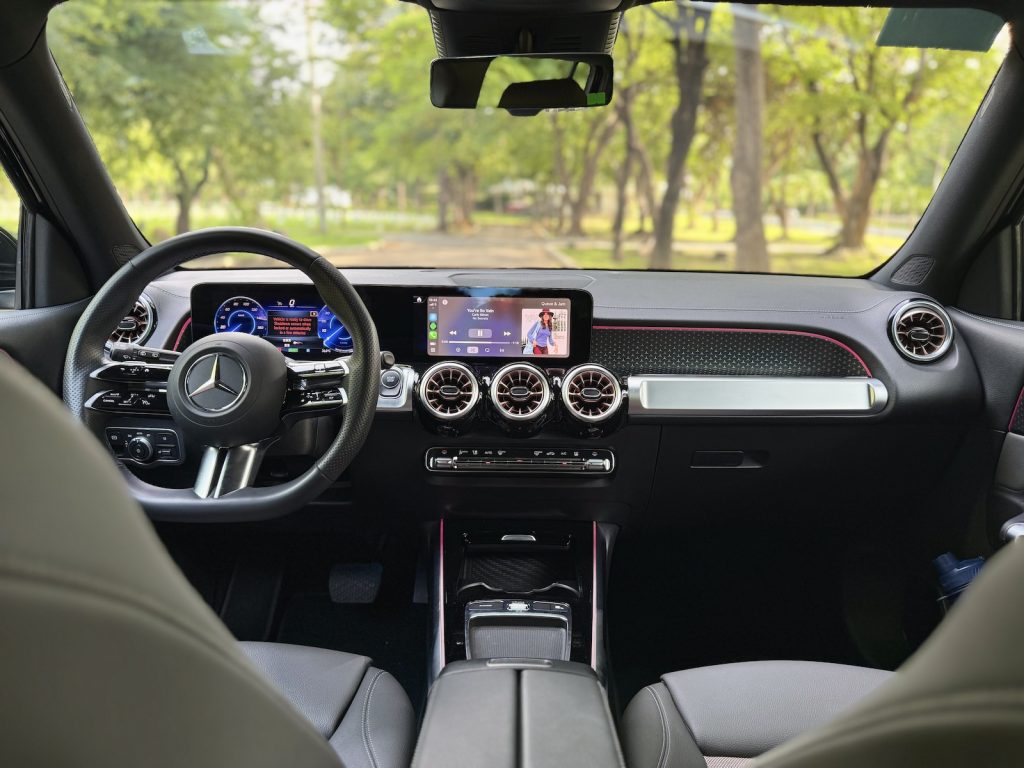
One frustration, however, lies with the touch-sensitive controls on the steering wheel. While sleek-looking, they can be overly sensitive sometimes, leading to accidental inputs – especially while turning the tiller. Traditional buttons would arguably be more intuitive and less distracting.
Overall Verdict
The Mercedes-Benz EQB 250 isn’t a performance EV, and it doesn’t pretend to be one. Instead, it builds its case on range, refinement, and practicality, wrapped in a familiar and luxurious Mercedes-Benz package. For most drivers, it strikes a strong balance: comfortable, efficient, and stylish, with enough space to handle family duties.
There are trade-offs. The ride, while plush, can feel floaty for those who prefer a sportier edge. The third row’s limitations make the seven-seat promise somewhat conditional, and the high loading lip might frustrate those who frequently haul cargo. The touch-sensitive controls also add unnecessary complexity to an otherwise user-friendly cabin.
Still, these drawbacks don’t overshadow the bigger picture. At P4,290,000, the EQB 250 is one of the most versatile and approachable EVs in the premium compact SUV segment, offering a real-world range that rivals can’t easily match.


