





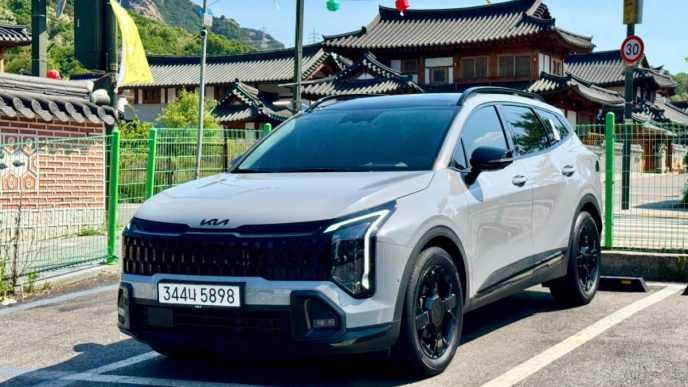
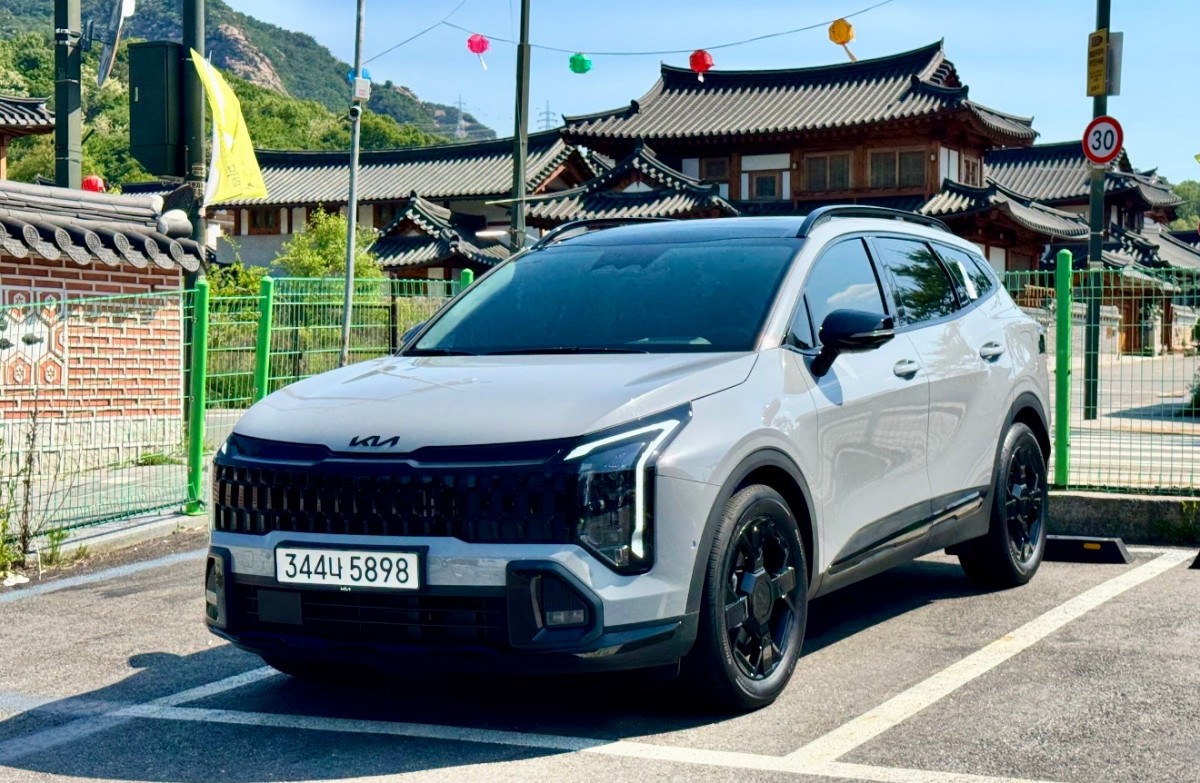
The Sportage has been the subject of one of Kia’s longest teases in the market. The fifth-generation model, first launched globally in 2021, was under consideration for local sale as early as 2023 (we actually also got to drive it in Korea). Since then, Kia Philippines got cold feet entering the compact SUV segment and opted to concentrate its efforts elsewhere. But now, it’s definitely, 100 percent coming back.
Fueled in part by shifting customer preference from mid-size diesel SUVs to electrified compact SUVs, and more favorable duties provided by Executive Order 62, it’s basically the right time for Kia Philippines to start printing money.
Although the 2026 Sportage heading to the country is an all-new generation model local buyers have yet to enjoy, it’s been around elsewhere for around five years now. However, at least the Philippines is getting the refreshed model which was shown to the rest of the world in 2024.
What this means is that the Sportage isn’t in lockstep with newer Kia designs such as the EV5 or EV9. The whole Opposites United philosophy is still present, especially with the heavily revised front-end, but this is more in the same generation as the Carnival and the Sorento. All things considered, it’s still pretty modern with the vertically stacked headlights and Tiger Nose (Mouth) grille being the main highlights. The rear is much less so, and after a while you do see that it does resemble Kia’s older models.
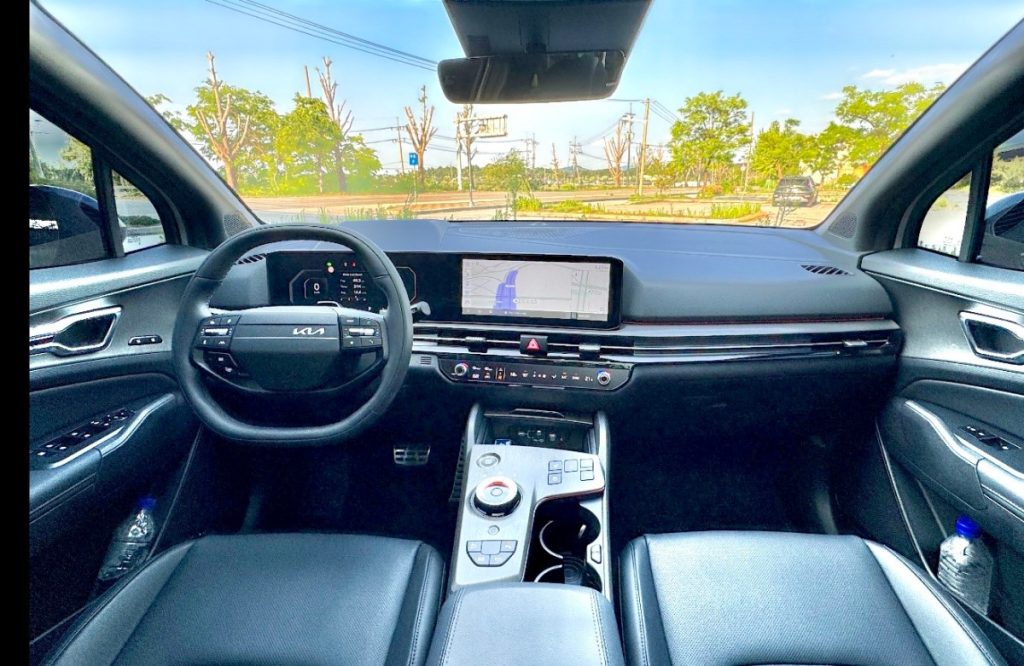
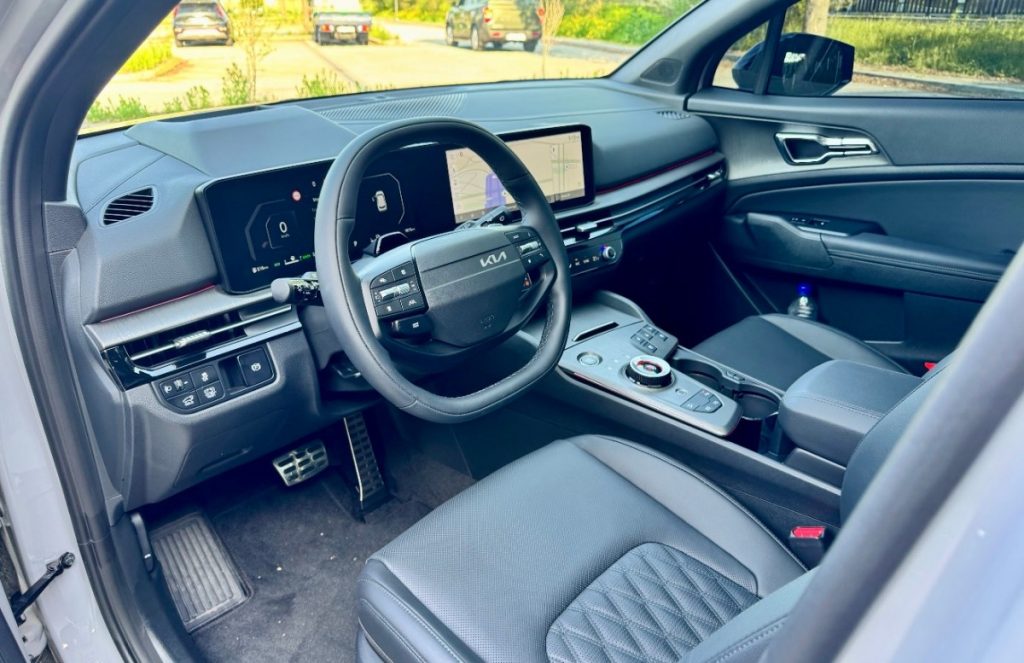
It’s the same story inside where the Sportage plays like a Kia’s greatest hits album. It’s a mix of new and old-generation. New, in the form of high-res 12.3-inch screens and USB Type C ports, but old in that it retains physical buttons for all cabin functions (thank you, Kia). Like the Sorento and Carnival, the climate and audio functions are controlled by a shared bank of capacitive buttons. This is the only bit that requires getting used to and can be hard to hit on the move, but it’s still much easier than having to fumble through a touchscreen. Plus, there are two knobs here at least. Overall, it’s easy-to-use, yet devoid of visual clutter.
The Sportage’s usability extends to the careful choice of interior material and space. It may not be the plushest or most premium feeling one in the market, but all the controls feel solid and satisfying to use. Above all, they feel like they’ll last. For the OC, Kia has avoided using shiny black accents on the shifter console. Instead, there’s a brushed inlay thus successfully avoiding fingerprints and scratches. There’s also plenty of space, be it for passengers or items, front or back. If anything, it’s a shame Kia’s not been able to implement a floating center console here to unlock even more storage (the shifter’s an electronic type rotary dial). But again, all things considered, it gets top marks.
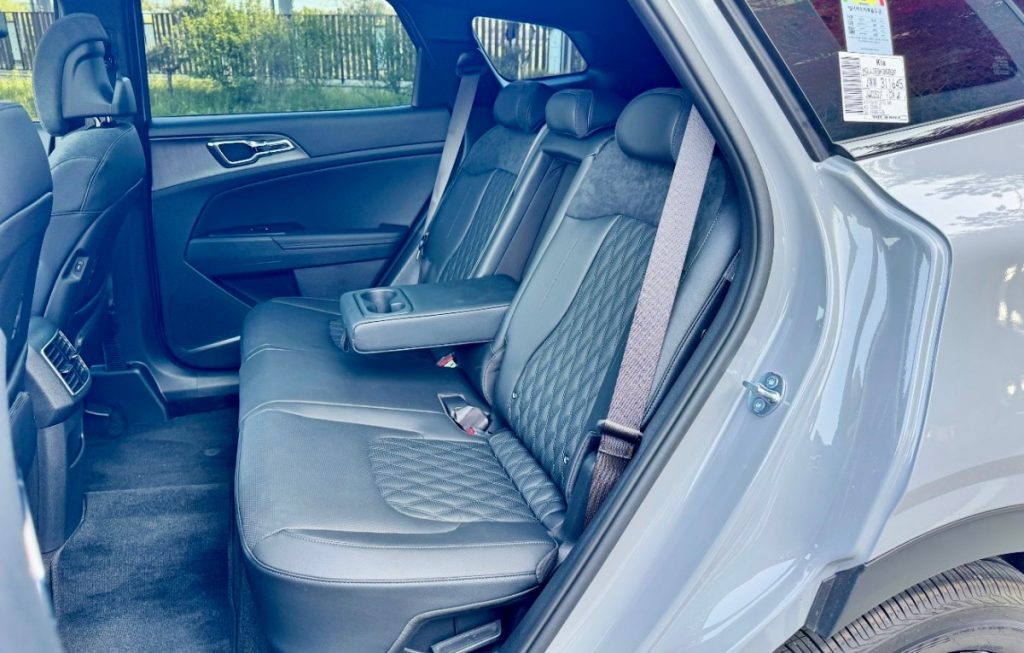
There are plenty of adjustments available to the steering wheel and seats, although the seat back itself is on the firm side. Still, it’s comfy enough for long drives on Seoul’s expressways. Even after logging 200-plus kilometers, everyone aboard is 100 percent fatigue-free. Visibility upfront is great thanks to the thin dashboard and pillars. Rear visibility is much less so, but thankfully, it’s equipped with blind spot indicators, front and rear sensors, and a 360-degree camera.
Despite its age, drive-wise, the Sportage remains remarkably competitive. With the exception of steering feel (it’s quite dead to be honest), it’s good. It’s a plush cruiser, riding well enough to soak up the occasional rough patches of road, while still keeping body roll in check. It does tend to tip more when pushed to the limit, but then again, most SUVs in this category will. At high speeds, NVH is well controlled save for some fractional wind noise. It’s only the grabby brakes (the brakes combine friction and regen braking) and overzealous ADAS being its noticeable kinks.
There’s a variety of powertrains available for the Sportage, but on this occasion, the seat time is limited to the one to have: the 235 horsepower, 367 Nm 1.6-liter Turbo HEV. If the power figures are familiar, it’s because it’s the same powertrain used by the larger Kia Sorento Turbo Hybrid. It’s fast on the drag strip (0 to 100 km/h in around 8 seconds), but more importantly, it shines in the real world. It feels effortless, delivering power whenever it’s needed. Plus, it’s far more engaging with perceptible, but smooth shifts from its 6-speed DCT. The parallel hybrid setup also means being able to engage electric drive even at higher speed, contributing to a 16.8 km/L combined city/highway figure here.
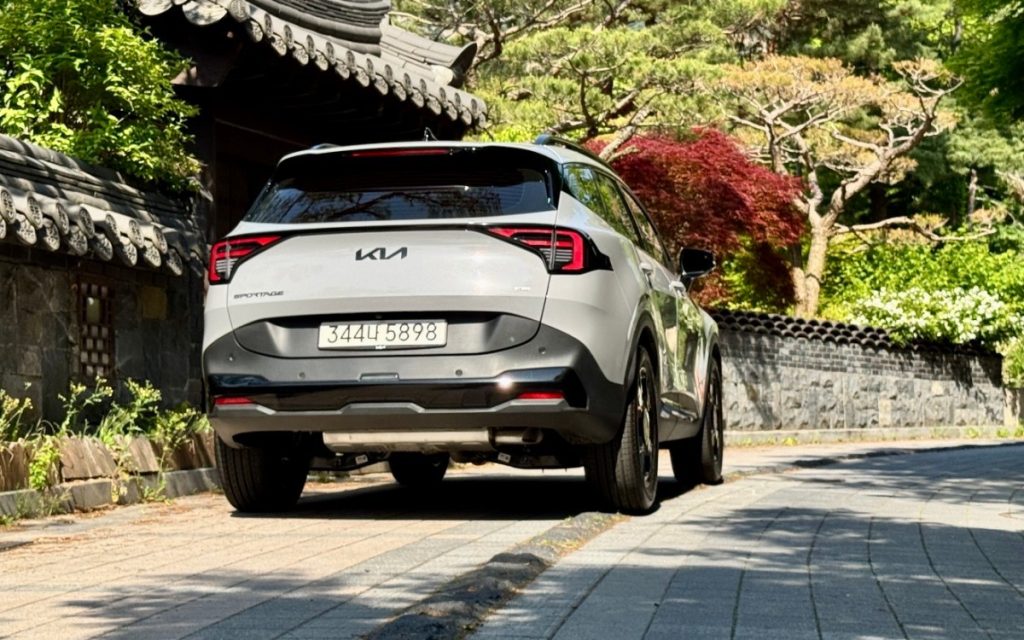
Kia Philippines has yet to reveal the Sportage Hybrid’s official specification and pricing, but based completely on this first drive, they’ve got themselves a worthy contender. The Sportage hasn’t really been a top-of-mind choice in the ultra-competitive compact SUV segment, but given the demand for electrified options, this time around, it could be. In big picture terms, the Sportage may be aging already, but once you dig in, you notice that there’s still plenty to like—be it the powertrain, the space, or even the interior execution. Ultimately, it’s this balance that makes the Sportage a potential segment standout.